Wolf Administration Offers Home Holiday Safety Tips

Wolf Administration Offers Home Holiday Safety Tips

Harrisburg, PA – The Pennsylvania Insurance Department and the Office of the State Fire Commissioner today are highlighting the common dangers associated with holiday décor ranging from dehydrated Christmas trees to unattended candles to decorative outside lighting.

“This time of year, we are all eager to spend time with friends and family in front of warm fires, decorating trees and lighting candles,” said Insurance Commissioner Jessica Altman. “However, it is important for Pennsylvanians to remember the steps they can take to keep themselves, their families and property safe.” 

Heating, holiday decorations, winter storms and candles all contribute to an increased risk of fire during the winter months. According to the National Fire Protection Association:

  • More than one-third of home decoration fires in December are started by candles
  • Christmas is the peak day for candle fires
  • More than one in every five Christmas tree fires were caused by a heat source too close to the tree

 
“Holiday lights and candles are a beloved part of the season, but they are an exceptionally common source of ignition for house fires,” said Acting State Fire Commissioner Thomas Cook. “Modern electric candles look realistic and greatly increase safety. Real candles should only be used when and where they can be monitored.”

Acting Commissioner Cook offered several suggestions for keeping homes safe this winter holiday season:

  • Choose decorations that are flame resistant or flame retardant.
  • Keep all holiday greenery, including trees, well-watered.
  • Never leave burning candles or cooking appliances unattended.
  • Always keep children and pets away from open flames and hot surfaces.
  • Replace light strands that have worn or broken wires or loose bulb connections, avoid overloading electrical outlets with too many cords, and do not run extension cords beneath rugs and carpet.
  • Be sure to turn off holiday lights before leaving home or going to bed.
  • Homeowners should be sure to place Christmas trees at least three feet away from a heat source, like a candle, radiator, or fireplace.

 
“Christmas tree fires often start very quickly, and they can fill a room with toxic smoke in under 30 seconds,” Acting Commissioner Cook added. “It is crucial for Pennsylvanians to take necessary precautions throughout the holidays and beyond.”

The National Fire Protection Association reports that Christmas trees contributed to an annual average of two civilian fire deaths, 10 civilian fire injuries and $10 million in direct property damage during a four-year span.

“The holidays are generally full of thoughtful, fun and sometimes expensive gifts, which is why I encourage homeowners to review their insurance policies to make sure the coverage allotted for contents is enough,” said Altman. “Generally, most homeowners’ policies have specific, lower limits for valuable items.

“I also want to urge consumers to think about how they display unwrapped expensive gifts,” continued Altman. “Make sure items are not visible through windows or doors. When discarding boxes for bigger items like televisions and computers, be sure to break down the boxes and put them out as close to trash day as possible, if not the morning of.”

It is also important to note that if you rent, your belongings will not be covered unless you have a renters insurance policy. Your landlord’s insurance will likely cover the building, but not the contents you own, so if you rent, make sure you have renters’ insurance.

“Small choices for safety can pay large dividends and keep you and your loved ones safe this season,” said Acting Commissioner Cook.  “No matter how you choose to celebrate this season, it’s always important to take the proper safety precautions.”

Visit osfc.pa.gov/BeFireSafePA for more seasonal fire safety tips.

For additional resources regarding homeowners or renters insurance, visit www.insurance.pa.gov., or call the Insurance Department’s Consumer Services Bureau at 1-877-881-6388.   

 
MEDIA CONTACTS:             
Thaisa Jones, Insurance, thajones@pa.gov
L. Paul Vezzetti, OFSC, 717-651-2169

# # #

5 Tips for Buying a First Investment Property

5 Tips for Buying a First Investment Property

NEW YORK, Dec. 06, 2021 (GLOBE NEWSWIRE) — Real estate investing can be a smart financial move to diversify a financial portfolio. But buying a first investment property can be challenging, and there are many financial implications to consider beyond just how much the property will cost. That’s where these five tips for buying a first investment property come in to help make the process seamless.

1. Keep Your Debt Manageable

It’s normal to take on debt when purchasing a first investment property, but new investors will want to make sure their existing debt is under control before making the commitment. Having too much outstanding debt can make it harder to qualify for a mortgage, and you don’t want to take on loans that you’ll have trouble repaying.

That means looking at all current debts, including car loans, student loans, credit cards, etc., and making an appropriate debt repayment plan if needed. If an investor is holding a lot of high-interest consumer debt, it may make sense to delay purchasing an investment property until the debt is in a more manageable place.

2. Build a Rental Emergency Fund

Many investors are savvy enough to know they’ll need to make a down payment and cover closing costs and other real estate fees. But something can go haywire and require a repair at the rental, just like something can go wrong at someone’s primary residence. That means establishing a new emergency fund is key.

Many real estate investors recommend a rental property emergency fund that covers three to six months’ worth of expenses, including the mortgage payment, taxes, etc. That way, the account can cover cash flow if the place isn’t rented for a few months.

3. Think Heavily About Location

When it comes to real estate, location is king. Investors looking for a first property may be inclined to look at more “up and coming” areas, which is a great strategy for getting a place cheap.

It’s worth spending time to find a great location as it can determine everything from how the property is run (Airbnb, long-term rental for college students, etc.) to what the investor can expect to sell for down the line.

4. Get Insurance in Check

There are several kinds of insurances someone should consider when they purchase a rental property. Of course, homeowner’s insurance tops the list as it’s required by many mortgage lenders. But other kinds of insurance like landlord insurance and life insurance are worth looking at too.

A whole life insurance policy can provide a death benefit payout, which could help cover the remaining mortgage if the policyholder passes away before it’s paid off, and this type of policy can accumulate an accessible cash value amount. And at a time when a lot of money may be flowing out, extra savings are never a bad thing.

5. Decide if Landlording Is on the Agenda

Real estate investors have options when it comes to buying a first investment property. They can manage the rental property themselves as the landlord or pay a property management company to do it.

It’s worth digging into what being a landlord entails and the legal responsibilities associated with doing so. The cost of hiring a property management company could dig into profits, but the benefit of not having to worry about day-to-day management may end up being priceless.

The Bottom Line

Buying a first investment property is an exciting time. And when done properly, it can prove to be a fruitful financial move. Tips like paying off debt, building a rental emergency fund, finding the right location, getting insurance in check, and making a property management decision can help put any new investor on the right track.

***

Contact: carolina.darbellesv@iquanti.com

This content was issued through the press release distribution service at Newswire.com.

State Fire Marshal issues tips for fire safety during holiday season

State Fire Marshal issues tips for fire safety during holiday season

The National Fire Protection Association reports that more than two of every five home decoration fires occur due to decorations being placed too close to a heat source. More than one-third of home decoration fires are started by candles.

The NFPA also reports that U.S. fire departments responded to an average of 780 home structure fires per year that began with decorations between 2013-2017.

More than half of home decoration fires in December are started by candles. Candle fires peak in December followed closely by January. The top three days for home candle fires are Christmas Day, New Year’s Day and New Year’s Eve. Before you head to bed or out for the evening, make sure to extinguish all lit candles, the Illinois Office of the State Fire Marshal wrote in a press release.

“The holidays are here and that means many will be decorating their homes. Hanging up decorations is fun, but keep in mind, holiday decorations can increase your risk for a home fire,” Illinois State Fire Marshal Matt Perez said in a statement. “It’s important to follow and practice fire safety measures so that you and your family can enjoy a festive and fire-safe holiday season.”

This year, OSFM will once again be hosting the Keep the Wreath Red Campaign at offices in Springfield and Chicago, along with at the Quinn Fire Academy in Chicago and the Illinois Fire Service Institute in Champaign. The campaign aims to raise awareness about the importance of fire safety during the holiday season (Dec. 1 through Jan. 2). Unfortunately, OSFM wrote, last year 17 lives were lost in fire-related incidents during the holiday season in Illinois.

The “Keep the Wreath Red” campaign began in 1954 in Naperville to raise awareness about holiday fire safety. Wreaths will be placed and lit with red bulbs outside of the OSFM offices in Springfield and at the Thompson Center in Chicago. White light bulbs will replace the red bulbs when a fire-related death is reported in the state.


“The goal of the campaign is to strive for zero fire-related deaths during the holiday season,” Perez said.

With that in mind, here are some tips to stay fire safe when celebrating the holiday season:

• Be careful with holiday decorations. Make sure decorations are either flame retardant or flame resistant. 
• Keep lit candles at least 12 inches away from decorations or anything that can catch fire. 
• Keep children and pets away from lit candles.
• Extinguish all lit candles before going to bed or leaving the house.
• Check to make sure your lights are rated for indoor or outdoor use or both. 
• Replace any light strands that have worn or broken cords. Make sure to read the recommendation for the number of light strings you can string together. 
• Turn off all light strings and decorations before leaving home or going to bed.
• If you have a real Christmas tree, make sure to check water levels daily! It is not unusual for a tree to drink two gallons of water the first day it is in the stand. 
• Keep real Christmas trees away from a heat source. It can dry out the tree quickly. 

Make sure also to clean your oven after Thanksgiving before preparing the next holiday meal. In case of an oven fire, turn off the oven and keep the door closed until it is cool. Clean cooktops often as left-over grease can catch fire. Thanksgiving is the peak day for home cooking fires, but Christmas and Christmas Eve follow closely behind, OSFM wrote.

If you are planning to host family and friends during the holidays, make sure they are aware of your fire escape plan. Show them where all the exits are in your home and make sure they are aware of a meeting spot location in case of fire. Illinois residents should continue following the COVID-19 prevention protocols from the Illinois Department of Public Health and the Centers for Disease Control and Prevention.

Master Gardener: Helpful garden tips for December | Home and Garden

Master Gardener: Helpful garden tips for December | Home and Garden

I’ve been thinking about plants of the late Pleistocene era, and the animals that ate them, described in a pictorial essay by David Bryant in the fall 2021 issue of Flora, the California Native Plant Society’s quarterly magazine. Among them are Joshua Trees, California lilac, manzanita, grasses, sedge, rush, Pinyon pine, juniper, and sycamore, to name a few. I’ve also been thinking about one of the biggest trends in gardening this year: “regenerative landscaping,” which is broadly defined as future-looking, considering all the creatures of the garden, recognizing that more than just humans use the space. As gardeners out in it, we know this mixed-use firsthand, but it can be valuable to take some time occasionally, such as in the slower winter months, to reflect, observe, appreciate, and plan. This doesn’t mean allowing total destruction by pest insects and herbivores. It means learning what is a tolerable threshold, using modern methods of IPM (Integrated Pest Management) and letting go of perfection.

Must we have an attitude of battle, or can we learn to share the garden, even making friends and allies with creatures beyond the hummingbird and butterfly? Can I learn to appreciate the Western ground squirrel?

While doing all this pondering, there are a few tasks we can do in December:

PLANTING:  Finish planting most species by mid-month. Bare-root planting begins in December and can extend through winter. Plants that are frost sensitive should not be planted until spring. Even for frost-hardy species, use a layer of mulch to protect plant crowns and roots from freezing. Finish planting bulbs for spring color. In the edible garden, in addition to perennial herbs, you can still transplant seedlings of most cool-season vegetables. Also plant bulb onions, asparagus, and rhubarb. These last two are perennials, so you won’t be harvesting them until well into next year. You can also plant lettuce and related salad green seeds in cold frames.

MAINTAINING: Watch for frost warnings and protect your sensitive plants. Plants will survive better if kept moist but not overwatered. Remove old fruits, called “mummies” left on fruit trees. Water citrus trees well this month if the rains aren’t steady to have a good crop next year. Also, deep water your other trees during a dry spell that lasts more than two weeks, even if they are dormant.

You can begin to prune your winter deciduous trees, shrubs, and fruit vines, or wait until January, especially if plants aren’t fully dormant and safety isn’t an issue. Don’t prune if frost is expected within the week. Force your roses into dormancy by removing leaves that haven’t fallen Mow cool weather lawns, which should be actively growing now, at three inches. This also applies to over-seeded lawns.

If you had major problems with aphids, mites, scale or whitefly on your fruit trees or roses, spray with dormant oil spray after the leaves have fallen to kill overwintering adults. Handpick slugs and snails or set out iron phosphate as a bait. You must replace iron phosphate after a rain, but it is not toxic to people, pets, and beneficial insects and won’t harm soil microorganisms either. In late December, spray early blooming peach and nectarine trees with copper fungicide to control peach leaf curl.

See any white moths around your winter veggies?  The moth is looking for good spots to lay her eggs, which will hatch into the cabbage looper and eat holes in the leaves, sometimes decimating the crop. You can’t do much about the moth, but seeing the moth is a signal to start looking under the leaves for the next several days to snag the small, green caterpillars before they do much damage. Large plants can survive some damage, but seedlings can be devoured. Chemical control is BT (Bacillus Thuringieis). Be sure to spray plant leaves thoroughly on the tops and bottoms.

Remember many caterpillars, especially on ornamental plants, do little harm and turn into desirable moths and butterflies. And all Lepidoptera are food for birds, lizards, toads, and other creatures in the food chain. Use common sense and a little tolerance for damage to encourage a healthy garden full of interesting life, even in the urban neighborhood.

Finally, keep up with cool season weeds so it doesn’t become a tiresome and overwhelming job later. Common household white vinegar or commercially formulated non-systemic organic herbicide can be kept in a labeled spray bottle in the garden to zap weeds on sunny days. Or lightly hoe them out. You can also try piling on more mulch and shading them out, which works well in these weak-sun days.

CONSERVING: Leave a pile of branches from trees and shrubs for birds to shelter in.

And don’t forget the water. Small creeks as part of a water garden design, mister-style sprinklers, or a bird bath with fresh water are all popular with our wild bird friends. When getting ready to prune trees, examine the high branches of large trees for bird nests and avoid pruning if hawks or other birds are nesting.

If you haven’t already done so, cut the flowers off tropical and other non-native, orange-flowered milkweed varieties. The Monarchs that stick around because of a ready food source will not survive the cold winter; they need to migrate south. You may want to consider replacing it with a native milkweed. On the other hand, we have so many hummingbirds that do not migrate, it is okay to continue to provide them with hummingbird feeder food through the winter.  

I hope you have wonderful winter holidays, full of beneficial garden companions and delightful surprises.

Call us: Master Gardeners in Tulare County: (559) 684-3325, Tues & Thurs, 9:30-11:30

Instragram at: @mgtularekings

Northwestern Mutual: 5 Tips for Buying a First Investment Property

Northwestern Mutual: 5 Tips for Buying a First Investment Property

NEW YORK, Dec. 06, 2021 (GLOBE NEWSWIRE) — Real estate investing can be a smart financial move to diversify a financial portfolio. But buying a first investment property can be challenging, and there are many financial implications to consider beyond just how much the property will cost. That’s where these five tips for buying a first investment property come in to help make the process seamless. 

1. Keep Your Debt Manageable 

It’s normal to take on debt when purchasing a first investment property, but new investors will want to make sure their existing debt is under control before making the commitment. Having too much outstanding debt can make it harder to qualify for a mortgage, and you don’t want to take on loans that you’ll have trouble repaying. 

That means looking at all current debts, including car loans, student loans, credit cards, etc., and making an appropriate debt repayment plan if needed. If an investor is holding a lot of high-interest consumer debt, it may make sense to delay purchasing an investment property until the debt is in a more manageable place. 

2. Build a Rental Emergency Fund 

Many investors are savvy enough to know they’ll need to make a down payment and cover closing costs and other real estate fees. But something can go haywire and require a repair at the rental, just like something can go wrong at someone’s primary residence. That means establishing a new emergency fund is key. 

Many real estate investors recommend a rental property emergency fund that covers three to six months’ worth of expenses, including the mortgage payment, taxes, etc. That way, the account can cover cash flow if the place isn’t rented for a few months. 

3. Think Heavily About Location 

When it comes to real estate, location is king. Investors looking for a first property may be inclined to look at more “up and coming” areas, which is a great strategy for getting a place cheap. 

It’s worth spending time to find a great location as it can determine everything from how the property is run (Airbnb, long-term rental for college students, etc.) to what the investor can expect to sell for down the line. 

4. Get Insurance in Check 

There are several kinds of insurances someone should consider when they purchase a rental property. Of course, homeowner’s insurance tops the list as it’s required by many mortgage lenders. But other kinds of insurance like landlord insurance and life insurance are worth looking at too. 

A whole life insurance policy can provide a death benefit payout, which could help cover the remaining mortgage if the policyholder passes away before it’s paid off, and this type of policy can accumulate an accessible cash value amount. And at a time when a lot of money may be flowing out, extra savings are never a bad thing. 

5. Decide if Landlording Is on the Agenda 

Real estate investors have options when it comes to buying a first investment property. They can manage the rental property themselves as the landlord or pay a property management company to do it. 

It’s worth digging into what being a landlord entails and the legal responsibilities associated with doing so. The cost of hiring a property management company could dig into profits, but the benefit of not having to worry about day-to-day management may end up being priceless. 

The Bottom Line 

Buying a first investment property is an exciting time. And when done properly, it can prove to be a fruitful financial move. Tips like paying off debt, building a rental emergency fund, finding the right location, getting insurance in check, and making a property management decision can help put any new investor on the right track. 

***

Contact: carolina.darbellesv@iquanti.com

This content was issued through the press release distribution service at Newswire.com.


Primary Logo

Master Gardener: Tips for selecting a live Christmas tree | Home & Garden

Master Gardener: Tips for selecting a live Christmas tree | Home & Garden

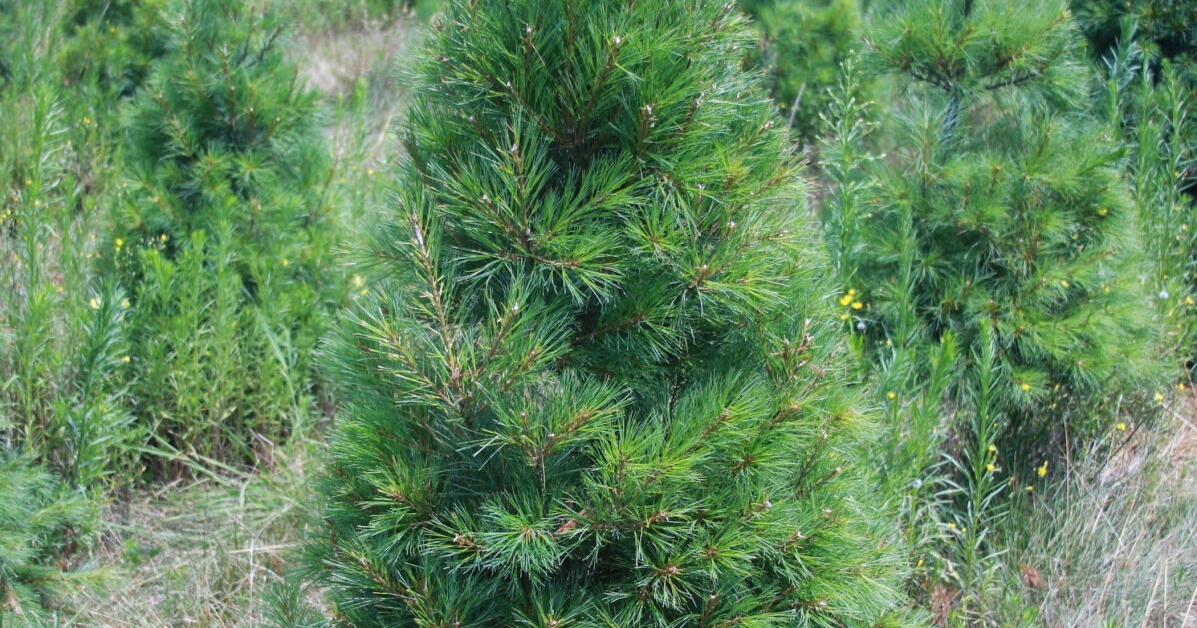
If you decided to select a pre-cut tree, pick one of the freshest you can find. Fresh needles bend easily. When the trees have dried out, their needles will snap.

Once you have your tree home, it’s a good idea to saw off about one inch from the bottom of the tree. After doing this, place the tree in a container of water. If it will be a few days before you bring it in to decorate, store it in a cool place such as your garage.

When you do bring it inside, be sure you place the tree in a stand that will hold some water. Keeping your tree dry should help minimize any fire hazard with the tree.

Another way to minimize the risk of fire is to locate the tree away from heat sources such as a heater vent or especially the fireplace. And make sure your stand is of an appropriate size to keep the tree anchored in place because no one wants their tree to fall over.

Also, to help ensure a safe Christmas, only leave the tree lights on when a responsible person is home, and never leave the lights on if you are going to be away from the house. After Christmas, be sure to remove the tree before it gets overly dry. Good luck!


Robert Knight explains pecan harvesting at Knight Creek pecan farms.


You can get answers to all your gardening questions by calling the Tulsa Master Gardeners Help Line at 918-746-3701, dropping by our Diagnostic Center at 4116 E. 15th St., or by emailing us at mg@tulsamastergardeners.org