Property to Rent – Houses to Rent

Property to Rent – Houses to Rent

Property to Rent – Houses to Rent

I still remember the first time I went house hunting as a tenant. My expectations were high—I wanted a big kitchen, a little garden for weekend BBQs, and of course, rent that wouldn’t eat up half my paycheck. Let’s just say I quickly learned that the rental market doesn’t always care about your wish list. I toured at least a dozen properties before realizing that compromise is pretty much part of the deal.

Over the years, I’ve rented in different neighborhoods—some were gems, others… well, let’s just say I wouldn’t go back. Through trial and error, I picked up a lot about how to actually find good houses to rent, avoid sneaky landlord tricks, and make smart decisions so you’re not regretting it six months later. If you’re on the hunt for a house to rent, maybe my story and the little lessons I’ve picked up can save you some frustration.

Why Renting a House Feels Different from Renting an Apartment

When I first moved out, I thought renting a house would be the same as renting an apartment, just bigger. Nope. Renting a house comes with extra responsibilities—sometimes you’re expected to mow the lawn, shovel snow, or even maintain the gutters. I once had a landlord who reminded me every month about trimming the hedges, and honestly, I had no idea how to use hedge clippers.

But the upside is space. Houses give you room to breathe, more privacy, and often better parking (unless you end up on a tight street where you’re battling neighbors for a spot). Plus, if you’re renting with roommates or a family, it just makes sense to have the extra bedrooms.

The Mistakes I Made Looking for Houses to Rent

Let me confess—I’ve made just about every mistake in the book. The biggest one? Not reading the lease carefully. One time, I signed without noticing the “no pets” clause, and two weeks later I showed up with my rescue dog. You can imagine how that went.

Another mistake was rushing. I once jumped on a property because I was afraid it would get rented out fast. Turns out, there was a major plumbing issue the landlord “forgot” to mention. Within a month, my basement was flooded. After that, I made it a rule: never sign until you’ve checked the water pressure, opened every cupboard, and asked way too many questions.

Tips for Finding Houses to Rent Without Losing Your Mind

Here’s what I’ve learned the hard way:

  • Set a realistic budget. Don’t just think about rent—add utilities, internet, trash collection, and sometimes even yard maintenance. A house I rented once looked cheap at first, but the heating bill in winter was triple what I expected.
  • Location matters more than you think. I rented a house once that was cheap and spacious, but it was 45 minutes from work. The commute wore me down and cost me more in gas than I saved in rent.
  • Inspect everything. Check the windows, doors, plumbing, and even the cell phone signal inside the house. I once rented a place where my phone dropped calls constantly, which made working from home a nightmare.
  • Ask about responsibilities. Will you be in charge of mowing the lawn or does the landlord hire someone? One place I rented gave me a fine for letting weeds grow too tall—I didn’t even know that was a thing!

Negotiating Rent – Yes, You Can Try

Most people think rent is set in stone. But I’ve actually had some luck negotiating. In one case, the landlord wanted $1,500/month, but the place had been sitting vacant for a while. I offered $1,350 and promised to sign a one-year lease right away. He agreed. The trick is to be polite but firm, and back it up with reasons—like pointing out comparable listings in the area.

Sometimes you can’t lower the rent, but you can ask for extras. I once got my landlord to include Wi-Fi and lawn care just by asking. It never hurts to try.

The Red Flags to Watch Out For

There are definitely some shady landlords and sketchy properties out there. A few warning signs I’ve learned to recognize:

  • They avoid paperwork. If someone says “we don’t need a lease, just pay cash,” run. That’s not just risky, it’s illegal in most places.
  • The rent feels way too low. If it seems too good to be true, it probably is. I once toured a house that was super cheap—later found out it had black mold in the basement.
  • They won’t let you tour in person. Always see the property before handing over money. I almost got scammed by someone who refused to show the house but wanted a “deposit” upfront.
  • Maintenance delays. If it takes them weeks to answer your questions while you’re still a potential tenant, imagine how slow they’ll be once you’re locked in.

The Emotional Side of Renting a House

I’ll admit—house hunting can get exhausting. At one point, I started to feel like every decent rental was out of my league. I’d scroll through listing sites at midnight, wondering if I’d ever find a place that checked enough boxes. Then, out of nowhere, the right house would pop up.

There’s something satisfying about turning the key on move-in day, walking into a space that finally feels like yours (even if just for a while). I learned to celebrate the small wins—like finding a rental with a dishwasher after years of scrubbing dishes by hand.

Moving Into a Rented House – What I Learned the Hard Way

Moving in is another beast altogether. My biggest regret? Not documenting the condition of the property. When I moved out of one place, the landlord tried to keep my deposit for “damaged walls.” Thankfully, I had photos from move-in day showing the scuffs were already there.

Now, every time I move, I take a full set of pictures and videos. I also make sure to test appliances right away—nothing’s worse than discovering the oven doesn’t work the night before Thanksgiving dinner (yes, that happened).

Making a Rented House Feel Like Home

One of the hardest parts of renting is that you can’t always decorate the way you want. I once asked a landlord if I could paint the walls, and he looked at me like I’d asked to tear the place down. But there are tricks—peel-and-stick wallpaper, rugs, and even smart lighting can transform a place without breaking the lease rules.

My favorite hack is command hooks. They let you hang art, curtains, or even lightweight shelves without leaving marks. A little personal touch goes a long way in making a rental feel less temporary.

Why Renting Isn’t Throwing Money Away

I used to feel guilty about renting, like I was just throwing money down the drain instead of investing in a home. But over time, I realized renting has its perks. You’re not tied down, you don’t have to pay for major repairs, and you can move if your job or life changes.

One year, I had to relocate suddenly for work. Because I was renting, it was simple—I finished out the lease, packed up, and left. If I’d owned a house, selling it would’ve been a nightmare. Renting gave me flexibility, and sometimes that’s more valuable than building equity.

Lessons I’d Share With Anyone Renting a House

If I could go back and give my younger self advice, here’s what I’d say:

  1. Don’t rush. The right property will come along.
  2. Read every word of the lease, even the boring parts.
  3. Take photos and keep records—it might save your deposit.
  4. Always ask questions, even if they feel silly.
  5. Remember, it’s temporary. Don’t stress if it’s not perfect.

Final Thoughts

Finding the right property to rent—especially a house—can be stressful, messy, and even a little discouraging at times. But when you finally land a place that fits your budget and lifestyle, it’s worth it. Over the years, I’ve learned to approach renting with patience, curiosity, and a healthy dose of skepticism.

Houses to rent aren’t just about four walls and a roof—they’re about the little stories you collect along the way. From broken dishwashers to surprise rent negotiations, every rental has taught me something new. And who knows, maybe the next one will be the one that feels just right.

Frequently Asked Questions About Houses to Rent

  1. How do I find houses to rent in my area?

The easiest way is to start online. Websites like Zillow, Rightmove, or local rental platforms usually list available properties with photos, rent prices, and landlord details. Don’t forget to check Facebook groups, community boards, and word of mouth—some of the best deals never make it onto big listing sites.

  1. How much deposit do I need for a rental house?

Most landlords ask for a security deposit equal to one month’s rent, but in competitive areas it can be up to six weeks of rent. This money is usually refundable as long as you leave the house in good condition when moving out. Always make sure your deposit is placed in a registered tenancy deposit scheme if you’re in the UK, or held in a secure account if you’re renting elsewhere.

  1. What checks do landlords do before renting a house?

Typically, landlords will run a credit check, background check, and employment verification. They want to make sure you can pay rent on time and have a stable income. Some landlords also ask for previous landlord references. If your credit score isn’t great, offering a guarantor or larger upfront payment might help.

  1. Can I negotiate rent on a house?

Yes, you can. If the property has been on the market for a while, landlords are often open to negotiation. You might not always get a lower monthly rent, but you could ask for perks like free Wi-Fi, lawn maintenance, or even reduced pet fees. Always compare similar properties in the neighborhood so you have solid reasons for your offer.

  1. Are utilities included when renting a house?

It depends on the landlord and the lease agreement. Some rental houses include utilities like water, trash, or even internet, while others require tenants to pay everything separately. Always confirm before signing—hidden utility bills can make a “cheap” rental much more expensive.

  1. What should I check before signing a lease for a rental house?

Inspect everything! Test water pressure, check for damp or mold, and make sure appliances work. Ask about maintenance responsibilities like lawn care or snow removal. And of course, read the lease carefully—especially clauses about pets, guests, or early termination.

  1. How long are typical house rental agreements?

Most rental agreements are for 12 months, but some landlords offer 6-month or even month-to-month leases. If you need flexibility, ask upfront about shorter terms. Just keep in mind that shorter leases may come with slightly higher rent.

  1. Can I decorate a rented house?

Usually, you’re limited. Many landlords don’t allow painting or drilling holes, but temporary solutions like removable wallpaper, command hooks, and area rugs can transform the space without breaking the rules. Always get written permission if you want to make permanent changes.

  1. Is renting a house better than renting an apartment?

It depends on your lifestyle. Houses usually give you more space, privacy, and outdoor areas, while apartments can be cheaper and easier to maintain. If you’re renting with a family or need extra bedrooms, a house often makes more sense. But if convenience and lower costs are your priority, an apartment might be better.

  1. What happens if I break my lease on a rental house?

Breaking a lease usually means you’ll be responsible for paying rent until the landlord finds a new tenant, or you might lose your deposit. Some leases include an early termination clause with a set fee. Always read the terms carefully and, if needed, negotiate with your landlord—they may be willing to work with you if you communicate early.
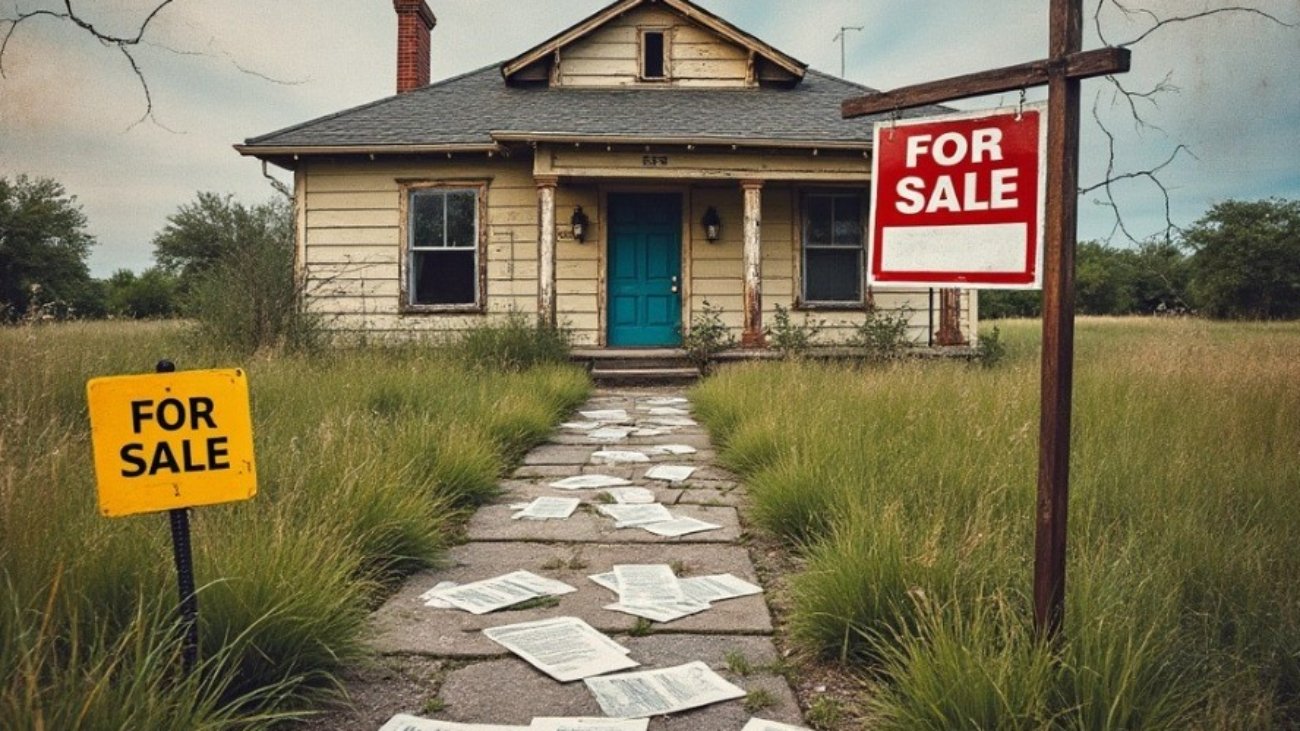

Selling a Distressed Home? What to Expect

Selling a Distressed Home? What to Expect

Selling a distressed home can be overwhelming and challenging. Whether the property is damaged, outdated, or in need of costly repairs, navigating the selling process requires careful planning and strategic decision-making. But with our buying process and a guideline for selling your house, you can simplify the experience using a hassle-free process. If you’re considering selling a distressed property, understanding the process and knowing what to expect can make the journey smoother and more profitable.

Understanding the Distressed Property Selling Process

The selling distressed property process involves selling a home in its current condition, without making any repairs or renovations. Distressed properties are typically in poor condition due to neglect, financial difficulties, or damage from natural disasters. As a result, they are often sold as-is, which means the buyer agrees to purchase the property in its existing state, regardless of any defects or issues.

One of the key aspects of selling distressed property is determining its market value. Unlike traditional homes, distressed properties are priced lower because of their condition and the cost of repairs needed. The distressed property market value is influenced by several factors, including the extent of damage, location, and current real estate trends. Understanding these factors is crucial to pricing a distressed home to sell quickly and attract the right buyers.

Selling as-is also means you won’t be responsible for fixing structural issues, cosmetic defects, or other maintenance problems. This can save you money on repairs and renovations, but it also means the property will likely sell for less than a fully renovated home. It’s important to set realistic expectations and understand the pros and cons of selling as-is before moving forward.

What to Know About Distressed Home Sales

Selling a distressed home is different from selling a traditional property. Because of its condition, the property may attract a different pool of buyers, including investors, house flippers, and cash buyers who specialize in purchasing homes in need of repair. These buyers are typically looking for properties they can renovate and sell for a profit, so they may make lower offers compared to traditional buyers.

One of the biggest challenges of selling distressed homes is finding the right buyer who is willing to take on the cost and effort of repairs. This is where working with real estate investors for distressed homes becomes beneficial. These investors purchase properties as-is, provide cash offers, and close quickly, allowing you to sell your house without the stress of repairs or renovations.

However, selling to investors may also involve negotiating the sale price, as they are looking to maximize their profit. Understanding the pros and cons of selling as-is can help you make an informed decision and avoid any surprises during the selling process.

Challenges of Selling Distressed Homes

Selling distressed properties comes with its unique set of challenges. One of the main difficulties is pricing a distressed home to sell. Because these properties are often in poor condition, they need to be priced competitively to attract buyers. Setting the right price requires a thorough understanding of the property’s market value and the cost of necessary repairs.

Another challenge is the limited pool of buyers. Traditional buyers typically look for move-in-ready homes, making it harder to sell distressed properties on the open market. Additionally, financing can be an issue, as many lenders are hesitant to approve mortgages for homes in poor condition. This limits your options to cash buyers or investors who can purchase the property outright without financing contingencies.

The condition of the property can also impact the timeline for selling distressed property. While cash buyers and investors can close quickly, finding the right buyer may take longer due to the limited pool of interested parties. It’s essential to be patient and prepared for potential delays during the selling process.

Preparing Distressed Homes for Sale

While selling as-is means you won’t be making any major repairs, there are still steps you can take to make the property more appealing to buyers. One of the most effective strategies is to clean and declutter the home. Removing personal belongings, debris, and trash can help buyers see the potential of the property and visualize how they would renovate or use the space.

Simple cosmetic improvements, such as cleaning windows, mowing the lawn, and fixing minor issues like leaky faucets or broken light fixtures, can also make a positive impression. While you don’t need to invest in expensive upgrades, addressing small details can help attract more buyers and potentially increase the property’s value.

Staging is not necessary for distressed properties, but providing accurate and detailed descriptions of the property’s condition is essential. Being transparent about the property’s issues builds trust with buyers and reduces the likelihood of disputes or negotiations later in the process. By preparing distressed homes for sale, you can increase your chances of receiving competitive offers and closing the deal quickly.

Distressed House Buyer Options

When selling a distressed property, you have several buyer options to consider. Cash buyers are one of the most popular choices because they purchase homes as-is and provide quick cash payments. These buyers are typically investors or house flippers who are willing to take on the cost and effort of renovations. By choosing distressed house buyer options that offer cash payments, you can close the sale quickly and avoid financing contingencies or delays.

Another option is selling to real estate investors for distressed homes. These investors specialize in buying properties in poor condition and renovating them for resale. They provide fair cash offers based on the property’s market value and condition, making them a reliable option for homeowners looking to sell quickly.

While traditional buyers are an option, they are less likely to purchase distressed properties because of financing challenges and the cost of repairs. If you choose to sell to a traditional buyer, be prepared for negotiations, inspection requests, and longer closing timelines.

Negotiating Distressed Property Sales

Negotiating the sale of a distressed property can be challenging, especially if the buyer is an investor or cash buyer looking for a bargain. To get the best price, it’s essential to be well-prepared and understand the property’s market value. This involves researching comparable properties in the area and considering the cost of necessary repairs.

When negotiating, be transparent about the property’s condition and set clear expectations with the buyer. It’s also helpful to be flexible with the closing date, as cash buyers and investors often prefer quick closings. By being open to negotiation and working with experienced buyers, you can secure a fair price and close the deal faster.

Your Path to a Stress-Free Home Sale

Selling a distressed home doesn’t have to be complicated or stressful. By choosing the right buyers and using a no-hassle home selling approach, you can navigate the selling distressed property process smoothly and efficiently. Whether you’re dealing with financial difficulties, relocating, or simply want a quick sale, selling as-is provides the speed and convenience you need.

At Cash out NH, we specialize in buying distressed properties in any condition. Our team of experts understands the challenges of selling distressed homes and is committed to making the process as smooth as possible. We provide quick cash offers and flexible closing dates to give you control over your next steps.

Take the first step today. Visit us and discover how easy it can be to sell your house fast for cash. Don’t wait until it’s too late—secure your financial future with a quick, stress-free home sale.

Fast Home Sales: Get a Cash Offer in 24 Hours

Fast Home Sales: Get a Cash Offer in 24 Hours

If you’ve ever thought about selling your home quickly, you know how overwhelming the process can feel. The traditional home selling process, with its long timelines and endless paperwork, can leave you feeling stressed and unsure. What if you could skip all the waiting and get a fair cash offer for your home in just 24 hours? Yes, that’s possible! In this blog, we’ll walk you through how a fast home sale works, why it’s the perfect solution for motivated sellers like you, and how you can receive an instant cash offer within a day.

The Struggles of Traditional Home Sales

The traditional route to selling your house often involves months of waiting. You list your property, clean and stage it for showings, and then hope the right buyer comes along. All this happens while you’re still paying for utilities, maintenance, and possibly even your mortgage. If you’re trying to sell quickly, waiting for weeks or months just doesn’t work. Plus, the traditional process also involves inspections, appraisals, and lengthy negotiations that can cause stress and uncertainty. And worst of all, there’s no guarantee that a sale will even go through.

But there is a faster, simpler way to sell your home—one that doesn’t involve endless waiting or hassle.

Get a Cash Offer in Just 24 Hours

Imagine this: within 24 hours of contacting us, you could have a fair, no-obligation cash offer for your home. With a quick home sale like this, there’s no need for agents, no open houses, no repairs, and no waiting for potential buyers to make up their minds. We understand that you need to sell property fast—whether it’s because of a life change, financial stress, or just because you’re ready to move on from your current home. The speed of a 24-hour offer provides the peace of mind you need to get back to focusing on what really matters.

Getting a cash offer for your house is simple and hassle-free. After providing some basic details about your home, we’ll quickly evaluate your property and present you with a fair offer. The best part? There’s no obligation to accept and no hidden fees. If you decide to move forward, we’ll schedule a closing date that works for you. No stress, no delays—just a quick, efficient sale.

How Our Buying Process Works: A Hassle-Free Experience

Selling a home can be complicated, but with our buying process, it doesn’t have to be. From the moment you reach out, we make it easy to sell your house quickly and stress-free. Here’s how it works:

  1. Reach Out: You provide some basic information about your property. Don’t worry about making repairs or cleaning up—our team is ready to buy your house as-is.
  2. Get Your Offer: After reviewing the details, we’ll make you a fair cash offer, often within 24 hours. It’s a no-obligation offer, so you can decide whether it works for you.
  3. Choose Your Closing Date: Once you accept the offer, we’ll help you set a closing date that fits your schedule. In many cases, we can close within a week, depending on your needs.

With no real estate agents or commissions, you won’t have to pay any extra fees. The cash offer you receive is what you’ll walk away with at closing.

Why Fast Home Sales Are the Best Option for Motivated Sellers

When you’re in a position where you need to sell property fast, there’s no better option than a quick, no-hassle sale. Motivated sellers often find themselves in difficult situations—whether it’s financial struggles, a pending foreclosure, or a relocation that requires a speedy sale. A fast home sale gives you the flexibility and peace of mind to move forward without waiting for months or worrying about additional costs.

Selling your house for cash means that you don’t have to deal with the usual hassles like repairs, cleaning, or showings. We buy houses as-is, so whether your home is in perfect condition or needs work, we’ll still make you an offer. It’s a great option if you want to avoid expensive repairs or don’t have the time or energy to deal with a traditional sale.

Additionally, a 24-hour cash offer means that you’re in control of your timeline. You won’t have to wait weeks for a potential buyer to secure financing or risk your deal falling through at the last minute. A fast sale means certainty and quick results.

Common Questions About Fast Home Sales

Here are some common questions we get from motivated sellers who are considering a fast home sale:

How quickly can I get an offer?
You can get a cash offer within 24 hours of reaching out. The process is quick, and once we have the details about your home, we’ll make you a fair offer.

Do I need to make repairs or clean my home before selling?
No! One of the biggest advantages of selling to us is that we buy homes as-is. You don’t need to spend money fixing anything or cleaning up.

What price will I get for my home?
The price you’ll receive is a fair cash offer based on the market value of your property. We assess the condition of your home and make you an offer that reflects its worth.

Are there any fees or commissions?
There are no hidden fees, commissions, or costs when you sell to us. The cash offer you receive is what you’ll get at closing—no surprises.

Is selling to an investor the right choice for me?
If you need to sell quickly, avoid repairs, and want a hassle-free process, then selling to an investor is the best option for you. It’s perfect for anyone looking for a quick, smooth transaction.

The Benefits of Selling Fast

The most obvious benefit of selling your house quickly is the speed. With a fast home sale, you can avoid the months of uncertainty that often come with a traditional sale. Whether you’re facing financial challenges, going through a divorce, or need to relocate for a job, selling quickly allows you to move forward with your life without the stress of an unsold property.

Another huge benefit is the lack of repairs or updates. If your home needs work, you might have considered fixing it up before listing it traditionally. That’s a time-consuming and costly process. With us, you don’t need to make any repairs or even clean up—just accept the offer, and you’re done.

Finally, a fast sale gives you control. You set the timeline, and the sale happens when it’s most convenient for you. No more waiting, no more stress, just a simple, straightforward process.

Get Your 24-Hour Cash Offer Today

Ready to sell your house fast and move on with your life? We buy homes in any condition, and we’re here to help you get a fair cash offer in 24 hours. Forget the waiting, the repairs, and the uncertainty of a traditional home sale. Let us make selling your home fast, easy, and hassle-free.

Visit us to get your cash offer and start the process. Pete Buys Homes is here to make your sale quick and smooth. Don’t wait—get your 24-hour cash offer today!

Sell Fast or Renovate? Making the Right Choice

Sell Fast or Renovate? Making the Right Choice

When preparing to sell your home, you may find yourself facing a common dilemma: Should you invest in home renovations to maximize property value or sell fast and avoid the hassle of costly upgrades? This decision can significantly impact your financial outcome and selling strategy. Both options have their pros and cons, and the right choice depends on several factors, including the real estate market, buyer appeal, and your financial considerations. To help you make an informed decision, this guide explores the benefits and drawbacks of selling fast versus renovating, along with a cost-benefit analysis to determine the best approach for your unique situation.

The Pros and Cons of Selling Fast

Opting for a quick sale is an attractive option for homeowners looking to avoid the stress and expense of renovations. One of the most significant advantages of selling fast is the convenience it offers. You can sell your house as-is without worrying about repairs, upgrades, or lengthy renovations. This option is ideal for homeowners who need to relocate quickly, are dealing with financial difficulties, or simply want to avoid the hassle of home improvement projects.

Another benefit of a quick sale is the certainty it provides. By selling to cash buyers or real estate investors, you can receive a fair cash offer and close on your timeline. This eliminates the uncertainty of waiting for traditional buyers to secure financing or negotiate repairs. It’s an effective strategy for motivated sellers who prioritize speed and simplicity.

However, selling fast may come with a trade-off in terms of property value. Homes sold as-is are typically priced lower than fully renovated properties. Buyers may perceive as-is homes as needing repairs or updates, which can reduce their market appeal. Therefore, it’s essential to weigh the convenience of a quick sale against the potential financial considerations of selling at a lower price.

The Benefits and Drawbacks of Renovating Before Selling

Home renovations can increase property value and attract more buyers, leading to a higher selling price. By updating key areas like the kitchen, bathroom, or curb appeal, you enhance the home’s buyer appeal and create a market-ready home that stands out in a competitive real estate market. Strategic renovations also allow you to address any functional issues, making the property more desirable and move-in ready.

However, renovating before selling requires a significant investment of time, money, and effort. Depending on the extent of the upgrades, renovation costs can add up quickly, impacting your overall profit margins. Additionally, unforeseen expenses or delays can complicate the selling process, leading to longer market times.

It’s also essential to understand that not all renovations provide a high return on investment. Overly personalized upgrades or luxury features may not resonate with all buyers, limiting the return. Therefore, it’s crucial to focus on cost-effective improvements that align with current buyer preferences and provide the best return on investment.

Conducting a Cost-Benefit Analysis

One of the most effective ways to decide between selling fast or renovating is to conduct a cost-benefit analysis. This involves comparing the potential renovation costs against the expected increase in property value to determine whether the investment is worth it.

Start by researching the real estate market in your area. Look at comparable properties that have recently sold to see how renovations impacted their selling price. This information gives you a realistic idea of how much value specific upgrades can add.

Next, obtain detailed estimates for the renovations you’re considering, including materials, labor, and permits. Don’t forget to factor in unexpected expenses that may arise during the remodeling process. Compare these costs to the potential increase in property value to calculate your profit margin.

For example, if a kitchen remodel costs $15,000 but increases the home’s value by $20,000, the profit margin is $5,000. However, if the costs exceed the expected value increase, it may be more profitable to sell your house/cash offer without renovating. This cost-benefit analysis helps you make an informed decision that maximizes your financial outcome.

Understanding Buyer Appeal and Market Trends

A key factor in deciding whether to renovate or sell fast is understanding buyer appeal and current real estate market trends. Today’s buyers prioritize functionality, energy efficiency, and low-maintenance features. Updated kitchens, modern bathrooms, and open floor plans are highly desirable, as they offer both style and convenience.

However, not all buyers are looking for luxury finishes or extravagant upgrades. Most buyers prefer clean, neutral, and move-in-ready homes that allow them to personalize the space to their tastes. Therefore, it’s essential to strike a balance between style and practicality.

Researching comparable properties in your area helps you understand what buyers are looking for and how much they’re willing to pay for specific features. By aligning your renovations with local market demands, you can create a market-ready home that attracts more buyers and sells faster.

High-ROI Renovations That Enhance Buyer Appeal

If you decide to renovate before selling, focus on high-ROI renovations that enhance buyer appeal and provide the best return on investment. These strategic upgrades increase property value while making the home more attractive to potential buyers.

Curb Appeal Enhancements

First impressions matter, and curb appeal plays a crucial role in attracting buyers. Simple landscaping updates, such as mowing the lawn, trimming hedges, and planting colorful flowers, create a welcoming atmosphere. Repainting the front door and updating the exterior lighting adds a touch of style and security.

Minor Kitchen Updates

The kitchen is often the heart of the home and a top priority for buyers. Fortunately, you don’t need a complete remodel to make a big impact. Minor kitchen updates provide a high return by enhancing functionality and style. Repainting or refacing cabinets in neutral tones gives the kitchen a fresh, modern look. Updating cabinet hardware, installing new light fixtures, and adding a modern backsplash enhances the overall appeal.

Fresh Paint and Flooring

A fresh coat of paint instantly refreshes a room, making it look clean, bright, and inviting. Opt for neutral colors like soft grays, beiges, and whites, as they appeal to a broad range of buyers. Flooring is another impactful upgrade that influences buyer perception. Consider cost-effective options like vinyl plank, laminate, or engineered hardwood for a modern look.

Ready to Decide? Make the Best Choice for Your Situation

Choosing between a quick sale and renovating depends on your unique circumstances, financial goals, and the current real estate market. If you need to sell fast without the hassle of renovations, consider selling as-is. But if maximizing property value and attracting more buyers is your priority, strategic renovations can provide a strong return on investment.

Ready to Sell Fast or Thinking About Renovating? We’ve Got You Covered

Whether you want to sell quickly without the hassle of renovations or are considering strategic upgrades for maximum value, Peerpoint Property Solutions is here to help. We buy houses in any condition, offering a fair cash offer and flexible closing options. Make the right choice with confidence. Visit us and explore the easiest way to sell your house—on your terms.

Stop Foreclosure: Sell Your Home in Days

Stop Foreclosure: Sell Your Home in Days

Foreclosure is a stressful and overwhelming experience for any homeowner. When facing the possibility of losing your home, time is not on your side. However, there are effective ways to avoid foreclosure and protect your financial future. By understanding our buying process and following a guideline for selling your house, you can navigate this challenging situation with a hassle-free process. One of the most effective strategies is to sell home fast to stop foreclosure. Here’s how you can do it in just days.

Why Selling Fast is Crucial to Stop Foreclosure

When foreclosure is looming, acting quickly is essential. Every day that passes brings you closer to losing your home, damaging your credit score, and facing legal consequences. By choosing a quick home sale foreclosure solution, you can take control of your situation and prevent the negative impact of foreclosure on your financial future.

Many homeowners delay selling their homes because they believe the traditional process is too lengthy and complicated. However, with the right strategy, you can avoid foreclosure sell house fast and secure a fresh start. Whether you’re dealing with job loss, medical bills, or other financial setbacks, selling your house quickly allows you to move on without the emotional and financial burden of foreclosure.

Understanding Pre-Foreclosure Home Sale Options

Pre-foreclosure home sale options are designed for homeowners who are behind on their mortgage payments but have not yet entered the foreclosure process. By selling your property before foreclosure proceedings begin, you can pay off your mortgage balance and avoid the long-term consequences of foreclosure. This approach not only protects your credit score but also allows you to retain any equity you’ve built in your home.

Choosing to sell property quickly foreclosure helps you avoid the legal complexities and emotional stress of foreclosure. It also gives you the flexibility to negotiate the best possible price for your home. By acting quickly and exploring pre-foreclosure home sale options, you can stop foreclosure last minute and regain control over your financial future.

The Power of Cash Buyers in Stopping Foreclosure

One of the fastest and most effective ways to stop foreclosure is by selling to cash buyers. Cash buyers foreclosure help is ideal for homeowners who need to sell house in days foreclosure without the delays of traditional home sales. These buyers provide a straightforward process with no financing contingencies or lengthy negotiations, allowing for fast closing home foreclosure rescue.

Cash buyers purchase homes as-is, eliminating the need for repairs, inspections, or appraisals. This hassle-free approach speeds up the selling process and ensures a guaranteed sale. By choosing cash buyers, you can avoid foreclosure sell house fast and receive a fair cash offer within days. This immediate solution not only saves you time but also protects your credit score from the negative impact of foreclosure.

Working with cash buyers also allows you to avoid realtor commissions and closing costs, maximizing your profit from the sale. Whether you’re facing financial difficulties or simply want a quick and efficient sale, cash buyers provide the flexibility and convenience you need to move on with confidence.

Selling Your Home in Days: How It Works

Selling your home in days may seem impossible, but it’s entirely achievable with the right approach. The key is to choose a quick home sale foreclosure solution that prioritizes speed and simplicity.

The process begins by requesting a cash offer from reputable buyers specializing in foreclosure properties. These buyers assess your property’s condition and provide a fair cash offer within days. Once you receive the offer, you can review the terms and decide if it meets your expectations without any obligations or hidden fees. If you accept the offer, you have the flexibility to choose the closing date that works best for you. This allows you to sell house in days foreclosure and move on with your next steps seamlessly.

The closing process is quick and straightforward, ensuring you receive the cash payment on the chosen closing date. This approach allows you to stop foreclosure fast and secure your financial future without the stress and uncertainty of traditional home sales. It’s the most effective way to sell home fast to stop foreclosure and protect your credit score from long-term damage.

Working with Real Estate Investors to Stop Foreclosure

Real estate investors foreclosure help is another effective option for homeowners facing foreclosure. These investors specialize in buying distressed properties and providing fast closing home foreclosure rescue solutions. They have the resources and expertise to handle complex foreclosure situations, ensuring a smooth and efficient sale.

Investors purchase homes as-is, eliminating the need for costly repairs or renovations. They also offer flexible closing dates, allowing you to sell property quickly foreclosure and avoid the legal consequences of foreclosure. Whether you’re looking for pre-foreclosure home sale options or need to stop foreclosure last minute, working with investors provides the flexibility and convenience you need to regain control of your financial situation.

This option is particularly beneficial for homeowners who want to avoid the emotional stress of foreclosure or need to relocate quickly. It also allows you to sell house in days foreclosure without the hassle of traditional listings, appraisals, or financing contingencies.

We Buy Houses Foreclosure Solutions: A Guaranteed Sale

We buy houses foreclosure solutions provide a guaranteed sale with no delays or uncertainties. These companies specialize in purchasing homes in any condition and closing quickly, ensuring you receive a fair cash offer within days. By choosing this option, you can avoid foreclosure sell house fast and secure your financial future without the emotional toll of foreclosure.

We buy houses companies purchase properties as-is, so you don’t have to worry about repairs, cleaning, or staging. They also handle all the paperwork and legal processes, making the selling process seamless and stress-free. This approach allows you to sell house in days foreclosure and move on with confidence, knowing that the sale is guaranteed and the payment is immediate.

Selling to Stop Foreclosure: What You Need to Know

Selling your house in days is a practical and effective solution for stopping foreclosure. By choosing cash buyers or real estate investors who specialize in foreclosure properties, you can achieve a fast and hassle-free sale. This approach is particularly beneficial for homeowners who are behind on payments or facing financial difficulties. It allows you to stop foreclosure fast without the stress of traditional home sales.

If you owe more than your house is worth, you can still sell your house quickly. Some buyers are willing to negotiate with lenders to find a solution that works for all parties involved. This option allows you to stop foreclosure fast home buyers without any financial burden. It’s essential to work with reputable buyers who specialize in distressed properties and provide foreclosure prevention home sale solutions. These buyers have the experience and resources to close quickly and provide fair cash offers tailored to your situation.

Your Path to a Fresh Start

If foreclosure is looming, it’s crucial to act quickly and explore all available options. From quick home sale foreclosure solutions to cash buyers foreclosure help, there are multiple ways to protect your home and financial future. By taking proactive steps and choosing the right strategy, you can stop foreclosure and regain control of your life.

At Pro Buyer Haven, we specialize in helping homeowners find the best solutions for their unique situations. Whether you need to sell your house fast or explore other foreclosure prevention home sale options, we’re here to guide you every step of the way.

Take the first step today. Visit us and discover how easy it can be to sell your house fast for cash. Don’t wait until it’s too late—secure your financial future with a quick, stress-free home sale.

Could Zillow or Redfin buy up all the homes — or the whole real estate market?

Could Zillow or Redfin buy up all the homes — or the whole real estate market?

Anything can be done online. Some tech companies, like Zillow and Redfin, think they can even buy and sell houses online, and are dreaming of becoming the Amazon of what has come to be known as ‘‘iBuying.” But they’re finding out that buying and selling assets worth hundreds of thousands of dollars is a bit harder as an online industry than buying and selling books.

Last week, Zillow made a startling announcement that it would stop buying homes for the rest of the year, self-reportedly due to a “backlog of renovations and operational capacity constraints” that it blamed on the supply chain issues plaguing the economy.

This news made a splash in the world of iBuying, a relatively new industry in which companies like Zillow, Redfin, OfferUp, and Opendoor allow homeowners to avoid the tedious process of listing and staging homes by selling directly (and quickly) to them. But it also caught traction on TikTok where Sean Gotcher, a Las Vegas real estate agent, posted a video with Zillow’s news laughing at the company’s troubles.

Gotcher had already achieved the sort of brief internet fame one can most easily get on TikTok when he posted a video in September that has now received more than 3 million views. In it, he insinuates that iBuyer companies are manipulating the market by intentionally overpaying for some homes in order to sell others that they’ve already bought in nearby areas for a higher price.

While some of Gotcher’s claims are far-fetched and verge on conspiracy theories (and since real estate agents directly compete with iBuyers, you should take claims either entity makes about the other with a grain of salt), the video went viral because it struck at the heart of a growing fear that housing is becoming less like shelter and more like a risky financial asset traded on Wall Street. This anxiety is not new but has become electrified over the course of the pandemic as a hot housing market and a historic undersupply of housing have locked out young and first-time homebuyers. Earlier this year, fears that BlackRock and other institutional investors were responsible for current market conditions were rampant despite a lack of evidence for the claim.

iBuyer companies make up a very small share of the market — roughly 1 percent of home sales in the second quarter of 2021, at what is their peak so far — but it’s important to take concerns about their growth seriously. While iBuyers contend that they are offering a clear solution to reducing the stress of the home-selling process, US policy has predicated financial security on homeownership, and the introduction of large firms into the space raises fears of potential anti-competitive and predatory behavior.

The Amazon of real estate?

The process of selling a house is stressful, to say the least. On top of the general concern —about getting the best price for the most expensive thing you have ever owned and in which you have likely already invested tens of thousands of dollars and countless hours — is all the logistical stuff. As a part of staging the house, sellers may have to do front yard work, repaint the interior and exterior, replace the carpets, hire a professional photographer for the listing, keep the interior clean in preparation for showings, figure out where to take the home’s dogs and children when there are showings, hire a real estate agent, the list goes on.

This doesn’t even include trying to time your home sale to coincide with the move-in date of your new home or city. Often, people will need to have sold their home in order to buy a new one, which means there can be additional transaction costs there too if you have to put all your things in storage and live at a family member’s place or a rental while you look for your new home.

This is the problem iBuyer companies say they are looking to solve. Instead of having to go through the hassle of this entire process and potentially incur some costs, homeowners can take an iBuyer’s offer — and then the company does the work of staging, listing, and selling the house to someone else.

There are are a couple of ways these companies can turn a profit: first, the difference between what they purchased the home for and what they are able to sell it for (minus any costs for renovations, upkeep, and selling), and second, the fees they charge homeowners to sell the property.

Whether any of them are actually turning a profit is a whole other matter.

iBuyers are growing quickly. According to University of Colorado Boulder’s scholar-in-residence Michael DelPrete, in 2018 iBuyer companies made up roughly 0.2 percent of the market; in 2019, his numbers show that iBuyers accounted for roughly 31,000 purchases or 0.5 percent of the U.S. market. According to research by Zillow, in Q2 of this year iBuyers’ market share reached 1 percent for the first time.


Two people stand in the side yard of a single-story house and look up at its roof.


Employees of Zillow Offers evaluate a home for possible purchase by Zillow in Lauderhill, Florida, in August 2019.
Joe Raedle/Getty Images


But according to research by DelPrete, the profit margins in this industry are narrow. Looking at this past quarter, Opendoor and Zillow were posting net losses (-$144 million and -$59 million, respectively). While Offerpad did post a profitable quarter ($9 million), DelPrete notes that “the overwhelming majority of profits are coming from record home price appreciation, which is temporary, and appears to be falling.”

Though these numbers are small in the context of the national housing market, iBuyers have historically been relatively concentrated in specific regions like the Sun Belt where there’s more new single-family construction, since it’s easier to accurately price new, relatively similar homes. In 2019, DelPrete’s research showed that in the largest iBuyer market, Phoenix, they’d reached a 5.5 percent market share. However, Zillow data from Q2 of this year indicates that that number hasn’t shifted much with market share at 5.7 percent in Phoenix. Other cities with a relatively high share include Atlanta (5.3 percent), Charlotte (5.3 percent), and Raleigh (5.0 percent).

Redfin, despite expanding its iBuying business, is still heavily committed to its traditional real estate model. In a statement, Jason Aleem, vice president of RedfinNow (the iBuying arm of Redfin) said: “Part of what makes RedfinNow different is our ability to educate sellers on all of their options in a single conversation. … Many are drawn to the certainty of our competitive cash offers, but those who still want to list on the open market for the lowest fee can do that with a local Redfin agent.”

But are these companies big enough to manipulate the market?

Taking concerns about market manipulation seriously

Despite Gotcher’s TikTok video claims, I’m very skeptical that iBuyers could manipulate the market to systematically undercut homeowners on the initial price of their homes and then set higher prices when they return to the market.

Take the first part of that plan — to systematically buy homes for less than they’re worth. There’s simply too much competition to be able to do that reliably. For one, there are other iBuyer companies that compete against one another. They find themselves in bidding wars with the other companies not infrequently, and some research indicates that the price they’re willing to pay is going up faster than the rest of market. And it’s not just iBuyers competing against one another — there are also thousands of real estate agents who would be happy to sell your home for you.

These companies simply don’t have the power to consistently drive up prices on homes they sell. Let’s break down exactly what would have to happen for an iBuyer to be able to do something like that. First, they would need to buy a significant number of homes within a given market. What a market is is up for debate, but you’d need to get enough market share to shift prices — courts have defined monopoly power as greater than 50 percent. To emphasize how far away iBuyers are from this, in the markets where they are most active that have achieved roughly 5 percent of sales, not even all the homes, just the ones that are selling. And that’s all iBuyers, not one specific company.

But that’s not even the hard part. The hard part would be that they’d need to hold onto the homes until they’d achieved a high enough market share. iBuyers are usually putting houses back on the market in a matter of a few months. They’d need instead to pay upkeep costs, property taxes, and take on the huge risk that all the homes that they are holding onto within a given area don’t tank in value because of something unrelated like an economic downturn or changing living preferences or a hurricane.

This strategy quite evidently has some major downside risks. There’s only so much that even a regionally monopolistic firm would be able to charge before people would choose to live elsewhere.

It would also require that these companies can accurately price homes. Failing to accurately build an algorithm is very costly — Bloomberg reported that when Zillow “tweaked the algorithms that power its home-flipping operation to make higher offers … it had to stop making new offers” after winning too many bids. The market is appreciating more slowly than earlier this year, which means when you take into account the renovation costs and selling costs, Zillow could end up selling those homes at a loss.

It seems as though iBuyers are not resting their business model on selling homes. Instead, as the Wall Street Journal reports, they’ve “been clear that their businesses are built to mostly make money off of ancillary services like mortgage, title insurance and escrow.”

But not all the worries about these firms’ power can be brushed away easily.

To start an iBuying company, you need to be able to raise a lot of money. That means it’s hard for new competitors to join the market. It costs hundreds of millions of dollars in order to be a serious competitor — you have to be able to buy a lot of homes, hire contractors to do the necessary renovations, and also have all of the employees and independent agents to sell the homes as well. That doesn’t even include all the work needed to accurately build an algorithm that prices the homes accurately.

It’s possible that iBuyers could have downstream effects not just on homebuyers, but renters too: They’re not just putting the homes on the market for regular people to buy; they are often selling directly to institutional investors (like private equity firms) instead. According to Desiree Fields, assistant professor at UC Berkeley, there is a “growing role for iBuyers” observed in institutional investor activity in the market. She cites reporting from Business Insider that one CEO expects that up to 20 percent of homes his firm is buying for an institutional investor will come from iBuyers.

While the impact of institutional investors is contested, Fields says that these firms are more likely to pursue eviction than smaller landlords and some even practice predatory “serial eviction filings,” a tactic that disempowers tenants from “reporting problems to their landlords and fosters housing insecurity by adding late fees, attorney fees, and other costs to rent arrears.”

The bottom line: iBuyers are providing a service. It’s not clear they’ve really figured out how to make money. Understanding it as a fledgling industry in need of oversight rather than a behemoth manipulating the housing market is important to understand where the power really lies: in the hands of regulators.

Whether iBuyers end up being an option for homeowners or usher in an institutional investor frenzy that harms renters too is a regulatory question.

First, the underlying reason that home prices have skyrocketed is because of historic undersupply. Experts are clear that issue is largely the result of exclusionary zoning laws that have made it impossible to build sufficient homes to meet demand, and in particular demand for starter homes for first-time homebuyers and lower-income homebuyers. Because there is artificially constrained supply, investors hungry for quickly appreciating assets have turned to the housing market.

Second, lack of protections for low-income tenants was an emergency long before iBuyers or institutional investors ever became a presence in the American housing market. While this past year has pushed governments to be more willing to enact tenant protection measures like eviction moratoria and rent relief, tenants often lack basic protections from landlords who openly flout even the few laws that are enacted, due to lack of consistent enforcement.

People aren’t irrational to fear what increased investor activity in housing could mean. But it’s important to accurately diagnose what’s going on here and the actual range of potential harms. If not, the policy solutions designed by the government could fail to protect the people who need it the most.