Home Interior Wall Sconces: Stylish Lighting Ideas for Every Room

Home Interior Wall Sconces: Stylish Lighting Ideas for Every Room

Home interior wall sconces are one of those design details that can completely transform a room without requiring a major renovation. They provide practical lighting, add visual interest, and create a warm atmosphere that makes a home feel more inviting. Whether you prefer modern minimalism, classic elegance, rustic charm, or a luxurious contemporary style, the right wall sconces can help bring your interior design vision to life.

I used to think that ceiling lights and table lamps were enough to make a room look finished. However, wall lighting offers something different because it adds light at eye level, highlights architectural features, and creates depth that overhead fixtures often cannot achieve on their own.

The best part is that wall sconces work in almost every area of the house. You can install them beside a bedroom headboard, above a bathroom vanity, along a hallway, or next to artwork in your living room. With the right placement and design, these fixtures become both functional lighting and decorative accents.

In this guide, we will explore different home interior wall sconce ideas, explain how to choose the right fixtures, and share practical tips for creating a comfortable, stylish, and well-lit home.

What Are Home Interior Wall Sconces?

Wall sconces are lighting fixtures mounted directly onto walls. Depending on their design, they can direct light upward, downward, outward, or in multiple directions.

Unlike table lamps, sconces do not require furniture to support them. This makes them especially useful in compact rooms, narrow hallways, and areas where you want to keep surfaces clear.

Wall sconces are available in many styles, including modern metal fixtures, traditional candle-inspired designs, glass globe lights, fabric-shaded sconces, and adjustable reading lamps.

Some fixtures provide soft ambient lighting, while others offer focused illumination for reading, grooming, or displaying decorative objects.

Why Wall Sconces Are Worth Considering

Wall sconces offer several advantages for home interiors:

  • Save space: They free up nightstands, side tables, and console tables.
  • Create ambiance: They provide softer lighting for relaxing evenings.
  • Improve visual balance: They can frame furniture, mirrors, beds, and artwork.
  • Highlight architectural details: They draw attention to textured walls, decorative molding, or feature walls.
  • Add personality: Their materials, shapes, and finishes contribute to your home’s overall style.

I especially like wall sconces in rooms where the lighting feels too harsh or flat. Adding a pair of warm wall lights can make the space feel more layered without filling it with additional furniture or decorations.

1. Modern Minimalist Wall Sconces

If you love clean lines and uncluttered interiors, minimalist wall sconces are an excellent choice. These fixtures usually feature simple geometric shapes, neutral colors, and understated materials.

Look for slim cylindrical lights, rectangular LED fixtures, or small metal sconces with a matte finish. Black, white, brushed brass, and soft gray are popular choices for contemporary interiors.

Minimalist sconces work particularly well in modern bedrooms, living rooms, home offices, and hallways. Their simple appearance allows other design elements, such as furniture, artwork, and textured walls, to remain the main focus.

For a cohesive look, match the finish of your sconces with other details in the room. For example, black sconces can complement black cabinet handles, window frames, or furniture legs.

However, matching every finish is not necessary. A small contrast can make the design feel more intentional and less predictable.

2. Elegant Brass Wall Sconces for a Luxurious Interior

Brass wall sconces can bring warmth and sophistication to a home. Their golden tones look especially attractive against cream, beige, deep green, navy, and charcoal walls.

For a luxurious bedroom, consider installing brass sconces on either side of the headboard. Choose fixtures with white glass shades or frosted globes to soften the light and create a relaxing atmosphere.

In a living room, brass sconces can highlight a fireplace, decorative mirror, or artwork. They also work beautifully in transitional interiors that combine traditional furniture with contemporary finishes.

When selecting brass fixtures, pay attention to the finish. Polished brass creates a brighter, more glamorous appearance, while brushed or aged brass offers a softer, more understated effect.

One practical tip is to coordinate brass lighting with only a few other accents. A brass mirror frame, cabinet pull, or decorative tray can be enough to create a consistent look without making the room feel overly metallic.

3. Bedroom Wall Sconces for a Cozy Retreat

Bedrooms are among the best places to use wall sconces because lighting has a significant effect on comfort and relaxation.

Instead of placing lamps on both nightstands, mount sconces beside the bed. This arrangement saves surface space and gives the bedroom a neat, balanced appearance.

For a symmetrical design, install matching fixtures on either side of the headboard. If you prefer a more eclectic interior, choose complementary sconces with similar finishes but slightly different shapes.

Best Wall Sconce Styles for Bedrooms

Consider these options:

  • Adjustable reading sconces: Ideal for reading in bed without illuminating the entire room.
  • Fabric-shaded sconces: Create a soft, traditional appearance.
  • Globe sconces: Add a contemporary touch with rounded shapes.
  • Up-and-down LED sconces: Produce decorative light patterns on the wall.
  • Swing-arm sconces: Allow you to direct the light where it is needed.

For a comfortable bedroom, look for warm-white lighting, often around 2700K to 3000K. This color temperature generally creates a softer atmosphere than cooler, bluish lighting.

Placement is just as important as style. Position reading lights so they illuminate your book without shining directly into your eyes, and check that switches are easy to reach from the bed.

4. Living Room Wall Sconces That Create Ambiance

The living room is where wall sconces can make a particularly noticeable difference. They add another layer of lighting, helping the space feel inviting during evenings, movie nights, and casual gatherings.

Rather than relying entirely on a central ceiling light, combine wall sconces with floor lamps, table lamps, and indirect lighting. This layered approach gives you more control over the room’s atmosphere.

For a contemporary living room, consider sculptural sconces with curved metal arms or simple geometric forms. For a traditional space, fabric shades and antique-inspired finishes may feel more appropriate.

Wall sconces also work well beside fireplaces, built-in shelving, and large pieces of artwork. When placed thoughtfully, they can draw attention to these features without overpowering the room.

How to Position Sconces in a Living Room

The correct height depends on the ceiling, fixture size, furniture arrangement, and desired lighting effect. A common starting point is approximately 60 to 66 inches from the floor to the center of the fixture, although adjustments may be necessary.

Avoid positioning a sconce where its bulb creates glare while someone is sitting on the sofa. If the fixture is intended to highlight artwork, consider the beam direction and the distance between the light and the wall.

Dimmable fixtures are particularly useful in living rooms because you can adjust the brightness for different activities.

5. Bathroom Wall Sconces for Better Lighting

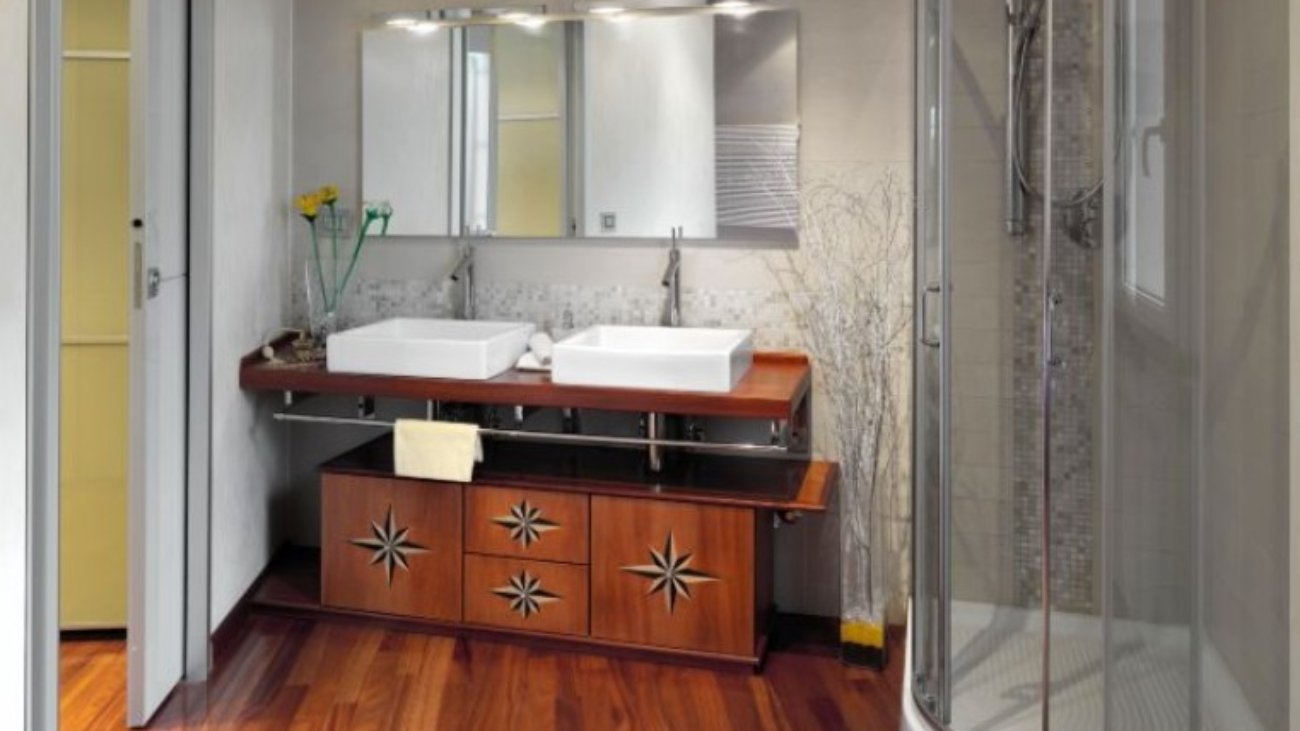
Bathroom wall sconces can improve both the appearance and functionality of your bathroom. They are especially useful around mirrors, where good lighting helps with shaving, makeup application, skincare, and other daily routines.

One popular arrangement is to install a sconce on each side of the bathroom mirror. This can illuminate the face more evenly than a single overhead light, which may create strong shadows under the eyes and chin.

For smaller bathrooms, compact vertical sconces can provide useful lighting without taking up too much visual space. In larger bathrooms, globe fixtures or elegant metal sconces can complement stone countertops, decorative mirrors, and contemporary cabinetry.

Choosing Bathroom-Safe Wall Lighting

Bathrooms contain moisture, so fixture selection requires extra care. Check the manufacturer’s damp-location or wet-location rating and follow local electrical requirements for the intended installation area.

The required rating depends on how close the fixture is to a shower, bathtub, or other water source. A fixture suitable for a dry hallway may not be appropriate near a shower.

Also consider the color rendering of the light. A high color-rendering index, such as CRI 90 or higher, can help skin tones and makeup colors appear more natural.

For most bathroom mirrors, a comfortable neutral-to-warm white light can work well, depending on your preferences and the room’s overall design.

6. Hallway Wall Sconces for a Welcoming First Impression

Hallways are often overlooked when planning home lighting. They may be narrow, lack natural light, or feel like empty passageways between more decorative rooms.

Wall sconces can solve several of these problems while making the hallway feel more thoughtfully designed.

Choose compact fixtures that do not project too far into the walking path. Slim up-and-down lights, small glass sconces, and understated cylindrical designs are practical options.

For a long hallway, repeat the same fixture at consistent intervals to create a sense of rhythm. The spacing should depend on the light output, beam spread, ceiling height, and the hallway’s length rather than following a fixed measurement.

In a short hallway, one carefully placed sconce may be enough to highlight a console table, mirror, or decorative wall.

If your hallway connects several rooms, use finishes that complement the lighting and hardware in nearby spaces. This helps the interior feel cohesive even when each room has its own personality.

7. Industrial Wall Sconces for an Edgy Interior

Industrial wall sconces are a great option for homes with exposed materials, dark accents, concrete finishes, or urban-inspired decor.

These fixtures often feature black metal, visible hardware, cage shades, and simple mechanical shapes. Some designs resemble traditional workshop lights, while others use modern LED technology to create a cleaner industrial look.

In a living room, industrial sconces can complement exposed brick, wooden shelving, or a dark accent wall. In a bedroom, adjustable metal sconces can add character while providing useful reading light.

You do not need an entirely industrial interior to make this style work. A pair of black metal sconces can create an attractive contrast in a room with white walls, light wood furniture, and soft textiles.

To avoid making the room feel too harsh, balance the metal finishes with warm materials. Natural wood, linen curtains, wool rugs, and upholstered furniture can soften the overall appearance.

8. Natural and Organic Wall Sconce Designs

If you prefer a calm, nature-inspired home, consider wall sconces made with natural-looking materials and organic shapes.

Rattan details, wooden accents, ceramic bases, linen shades, and softly curved silhouettes can create a relaxed atmosphere. These fixtures work especially well in Scandinavian, Japandi, coastal, and contemporary organic interiors.

Imagine a bedroom with warm white walls, oak furniture, textured bedding, and a pair of ceramic wall sconces. The lighting becomes part of the room’s natural palette rather than an isolated decorative feature.

For a living room, choose sconces with rounded shapes or subtle handmade details. Their imperfections and textures can add visual interest without making the room feel busy.

Keep in mind that the materials used in a fixture must be suitable for its installation location. Natural fibers and some decorative finishes may be inappropriate for damp environments or areas exposed to excessive heat.

9. Wall Sconces for Artwork and Feature Walls

Wall sconces can do more than illuminate a room. They can also draw attention to the parts of your interior design that deserve to stand out.

If you have a gallery wall, a large painting, or a decorative feature wall, consider using directional sconces to emphasize its details.

Picture lights are designed specifically to illuminate artwork, while adjustable wall fixtures can provide more flexibility. Some sconces produce a narrow beam, while others create a broad wash of light across the wall.

Before choosing a fixture, think about the artwork’s size, color, and material. Excessive heat or ultraviolet exposure can damage certain artworks, so select suitable LED fixtures and follow the artwork’s conservation requirements when necessary.

For textured walls, such as stone, brick, or decorative plaster, directional lighting can emphasize surface details through shadows. This technique is particularly effective when you want the wall itself to become a focal point.

A good rule is to test the lighting angle before final installation whenever possible. Small adjustments can significantly change the appearance of the wall.

10. Small-Space Wall Sconces That Save Room

Wall sconces are especially valuable in small homes, apartments, and compact bedrooms because they provide lighting without occupying valuable floor or tabletop space.

For example, a narrow bedside table may have room for a phone and a glass of water but little space for a lamp. A wall-mounted fixture solves the problem while keeping the furniture surface clear.

In a small living room, wall sconces can supplement floor lamps without crowding the walking area. In a compact entryway, a small fixture can add light without interfering with a coat rack or shoe cabinet.

Tips for Small Rooms

  • Choose fixtures that are proportionate to the wall and nearby furniture.
  • Avoid oversized shades that make narrow spaces feel crowded.
  • Use light-colored finishes when you want the fixtures to blend into the wall.
  • Consider adjustable arms when you need task lighting in multiple directions.
  • Use dimmers or compatible smart bulbs to adjust brightness for different activities.

Small rooms also benefit from consistent lighting styles. Using similar finishes in connected areas can help the home feel more spacious and visually organized.

11. Up-and-Down Wall Sconces for Dramatic Effects

Up-and-down wall sconces direct light toward both the ceiling and the floor. They are popular in contemporary homes because they create attractive patterns on the wall.

These fixtures can make a plain surface look more interesting without requiring wallpaper, artwork, or elaborate decoration.

Install them on a feature wall, in a hallway, or beside a staircase where their light patterns can be appreciated.

Home Interior for Bedroom: Beautiful Design Ideas for a Cozy and Stylish Space

Home Interior for Bedroom: Beautiful Design Ideas for a Cozy and Stylish Space

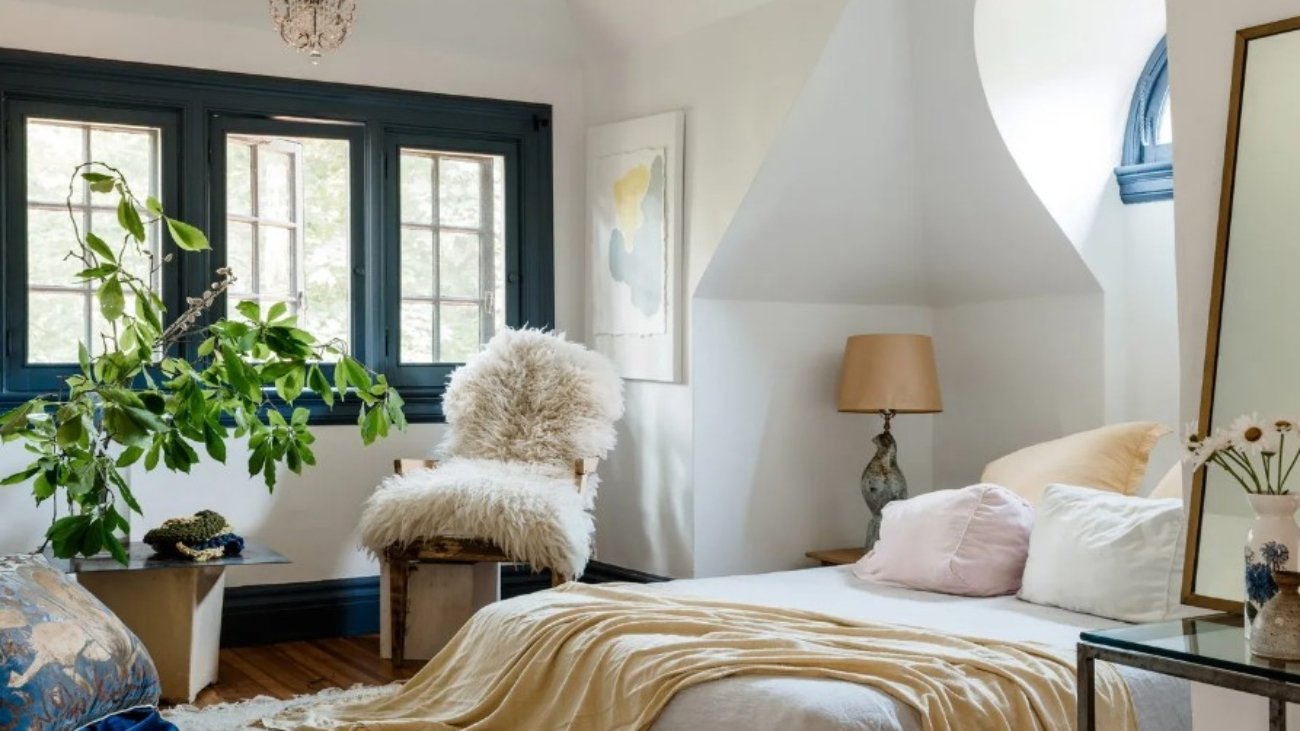
Your bedroom should be more than just a place to sleep. It’s your personal retreat, the room where you start your mornings, unwind after a long day, and enjoy a little peace away from the rest of the world. Creating a beautiful bedroom interior doesn’t necessarily mean buying expensive furniture or following every new design trend. Sometimes, a few thoughtful changes can make a remarkable difference.

I’ve always believed that a well-designed bedroom comes down to three things: comfort, functionality, and personal style. A beautiful bed is important, of course, but so are the lighting, wall colors, storage solutions, and little decorative details that make the room feel like yours.

If you’ve ever looked at a bedroom in a design magazine and wondered how to achieve something similar at home, you’re not alone. The good news is that you can borrow plenty of professional interior design ideas without spending a fortune.

In this guide, we’ll explore practical home interior ideas for bedrooms of different sizes and styles, from modern minimalist spaces to warm, luxurious retreats. You’ll also discover useful furniture arrangements, color combinations, lighting tips, and affordable decorating tricks to help you create a bedroom that looks attractive and feels comfortable every day.

1. Choose a Bedroom Interior Design Style

Before purchasing furniture or changing the wall color, decide what kind of atmosphere you want to create. Having a clear design direction helps you choose items that work together instead of ending up with a room full of beautiful pieces that don’t quite match.

Modern Minimalist Bedroom Interior

A modern minimalist bedroom focuses on simplicity, clean lines, and practical furniture. Instead of filling the room with decorations, this style uses a few carefully selected pieces to create a calm and organized environment.

Think of a low-profile bed, a simple nightstand, neutral walls, and hidden storage. White, beige, light gray, and muted green are popular colors for this look because they create a soft background without overwhelming the space.

One thing I like about minimalist bedroom design is that it encourages you to be selective. Rather than buying five decorative accessories, choose one framed artwork, a beautiful bedside lamp, or a textured throw blanket that makes the room feel finished.

Scandinavian Bedroom Design

Scandinavian interiors combine simplicity with warmth. Natural wood, soft textiles, comfortable furniture, and plenty of light are common features of this style.

A Scandinavian bedroom might include a light oak bed frame, white walls, cream bedding, and a textured rug. Add a few green plants or simple framed prints to bring personality into the space.

The trick is to avoid making the room feel too cold. If everything is white and smooth, introduce knitted blankets, linen curtains, woven baskets, or wood accents to create more depth.

Contemporary Luxury Bedroom

A luxurious bedroom doesn’t have to be enormous. You can create an elegant atmosphere in an ordinary-sized room by combining thoughtful lighting, quality-looking fabrics, balanced colors, and a strong focal point.

An upholstered headboard, layered bedding, matching bedside lamps, and full-length curtains can make a bedroom feel more refined. Colors such as warm beige, charcoal, cream, forest green, and muted gold are especially useful for this style.

If you’re decorating on a budget, focus on the bed first. Since the bed usually occupies the largest area of the room, an attractive headboard and neatly layered bedding can have more visual impact than several small decorative purchases.

Cozy Rustic Bedroom

Rustic bedroom interiors emphasize natural materials and a relaxed atmosphere. Wooden furniture, linen bedding, woven baskets, and earthy colors help create a space that feels warm rather than overly polished.

You might combine a wood bed frame with cream bedding, terracotta accents, and a soft bedside lamp. Natural imperfections in wood can add character, so you don’t necessarily need furniture that looks perfectly uniform.

This style works particularly well if you enjoy a farmhouse, cottage, or nature-inspired interior.

2. Select the Best Colors for Your Bedroom

Color has a major influence on how a bedroom looks and feels. The right palette can make the room appear brighter, create visual depth, and help the furniture and decorations feel connected.

Before choosing paint, consider the amount of natural light, the color of your flooring, and the furniture you already own.

Soft White and Cream for a Bright Bedroom

White and cream are reliable choices for bedroom walls because they create a clean, flexible background. These shades work well with almost any decorating style, from contemporary to traditional.

Pure white can sometimes look stark in a room with cool lighting. Warm white or cream may create a softer atmosphere, especially when paired with wooden furniture and neutral fabrics.

To keep the room from looking flat, combine several textures. For example, white walls, cream bedding, a woven rug, and light wood furniture can create a layered appearance without introducing many different colors.

Beige and Greige for a Warm Neutral Bedroom

Beige remains popular because it adds warmth while keeping the room relatively light. Greige, which combines gray and beige undertones, offers a slightly more contemporary alternative.

These colors work well with white curtains, oak furniture, black hardware, and soft green accents. They can also make it easier to update your bedroom later because many accessories coordinate with neutral walls.

Before painting the entire room, test a sample on the wall and look at it in morning, afternoon, and evening light. A beige that looks perfect in a store may appear much more yellow once it’s on your bedroom walls.

Sage Green for a Relaxing Bedroom

Sage green is a lovely option for homeowners who want a little color without creating a bold or dramatic interior. Its muted appearance pairs beautifully with cream, white, pale wood, and natural textiles.

You could paint all four walls sage green or use it on the wall behind the bed. If you prefer a subtle approach, introduce the color through pillows, bedding, or artwork.

A sage green bedroom can feel fresh and grounded, especially when you add natural materials and soft lighting.

Blue for a Calm and Stylish Bedroom

Blue is another versatile bedroom color. Pale blue can create a light, airy look, while navy blue adds depth and a more dramatic appearance.

For a balanced design, pair dusty blue walls with white bedding and light wood furniture. If you prefer darker blue, use cream textiles and warm bedside lighting to soften the contrast.

You don’t need to paint the entire room navy to enjoy this color. A dark blue headboard or accent wall can provide enough visual interest without making the whole bedroom feel heavy.

3. Design a Beautiful Bed and Headboard Area

The bed is usually the main focal point in a bedroom. Because it takes up so much visual space, designing the area around it is one of the most effective ways to improve the entire room.

Choose a Headboard That Matches Your Style

An upholstered headboard creates a soft, comfortable appearance and works well in modern or luxury bedrooms. A wooden headboard brings natural warmth, while a simple panel headboard can make a contemporary bedroom feel more structured.

If you’re working with a small budget, you don’t have to purchase an expensive bed frame. A simple bed with an attractive headboard can look stylish when paired with coordinated bedding and thoughtful lighting.

Make sure the headboard is appropriately sized for the bed and the wall. An oversized design can overwhelm a small room, while a very small headboard may look out of proportion behind a large bed.

Create a Decorative Accent Wall

The wall behind the bed is a natural place to add visual interest. You could use a contrasting paint color, decorative wallpaper, wood-look panels, or simple framed artwork.

For a modern bedroom, consider a muted green or warm beige accent wall. For a more luxurious look, vertical wall panels behind an upholstered headboard can add depth and texture.

Keep the rest of the room relatively simple so the accent wall remains the main feature. If you add patterned wallpaper, for example, choose bedding and curtains that complement it rather than compete with it.

Layer Your Bedding for a Hotel-Inspired Look

A hotel-style bed often looks inviting because it uses layers of coordinated fabrics. You can recreate the effect with clean sheets, a duvet or comforter, a folded throw blanket, and a few decorative pillows.

Start with two or three complementary colors rather than trying to match every item exactly. White bedding with beige cushions and a muted green throw, for example, creates a soft and sophisticated combination.

The bed should still be comfortable to use. Don’t add so many pillows that you need to move half of them every night just to get into bed.

4. Choose the Right Bedroom Furniture

Bedroom furniture should fit both your design style and your daily routine. A beautiful room becomes frustrating when drawers are difficult to open, walkways are too narrow, or there’s nowhere to put everyday items.

Select the Right Bed Size

Start by measuring the room and deciding how much space the bed can reasonably occupy. A king-size bed may feel wonderful, but it isn’t always the best choice for a compact bedroom.

Consider the room’s dimensions, the location of doors and windows, and the amount of space needed to move around the bed. Whenever possible, leave comfortable walking space around the bed and enough clearance to open wardrobes and drawers.

A queen bed can be a useful compromise for many rooms, while a twin or full bed may be more practical for smaller bedrooms or guest rooms.

Add Functional Nightstands

Nightstands provide convenient storage for items such as books, glasses, chargers, and bedside lamps. Matching nightstands create a symmetrical look, but different pieces can also work if they share similar colors or visual weight.

In a small bedroom, consider a narrow nightstand or a floating bedside shelf. These options can provide a useful surface without taking up as much floor space.

Keep the top relatively clear. A lamp, a small tray, and one personal item are often enough to create an attractive arrangement.

Include a Dresser or Wardrobe

Clothing storage is essential, but large furniture can quickly make a bedroom feel crowded. Measure the available wall space before buying a dresser or wardrobe, and check the depth of the furniture as well as its width.

Tall storage can be helpful when floor space is limited, provided the furniture fits safely and doesn’t obstruct doors or windows. Built-in wardrobes are another option for making efficient use of awkward corners or alcoves.

If your bedroom already has a large closet, you may not need a bulky dresser. Reducing unnecessary furniture can make the room feel more open.

5. Make a Small Bedroom Feel Bigger

Small bedrooms can be challenging because they need to accommodate sleeping, storage, and sometimes work or study activities. The solution isn’t always to remove everything; it’s to choose items that serve a purpose and arrange them carefully.

Use Light Colors and Simple Patterns

Light-colored walls, bedding, and curtains can help a small bedroom feel brighter. White, warm beige, pale gray, and soft green are all worth considering.

Large, busy patterns may dominate a compact room, so try smaller patterns or mostly solid fabrics. You can still introduce personality with a colorful cushion, framed print, or textured blanket.

Light colors don’t magically increase the room’s dimensions, but they can make the space feel less visually crowded.

Use Mirrors to Reflect Light

A mirror can make a bedroom feel more open by reflecting light and parts of the room. A full-length mirror on a wardrobe door or a wall mirror opposite a window may help brighten the space.

Choose a size and position that fit the room. Avoid placing a mirror where it creates uncomfortable glare from direct sunlight or reflects a cluttered corner you’d rather not emphasize.

Make sure wall-mounted mirrors are properly secured, especially above areas where people sleep or walk.

Choose Multi-Functional Furniture

Multi-functional furniture is particularly useful in compact bedrooms. A bed with drawers, an ottoman with storage, or a desk that doubles as a vanity can help reduce the number of separate pieces you need.

Under-bed storage boxes can hold seasonal clothing, spare bedding, or other items you don’t use every day. Use labeled containers so you can find what you need without pulling everything out.

Another practical option is a wall-mounted bedside shelf. It provides a place for essentials while leaving the floor beneath it clear.

6. Improve Bedroom Lighting

Lighting can change the entire mood of a bedroom. A single bright ceiling light may be enough to illuminate the room, but it often doesn’t provide the cozy atmosphere many people want at the end of the day.

A combination of ambient, task, and accent lighting gives you more flexibility.

Use Warm Lighting for a Cozy Atmosphere

Warm white lighting is often a good choice for bedrooms because it creates a softer appearance than very cool, blue-white lighting. Bulbs around 2700K to 3000K are commonly used when a warm residential atmosphere is desired.

Consider using a dimmable ceiling fixture or bedside lamps so you can adjust the brightness to suit different activities. Brighter light can be useful when cleaning or getting dressed, while lower light may feel more comfortable when relaxing.

Check the bulb’s brightness, measured in lumens, as well as its color temperature. Two bulbs can have the same color temperature but produce very different amounts of light.

Add Bedside Lamps or Wall Lights

Bedside lamps provide useful light for reading and other activities. Choose lamps that suit the height of the nightstands and the overall proportions of the bed.

Wall-mounted reading lights can save surface space in smaller bedrooms. If you choose this option, make sure the light is positioned comfortably for reading without shining directly into your eyes.

For a coordinated appearance, use matching lamps on both sides of the bed. Alternatively, choose different fixtures with similar finishes to create a more relaxed, collected look.

Use Accent Lighting Carefully

LED strips behind a headboard or beneath suitable furniture can add a modern decorative effect. Small accent lights can also highlight artwork, shelves, or architectural features.

Choose products designed for the intended installation and follow the manufacturer’s electrical and ventilation instructions. Avoid placing lights where they can overheat or come into direct contact with bedding and other combustible materials.

Accent lighting should complement the main lighting rather than replace it completely.

7. Select Curtains, Rugs, and Soft Furnishings

Soft furnishings help connect the furniture, wall colors, and decorative accessories. They also influence the comfort and visual balance of the room.

Choose Curtains That Suit the Room

Floor-length curtains can make a bedroom feel taller when the curtain rod is installed appropriately above the window. Light-colored curtains can help preserve a bright appearance, while heavier fabrics may provide better privacy and light control.

If you need a dark room for sleeping, consider blackout curtains or a combination of blackout lining and decorative outer curtains. Check the window dimensions carefully so the panels cover the opening adequately.

For a minimalist bedroom, plain linen-look curtains or simple neutral panels can work beautifully. Patterned curtains may be more suitable when the rest of the room is relatively understated.

Add a Comfortable Bedroom Rug

A rug adds texture and can help define the bed area. A larger rug positioned partly beneath the bed often creates a more connected look than a small rug floating in the middle of the floor.

Choose a rug size that fits the room and allows enough space around the furniture. If you have hardwood or tile flooring, a soft rug can also provide a more comfortable surface when getting out of bed.

Use a suitable nonslip rug pad to help keep the rug in place. This is particularly important in narrow walkways and rooms used by children or older adults.

Mix Textures for a Layered Look

A bedroom can feel flat when every surface has the same texture. You can create more depth by combining cotton bedding, a knitted throw, linen curtains, a woven basket, and wooden furniture.

You don’t need many colors to make this work. A neutral bedroom can look rich and inviting when the textures are varied thoughtfully.

Start with the largest textiles, such as bedding and curtains, then add smaller accents once the overall combination feels balanced.

8. Create Smart Storage for a Clutter-Free Bedroom

A well-designed bedroom should look good without requiring constant effort to keep it tidy. Good storage makes everyday routines easier and prevents clothing, accessories, and personal items from taking over the room.

Use Under-Bed Storage

The space beneath the bed can be valuable storage, particularly in small homes. Flat containers are suitable for spare sheets, blankets, seasonal clothes, and other items that don’t need to be accessed daily.

If you are buying a new bed, consider a model with built-in drawers or a lift-up storage base. Check that you can open the drawers comfortably without blocking nearby furniture.

Keep stored items clean and dry, and avoid using the space to hide things you no longer need. Storage works best when it supports an organized routine.

Install Floating Shelves

Floating shelves can hold books, small plants, framed pictures, and decorative objects without requiring another floor-standing cabinet. They are useful above a desk or dresser, provided they’re installed securely.

Avoid filling every shelf with small accessories. Group a few items together and leave some open space to create a cleaner appearance.

Before drilling into a wall, check for electrical wiring, plumbing, and other concealed services. Use suitable fixings for the wall material and the expected load.

Organize Your Closet

An organized closet can reduce the need for additional bedroom furniture. Use drawer dividers, shelf organizers, and matching hangers where they make the space easier to use.

Store frequently worn clothing at an accessible height and move seasonal items to higher shelves or suitable storage containers. If the closet is small, consider whether some items can be stored elsewhere.

Regularly reviewing your belongings can also help. There’s little point in buying another storage cabinet if the real problem is clothing you no longer wear.

9. Add Personality With Bedroom Wall Decor

Wall decor is an easy way to make a bedroom feel personal. It can introduce color, create a focal point, and help the room feel complete without taking up valuable floor space.

Hang Artwork Above the Bed

A single large artwork or a coordinated group of smaller frames can look attractive above the headboard. Choose pieces that complement the room’s color palette and don’t overwhelm the bed.

For a calm bedroom, consider landscape photography, abstract art, botanical prints, or simple line drawings. If you prefer a more personal approach, use family photographs or artwork collected during your travels.

Hang frames securely and use appropriate wall anchors. Avoid heavy or poorly mounted objects directly above the sleeping area.

Try Decorative Wall Panels

Wall panels can add texture and architectural interest. Vertical panels may emphasize the height of a room, while upholstered panels behind the bed can create a soft, hotel-inspired appearance.

The right paneling depends on the room’s proportions and overall style. In a small bedroom, simple designs with limited visual contrast may work better than elaborate patterns.

If you’re working with a tight budget, consider paint as an alternative. A carefully planned accent wall can create a similar focal point for much less money.

Create a Personal Gallery Wall

A gallery wall is a good option if you have several smaller prints, photographs, or illustrations you want to display together. Use frames with a common color or finish to help the arrangement feel cohesive.

Lay the frames out on the floor first to test the spacing before hanging anything. This small step can save you from filling unnecessary holes in the wall.

Keep the gallery at a comfortable viewing height and avoid spreading the frames too far apart. A more compact arrangement often looks intentional and balanced.

10. Bring Nature Into Your Bedroom

Natural elements can soften a bedroom’s appearance and create a connection with the outdoors. Wood, woven materials, natural fabrics, and a few suitable plants can all help achieve this effect.

Add Indoor Plants

Plants can introduce color and texture without requiring additional artwork or decorative accessories. Depending on the light conditions, options such as pothos, snake plants, or certain types of ZZ plants may be suitable for a bedroom.

Choose plants based on their actual care requirements rather than appearance alone. A plant that needs bright indirect light may struggle in a dark corner, no matter how attractive it looks there.

Keep plant containers stable and use saucers to protect furniture and flooring from water. If you have pets, check whether the plant is toxic to them before bringing it home.

Use Natural Wood and Woven Materials

Wooden furniture, woven baskets, rattan accents, and natural-fiber rugs can create a warm, relaxed bedroom. These materials work particularly well with neutral wall colors and soft bedding.

You don’t need to replace all your furniture to introduce natural textures. A wooden tray, woven laundry basket, or small bedside stool can provide a noticeable change.

For a more coordinated look, repeat the same material in two or three places rather than using a different texture in every corner.

11. Design a Bedroom That Feels Luxurious on a Budget

Luxury is often associated with expensive furniture, but the feeling of a well-designed bedroom comes from proportion, comfort, lighting, and attention to detail. You can create an elegant appearance without purchasing everything new.

Focus on the Bed First

Because the bed is usually the largest feature, improving its appearance can make the entire room look more polished. Use clean bedding, a coordinated duvet cover, and a few well-chosen pillows.

A simple upholstered headboard or a neatly finished wooden bed frame can provide a strong foundation. You don’t need designer bedding if the colors and textures work well together.

Keep the arrangement comfortable and practical rather than copying a showroom display exactly.

Coordinate Hardware and Accessories

Small details can make a room feel more intentional. Matching finishes on drawer pulls, lamps, picture frames, and curtain hardware help connect the different elements.

Black, brushed brass, chrome, and matte nickel are all useful finishes, depending on your design style. Try to repeat a finish rather than introducing too many unrelated metals.

You can also refresh older furniture by replacing worn hardware, provided the new pieces fit correctly.

Keep Surfaces Neat

A clear nightstand or dresser allows the furniture and decorative objects to stand out. Use a small tray to group everyday items such as jewelry, a watch, or hand cream.

Hide charging cables where practical and keep laundry in a suitable hamper. These little improvements make the room easier to maintain and help preserve its finished appearance.

12. Bedroom Interior Ideas for Different Needs

The best bedroom design depends on who uses the room and how much space is available. A guest room, children’s bedroom, and shared master bedroom may all need different solutions.

Master Bedroom Interior Design

A master bedroom often benefits from a clear focal point, comfortable bedside lighting, adequate clothing storage, and coordinated textiles. If the room is large enough, a reading chair or small dressing area can provide extra functionality.

Keep the layout simple enough that the room remains easy to move through. Large furniture can look impressive, but it should never prevent access to closets, windows, or doors.

Small Guest Bedroom

A guest bedroom needs to feel welcoming while remaining practical. Choose a comfortable bed, a small nightstand, accessible lighting, and somewhere for visitors to place their belongings.

If the room is used for other purposes during the year, a daybed or a suitable storage bed may be helpful. Keep decorations relatively simple so the room works for different guests.

Provide enough space for a suitcase or a small bag if possible. These practical details can make visitors feel more comfortable.

Children’s Bedroom

Children’s bedrooms should balance fun, safety, and flexibility. Use colors and decorations that reflect the child’s interests, but consider keeping large furniture and permanent finishes relatively versatile.

Storage bins, low shelves, and accessible drawers can help children put away toys and clothing. Secure tall furniture to the wall and choose age-appropriate lighting, window coverings, and furniture.

Wall decals and removable artwork can introduce playful themes without requiring a major redesign as the child grows.

Bedroom With a Work or Study Area

If you need a desk in your bedroom, choose a position that provides adequate light and doesn’t interfere with the bed’s main walking paths. A compact desk, wall-mounted shelf, or slim chair can help conserve space.

Use a small lamp for focused tasks and storage for paperwork and electronic accessories. At the end of the workday, put away supplies or use a screen to visually separate the work area from the sleeping area.

Even a modest separation can make a multipurpose bedroom feel more organized.

13. Common Bedroom Interior Design Mistakes to Avoid

A bedroom doesn’t need to follow strict rules, but certain design choices can make it less comfortable or harder to maintain. Fortunately, most problems can be corrected without starting from scratch.

Choosing Furniture That’s Too Large

Oversized furniture can make a bedroom feel crowded and reduce useful walking space. Measure the room, check the dimensions of the furniture, and consider how doors and drawers will open before purchasing anything.

It’s also helpful to mark out the bed and dresser dimensions on the floor using painter’s tape. This gives you a better sense of the layout before moving heavy furniture into the room.

Using Too Many Colors and Patterns

Combining too many strong colors and patterns can make a bedroom feel visually busy. Start with a main color, add one or two supporting shades, and introduce contrast through small accessories.

You can still use bold prints or colorful artwork. The key is to give those features enough space so they don’t compete with everything else.

Ignoring Lighting and Window Placement

A room can feel uncomfortable when the only light source is a bright ceiling fixture or when curtains block too much natural light. Consider how daylight enters the room and where task lighting will be useful.

Use layered lighting where practical, and choose window treatments that balance privacy, light control, and appearance.

Buying Decorations Before Planning the Layout

Decorative objects are appealing, but they won’t solve problems caused by poor furniture placement or insufficient storage. Decide where the bed, wardrobe, and nightstands will go before spending money on accessories.

Once the functional layout works, add artwork, rugs, lamps, and decorative pieces to complete the design.

14. How to Plan a Bedroom Makeover Step by Step

A bedroom makeover becomes easier when you divide it into manageable stages. You don’t need to replace everything at once or complete the project in a single weekend.

Step 1: Measure the Room

Measure the walls, ceiling height, windows, doors, and major architectural features. Record the dimensions of your existing furniture and note where electrical outlets are located.

These measurements help you avoid buying a bed, wardrobe, or dresser that doesn’t fit comfortably.

Step 2: Choose a Color Palette

Select a main wall color and two or three complementary colors for bedding, curtains, and accessories. Test paint samples in the room and observe them under different lighting conditions.

If you’re keeping existing furniture, use its colors and finishes as a starting point.

Step 3: Establish the Furniture Layout

Place the bed where it can serve as the main focal point without blocking doors or windows. Position nightstands, wardrobes, and dressers so everyday movement remains comfortable.

If the room is small, prioritize the essential furniture first and add secondary pieces only if space allows.

Step 4: Set a Realistic Budget

List the items that need to be repaired, replaced, or added. Divide the budget into categories such as paint, furniture, lighting, textiles, and accessories.

Prioritize the changes that will make the biggest difference. Fresh paint, better lighting, and new bedding may be more worthwhile than replacing perfectly functional furniture.

Step 5: Add Finishing Touches

Once the major elements are in place, add curtains, rugs, artwork, plants, and a few personal decorations. Step back and look at the room from the doorway to see whether anything feels crowded or out of place.

You may find that removing a few unnecessary items creates a better result than buying more decorations.

Conclusion: Create a Bedroom Interior That Feels Like Home

A beautiful home interior for a bedroom doesn’t depend on having a large space or an unlimited budget. It comes from choosing a practical layout, selecting colors that suit the room, using comfortable furniture, and adding details that reflect your personal style.

Start with the essentials: a comfortable bed, useful storage, suitable lighting, and a coordinated color palette. Then build on those foundations with soft textiles, artwork, plants, and decorative accents that make the room feel welcoming.

If you’re working with a small bedroom, focus on space-saving furniture, light colors, and simple arrangements. If you want a luxurious appearance, pay attention to the bed, layered bedding, lighting, and finishes rather than spending money on every available accessory.

Most importantly, design your bedroom for the way you actually live. The best bedroom interior is one that looks good, supports your daily routine, and gives you a comfortable place to relax at the end of the day.

Frequently Asked Questions (FAQ)

1. What is the best interior design style for a bedroom?

The best style depends on your preferences, room size, and budget. Modern minimalist, Scandinavian, contemporary luxury, and rustic designs are all popular choices.

Choose a style that complements your existing furniture and creates the atmosphere you want.

2. Which colors are best for bedroom interiors?

Warm white, beige, greige, sage green, and soft blue are versatile choices for bedroom interiors. They can create a calm appearance and work with a wide range of furniture styles.

Test paint samples in your room before committing to a color because lighting can change how a shade appears.

3. How can I make a small bedroom look bigger?

Use light colors, keep the layout simple, and choose furniture that fits the room’s dimensions. Mirrors, wall-mounted shelves, and under-bed storage can also help make the space feel more open and organized.

Avoid blocking windows or filling every available surface with decorations.

4. How can I decorate my bedroom on a budget?

Start by rearranging your existing furniture and decluttering the room. Then consider repainting the walls, updating pillow covers, improving lighting, or adding inexpensive artwork.

Focus on a few changes that create the greatest visual impact rather than buying everything new.

5. What furniture is essential for a bedroom?

The basic essentials are a bed, a suitable mattress, and storage for clothing and personal items. Nightstands, lamps, a dresser, and a desk can be added according to your needs and available space.

The goal is to make the room functional without overcrowding it.

6. How do I make my bedroom look luxurious?

Use coordinated bedding, a well-proportioned headboard, layered lighting, and a consistent color palette. Keep surfaces organized and repeat a few complementary finishes throughout the room.

Thoughtful styling can create an elegant appearance without requiring expensive designer furniture.

7. What type of lighting is best for a bedroom?

A combination of ambient lighting, bedside task lighting, and optional accent lighting offers the most flexibility. Warm white bulbs around 2700K to 3000K are often suitable for a cozy residential atmosphere.

Consider dimmable fixtures if you want to adjust the light for reading, relaxing, or getting dressed.

8. Should bedroom walls be light or dark?

Both can work well. Light walls often make a room feel brighter, while dark colors can create depth and a more intimate atmosphere.

Consider the room’s natural light, dimensions, and furniture colors before deciding.

9. How can I make my bedroom feel more cozy?

Add soft bedding, textured blankets, comfortable rugs, warm lighting, and curtains that suit your privacy needs. Natural materials such as wood, linen, and woven fibers can also make the room feel more inviting.

Keep the arrangement uncluttered so the space remains relaxing and practical.

10. How often should I update my bedroom interior?

There is no fixed schedule for updating a bedroom. You can refresh the room whenever your needs change, furniture becomes worn, or the existing design no longer suits your preferences.

Small updates, such as new bedding, different artwork, or a fresh coat of paint, can make a noticeable difference without requiring a full renovation.

11. How do I arrange a bed in a small bedroom?

Whenever possible, position the bed so it doesn’t block doors, windows, or essential storage. Placing the headboard against a solid wall often provides a practical starting point.

Measure the room and test different layouts before moving heavy furniture. Leave enough space to get in and out of bed comfortably.

12. What are the latest bedroom interior design trends?

Popular design directions include warm neutral palettes, natural wood, textured fabrics, layered lighting, soft green shades, and multifunctional furniture. However, trends change over time, so it’s usually better to choose features that suit your lifestyle rather than redesigning your room around every new trend.

A comfortable, functional bedroom with personal details can remain attractive for years.
Basement Waterproofing: Why Some Fixes Fail and Others Last

Basement Waterproofing: Why Some Fixes Fail and Others Last

Basement water problems rarely disappear on their own. They tend to linger, resurface, and gradually worsen over time. What begins as a small damp spot or a faint musty smell often turns into visible water intrusion, damaged finishes, and concerns about air quality and structural integrity. When homeowners attempt quick fixes without understanding the cause, failure is usually not far behind.

Many homeowners begin researching basement waterproofing cleveland ohio after repeated attempts to stop leaks have not worked. This is often the turning point where it becomes clear that not all waterproofing methods are created equal. Some approaches address symptoms only, while others solve the underlying problem. Knowing the difference is what separates temporary relief from long-term protection.

Why Basement Waterproofing Fails So Often

Waterproofing fails when the solution does not match the source of the problem.

Basement water issues usually come from one of three sources: groundwater pressure, surface runoff, or internal plumbing leaks. Applying the wrong solution allows water to keep moving, even if it looks controlled for a short time.

Another common reason for failure is underestimating hydrostatic pressure. Water pushing against foundation walls and floor joints will always find the weakest path. If pressure is not relieved, coatings and sealants eventually give way.

Common Waterproofing Fixes That Do Not Last

Some methods are popular because they are inexpensive or easy, not because they are effective.

Waterproof paint and coatings

Waterproof paints and masonry sealers are often marketed as simple basement waterproofing solutions because they are easy to apply and relatively inexpensive. These products are designed to resist moisture at the surface level by forming a barrier on the interior side of basement walls. When moisture exposure is light and occasional, they may temporarily improve appearance.

The problem is that these coatings do nothing to address the source of the water. Groundwater pressure continues to build behind the wall, especially during heavy rain or snowmelt. As that pressure increases, moisture seeks out the weakest point, which is usually a hairline crack, a mortar joint, or a porous section of concrete. Over time, water seeps through the wall and lifts the coating from the back, causing bubbling, flaking, and peeling.

Crack patching without drainage

Sealing cracks can work when movement is stable and water pressure is minimal. However, when groundwater continues to push against the foundation, new cracks often form nearby.

Relying only on dehumidifiers

Dehumidifiers reduce moisture in the air but do not stop water from entering. They are supportive tools, not waterproofing systems.

Basement Waterproofing Methods That Actually Last

Long-term solutions focus on managing water movement rather than fighting it.

Interior drainage systems

Interior drainage systems collect water that enters beneath the basement floor and direct it to a sump pump. By relieving pressure, these systems prevent water from rising through floor joints and wall seams.

Exterior waterproofing systems

Exterior waterproofing prevents water from reaching the foundation. These systems include waterproof membranes and exterior drainage installed during excavation. They are effective for severe exterior water exposure.

Sump pump systems

Sump pumps remove collected groundwater and prevent it from accumulating beneath the basement. They are most effective when paired with proper drainage systems.

Combined system approaches

The most reliable waterproofing plans often combine drainage, pumping, and moisture control rather than relying on a single method.

Inside vs Outside Waterproofing: What Matters Most

The debate between interior and exterior waterproofing often misses the point.

The correct approach depends on where water originates, how it moves through the soil, and how the foundation was built. Interior systems manage water after it enters. Exterior systems prevent entry altogether. Both can work when matched to the right conditions.

Why Timing and Installation Quality Matter

Even the best waterproofing system can fail if installed incorrectly.

Poor placement, incomplete sealing, or improper discharge routes undermine performance. Waterproofing also works best when installed before major interior damage occurs, not after finishes are already compromised.

Can Waterproofing Fix Mold Problems

Waterproofing helps prevent future mold growth by controlling moisture. It does not remove existing mold. Mold remediation must be handled separately before or alongside waterproofing work.

Insurance and Basement Waterproofing Reality

Many homeowners assume insurance will cover basement waterproofing.

Most policies do not cover long-term seepage, groundwater intrusion, or damage caused by hydrostatic pressure. Sudden plumbing failures may qualify, but confirmation is essential before planning repairs.

Why Professional Evaluation Makes the Difference

Basement waterproofing requires diagnosis, not guesswork.

Identifying the water source

Surface water, groundwater, and plumbing leaks require different solutions.

Designing the right system

One-size systems often fail. Custom planning produces better outcomes.

Protecting long term value

Professional documentation supports resale and inspection confidence.

For general guidance on moisture control and basement health, homeowners can review information from the US Environmental Protection Agency at epa.gov.

Conclusion

Basement waterproofing fails when it treats symptoms instead of causes. Paints, patches, and shortcuts rarely withstand pressure over time. Systems that manage water movement, relieve pressure, and control moisture are the ones that last.

When water problems persist, Expert Basement Waterproofing Cleveland provides professional evaluations and proven waterproofing solutions designed to stop leaks at their source. Their experience helps homeowners choose systems that deliver lasting protection rather than temporary relief.

When Foundation Repair Contractors Recommend Fixing or Walking Away

When Foundation Repair Contractors Recommend Fixing or Walking Away

Foundation problems put homeowners and buyers in a difficult position. Cracks in walls, uneven floors, and signs of shifting immediately raise concerns about safety and long-term value. While foundation issues can feel overwhelming, not every problem means a home is beyond saving. Many foundation conditions are repairable when addressed early and correctly. The challenge lies in knowing when repairs make sense and when walking away is the safer option.

Homeowners who consult experienced foundation repair contractors chicago gain clarity on the true condition of their foundation before making costly decisions. Professional evaluation helps separate cosmetic damage from structural risk, allowing homeowners to focus on facts rather than fear.

Situations Where Foundation Problems Are Usually Worth Fixing

In many homes, foundation issues are limited in scope and respond well to proven solutions. Vertical cracks, minor settlement, or isolated movement often fall into this category. These problems usually develop gradually and do not affect the entire structure.

Common situations where foundation repair contractors often recommend repair include:

  • Stable vertical or diagonal cracks
  • Localized settlement affecting a small area
  • Soil movement caused by drainage issues can be corrected
  • Foundations that show no widespread structural displacement

When the cause of movement is identified and controlled, repairs can restore stability and protect the home’s long-term integrity. Early repairs are typically more affordable and less invasive than delayed intervention.

Understanding Foundation Movement

One of the most important factors in deciding whether to repair or walk away is whether foundation movement is active. Some homes show signs of historic settling that has already stabilized. In these cases, repairs may only be needed to reinforce affected areas.

Active movement, however, signals ongoing stress beneath the structure. Soil expansion, erosion, and moisture imbalance can continue to push or pull the foundation out of alignment. If movement can be stopped through stabilization methods, repair remains a reasonable option. If movement continues despite intervention, long-term reliability becomes questionable.

When Foundation Damage Becomes More Complex

Foundation problems grow more serious when damage is widespread or affects load-bearing components. Horizontal cracks, wall bowing, and significant differential settlement often indicate stronger forces acting on the structure.

In these cases, foundation repair contractors may still recommend repairs, but only if stabilization can be achieved with predictable results. Complex repairs may involve:

  • Multiple stabilization points
  • Structural reinforcement
  • Exterior excavation
  • Interior support systems

The decision hinges on whether the repair addresses the root cause or merely delays future failure.

Evaluating Cost Versus Long-Term Value

Repair recommendations are also influenced by how costs compare to the home’s value. Repairs that restore structural stability and protect resale potential are often worth the investment. However, when repair costs approach a large portion of the home’s market value, caution becomes necessary.

Professionals assess whether the repair will:

  • Permanently stabilize the foundation
  • Prevent future structural damage
  • Preserve or improve resale value

If repairs solve the underlying problem and keep the home structurally sound, fixing the foundation often makes financial sense.

When Walking Away Is the Smarter Choice

There are situations where walking away is the safest and most practical option. These cases usually involve damage that cannot be reliably stabilized or would require repeated intervention over time.

Red flags that may prompt foundation repair contractors to recommend walking away include:

  • Severe, uncontrolled foundation movement
  • Extensive cracking across multiple walls
  • Structural damage affecting framing and load paths
  • Long-term water intrusion is causing material deterioration

In these scenarios, repairs may offer temporary relief but fail to provide lasting stability. Walking away helps homeowners avoid escalating costs and safety concerns.

Foundation Issues During Home Purchases

For buyers, foundation problems add significant risk. Some repairable issues can be negotiated into the purchase price, while others introduce uncertainty that outweighs potential savings.

Professionals often advise walking away when:

  • Sellers refuse professional evaluation
  • The repair scope cannot be clearly defined
  • Structural risk remains uncertain after inspection

Clear documentation and expert assessment are essential before committing to a property with foundation concerns.

Why Professional Evaluation Is Critical

Foundation decisions should never rely solely on surface observations. Crack patterns, soil conditions, drainage behavior, and structural response must all be evaluated together.

Qualified foundation repair contractors analyze:

  • Crack progression and direction
  • Soil interaction beneath the foundation
  • Water management around the home
  • Structural response to existing movement

This comprehensive approach ensures that recommendations are based on long-term outcomes rather than short-term appearance.

Balancing Emotion with Practical Judgment

Homes carry emotional value, which can cloud judgment when foundation issues arise. Some homeowners feel compelled to save a property at any cost, while others assume the worst without proper evaluation.

The best decisions balance emotional attachment with practical assessment. Repairs should provide confidence and stability, not ongoing stress. In some cases, walking away protects financial well-being and personal safety.

Conclusion

Knowing when to repair a foundation and when to walk away requires careful evaluation, not guesswork. Foundation repair contractors base their recommendations on movement behavior, structural feasibility, and long-term protection of value rather than on surface damage alone.

For homeowners seeking clear answers and honest guidance, Chicago Foundation Repair Experts provides professional assessments designed to support informed decisions. Whether repair is the right path or walking away is the wiser choice, expert insight helps homeowners move forward with confidence and clarity.

What is the Most Common Part to Fail in an HVAC System and Require HVAC Repair?

What is the Most Common Part to Fail in an HVAC System and Require HVAC Repair?

HVAC systems rarely fail all at once. In most cases, one small component breaks down first and can trigger bigger problems if left unnoticed. Knowing which parts fail most often helps homeowners spot warning signs early, avoid surprise breakdowns, and make smarter HVAC repair decisions.

Homeowners who schedule professional hvac repair rhode island services often catch these failures before they escalate into costly emergencies. Early diagnosis protects system performance, reduces downtime, and prevents minor part failures from damaging major components.

The Most Common HVAC Failure: The Capacitor

The capacitor is the most common part to fail in an HVAC system. Capacitors store and release electrical energy to help motors start and operate properly. When a capacitor fails, the system often cannot turn on.

Capacitors fail frequently because:

  • They handle high electrical loads
  • Heat exposure accelerates wear
  • Voltage fluctuations cause a breakdown

Signs of a failing capacitor include humming, slow startup, or unexpected shutdowns. While capacitor replacement is common, ignoring the issue can stress motors and lead to additional HVAC repair needs.

Contactors are another high-failure component.

Contactors act as electrical switches that allow power to flow when heating or cooling is requested. Over time, electrical arcing and debris cause contacts to wear down.

A failing contactor may cause:

  • The system stopped responding
  • Inconsistent cycling
  • Continuous operation without shutting off

These issues increase energy usage and place unnecessary strain on the system.

Fan Motors Experience Constant Wear

HVAC systems rely on fan motors to move air through the system. Both indoor blower motors and outdoor condenser fan motors run frequently, especially during peak seasons.

Motor failures are often caused by:

  • Dirt buildup
  • Poor airflow
  • Electrical strain
  • Overheating

Common warning signs include weak airflow, grinding noises, or frequent shutdowns designed to prevent damage.

Dirty Air Filters Create Larger Problems

Air filters may seem minor, but they contribute to many HVAC failures. Restricted airflow forces systems to work harder than intended.

Clogged filters often lead to:

  • Overheating components
  • Increased energy bills
  • Shortened system lifespan

Many capacitor and motor failures trace back to poor airflow caused by neglected filters.

Thermostats Can Mimic HVAC Failure

Thermostat problems are frequently mistaken for system failure. Faulty sensors, wiring issues, or calibration errors can prevent systems from responding correctly.

Symptoms of thermostat issues include uneven temperatures, short cycling, or systems that fail to turn on despite proper settings.

Refrigerant Leaks Are Less Common but More Serious

Refrigerant leaks occur less frequently than electrical failures, but when they happen, the consequences are far more severe. Refrigerant plays a critical role in the cooling process by absorbing and releasing heat. When levels drop, the system can no longer regulate temperature effectively, even if all other components appear to be functioning properly.

Low refrigerant levels force the system to run longer and work harder to reach the desired temperature. This added strain places significant stress on the compressor, which is one of the most expensive parts of an HVAC system to repair or replace. Over time, continuous operation under low refrigerant conditions accelerates wear and increases the risk of permanent damage.

Unchecked leaks also lead to higher energy consumption and rising utility bills, as the system struggles to compensate for lost cooling capacity. In many cases, homeowners notice warm air, longer run times, or ice buildup on system components before realizing a leak exists. Addressing refrigerant leaks promptly helps restore proper performance, protect the compressor, and prevent costly system failure.

The Compressor Is the Most Expensive Part to Repair

While not the most common failure, compressor damage is among the most costly HVAC repair scenarios. Compressors fail due to electrical problems, refrigerant issues, or prolonged operation under stress.

In many cases, compressor failure results from smaller issues that were ignored over time.

Why HVAC Parts Fail So Often

Most HVAC failures stem from a combination of age, wear, and lack of maintenance. Systems that operate with dirty components, restricted airflow, or electrical imbalances experience more frequent breakdowns.

Routine inspections help identify these problems early.

Can HVAC Maintenance Reduce Repairs?

Regular HVAC maintenance significantly lowers the risk of sudden breakdowns. Maintenance visits allow technicians to test electrical components, clean critical parts, and address early signs of wear.

Preventive care helps extend system life and reduce long-term HVAC repair costs.

When to Schedule HVAC Repair

Homeowners should schedule HVAC repair when they notice:

  • Difficulty starting the system
  • Unusual noises
  • Inconsistent temperatures
  • Rising energy bills
  • Frequent cycling

Addressing these signs early usually leads to simpler and more affordable repairs.

Conclusion

So, what is the most common part to fail in an HVAC system? In most homes, capacitors top the list, followed closely by contactors and fan motors. These components endure constant electrical and mechanical stress, making them more prone to wear over time.

Understanding these common failure points helps homeowners take action early, avoid sudden breakdowns, and protect their HVAC systems from costly damage. Prompt HVAC repair and regular maintenance remain the most effective ways to extend system life and maintain reliable comfort.

For homeowners who want dependable diagnostics and long-term solutions, Rhode Island HVAC Services provides professional HVAC repair backed by experience, careful inspection, and a commitment to keeping systems running year-round efficiently.

Bathroom Design Mistakes That End Up Costing Homeowners More

Bathroom Design Mistakes That End Up Costing Homeowners More

Bathroom design mistakes rarely look expensive at first. Most of them start as small decisions made during planning that seem harmless in the moment. Once construction begins, those choices often trigger added labor, unexpected upgrades, or last minute changes that push budgets higher than expected.

Homeowners who approach bathroom design without a clear plan often focus on style before structure. During this early planning phase, many people researching layouts, materials, and cost expectations look into bathroom design ri to better understand how design decisions influence both budgets and long-term performance.

Many homeowners researching planning guidance explore bathroom design ri when trying to understand how design choices affect remodel costs. This early research stage is critical because mistakes made before demolition usually carry the highest price tags once work begins.

Changing the Layout Without Understanding the Impact

One of the most costly bathroom design mistakes is changing the layout without understanding what sits behind the walls. Moving toilets, showers, or sinks requires plumbing and electrical work that adds significant labor.

Bathrooms contain tightly packed systems. When fixtures move, pipes and wiring must move with them. Floors and walls often need to be opened, reinforced, and rebuilt to meet code. Even minor layout changes can escalate quickly in older homes.

Keeping the existing layout while updating finishes is often the most cost-effective approach.

Choosing Style Over Function

Some bathroom design trends look great in photos but perform poorly in real life. Oversized fixtures, shallow storage, or impractical layouts often lead to regret after installation.

Floating vanities may require extra wall support. Trend-driven materials may not handle moisture well. When function is sacrificed for style, homeowners often end up paying twice to correct issues later.

Good bathroom design balances appearance with daily use and long-term durability.

Underestimating Tile Installation Costs

Tile is one of the most misunderstood cost drivers in bathroom design. While homeowners compare tile prices, they often overlook the complexity of installation.

Large format tiles, intricate patterns, and floor-to-ceiling applications require more labor and precision. Waterproofing systems beneath tile surfaces add time and cost but are essential for long-term performance.

Choosing simpler layouts and standard tile sizes helps control installation expenses without sacrificing visual appeal.

Ignoring Ventilation and Moisture Control

Poor ventilation is a common and costly bathroom design mistake. Without proper airflow, moisture can build up and damage walls, ceilings, and finishes over time. 

Upgrading or relocating exhaust fans adds labor but protects the remodel. Skipping this step often leads to mold, peeling paint, and premature material failure.

Safety and home maintenance guidance from the U.S. Consumer Product Safety Commission emphasizes the importance of moisture control in enclosed spaces. Homeowners can review general recommendations at www.cpsc.gov when planning renovations.

Adding Too Many Custom Features

Custom features increase costs quickly. Built-in shelving, custom cabinetry, and specialty fixtures require additional labor and precise installation.

While customization has value, too many custom elements in a bathroom design can strain the budget. Stock or semi-custom options often provide a better balance between cost and flexibility.

Strategic customization focused on storage or accessibility tends to deliver the best return.

Poor Lighting Planning

Lighting design is often treated as an afterthought. Adding lighting late in the project may require opening walls again to run wiring or add circuits.

Bathrooms require specific lighting for safety and comfort. Mirrors, vanities, and showers all need proper illumination. Planning lighting early prevents costly changes once construction is underway.

Thoughtful lighting design improves both function and atmosphere without inflating labor costs.

Selecting Low Quality Materials

Choosing lower-quality materials to save money upfront often backfires. Bathrooms experience constant moisture and daily wear and tear.

Inferior flooring, sealants, or fixtures wear out faster and require replacement sooner. Quality materials may cost more initially, but reduce maintenance and repair expenses over time.

Durability should be a core part of any bathroom design plan.

Skipping Professional Planning

One of the biggest mistakes homeowners make is skipping professional input during the design phase. Without experienced guidance, cost drivers often go unnoticed until work begins.

Clear planning helps define scope, align expectations, and prevent change orders. Changes made during construction almost always cost more than adjustments made on paper.

Professional planning is not an added expense. It is a cost control tool.

How to Avoid These Bathroom Design Mistakes

Smart bathroom design starts with preparation. Homeowners who take time to plan avoid the most common budget pitfalls.

Key strategies include:

  • Keeping plumbing locations unchanged
  • Prioritizing ventilation and waterproofing
  • Choosing practical layouts over trends
  • Planning lighting and storage early

These decisions protect the budget while delivering a space that performs well in the long term.

Conclusion

Bathroom design mistakes often cost more than homeowners expect because they affect labor, infrastructure, and long-term performance. Layout changes, poor material choices, and skipped planning all lead to higher expenses that could have been avoided.

For homeowners seeking guidance that balances thoughtful bathroom design with cost awareness, Rhode Island Bathroom Remodeling offers experienced planning and craftsmanship focused on long term value. Their approach helps homeowners avoid costly mistakes while creating bathrooms that last.