Siding: The Complete Guide to Choosing the Right Material

Siding: The Complete Guide to Choosing the Right Material

Choosing the right siding is one of the most important decisions homeowners make when improving their property’s exterior. Beyond appearance, siding provides insulation, protection, and long-term durability against weather conditions. The right material enhances your home’s beauty while reducing maintenance needs and energy costs.

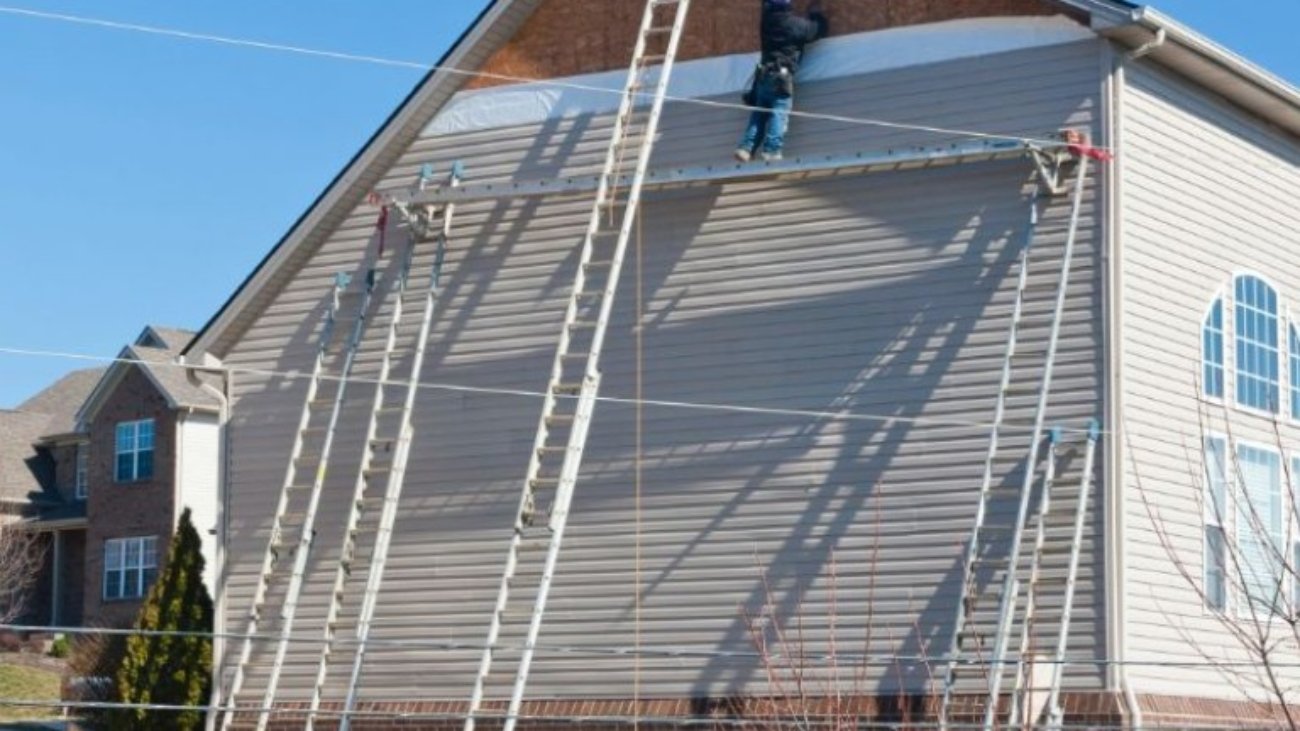
Homeowners looking for professional guidance often turn to siding installation Rhode Island experts for replacement and material selection. With the right team, you can find the perfect balance between style, performance, and value. Whether building a new home or upgrading an existing one, understanding your siding options helps you make an informed investment.

The Role of Siding in Home Protection

Siding serves as your home’s first line of defense. It shields the structure from wind, rain, snow, and humidity, helping preserve interior comfort and structural integrity.

Weather Resistance

High-quality siding prevents moisture infiltration, which can lead to mold, rot, and insulation damage. Modern materials are designed to withstand harsh conditions while maintaining their appearance.

Energy Efficiency

Properly installed siding improves insulation by reducing heat loss in winter and blocking excess heat in summer. According to Energy.gov, enhancing your home’s exterior envelope can significantly lower heating and cooling costs.

Aesthetic Appeal

Siding contributes to curb appeal and home value. With a variety of textures, colors, and profiles available, you can tailor your home’s appearance to fit your design vision.

Popular Types of Siding Materials

Each siding option offers unique advantages depending on your goals, budget, and maintenance preferences.

Vinyl Siding

Vinyl is one of the most affordable and versatile choices. It resists fading, cracking, and insects, and requires minimal upkeep. Available in a wide range of colors and finishes, vinyl remains a leading choice for cost-conscious homeowners.

Cedar Siding

Cedar provides a natural, timeless look that enhances traditional and modern homes alike. It offers excellent insulation and durability when properly maintained. Regular sealing or staining helps preserve its warm, natural tones.

Fiber Cement Siding

Fiber cement siding combines strength with a sophisticated look. Made from sand, cement, and cellulose fibers, it mimics wood but resists fire, pests, and moisture. Though slightly more expensive, it lasts for decades with minimal maintenance.

Metal Siding

Aluminum and steel siding offer superior resistance to extreme weather. These materials are recyclable, fire-resistant, and ideal for modern or industrial-style homes.

Composite Siding

Engineered wood and polymer blends provide the appearance of natural wood with added protection against rot and insects. They offer a middle ground between durability and design flexibility.

Factors to Consider When Choosing Siding

Selecting the best siding for your home involves more than just appearance. Consider cost, maintenance, climate, and long-term performance before making your choice.

Budget and Longevity

Vinyl and engineered wood are budget-friendly options, while vinyl siding with integrated rigid foam for existing walls provides added insulation and energy savings. Cedar and fiber cement require a higher initial investment but deliver long-term durability and a more natural appearance.

Maintenance Requirements

Natural wood needs regular cleaning and staining, while vinyl and metal siding require minimal care. Evaluate how much time and effort you want to dedicate to upkeep.

Local Climate

Moisture-resistant materials are ideal for humid or coastal regions. Fiber cement and vinyl perform well under changing temperatures and high humidity levels.

Design Preferences

Each material has a distinct style. Cedar delivers warmth, fiber cement mimics classic wood, and vinyl provides a clean, modern finish.

Eco-Friendly Siding Options

Sustainability is an increasingly important factor for homeowners. Many siding materials now feature eco-conscious production processes.

Recyclable Materials

Metal siding and certain vinyl products can be recycled at the end of their lifespan, reducing environmental impact.

Energy Efficiency

Insulated vinyl and fiber cement siding contribute to lower energy consumption by improving your home’s thermal performance.

Renewable Resources

Cedar and engineered wood come from renewable sources and are biodegradable, making them strong choices for environmentally aware homeowners.

Professional Installation Matters

Even the best siding materials fail if installed incorrectly. Proper installation ensures your siding performs well and lasts as long as possible.

Why Hire Professionals

Certified installers know how to manage seams, flashing, and ventilation for maximum durability. They also ensure proper alignment and sealing, preventing moisture penetration.

Avoiding DIY Risks

While DIY installation might seem cost-effective, it often leads to uneven results, gaps, or trapped moisture. Professionals provide warranties that protect your investment for years to come.

Maintaining Your Siding

Routine care keeps your home looking its best and prevents minor issues from turning into costly repairs.

  1. Wash siding annually with mild soap and water.

  2. Trim trees or shrubs that touch exterior walls.

  3. Inspect for cracks, warping, or loose panels.

  4. Repaint or restain natural wood as needed.

These steps maintain appearance and performance while extending your siding’s lifespan.

Enhancing Home Value with the Right Siding

Replacing or upgrading siding offers one of the highest returns on investment in home improvement. Durable, visually appealing siding increases buyer confidence and curb appeal. It also improves energy efficiency, reducing long-term utility expenses.

Conclusion

Choosing the right siding is about more than aesthetics; it’s about protecting your home, improving efficiency, and ensuring long-term value. With the right material and expert installation, you can enjoy decades of beauty and performance. For trusted guidance, homeowners rely on Rhode Island Siding & Exteriors for professional installation and high-quality siding solutions designed to last.
Window Replacement Decisions: Should You Replace All Windows at Once?

Window Replacement Decisions: Should You Replace All Windows at Once?

When your home’s windows begin to show signs of wear, drafts, condensation, or difficulty opening and closing, you might wonder whether to replace just a few or all of them at once. It’s a common question among homeowners seeking to enhance comfort and energy efficiency while staying within their budget.

Windows play a big role in your home’s appearance, insulation, and overall value. Replacing them is a major investment, so understanding the advantages and drawbacks of full versus partial window replacement in Denver can help you make the right choice for your situation.

This guide explains why homeowners choose one approach over the other, how to assess your windows’ condition, and ways to get the best results for long-term value.

Why Homeowners Choose Full Window Replacement

As windows age, seals break down, air leaks appear, and efficiency drops. A full replacement restores comfort and energy savings across the entire home. Replacing all windows at once ensures consistent insulation and performance, resulting in a stable indoor temperature and lower utility costs.

A full upgrade also improves your home’s curb appeal and provides design consistency. When all windows match, your home looks newer and more cohesive inside and out. Additionally, doing everything at once can save time and money. Contractors can complete the job more efficiently, and bulk installation often results in lower labor costs compared to completing the project in phases.

Another benefit is peace of mind. Full replacement means every window is covered by the same warranty and maintenance schedule, minimizing confusion or future mismatches in materials or performance.

When Replacing in Stages Makes Sense

For many homeowners, a full window replacement isn’t always practical. Replacing windows in phases can be a smart alternative, especially if your budget is limited or only certain windows are in need of replacement.

Start with problem areas, windows that leak, fog up, or let in noticeable drafts. You’ll notice improved comfort immediately, and you can plan future replacements as finances allow. Partial replacement also works well for large homes or properties with a mix of window styles.

Keep in mind that replacing only a few windows may mean less noticeable energy savings overall. However, staged replacement still improves efficiency and protects your home from additional damage while spreading costs over time.

Evaluating Your Windows’ Condition

Before deciding whether to replace all windows or just a few, assess their current condition. Look for these warning signs:

  • Drafts or uneven temperatures near windows

  • Condensation or fog between panes

  • Cracked, warped, or rotted frames

  • Difficulty opening or closing

  • Increasing energy bills

If multiple windows exhibit these issues, a full window replacement may be a more cost-effective solution. A professional inspection helps identify which windows are failing and provides accurate pricing for both full and partial projects.

Cost Considerations

Cost is one of the biggest factors in this decision. Replacing every window at once involves a higher upfront expense but often saves money over time. Doing the job all at once can reduce labor, transportation, and setup costs.

If your budget doesn’t allow for a complete project, consider replacing windows in groups, such as by floor or side of the home. Start with rooms that feel draftiest or where windows are most damaged. Even partial replacements improve comfort and add value while keeping costs manageable.

Energy Efficiency and Long-Term Savings

Energy-efficient windows help maintain consistent indoor temperatures and reduce heating and cooling costs. Modern designs incorporate features such as low-E coatings, insulated glass, and multi-pane construction, which minimize energy loss.

Replacing all windows at once maximizes energy efficiency because the entire home benefits from upgraded insulation. However, even replacing a few older windows can make a noticeable difference. Over time, these improvements can pay for themselves through lower energy bills.

Upgrading to energy-efficient window replacement also enhances comfort by reducing drafts, blocking noise, and filtering harmful UV rays that can fade furniture and flooring.

Getting the Most from Your Window Replacement

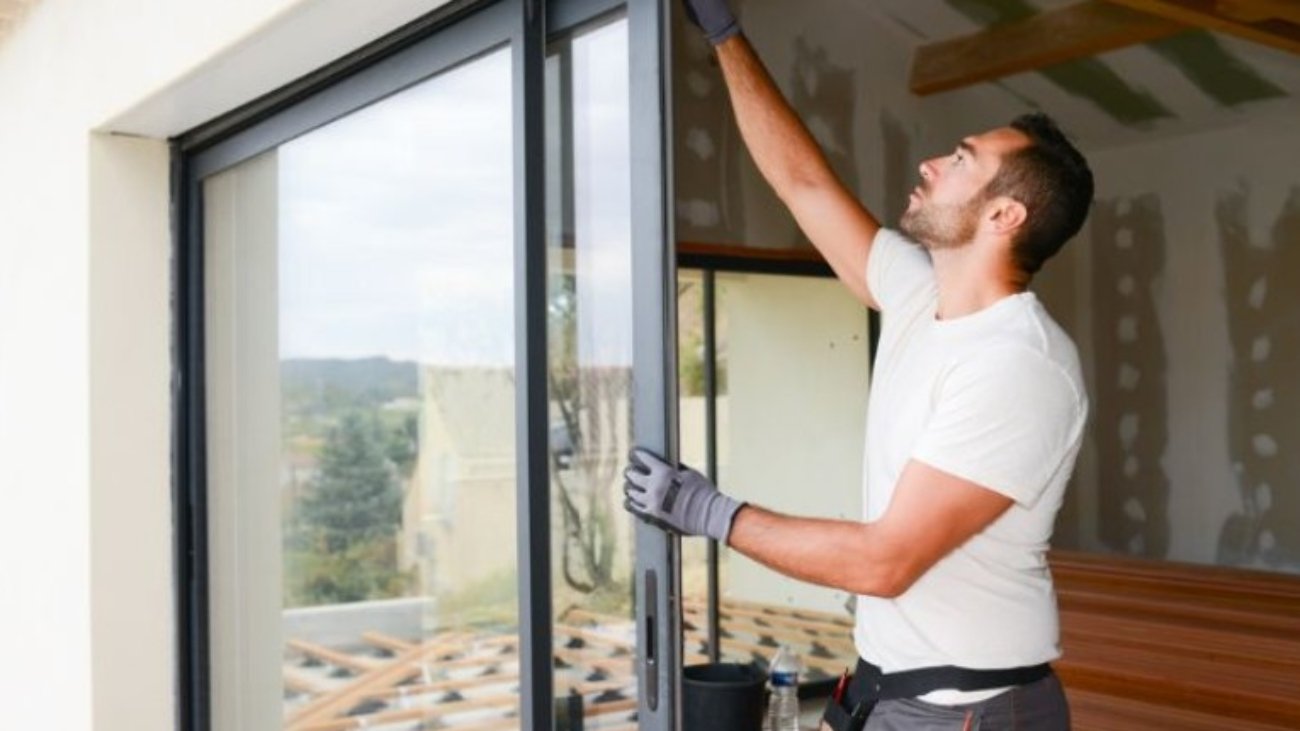
Regardless of the approach you choose, quality installation is crucial. Even the best windows won’t perform well if installed incorrectly. Professional installers ensure proper alignment, sealing, and insulation around each frame, extending the life of your investment.

Schedule the installation during mild weather to avoid delays, and select durable materials that are suited to your climate. After installation, maintain your windows by regularly cleaning the glass and frames and inspecting the seals each season.

Reliable installation and basic maintenance can significantly extend the lifespan of new windows, while also preserving their energy efficiency and appearance.

Making the Right Decision

There’s no single right answer to whether you should replace all your windows at once. Homeowners with widespread window damage or older models may benefit from a full replacement for efficiency, consistency, and long-term savings. Those with only a few problem areas or limited budgets may prefer a phased approach.

The key is to evaluate your home’s condition, consider your budget, and seek professional advice to determine the most cost-effective solution. Either option will improve comfort, reduce energy loss, and enhance your home’s appearance.

Conclusion

Replacing windows is a smart investment in comfort, value, and energy efficiency. A full upgrade provides long-lasting performance and a uniform look, while phased replacement offers flexibility without sacrificing quality.

If you’re ready to explore your options, contact Conservation Construction. Their experienced team provides high-quality materials, expert installation, and energy-efficient window replacement solutions that make your home more comfortable, attractive, and efficient for years to come.

The Ultimate Guide to a Cozy Autumn Bedroom: Layering with Linen Flat Sheets

The Ultimate Guide to a Cozy Autumn Bedroom: Layering with Linen Flat Sheets

As the air turns crisp and the leaves change color, autumn calls for a bedroom that feels warm, comforting, and inviting. Creating this cozy atmosphere is all about smart layering, and few fabrics are as perfect for the season as linen flat sheets. Known for their natural breathability, durability, and timeless charm, they are a versatile foundation for building a snug autumn retreat.

Why Start with Linen?

Pairing with Blankets and Duvets


Linen flat sheets have been cherished for centuries because of their ability to regulate temperature. In autumn, when nights can fluctuate between mild and chilly, linen bed sheets keep you comfortable by wicking away excess moisture while holding in just enough warmth. Unlike synthetic options, linen bedsheets are made from natural flax fibers, making them both eco-friendly and durable. They grow softer with every wash, ensuring your autumn setup gets cozier season after season.

The Base Layer: Linen Flat Sheet

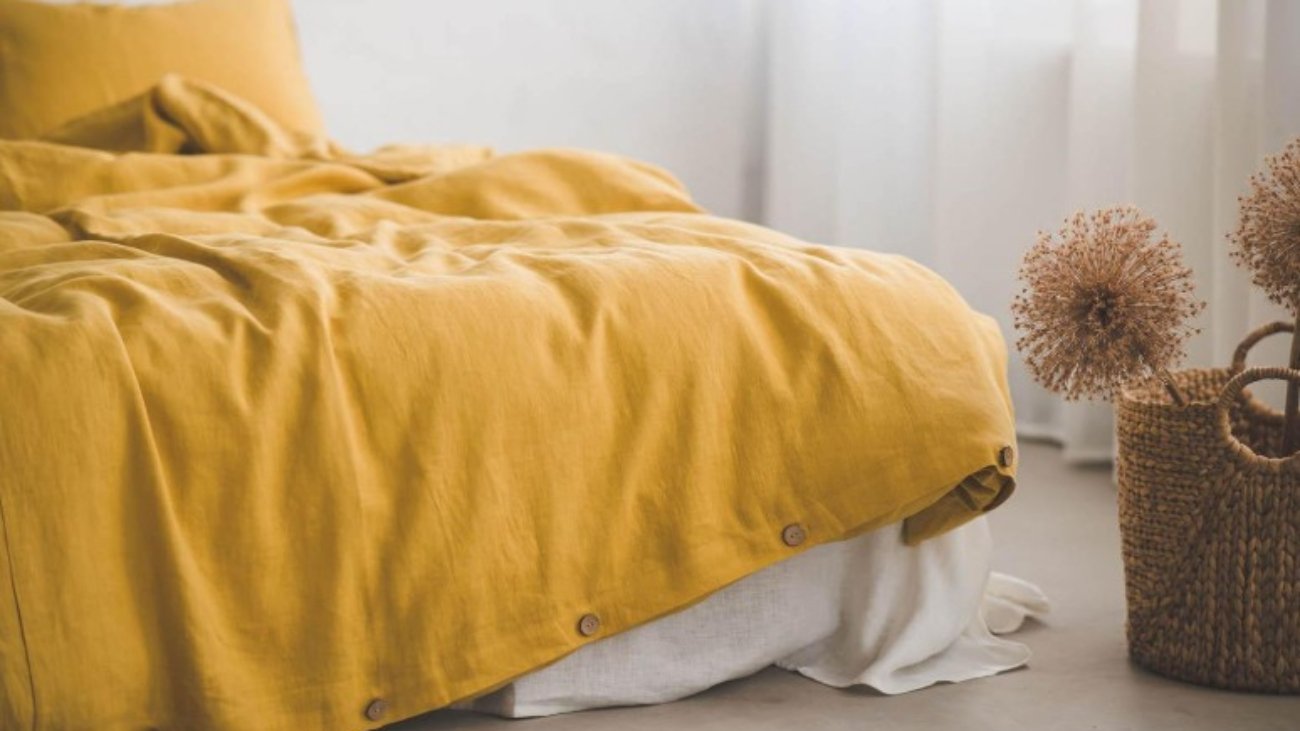
The first step in layering your autumn bed is selecting a high-quality linen flat sheet. Acting as a versatile middle layer, it provides softness against your skin and creates a breathable buffer between your blanket and duvet. A classic choice like white linen sheets works beautifully as a neutral base, while earthy tones such as oatmeal, rust, or forest green add seasonal warmth to your décor.

Pairing with Blankets and Duvets

Once your linen flat sheets are in place, layer them with cozy throws and plush duvets. The beauty of bed sheets linen lies in their compatibility with heavier fabrics. A wool blanket on top of a linen bed sheet creates a balance of insulation and airflow, preventing overheating during transitional autumn nights. For an extra touch of charm, add a quilt in rich, autumnal hues to complement the understated elegance of your bed linen sheets.

Add Texture with Cushions and Throws

Add Texture with Cushions and Throws

Autumn is the season of texture, and linen flat sheets provide the perfect foundation for mixing materials. Pair your bedding with knitted throws, velvet cushions, or faux-fur accents. The smooth, organic texture of linen sheet fabrics contrasts beautifully with these cozy additions, giving your bed depth and a layered, lived-in feel.

Style with Seasonal Colors

A cozy autumn bedroom wouldn’t be complete without a warm color palette. Neutral white linen sheets bring a clean backdrop that pairs effortlessly with shades of burnt orange, deep burgundy, or moss green. Alternatively, earthy-toned bed linen sheets in natural flax or muted terracotta can make your bedroom feel instantly seasonal while maintaining a timeless elegance.

Layering your autumn bed with linen flat sheets is the simplest way to create a cozy, stylish, and functional retreat. Their adaptability, breathability, and natural charm make them an essential element in every seasonal bedroom setup.

Discover the perfect collection of linen flat sheets at www.forestlandlinen.com. Invest in bedding that brings comfort, beauty, and durability to your autumn nights and beyond.

How SafeHouse Security Assessments Help Prevent Break-Ins Before They Happen

How SafeHouse Security Assessments Help Prevent Break-Ins Before They Happen

When it comes to break-ins in Los Angeles, most people think the solution is just adding a camera or better lock. But what if you could prevent the attempt altogether? That’s exactly what a SafeHouse Security Assessment is designed to do—identify vulnerabilities before a criminal does and fix them fast.

Homeowners across Los Angeles County trust SafeHouse Security Consultants because we look beyond obvious risks. We apply over 22 years of security experience to each property assessment, helping you stay two steps ahead of evolving criminal tactics.

Key Takeaways

  • Break-ins often start with a criminal surveying your property for easy access points
  • Most homes have blind spots or structural weaknesses that go unnoticed by the owner
  • SafeHouse identifies and addresses flaws in doors, lighting, landscaping, windows, and more
  • Our detailed reports are based on local crime data for your exact neighborhood
  • You’ll receive tailored recommendations—and we’ll even handle the vendor coordination

Why Most Break-Ins Are Preventable

The majority of break-ins in Los Angeles happen when criminals spot easy targets. A dark side gate, a flimsy lock, or an overgrown hedge might be all it takes to invite trouble. These are the details SafeHouse focuses on.

We don’t just walk your property—we analyze it. Every door, window, fence line, and lighting fixture is inspected. Our assessments also include crime trends and statistics for your neighborhood, so you’re not just guessing where to focus your efforts.

How the Process Works

Our security assessment begins with a free consultation, where we learn about your concerns and schedule an on-site or virtual visit.

During the assessment, we:

  • Evaluate over 80+ security checkpoints on your property
  • Identify weak points that criminals would likely exploit
  • Recommend specific improvements that fit your home, lifestyle, and budget
  • Provide vendor referrals and discounts if hardware or installation is needed

We make the process easy. No stress, no installations by us—just clear, expert advice and a concierge-style service that handles the logistics for you.

Real Results for Los Angeles Homes

After completing our Residential Security Assessment, most homeowners report feeling a significantly improved sense of safety. More importantly, they gain the peace of mind that comes from knowing their home is proactively protected, not just reactive.

Conclusion

Security isn’t just about responding to crime—it’s about preventing it altogether. At SafeHouse Security Consultants, we help you think like a criminal so you can secure your home like a professional. Don’t wait until something happens. The best time to strengthen your home’s security is before someone tries to break in.

Call SafeHouse today at (424) 352-8639 to schedule your free consultation and take the first step toward real peace of mind.

This article was written by a professional at SafeHouse Security Consultants. SafeHouse Security Consultants’ mission was to bring peace of mind into the home. We want to remove those fears and give you and your family peace of mind and security by applying our ten years of experience protecting people and properties to your home. We can help you protect your home with home security system companies in Hollywood, and eliminate those fears so that you can concentrate on the things that matter most to you.