Bathroom Floor Tiles: Choosing the Perfect Style and Design

Bathroom Floor Tiles: Choosing the Perfect Style and Design

Bathroom Floor Tiles: Choosing the Perfect Style and Design

The bathroom is an essential space in any home, and the flooring plays a crucial role in its overall aesthetic and functionality. When it comes to bathroom floor tiles, making the right choice can transform your bathroom into a stylish and inviting oasis. With a wide variety of materials, designs, and patterns available, selecting the perfect tiles can be a daunting task. In this article, we will explore the factors to consider when choosing bathroom floor tiles, the different types available, popular designs and patterns, installation tips, and maintenance guidelines. Let’s dive in and discover the world of bathroom floor tiles!

Why Choose the Right Bathroom Floor Tiles?

Choosing the right bathroom floor tiles is important for several reasons. First and foremost, they need to withstand the unique challenges of a bathroom environment, including moisture, humidity, and frequent foot traffic. Additionally, bathroom floor tiles contribute to the overall style and ambiance of the space. The right tiles can elevate the bathroom’s design, making it feel more luxurious, modern, or cozy, depending on your preferences.

Factors to Consider When Choosing Bathroom Floor Tiles

Material

The material of the bathroom floor tiles is a crucial consideration. Here are some popular options:

  1. Ceramic Tiles: Ceramic tiles are a popular choice due to their affordability and versatility. They come in various colors, sizes, and patterns, making it easy to find a style that suits your bathroom.
  2. Porcelain Tiles: Porcelain tiles are known for their durability and water resistance. They are an excellent choice for bathrooms, as they are less porous than ceramic tiles and can withstand heavy use.
  3. Vinyl Tiles: Vinyl tiles are a cost-effective and low-maintenance option. They are water-resistant and comfortable underfoot, making them ideal for bathrooms.
  4. Natural Stone Tiles: Natural stone tiles, such as marble, granite, or travertine, add a touch of elegance and sophistication to any bathroom. However, they require regular sealing and maintenance.
  5. Mosaic Tiles: Mosaic tiles offer endless design possibilities. They come in small pieces and can create intricate patterns and designs, adding a unique charm to your bathroom.

Durability

Durability is a key factor, especially for a high-traffic area like the bathroom. Ensure the chosen tiles can withstand daily wear and tear without losing their beauty or functionality.

Slip Resistance

Bathrooms can become slippery, so it’s crucial to choose tiles with adequate slip resistance. Look for tiles with textured surfaces or those specifically designed to provide better traction.

Types of Bathroom Floor Tiles

There are several types of bathroom floor tiles to choose from, each with its own unique characteristics and benefits. Let’s explore some popular options:

  1. Ceramic Tiles: Ceramic tiles are a classic choice for bathroom floors. They are available in various sizes, shapes, and colors, allowing you to create different patterns and designs. Ceramic tiles are durable, water-resistant, and relatively easy to maintain. They are also affordable, making them a popular option for homeowners on a budget.
  2. Porcelain Tiles: Porcelain tiles are known for their exceptional durability and water resistance. They are denser and less porous than ceramic tiles, making them highly resistant to moisture and stains. Porcelain tiles come in a wide range of styles, including ones that mimic the look of natural stone or wood. They are an excellent choice for bathrooms with heavy foot traffic or where water exposure is a concern.
  3. Vinyl Tiles: Vinyl tiles are a versatile and cost-effective option for bathroom floors. They are available in various styles, including ones that resemble ceramic or stone tiles. Vinyl tiles are water-resistant, comfortable underfoot, and relatively easy to install. They also provide good slip resistance, making them a safe choice for bathroom flooring.
  4. Natural Stone Tiles: Natural stone tiles, such as marble, granite, or travertine, add elegance and luxury to any bathroom. Each piece of natural stone is unique, providing a one-of-a-kind look. However, natural stone tiles require regular sealing to protect them from stains and moisture. They are also generally more expensive and may require professional installation.
  5. Mosaic Tiles: Mosaic tiles are small tiles that come in various materials, including glass, ceramic, or natural stone. They allow for intricate patterns and designs, adding a touch of artistry to your bathroom floor. Mosaic tiles can be used as accents or to create entire flooring surfaces. They are a popular choice for creating focal points or adding visual interest to the bathroom.

When choosing the type of bathroom floor tiles, consider the overall style and design you want to achieve, as well as the practical aspects such as durability, maintenance, and slip resistance.

Choosing the Best Tile Size and Shape

The size and shape of bathroom floor tiles can significantly impact the overall look and feel of the space. Here are some factors to consider when selecting the best tile size and shape:

  1. Small Tiles: Small tiles, such as mosaics or subway tiles, are often used to create intricate patterns or detailed designs. They work well in small bathrooms or as accents in larger bathrooms. Small tiles can visually expand the space and add a sense of visual interest and texture.
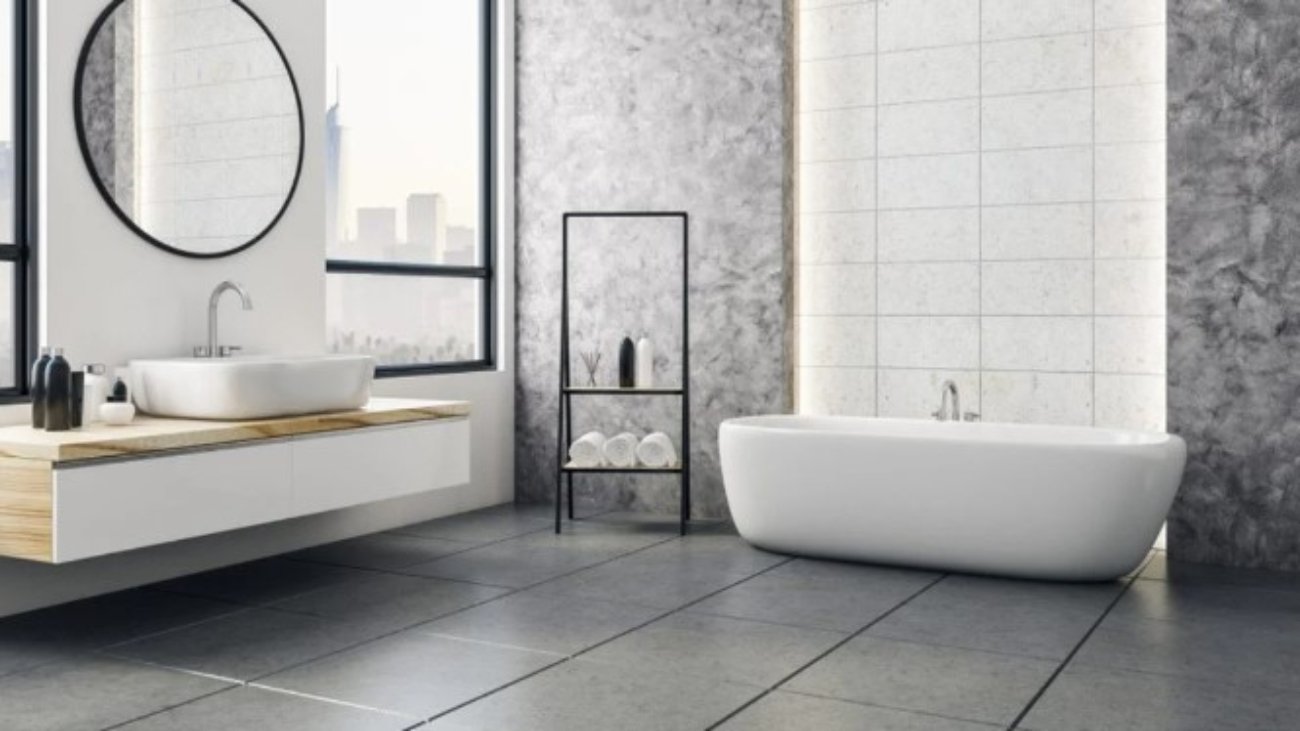
  2. Large Tiles: Large tiles, such as 12×24 inches or 24×24 inches, can create a clean and modern look in the bathroom. They minimize the number of grout lines, giving a seamless appearance to the floor. Large tiles are also easier to clean and maintain.
  3. Rectangular Tiles: Rectangular tiles, such as 12×24 inches or 6×36 inches, can add a sense of length to the bathroom. They are ideal for creating a contemporary or elongated look. Rectangular tiles can be installed in different patterns, such as brick or herringbone, to add visual interest.
  4. Square Tiles: Square tiles, such as 12×12 inches or 18×18 inches, are a timeless choice for bathroom floors. They provide a classic and balanced look. Square tiles are versatile and can be arranged in various patterns, such as straight, diagonal, or checkerboard, depending on the desired style.

When selecting the tile size and shape, consider the size of your bathroom, the existing fixtures and fittings.

Popular Bathroom Floor Tile Designs and Patterns

Choosing the right design and pattern for your bathroom floor tiles can elevate the overall aesthetic and create a visually appealing space. Here are some popular designs and patterns to consider:

  1. Straight Lay: The straight lay pattern is the most common and straightforward design. Tiles are installed in a straight grid pattern, creating clean and symmetrical lines. This pattern works well with both square and rectangular tiles and is suitable for any bathroom style.
  2. Diagonal Lay: In the diagonal lay pattern, tiles are laid at a 45-degree angle to the walls. This pattern adds a sense of movement and visual interest to the space. Diagonal lay works best with square or rectangular tiles and can make a small bathroom appear larger.
  3. Herringbone: The herringbone pattern creates a zigzag effect by laying rectangular tiles in a 45-degree V-shape. It adds a touch of elegance and sophistication to the bathroom. Herringbone works well with smaller tiles and is often used as a focal point or accent area.
  4. Basketweave: The basketweave pattern consists of square tiles arranged in pairs to create a woven or basket-like appearance. This pattern adds texture and a classic look to the bathroom. Basketweave works best with small or medium-sized tiles and can be combined with contrasting colors for a striking effect.
  5. Chevron: The chevron pattern is similar to the herringbone but with a continuous V-shape. It creates a bold and dynamic look in the bathroom. Chevron is often used with longer rectangular tiles to emphasize the pattern and add visual impact.
  6. Checkerboard: The checkerboard pattern alternates between two contrasting tile colors, typically black and white. This classic pattern adds a retro or vintage vibe to the bathroom. It works well with square tiles and can be used to create a focal point or cover the entire floor.
  7. Mosaic Medallion: Mosaic medallions are intricate designs created using mosaic tiles. They can be placed at the center of the bathroom floor or as a decorative border. Mosaic medallions add a touch of artistry and personalization to the space.

When selecting a design or pattern, consider the overall style and theme of your bathroom, the size and shape of the tiles, and the level of visual impact you want to achieve. Experiment with different layouts and patterns to find the one that best suits your taste and complements your bathroom’s aesthetics.

Installing Bathroom Floor Tiles: Step-by-Step Guide

Installing bathroom floor tiles may seem like a complex task, but with the right preparation and guidance, it can be a rewarding DIY project. Here is a step-by-step guide to help you install your bathroom floor tiles:

Step 1: Prepare the Surface

  • Remove any existing flooring or debris from the bathroom floor.
  • Ensure the subfloor is clean, dry, and level.
  • Repair any cracks or imperfections in the subfloor.

Step 2: Plan the Layout

  • Measure the dimensions of the bathroom to determine the tile layout.
  • Use chalk lines or tile spacers to mark the starting point and layout lines on the floor.

Step 3: Prepare the Tiles

  • If necessary, cut the tiles to fit the edges and corners using a tile cutter or wet saw.
  • Sort the tiles according to their design or pattern, if applicable.

Step 4: Apply Mortar or Adhesive

  • Prepare the mortar or adhesive according to the manufacturer’s instructions.
  • Using a notched trowel, spread a thin layer of mortar or adhesive on a small section of the subfloor.

Step 5: Lay the Tiles

  • Begin laying the tiles along the layout lines, pressing them firmly into the mortar or adhesive.
  • Place tile spacers between the tiles to ensure even spacing.
  • Continue laying tiles in small sections, working your way across the floor.

Step 6: Cut and Trim Tiles

  • As you reach the edges and corners, measure and cut tiles to fit using a tile cutter or wet saw.
  • Apply mortar or adhesive to the back of the cut tiles and press them into place.

Step 7: Grouting and Sealing

  • Once all the tiles are laid and the mortar or adhesive has dried, remove the tile spacers.
  • Prepare the grout according to the manufacturer’s instructions.
  • Using a grout float, spread the grout over the tiles, ensuring all the gaps are filled.
  • Wipe off excess grout using a damp sponge, making sure not to remove grout from the gaps.
  • Allow the grout to cure for the specified time.
  • Apply a tile sealer to protect the tiles and grout from moisture and stains, following the manufacturer’s instructions.

Step 8: Cleaning and Maintenance Tips for Bathroom Floor Tiles

  • Regularly clean the tiles using a mild, non-abrasive cleaner and a soft mop or cloth.
  • Avoid using harsh chemicals or abrasive materials that can damage the tiles.
  • Clean up spills and stains promptly to prevent them from seeping into the grout.
  • Periodically check the grout for any signs of damage or discoloration and repair as needed.
  • Consider using a grout sealer to protect the grout and make cleaning easier.

Enhancing the Look with Tile Accessories

To further enhance the look of your bathroom floor tiles, you can incorporate tile accessories such as borders, accents, and trim. Here are some options to consider:

  • Borders and Accents: Add decorative borders or accent tiles to create a focal point or highlight specific areas of your bathroom floor. These can be tiles with intricate patterns, contrasting colors, or unique designs.
  • Tile Trim: Use tile trim, such as bullnose or pencil liners, along the edges of your bathroom floor tiles. Trim tiles provide a smooth and finished look while protecting the edges from chipping or damage.

By incorporating tile accessories, you can add a personalized touch and elevate the overall design of your bathroom floor.

Conclusion

Choosing the right bathroom floor tiles is essential for creating a functional, stylish, and durable space. Consider the material, durability, slip resistance, and moisture resistance when making your selection. Explore different types of tiles, such as ceramic, porcelain, vinyl, natural stone, and mosaic, to find the one that best suits your preferences and budget. Pay attention to the size and shape of the tiles, as well as popular designs and patterns like straight lay, herringbone, or mosaic medallions.

When installing bathroom floor tiles, follow a step-by-step process, ensuring proper surface preparation, adhesive application, and grouting. Clean and maintain your tiles regularly to keep them looking their best. Consider adding tile accessories like borders, accents, and trim to enhance the overall look of your bathroom floor.

With the right choices and proper installation, bathroom floor tiles can transform your bathroom into a beautiful and functional oasis for years to come.

FAQs

  1. Q: How do I choose the right tile color for my bathroom floor? A: When choosing tile color, consider the overall theme and mood you want to create. Light colors can make a small bathroom appear larger, while dark colors add depth and richness. Consider the existing colors in your bathroom, such as the walls and fixtures, and choose a tile color that complements them.
  1. Q: Are bathroom floor tiles slippery? A: While some tiles may be slippery when wet, many options offer slip-resistant surfaces. Look for tiles with textured or matte finishes, as they provide better traction. Additionally, consider using smaller tiles or mosaic patterns, as they offer more grout lines, which can enhance slip resistance.
  2. Q: How often should bathroom floor tiles be sealed? A: The frequency of sealing bathroom floor tiles depends on the type of tile and sealer used. Generally, it is recommended to seal natural stone tiles every 1 to 2 years, while ceramic or porcelain tiles may not require sealing. However, it’s best to follow the manufacturer’s recommendations for the specific tile and sealer you choose.
  3. Q: Can I install bathroom floor tiles over existing flooring? A: In some cases, it is possible to install new tiles over existing flooring. However, it’s important to ensure that the existing floor is stable, level, and in good condition. It may be necessary to remove certain types of flooring, such as carpet or multiple layers of vinyl, before installing new tiles.
  4. Q: How do I clean and maintain bathroom floor tiles? A: Regular maintenance includes sweeping or vacuuming the floor to remove dirt and debris. Clean the tiles with a mild, non-abrasive cleaner and a soft mop or cloth. Avoid using harsh chemicals or abrasive materials that can damage the tiles. Promptly clean up spills and stains to prevent them from staining the grout or tiles.

Partner Site : Financial Management, Vacation Destinations, Home Garden, Landscape Design, Home Decoration, How News Today, Healthy Lifestyle, Finance News, Business Loans, Healthy Update
Bathroom Flooring: Choosing the Perfect Surface for Your Sanctuary

Bathroom Flooring: Choosing the Perfect Surface for Your Sanctuary

Bathroom Flooring: Choosing the Perfect Surface for Your Sanctuary

Imagine stepping into a bathroom that exudes elegance and offers a comforting ambiance. While many elements contribute to such an atmosphere, one often overlooked aspect is the flooring. The right choice of bathroom flooring not only enhances the aesthetics but also provides functionality and durability. This comprehensive guide will walk you through different types of bathroom flooring, factors to consider when making a selection, installation and maintenance tips, and much more. Discover the perfect surface for your sanctuary, and transform your bathroom into a haven of tranquility.

Introduction

When it comes to designing or renovating a bathroom, flooring plays a crucial role in setting the overall tone and creating a pleasant experience. Whether you prefer a modern, sleek look or a cozy, rustic feel, the right bathroom flooring can bring your vision to life. Additionally, bathroom floors are exposed to unique challenges, such as water spills, humidity, and high foot traffic. Therefore, it is essential to select flooring materials that can withstand these conditions and still maintain their beauty and integrity over time.

Importance of Bathroom Flooring

Bathroom flooring serves both practical and aesthetic purposes. It should be capable of withstanding moisture, provide slip resistance, be easy to clean, and complement the overall design of the space. Furthermore, since bathrooms are often smaller areas, the flooring choice can have a significant impact on the overall appearance and functionality of the room.

Factors to Consider for Bathroom Flooring Selection

Before diving into the various types of bathroom flooring available, it is crucial to consider several factors that can influence your decision-making process. These factors include water resistance, durability, slip resistance, maintenance requirements, style and design preferences, and budget considerations. By assessing these aspects, you can make an informed choice that aligns with your specific needs and preferences.

Types of Bathroom Flooring

There is a wide array of bathroom flooring options available, each with its unique characteristics, advantages, and disadvantages. Here are some popular choices:

Ceramic and Porcelain Tiles

Ceramic and porcelain tiles are widely regarded as classic choices for bathroom flooring. They are renowned for

their water resistance, durability, and versatility. Ceramic tiles are made from clay that is fired at high temperatures, while porcelain tiles are composed of denser materials, making them even more durable.

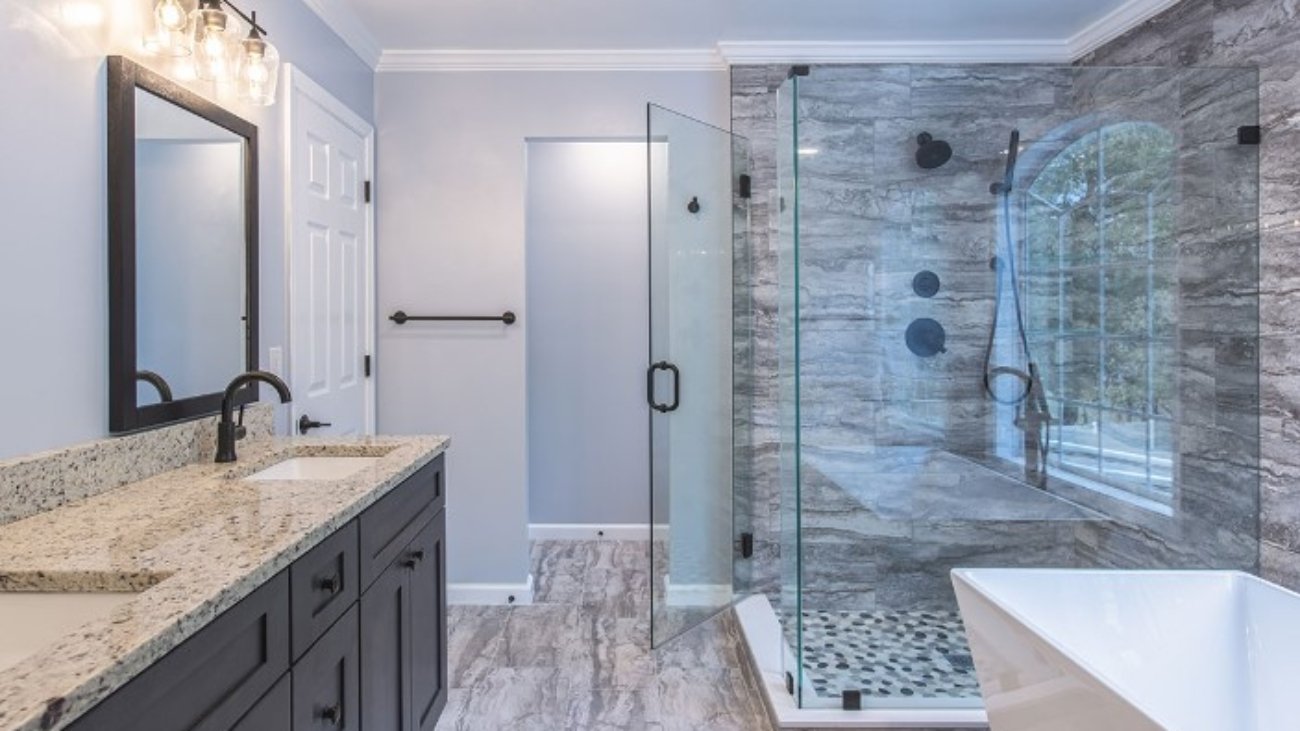
Both ceramic and porcelain tiles come in various colors, patterns, and sizes, allowing for endless design possibilities. They are easy to clean and maintain, making them ideal for bathrooms. However, it’s essential to choose tiles with a slip-resistant surface to prevent accidents.

Vinyl Flooring

Vinyl flooring has gained popularity in recent years due to its affordability, durability, and wide range of design options. It is highly water-resistant, making it suitable for bathrooms prone to moisture. Vinyl flooring comes in sheets, tiles, or planks, allowing you to choose the format that best suits your bathroom’s style.

With advancements in technology, vinyl flooring can closely mimic the look of natural materials like wood or stone without the associated maintenance concerns. It is comfortable underfoot and provides excellent slip resistance, ensuring safety in the bathroom.

Laminate Flooring

Laminate flooring offers a budget-friendly alternative to hardwood or stone flooring. It consists of multiple layers, including a high-density fiberboard core, a photographic layer that resembles the desired material, and a protective wear layer.

While laminate flooring is not as water-resistant as tiles or vinyl, it can still withstand occasional spills or moisture if promptly cleaned. It is relatively easy to install, thanks to its click-and-lock mechanism, and provides a wide range of styles and colors to choose from.

Natural Stone

For a luxurious and timeless look, natural stone flooring is an excellent choice. Options like marble, granite, limestone, and slate can add elegance and sophistication to any bathroom. Natural stone offers unique patterns and textures that cannot be replicated by any other material.

However, it’s important to note that natural stone is porous and requires sealing to resist water absorption. It may also require regular maintenance to keep its luster intact. Additionally, natural stone can be more expensive and challenging to install compared to other flooring options.

Engineered Wood

Wooden flooring creates a warm and inviting atmosphere, but traditional hardwood is not suitable for bathrooms due to its vulnerability to moisture. Engineered wood, on the other hand, is designed to withstand high humidity and moisture levels.

Engineered wood flooring is composed of multiple layers of wood veneer, topped with a protective layer. It offers the aesthetic appeal of hardwood while being more resistant to water damage. It’s important to choose engineered wood specifically designed for bathrooms to ensure its longevity and performance.

Cork Flooring

Cork flooring is a unique and eco-friendly option for bathroom flooring. It is made from the bark of cork oak trees, which naturally regenerates, making it a sustainable choice. Cork is naturally water-resistant and provides a cushioned feel underfoot.

Cork flooring offers excellent thermal and acoustic insulation properties, keeping your bathroom cozy and quiet. It is resistant to mold, mildew, and bacteria, making it a hygienic option for bathrooms. However, cork flooring requires regular sealing to maintain its water resistance and prevent damage.

Factors to Consider for Bathroom Flooring

When selecting the perfect flooring for your bathroom, it’s essential to evaluate various factors to ensure it meets your specific requirements. Consider the following:

Water Resistance

Bathrooms are prone to moisture, so choosing a flooring material with high water resistance is crucial. This will prevent water damage, mold growth, and warping. Look for flooring options specifically designed for bathrooms or those labeled as water-resistant.

Durability

Bathroom floors endure constant foot traffic, so durability is paramount. Opt for materials that can withstand wear and tear over time. Consider the expected lifespan of the flooring and choose accordingly.

Slip Resistance

Safety

is a top priority in bathrooms, where water spills can create slippery surfaces. Look for flooring options that offer good slip resistance, such as those with textured surfaces or added coatings designed to enhance traction.

Maintenance

Consider the maintenance requirements of different flooring materials. Some may require regular sealing, polishing, or specialized cleaning products. Determine how much time and effort you’re willing to invest in maintaining the flooring to keep it in optimal condition.

Style and Design

Your bathroom flooring should complement the overall style and design of the space. Consider the color palette, the desired ambiance, and the visual impact you want to achieve. Look for flooring options that offer a wide range of styles, patterns, and colors to match your preferences.

Budget

Set a budget for your bathroom flooring project. Determine how much you’re willing to spend and explore options within that range. Keep in mind that certain materials, such as natural stone or high-end tiles, may be more expensive than others.

Pros and Cons of Different Bathroom Flooring Types

Each type of bathroom flooring comes with its own set of advantages and disadvantages. Understanding these can help you make an informed decision. Let’s explore the pros and cons of popular bathroom flooring options:

Ceramic and Porcelain Tiles

Pros:

  • Excellent water resistance
  • Wide range of styles, colors, and patterns available
  • Durable and long-lasting
  • Easy to clean and maintain
  • Can increase the value of your home

Cons:

  • Can be cold underfoot
  • Grout lines require regular cleaning and maintenance

Vinyl Flooring

Pros:

  • Highly water-resistant
  • Affordable and budget-friendly
  • Comfortable underfoot
  • Offers a wide range of designs and patterns
  • Easy to install

Cons:

  • Not as durable as other options
  • Can be prone to scratches and dents over time

Laminate Flooring

Pros:

  • Affordable and cost-effective
  • Easy to install
  • Resistant to stains and fading
  • Wide range of styles and colors available

Cons:

  • Not as water-resistant as other options
  • Can warp or swell if exposed to excessive moisture

Natural Stone

Pros:

  • Luxurious and timeless appearance
  • Unique patterns and textures
  • Durable and long-lasting
  • Can increase the value of your home

Cons:

  • Requires regular sealing and maintenance
  • More expensive compared to other options
  • Cold underfoot

Engineered Wood

Pros:

  • Offers the beauty of hardwood
  • More resistant to moisture than traditional hardwood
  • Provides warmth and natural aesthetic
  • Can increase the value of your home

Cons:

  • Not as water-resistant as other options
  • Limited wood species options compared to hardwood

Cork Flooring

Pros:

  • Eco-friendly and sustainable
  • Naturally water-resistant
  • Provides cushioning and comfort underfoot
  • Resistant to mold and mildew
  • Offers excellent thermal and acoustic insulation

Cons:

  • Requires regular sealing to maintain water resistance
  • Can be prone to scratches and dents

Choosing the Right Bathroom Flooring

Now that you’re familiar with the different types of bathroom flooring and the factors to consider, it’s time to choose the right one for your specific needs. Here are some steps to help you in the decision-making process:

Consider the Bathroom’s Moisture Levels

Evaluate the moisture levels in your bathroom. If you have a high-humidity environment or frequently encounter water spills, opt for highly water-resistant flooring options like ceramic tiles, vinyl, or natural stone.

Assess Durability and Longevity

Consider the expected lifespan of the flooring and its ability to withstand heavy foot traffic. If you’re looking for long-lasting options, ceramic tiles, porcelain tiles, or natural stone can be excellent choices.

Evaluate Slip Resistance and Safety

Ensure that the flooring you choose provides adequate slip resistance to prevent accidents, especially in wet conditions. Look for textured surfaces or coatings that enhance traction and reduce the risk of slips and falls.

Determine Maintenance Requirements

Consider your willingness to invest time and effort into maintaining the flooring. Some options, like ceramic tiles or vinyl, are relatively low-maintenance and easy to clean. On the other hand, natural stone may require regular sealing and special cleaning products.

Match Style and Design Preferences

Select a flooring option that aligns with your style and design preferences. Consider the color, texture, and overall aesthetic appeal. Whether you desire a modern, rustic, or traditional look, choose a flooring material that enhances the visual appeal of your bathroom.

Budget Considerations

Set a budget for your bathroom flooring project and explore options within that range. Keep in mind that the cost can vary significantly depending on the type of material, quality, and brand. Balance your budget with your desired aesthetics and performance.

By carefully considering these factors, you can choose the right bathroom flooring that meets your requirements and enhances the overall appeal of your space.

Installation and Maintenance Tips

Once you have selected your desired bathroom flooring, proper installation and maintenance are crucial for ensuring its longevity and performance. Here are some essential tips:

Preparing the Subfloor

Ensure that the subfloor is clean, dry, and level before installing the new flooring. Any imperfections or moisture issues should be addressed to prevent future damage.

Proper Installation Techniques

Follow the manufacturer’s instructions and employ proper installation techniques. This may include using the correct adhesives, underlayment, or grouting materials. If you are unsure, consult a professional installer to ensure a seamless and secure installation.

Sealing and Grouting

If you have chosen natural stone or tiles, sealing and grouting are essential steps to enhance their water resistance and prevent staining. Follow the recommended sealing and grouting procedures and schedule regular resealing as needed.

Cleaning and Maintenance Guidelines

Adhere to the cleaning and maintenance guidelines provided by the manufacturer. Use appropriate cleaning products and methods to preserve the beauty and integrity of your bathroom flooring. Regularly clean and dry the surface to prevent the buildup of dirt, grime, and moisture.

By following these installation and maintenance tips, you can enjoy a beautiful, long-lasting bathroom flooring that withstands the test of time.

Conclusion

Choosing the right bathroom flooring is a vital decision that combines functionality, aesthetics, and durability. Whether you opt for ceramic tiles, vinyl, laminate, natural stone, engineered wood, or cork, consider the specific needs of your bathroom, your style preferences, and your budget. By assessing factors such as water resistance, durability, slip resistance, maintenance requirements, style, and cost, you can make an informed choice that transforms your bathroom into a stunning sanctuary.

Investing in high-quality bathroom flooring and following proper installation and maintenance practices will ensure that your flooring stands the test of time, providing you with a beautiful and functional space for years to come.

FAQs

1. How long does bathroom flooring typically last? The lifespan of bathroom flooring depends on various factors such as the material chosen, maintenance practices, and the level of foot traffic. Generally, well-maintained flooring can last for 10 to 20 years or more.

2. Can I install hardwood flooring in the bathroom? Traditional hardwood flooring is not recommended for bathrooms due to its vulnerability to moisture. However, you can opt for engineered wood flooring specifically designed for bathrooms, which offers better resistance to water damage.

3. Are there eco-friendly options for bathroom flooring? Yes, there are eco-friendly options available for bathroom flooring. Cork flooring, for example, is made from the bark of cork oak trees, which naturally regenerates. It is a sustainable and renewable material. Additionally, some manufacturers offer vinyl flooring made from recycled materials, contributing to environmental conservation.

4. Can I install bathroom flooring myself, or should I hire a professional? The complexity of the installation process depends on the type of flooring you choose and your level of experience. While some options like vinyl or laminate flooring can be DIY-friendly, others, such as natural stone or ceramic tiles, may require professional expertise to ensure proper installation and avoid potential issues.

5. How can I maintain and clean bathroom flooring effectively? The maintenance and cleaning requirements vary depending on the type of flooring. However, some general tips include regular sweeping or vacuuming to remove debris, promptly wiping up spills, using mild and non-abrasive cleaning solutions recommended by the manufacturer, and avoiding harsh chemicals that could damage the flooring. Be sure to follow the specific guidelines provided by the manufacturer for your chosen flooring material.

Partner Site : Business Tips , Health News, Future Technology, Home Decorating, Travel Tips, Classic Car, Online Education, Business Law, Women Fashion, Beauty Salon