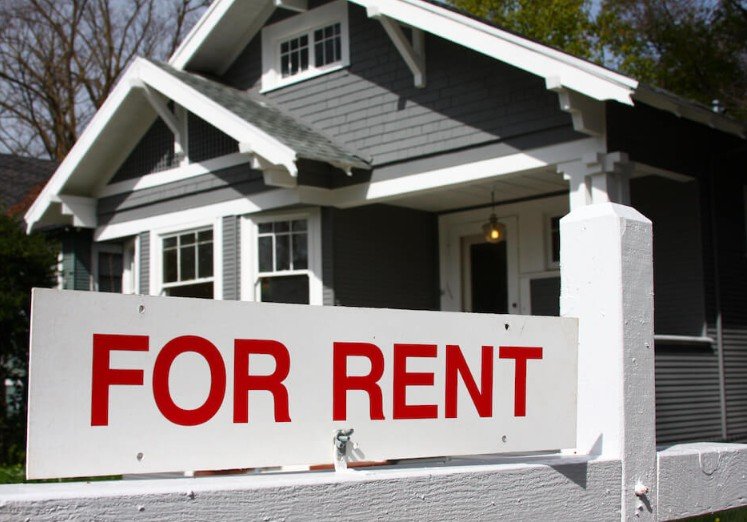
I still remember the first time I went house hunting as a tenant. My expectations were high—I wanted a big kitchen, a little garden for weekend BBQs, and of course, rent that wouldn’t eat up half my paycheck. Let’s just say I quickly learned that the rental market doesn’t always care about your wish list. I toured at least a dozen properties before realizing that compromise is pretty much part of the deal.
Over the years, I’ve rented in different neighborhoods—some were gems, others… well, let’s just say I wouldn’t go back. Through trial and error, I picked up a lot about how to actually find good houses to rent, avoid sneaky landlord tricks, and make smart decisions so you’re not regretting it six months later. If you’re on the hunt for a house to rent, maybe my story and the little lessons I’ve picked up can save you some frustration.
Why Renting a House Feels Different from Renting an Apartment
When I first moved out, I thought renting a house would be the same as renting an apartment, just bigger. Nope. Renting a house comes with extra responsibilities—sometimes you’re expected to mow the lawn, shovel snow, or even maintain the gutters. I once had a landlord who reminded me every month about trimming the hedges, and honestly, I had no idea how to use hedge clippers.
But the upside is space. Houses give you room to breathe, more privacy, and often better parking (unless you end up on a tight street where you’re battling neighbors for a spot). Plus, if you’re renting with roommates or a family, it just makes sense to have the extra bedrooms.
The Mistakes I Made Looking for Houses to Rent
Let me confess—I’ve made just about every mistake in the book. The biggest one? Not reading the lease carefully. One time, I signed without noticing the “no pets” clause, and two weeks later I showed up with my rescue dog. You can imagine how that went.
Another mistake was rushing. I once jumped on a property because I was afraid it would get rented out fast. Turns out, there was a major plumbing issue the landlord “forgot” to mention. Within a month, my basement was flooded. After that, I made it a rule: never sign until you’ve checked the water pressure, opened every cupboard, and asked way too many questions.
Tips for Finding Houses to Rent Without Losing Your Mind
Here’s what I’ve learned the hard way:
- Set a realistic budget. Don’t just think about rent—add utilities, internet, trash collection, and sometimes even yard maintenance. A house I rented once looked cheap at first, but the heating bill in winter was triple what I expected.
- Location matters more than you think. I rented a house once that was cheap and spacious, but it was 45 minutes from work. The commute wore me down and cost me more in gas than I saved in rent.
- Inspect everything. Check the windows, doors, plumbing, and even the cell phone signal inside the house. I once rented a place where my phone dropped calls constantly, which made working from home a nightmare.
- Ask about responsibilities. Will you be in charge of mowing the lawn or does the landlord hire someone? One place I rented gave me a fine for letting weeds grow too tall—I didn’t even know that was a thing!
Negotiating Rent – Yes, You Can Try
Most people think rent is set in stone. But I’ve actually had some luck negotiating. In one case, the landlord wanted $1,500/month, but the place had been sitting vacant for a while. I offered $1,350 and promised to sign a one-year lease right away. He agreed. The trick is to be polite but firm, and back it up with reasons—like pointing out comparable listings in the area.
Sometimes you can’t lower the rent, but you can ask for extras. I once got my landlord to include Wi-Fi and lawn care just by asking. It never hurts to try.
The Red Flags to Watch Out For
There are definitely some shady landlords and sketchy properties out there. A few warning signs I’ve learned to recognize:
- They avoid paperwork. If someone says “we don’t need a lease, just pay cash,” run. That’s not just risky, it’s illegal in most places.
- The rent feels way too low. If it seems too good to be true, it probably is. I once toured a house that was super cheap—later found out it had black mold in the basement.
- They won’t let you tour in person. Always see the property before handing over money. I almost got scammed by someone who refused to show the house but wanted a “deposit” upfront.
- Maintenance delays. If it takes them weeks to answer your questions while you’re still a potential tenant, imagine how slow they’ll be once you’re locked in.
The Emotional Side of Renting a House
I’ll admit—house hunting can get exhausting. At one point, I started to feel like every decent rental was out of my league. I’d scroll through listing sites at midnight, wondering if I’d ever find a place that checked enough boxes. Then, out of nowhere, the right house would pop up.
There’s something satisfying about turning the key on move-in day, walking into a space that finally feels like yours (even if just for a while). I learned to celebrate the small wins—like finding a rental with a dishwasher after years of scrubbing dishes by hand.
Moving Into a Rented House – What I Learned the Hard Way
Moving in is another beast altogether. My biggest regret? Not documenting the condition of the property. When I moved out of one place, the landlord tried to keep my deposit for “damaged walls.” Thankfully, I had photos from move-in day showing the scuffs were already there.
Now, every time I move, I take a full set of pictures and videos. I also make sure to test appliances right away—nothing’s worse than discovering the oven doesn’t work the night before Thanksgiving dinner (yes, that happened).
Making a Rented House Feel Like Home
One of the hardest parts of renting is that you can’t always decorate the way you want. I once asked a landlord if I could paint the walls, and he looked at me like I’d asked to tear the place down. But there are tricks—peel-and-stick wallpaper, rugs, and even smart lighting can transform a place without breaking the lease rules.
My favorite hack is command hooks. They let you hang art, curtains, or even lightweight shelves without leaving marks. A little personal touch goes a long way in making a rental feel less temporary.
Why Renting Isn’t Throwing Money Away
I used to feel guilty about renting, like I was just throwing money down the drain instead of investing in a home. But over time, I realized renting has its perks. You’re not tied down, you don’t have to pay for major repairs, and you can move if your job or life changes.
One year, I had to relocate suddenly for work. Because I was renting, it was simple—I finished out the lease, packed up, and left. If I’d owned a house, selling it would’ve been a nightmare. Renting gave me flexibility, and sometimes that’s more valuable than building equity.
Lessons I’d Share With Anyone Renting a House
If I could go back and give my younger self advice, here’s what I’d say:
- Don’t rush. The right property will come along.
- Read every word of the lease, even the boring parts.
- Take photos and keep records—it might save your deposit.
- Always ask questions, even if they feel silly.
- Remember, it’s temporary. Don’t stress if it’s not perfect.
Final Thoughts
Finding the right property to rent—especially a house—can be stressful, messy, and even a little discouraging at times. But when you finally land a place that fits your budget and lifestyle, it’s worth it. Over the years, I’ve learned to approach renting with patience, curiosity, and a healthy dose of skepticism.
Houses to rent aren’t just about four walls and a roof—they’re about the little stories you collect along the way. From broken dishwashers to surprise rent negotiations, every rental has taught me something new. And who knows, maybe the next one will be the one that feels just right.
Frequently Asked Questions About Houses to Rent
- How do I find houses to rent in my area?
The easiest way is to start online. Websites like Zillow, Rightmove, or local rental platforms usually list available properties with photos, rent prices, and landlord details. Don’t forget to check Facebook groups, community boards, and word of mouth—some of the best deals never make it onto big listing sites.
- How much deposit do I need for a rental house?
Most landlords ask for a security deposit equal to one month’s rent, but in competitive areas it can be up to six weeks of rent. This money is usually refundable as long as you leave the house in good condition when moving out. Always make sure your deposit is placed in a registered tenancy deposit scheme if you’re in the UK, or held in a secure account if you’re renting elsewhere.
- What checks do landlords do before renting a house?
Typically, landlords will run a credit check, background check, and employment verification. They want to make sure you can pay rent on time and have a stable income. Some landlords also ask for previous landlord references. If your credit score isn’t great, offering a guarantor or larger upfront payment might help.
- Can I negotiate rent on a house?
Yes, you can. If the property has been on the market for a while, landlords are often open to negotiation. You might not always get a lower monthly rent, but you could ask for perks like free Wi-Fi, lawn maintenance, or even reduced pet fees. Always compare similar properties in the neighborhood so you have solid reasons for your offer.
- Are utilities included when renting a house?
It depends on the landlord and the lease agreement. Some rental houses include utilities like water, trash, or even internet, while others require tenants to pay everything separately. Always confirm before signing—hidden utility bills can make a “cheap” rental much more expensive.
- What should I check before signing a lease for a rental house?
Inspect everything! Test water pressure, check for damp or mold, and make sure appliances work. Ask about maintenance responsibilities like lawn care or snow removal. And of course, read the lease carefully—especially clauses about pets, guests, or early termination.
- How long are typical house rental agreements?
Most rental agreements are for 12 months, but some landlords offer 6-month or even month-to-month leases. If you need flexibility, ask upfront about shorter terms. Just keep in mind that shorter leases may come with slightly higher rent.
- Can I decorate a rented house?
Usually, you’re limited. Many landlords don’t allow painting or drilling holes, but temporary solutions like removable wallpaper, command hooks, and area rugs can transform the space without breaking the rules. Always get written permission if you want to make permanent changes.
- Is renting a house better than renting an apartment?
It depends on your lifestyle. Houses usually give you more space, privacy, and outdoor areas, while apartments can be cheaper and easier to maintain. If you’re renting with a family or need extra bedrooms, a house often makes more sense. But if convenience and lower costs are your priority, an apartment might be better.
- What happens if I break my lease on a rental house?
Breaking a lease usually means you’ll be responsible for paying rent until the landlord finds a new tenant, or you might lose your deposit. Some leases include an early termination clause with a set fee. Always read the terms carefully and, if needed, negotiate with your landlord—they may be willing to work with you if you communicate early.