Is Home Care in Marion Really Worth It? Here’s My Take

Is Home Care in Marion Really Worth It? Here’s My Take

Key Takeaways

Home care costs can be a bit tricky. Agencies tend to advertise those low hourly rates, but they often come with minimum service charges that really drive up the total. 

You might be hit with hidden fees, such as administrative charges, equipment rentals, or even overtime fees. These can really catch families off guard in the home care industry.

There’s a certain independence that home care brings for seniors. On the flip side, assisted living offers that structured support. It can feel like you’re choosing between personal freedom and a bit of oversight.

Quality of life may risk being compromised in home care if there’s no diligent supervision. In contrast, assisted living facilities often provide the structured community your loved one might need.

Many home care agencies lean towards a one-size-fits-all model, which raises questions about how personalized their care plans truly are unless regular assessments and family check-ins become part of the routine.

Caregiver qualifications? They matter. The skills and trustworthiness of the staff you choose can drastically influence the quality of care received by seniors.

When it comes to family experiences with home care, expect a wide array. It emphasizes why you should invest some time in research and gather insights to help guide your caregiving decisions.

What Are the Real Costs of Home Care in Marion?

Analyzing Hourly Rates vs. Monthly Fees

Diving into home care options reveals something surprising: not all costs are as clear-cut as they should be. Hourly rates versus monthly fees can be downright misleading. Some agencies advertise a low hourly rate, but they often bury the fact that those hours add up, particularly if your loved one needs assistance several hours a day. And don’t get me started on “minimum service charges.” They sneak up on you.

Let’s say the hourly rate is $25. Fairly cheap, right? Until you learn that you’re required to book a minimum of four hours a day, three days a week. Add that up. Suddenly, that “affordable” rate transforms into a hefty monthly total that can throw your budget for a loop. Here’s a look at typical costs:

  • Hourly rate: $20 – $30
  • Weekly minimums: $300 – $600
  • Monthly ranges: $1,200 – $3,000

Your home care expenses can pile up faster than you’d expect, much like a hefty dinner bill at a fancy restaurant. It’s all about those seemingly minor numbers that turn into something significant. And believe me, it can get tricky.

Hidden Expenses: What Home Care Agencies Don’t Tell You

Ah, the less pleasant side of the home care industry. Hidden expenses often lurk, much like a sneaky villain in a suspenseful novel. Did you know some agencies hit you with extra charges for transportation? They may also impose additional fees for specific services, like bathing or meal preparation. This makes you wonder: what’s really included in that initial quote? You’ll need to dig a little deeper.

Here’s a handy list of commonly overlooked charges:

  • Administrative fees
  • Equipment rentals (like wheelchairs)
  • Overtime fees if care is needed outside standard hours
  • Last-minute scheduling fees

The truth is you might find yourself paying for things you didn’t sign up for. Always read the fine print. I remember when I first began my search for home care services; I overlooked a handful of these costs, and let me tell you, it wasn’t a pleasant surprise later on.

How Does Home Care Compare to Assisted Living Options?

Evaluating Independence vs. Supervision

How Does Home Care Compare to Assisted Living Options

Independence can be a double-edged sword, can’t it? Sure, living in your own space means you maintain autonomy. Yet, isolation or avoidable neglect might creep in over time. Here’s how I differentiate between the two:

  • Home Care: More independence, but lower supervision.
  • Assisted Living: Structured environment, yet less freedom.

This ongoing battle between independence and supervision is definitely real. It’s the type of decision that can leave you tossing and turning at night. Which option truly helps your loved one thrive?

Quality of Life: Which Option Wins?

When you really break it down, quality of life emerges as the crucial factor. Home care feels warm and personal, with family photos decorating the walls. However, without proper oversight, the care can start to falter. Meanwhile, assisted living can resemble a cruise ship—wonderful amenities, but could also come with a stifling schedule. What are the implications for your loved one?

Consider this: Which environment truly nurtures emotional and mental well-being? Many folks would argue that home care provides a cozier feel, but if they’re sitting alone all day, what’s the real value in that? Here’s how I perceive both options:

  • Home care: Comfort, but requires diligent supervision.
  • Assisted living: Community, yet limits personal space.

In the end, it really comes down to what you choose. And sometimes, that choice isn’t as clear-cut as it ideally should be.

Are Home Care Services Tailored to Individual Needs?

Personalized Care Plans: Myth or Reality?

A true tailored care plan ought to include regular check-ins on your loved one’s evolving needs. But let’s be honest: how many agencies are really doing that? Far too few, in my opinion. Here’s what should absolutely feature in any solid care plan:

  • Frequent assessments
  • Flexible scheduling
  • Regular family meetings to discuss necessary adjustments

When these elements are lacking, you can’t help but question whether that ‘personalized’ label is just a marketing trick rather than a firm commitment. And let’s choose wisely here; lives are truly on the line.

Finding the Right Fit: Staff Qualifications Matter

No need to sugarcoat this: not all caregivers are created equal. In the realm of home care in Marion, the qualifications of the staff can really shape the overall experience. It seems obvious, yet many families overlook this crucial detail. Everyone wants someone who’s not just trained but also trustworthy.

I’ve heard so many stories where inadequate training resulted in poor care. Scary, right? Imagine caregivers who don’t even know how to lift a patient safely or who miss the signs of a medical emergency. This underscores how essential it is to vet your caregivers. Look for these qualifications:

  • Specialized training in geriatrics
  • CPR and first aid certifications
  • Background checks and solid references

Don’t settle for anything less than excellent when your loved one’s well-being is hanging in the balance. Make sure you know who’s entering your home.

What Do Real Families Say About Home Care in Marion?

Case Studies: Success Stories vs. Cautionary Tales

Hearing stories from real families can often tell you so much more than any glossy brochure ever could. Believe me, I’ve listened to a broad range of experiences. Some families rave about the compassion and skill they’ve encountered while others recount experiences filled with disappointment. The variability has definitely got me thinking, what’s really happening out there?

Success stories shine a light on comfort and care while cautionary tales can drag you into more troubling narratives. These stories reinforce the significance of doing your homework. Here are a few real-life insights:

  • Families who found caregivers that felt just like family.
  • Families left high and dry with last-minute cancellations and no backup.
  • Unsung heroes in the form of trustworthy, affordable agencies.

The lesson? Do your due diligence. Learning from others’ experiences can reshape how you see what’s ahead – or even what’s possible. Trust your instincts, and remember that you’re not alone on this journey.

Online Reviews: Are They Trustworthy?

  • Watch for consistency. If multiple reviews point out the same issue, take note.
  • Negative reviews that prompt a response indicate accountability.
  • Be cautious of overly generic praise – real experiences typically have nuances and details.

Sorting through a pile of reviews demands a bit of carefulness. Think of it as detective work; you’re on the hunt for clues that will uncover the truth, no matter how murky that truth may be.

In the end, the realm of home care in Marion paints a complicated picture filled with choices, costs, and emotional implications. I’ve seen the good, the bad, and every shade in between. Ultimately, the question to ponder is: Is the investment worth it? Only you can determine that, but I genuinely hope this exploration brings you closer to making an informed decision.

FAQ

What should I consider before choosing home care over assisted living?

Think about your loved one’s personality and needs. If they cherish their independence and can handle some level of care alone, home care might be a good fit. But if they require more consistent supervision, assisted living could be the way to go.

How can I verify a home care agency’s staff qualifications?

When interviewing agencies, don’t hesitate to ask for proof of certifications and training. Demand background checks and reference letters without hesitation. A reliable agency won’t hesitate to share their vetting process.

Can home care services adapt to changing needs?

They definitely can, but it all hinges on the agency. A genuine service will consistently reassess your loved one’s situation and tweak the care plan as needed. If they don’t offer that, it’s probably best to look elsewhere.

How can families support their loved ones receiving home care?

Stay engaged. Regular visits and check-ins are crucial for monitoring the quality of care. Don’t just assume everything is hunky-dory; your involvement really matters and can help push for needed changes.

What’s the best way to handle disagreements with a home care agency?

Communicate clearly and directly about your concerns. Keep a record of everything and ask for a resolution. If their response doesn’t meet your expectations, it may be time to consider switching providers or seeking mediation.

Are there legal protections for consumers using home care services?

Yes, indeed, there are regulations, although they vary by state. Familiarize yourself with local laws regarding caregiver qualifications and patient rights. Understanding your rights can be quite helpful when raising concerns.

How do I tell if my loved one is receiving adequate home care?

Look for cues like consistent communication from caregivers, adherence to the care plan, and your loved one’s overall well-being. If you notice any significant decline in their health or happiness, it’s time to reassess.

What are some red flags to watch out for in home care agencies?

Be cautious of agencies that rush through consultations or can’t provide references when asked. A lack of transparency regarding fees and contract terms should also set off alarms. Trust your intuition – if something feels off, it likely is.


Useful Resources

Property to Rent – Houses to Rent

Property to Rent – Houses to Rent

Property to Rent – Houses to Rent

I still remember the first time I went house hunting as a tenant. My expectations were high—I wanted a big kitchen, a little garden for weekend BBQs, and of course, rent that wouldn’t eat up half my paycheck. Let’s just say I quickly learned that the rental market doesn’t always care about your wish list. I toured at least a dozen properties before realizing that compromise is pretty much part of the deal.

Over the years, I’ve rented in different neighborhoods—some were gems, others… well, let’s just say I wouldn’t go back. Through trial and error, I picked up a lot about how to actually find good houses to rent, avoid sneaky landlord tricks, and make smart decisions so you’re not regretting it six months later. If you’re on the hunt for a house to rent, maybe my story and the little lessons I’ve picked up can save you some frustration.

Why Renting a House Feels Different from Renting an Apartment

When I first moved out, I thought renting a house would be the same as renting an apartment, just bigger. Nope. Renting a house comes with extra responsibilities—sometimes you’re expected to mow the lawn, shovel snow, or even maintain the gutters. I once had a landlord who reminded me every month about trimming the hedges, and honestly, I had no idea how to use hedge clippers.

But the upside is space. Houses give you room to breathe, more privacy, and often better parking (unless you end up on a tight street where you’re battling neighbors for a spot). Plus, if you’re renting with roommates or a family, it just makes sense to have the extra bedrooms.

The Mistakes I Made Looking for Houses to Rent

Let me confess—I’ve made just about every mistake in the book. The biggest one? Not reading the lease carefully. One time, I signed without noticing the “no pets” clause, and two weeks later I showed up with my rescue dog. You can imagine how that went.

Another mistake was rushing. I once jumped on a property because I was afraid it would get rented out fast. Turns out, there was a major plumbing issue the landlord “forgot” to mention. Within a month, my basement was flooded. After that, I made it a rule: never sign until you’ve checked the water pressure, opened every cupboard, and asked way too many questions.

Tips for Finding Houses to Rent Without Losing Your Mind

Here’s what I’ve learned the hard way:

  • Set a realistic budget. Don’t just think about rent—add utilities, internet, trash collection, and sometimes even yard maintenance. A house I rented once looked cheap at first, but the heating bill in winter was triple what I expected.
  • Location matters more than you think. I rented a house once that was cheap and spacious, but it was 45 minutes from work. The commute wore me down and cost me more in gas than I saved in rent.
  • Inspect everything. Check the windows, doors, plumbing, and even the cell phone signal inside the house. I once rented a place where my phone dropped calls constantly, which made working from home a nightmare.
  • Ask about responsibilities. Will you be in charge of mowing the lawn or does the landlord hire someone? One place I rented gave me a fine for letting weeds grow too tall—I didn’t even know that was a thing!

Negotiating Rent – Yes, You Can Try

Most people think rent is set in stone. But I’ve actually had some luck negotiating. In one case, the landlord wanted $1,500/month, but the place had been sitting vacant for a while. I offered $1,350 and promised to sign a one-year lease right away. He agreed. The trick is to be polite but firm, and back it up with reasons—like pointing out comparable listings in the area.

Sometimes you can’t lower the rent, but you can ask for extras. I once got my landlord to include Wi-Fi and lawn care just by asking. It never hurts to try.

The Red Flags to Watch Out For

There are definitely some shady landlords and sketchy properties out there. A few warning signs I’ve learned to recognize:

  • They avoid paperwork. If someone says “we don’t need a lease, just pay cash,” run. That’s not just risky, it’s illegal in most places.
  • The rent feels way too low. If it seems too good to be true, it probably is. I once toured a house that was super cheap—later found out it had black mold in the basement.
  • They won’t let you tour in person. Always see the property before handing over money. I almost got scammed by someone who refused to show the house but wanted a “deposit” upfront.
  • Maintenance delays. If it takes them weeks to answer your questions while you’re still a potential tenant, imagine how slow they’ll be once you’re locked in.

The Emotional Side of Renting a House

I’ll admit—house hunting can get exhausting. At one point, I started to feel like every decent rental was out of my league. I’d scroll through listing sites at midnight, wondering if I’d ever find a place that checked enough boxes. Then, out of nowhere, the right house would pop up.

There’s something satisfying about turning the key on move-in day, walking into a space that finally feels like yours (even if just for a while). I learned to celebrate the small wins—like finding a rental with a dishwasher after years of scrubbing dishes by hand.

Moving Into a Rented House – What I Learned the Hard Way

Moving in is another beast altogether. My biggest regret? Not documenting the condition of the property. When I moved out of one place, the landlord tried to keep my deposit for “damaged walls.” Thankfully, I had photos from move-in day showing the scuffs were already there.

Now, every time I move, I take a full set of pictures and videos. I also make sure to test appliances right away—nothing’s worse than discovering the oven doesn’t work the night before Thanksgiving dinner (yes, that happened).

Making a Rented House Feel Like Home

One of the hardest parts of renting is that you can’t always decorate the way you want. I once asked a landlord if I could paint the walls, and he looked at me like I’d asked to tear the place down. But there are tricks—peel-and-stick wallpaper, rugs, and even smart lighting can transform a place without breaking the lease rules.

My favorite hack is command hooks. They let you hang art, curtains, or even lightweight shelves without leaving marks. A little personal touch goes a long way in making a rental feel less temporary.

Why Renting Isn’t Throwing Money Away

I used to feel guilty about renting, like I was just throwing money down the drain instead of investing in a home. But over time, I realized renting has its perks. You’re not tied down, you don’t have to pay for major repairs, and you can move if your job or life changes.

One year, I had to relocate suddenly for work. Because I was renting, it was simple—I finished out the lease, packed up, and left. If I’d owned a house, selling it would’ve been a nightmare. Renting gave me flexibility, and sometimes that’s more valuable than building equity.

Lessons I’d Share With Anyone Renting a House

If I could go back and give my younger self advice, here’s what I’d say:

  1. Don’t rush. The right property will come along.
  2. Read every word of the lease, even the boring parts.
  3. Take photos and keep records—it might save your deposit.
  4. Always ask questions, even if they feel silly.
  5. Remember, it’s temporary. Don’t stress if it’s not perfect.

Final Thoughts

Finding the right property to rent—especially a house—can be stressful, messy, and even a little discouraging at times. But when you finally land a place that fits your budget and lifestyle, it’s worth it. Over the years, I’ve learned to approach renting with patience, curiosity, and a healthy dose of skepticism.

Houses to rent aren’t just about four walls and a roof—they’re about the little stories you collect along the way. From broken dishwashers to surprise rent negotiations, every rental has taught me something new. And who knows, maybe the next one will be the one that feels just right.

Frequently Asked Questions About Houses to Rent

  1. How do I find houses to rent in my area?

The easiest way is to start online. Websites like Zillow, Rightmove, or local rental platforms usually list available properties with photos, rent prices, and landlord details. Don’t forget to check Facebook groups, community boards, and word of mouth—some of the best deals never make it onto big listing sites.

  1. How much deposit do I need for a rental house?

Most landlords ask for a security deposit equal to one month’s rent, but in competitive areas it can be up to six weeks of rent. This money is usually refundable as long as you leave the house in good condition when moving out. Always make sure your deposit is placed in a registered tenancy deposit scheme if you’re in the UK, or held in a secure account if you’re renting elsewhere.

  1. What checks do landlords do before renting a house?

Typically, landlords will run a credit check, background check, and employment verification. They want to make sure you can pay rent on time and have a stable income. Some landlords also ask for previous landlord references. If your credit score isn’t great, offering a guarantor or larger upfront payment might help.

  1. Can I negotiate rent on a house?

Yes, you can. If the property has been on the market for a while, landlords are often open to negotiation. You might not always get a lower monthly rent, but you could ask for perks like free Wi-Fi, lawn maintenance, or even reduced pet fees. Always compare similar properties in the neighborhood so you have solid reasons for your offer.

  1. Are utilities included when renting a house?

It depends on the landlord and the lease agreement. Some rental houses include utilities like water, trash, or even internet, while others require tenants to pay everything separately. Always confirm before signing—hidden utility bills can make a “cheap” rental much more expensive.

  1. What should I check before signing a lease for a rental house?

Inspect everything! Test water pressure, check for damp or mold, and make sure appliances work. Ask about maintenance responsibilities like lawn care or snow removal. And of course, read the lease carefully—especially clauses about pets, guests, or early termination.

  1. How long are typical house rental agreements?

Most rental agreements are for 12 months, but some landlords offer 6-month or even month-to-month leases. If you need flexibility, ask upfront about shorter terms. Just keep in mind that shorter leases may come with slightly higher rent.

  1. Can I decorate a rented house?

Usually, you’re limited. Many landlords don’t allow painting or drilling holes, but temporary solutions like removable wallpaper, command hooks, and area rugs can transform the space without breaking the rules. Always get written permission if you want to make permanent changes.

  1. Is renting a house better than renting an apartment?

It depends on your lifestyle. Houses usually give you more space, privacy, and outdoor areas, while apartments can be cheaper and easier to maintain. If you’re renting with a family or need extra bedrooms, a house often makes more sense. But if convenience and lower costs are your priority, an apartment might be better.

  1. What happens if I break my lease on a rental house?

Breaking a lease usually means you’ll be responsible for paying rent until the landlord finds a new tenant, or you might lose your deposit. Some leases include an early termination clause with a set fee. Always read the terms carefully and, if needed, negotiate with your landlord—they may be willing to work with you if you communicate early.

Why Rendering House Is Important

Why Rendering House Is Important

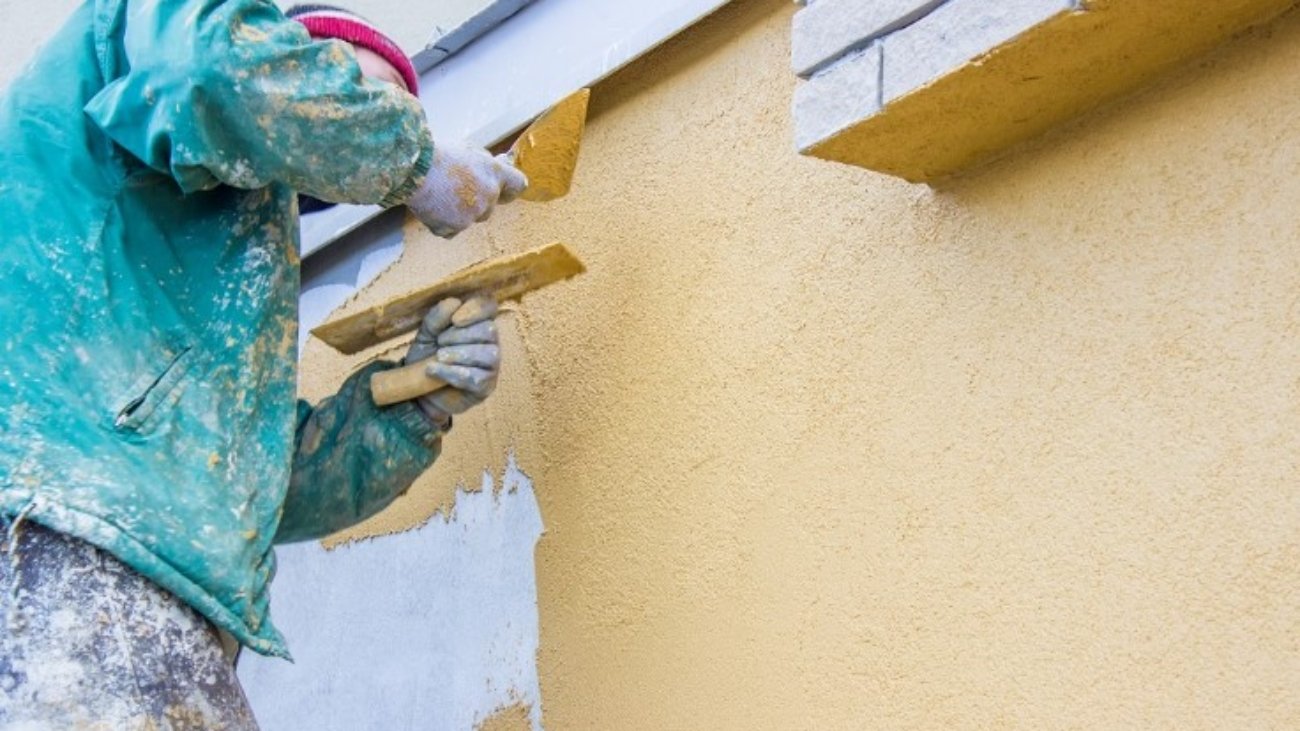
House rendering, the process of applying a specialized mixture of cement, sand, and additives to the exterior walls of a building, serves as a crucial investment for homeowners. While it enhances the aesthetics of a property, rendering is not just about improving curb appeal; it also plays a significant role in protecting your home from various external elements. In this article, we will explore the importance of house rendering and why it should be considered a valuable home improvement project.

1. Aesthetic Enhancement

One of the primary reasons homeowners opt for house rendering is to transform the appearance of their homes. Rendered exteriors offer a sleek, clean, and modern look that can greatly enhance the overall aesthetics. Rendering provides an opportunity to choose from a wide range of finishes, textures, and colors, allowing homeowners to customize the appearance of their homes to match their preferences and the architectural style of the property. This aesthetic transformation can significantly boost the curb appeal of the house, making it more visually appealing to both residents and visitors.

2. Protection Against the Elements

House rendering serves as a protective barrier for your property’s exterior walls. It acts as a shield against various external elements, including rain, wind, UV radiation, and temperature fluctuations. Here’s how rendering offers protection:

  • Moisture Resistance: A waterproof render prevents moisture from penetrating the walls. This is crucial in preventing issues like dampness, mold growth, and water damage, which can compromise the structural integrity of your home.
  • Weatherproofing: Rendering acts as a weatherproofing layer that shields your home from the effects of harsh weather conditions, including heavy rainfall, extreme temperatures, and strong winds.
  • Crack Prevention: The flexibility of mineral or silicone render helps prevent cracks in your walls, keeping them intact and durable even in challenging weather.

3. Improved Durability

Rendering contributes to the overall durability of your home. It helps protect the underlying structure of your walls, reducing the risk of deterioration over time. This increased durability translates to fewer maintenance costs and a longer lifespan for your property. With proper care and maintenance, rendered exteriors can remain in excellent condition for many years.

4. Enhanced Energy Efficiency

Energy efficiency is a growing concern for homeowners. House rendering can play a role in improving the energy efficiency of your property. By adding an additional layer of insulation to your exterior walls, rendering helps regulate indoor temperatures. This means less heat loss during the winter and a cooler interior during the summer. As a result, you’ll see reduced energy bills and enjoy a more comfortable living environment.

Conclusion

House rendering is not merely a cosmetic upgrade for your home; it’s a practical and valuable investment. It enhances aesthetics, provides protection against the elements, improves durability, enhances energy efficiency, and increases property value. Whether you’re looking to refresh the look of your home, prevent moisture-related issues, or make your property more energy-efficient, mineral or silicone render offers a range of benefits.

8 Things to consider before buying an iron door online

8 Things to consider before buying an iron door online

8 Things to consider before buying an iron door online

Affordable iron door design is a battle that is still being fought. Many businesses struggle to maintain quality without significantly raising prices as the cost of materials rises. A lovely front door is crucial to creating a wonderful first impression because it is the first thing guests will see when entering your home.

One of the typical ways to improve curb appeal and welcome guests into your home is with an iron entry door. It is advisable to conduct some research before buying front doors, regardless of whether you want to build a new home or replace your old iron entry doors. Here are some factors to consider when purchasing iron front doors online.

1. Style Quotient

Iron’s inherent qualities enable craftspeople to form it into any shape or pattern. As a result, you can alter the iron door to represent your personal preferences or have it built to complement the architectural design of your home. You may browse from a variety of iron patterns to locate the front doors that are perfect for you before selecting the one that you would like to purchase.

2. Door’s Size

Please measure the current rough opening of your entryway in order to establish the appropriate size for the iron doors. Approximately, 1.5 inches wide and 1 inch tall as compared to the door frame should be the rough opening. You can download Measuring Guides to make accurate judgements as the slight change or difference can turn problematic for you.

3. Quality of the door

The quality of iron entry doors is a major concern. A heavy duty iron door should be purchased; these are commonly composed of 12 to 16 gauge iron. The iron is thicker the lower the gauge. Iron doors of a high caliber can withstand the elements and provide adequate security against attackers.

4. Is the door energy efficient?

A door made of iron that has strong insulation can cut down on air leakage, which lowers energy costs. High-density foam insulation and multiple-pane insulated glass are standard on all high-quality and energy-efficient iron entry doors.

5. Glass Types and lighting

For various levels of light and privacy requirements, iron doors are available with a variety of glass choices. Daytime natural light is enhanced by clear windows. The forest glass, often referred to as rain or water cubic glass, permits both the admission of natural light and privacy. The inclusion of sidelights and transoms, two more glass elements, results in a wider, more illuminated doorway.

6. What will be the maintenance?

Maintenance should be a major consideration when buying a new front door for your house. Iron doors require less upkeep than other kinds of doors and are resistant to chipping and cracking. Aside from the iron’s durability, an operable glass panel allows you to simultaneously wipe both sides of the glass.

7. Does it come with a warranty?

The guarantee is yet another essential consideration when purchasing iron doors online. Never choose a door company whose website doesn’t list its warranty terms. All iron doors ordered from a reputed brand come with a 3-year frame guarantee and a 2-year finish warranty.

8. What will be the installation cost?

On the market, pre-hung iron entry doors are the norm. Pre-hung doors include the door frame, slab, and additional hardware that make installing the doorway easier and quicker. A pre-hung iron door is a good option if you’re building anything from scratch. Such pre-hung doors are certainly going to cut costs over the manpower.

Conclusion

We hope you get a clear idea of what to and what not to do when buying an iron door online. If you find yourself still in confusion then consult the professional experts on iron doors – Precise Iron Doors and make a mindful purchase.

This real estate developer is happy that new home construction is falling

This real estate developer is happy that new home construction is falling

A version of this story first appeared in CNN Business’ Before the Bell newsletter. Not a subscriber? You can sign up right here. You can listen to an audio version of the newsletter by clicking the same link.


New York
CNN
 — 

Recent headlines point to a slumping US housing market — as mortgage rates average near 7{d4d1dfc03659490934346f23c59135b993ced5bc8cc26281e129c43fe68630c9}, an increasing number of potential homebuyers are finding it difficult to finance homes.

Mortgage applications fell in late February to a 28-year low, according to the Mortgage Bankers Association. But some of the country’s largest homebuilders are undeterred.

David O’Reilly, CEO of the real estate developer Howard Hughes Corp., told CNN that he’s “cautiously optimistic” that the residential housing market is rebounding after a downturn in the second half of 2022.

Before the Bell spoke with O’Reilly about Howard Hughes Corp

(HHC)
. and his outlook for the market.

This interview has been edited for clarity.

Recent data point to doom and gloom for the housing market. What are you seeing?

O’Reilly: I hear the headlines and they generate a lot of clicks, but I don’t see the death and destruction or anything close to what we saw during the global financial crisis. This, in my estimation, will be a very modest downturn. First, as a country, we’re short between four and five million homes. We just haven’t built enough to keep up with household formation since the global financial crisis. In most markets, we’re close to record lows in terms of inventory for homebuilders.

Sure, home prices are down but we’re just giving back some of the gains we saw in 2020. We’re still making an outsized profit relative to historical norms. When you hear about homebuilders buying down mortgage rates [contributing part of the purchase price upfront], they’re doing the things that they should do to help move inventory and they’re doing it very profitably.

David O' Reilly, CEO of the real estate developer Howard Hughes Corp. This real estate developer is happy that new home construction is falling.

Are you having issues attracting new buyers because of higher mortgage rates?

The mortgage rate is less impactful to homebuyers than the volatility of interest rates.

When interest rates are moving, rising or falling quickly, they create a pause amongst buyers because they want to know where it settles out. No one wants to lock in if they think the mortgage could be cheaper in a month. I think homebuilders have, to a large extent over the past several months, tried to take some of the volatility out of the market. Some of the volatility has come out naturally as the rate increases have been consistent with expectations and mortgage rates have behaved normally, but some of the risk and uncertainty has been taken out because home builders are saying we’re gonna lock in your rate at, you know, 4.99{d4d1dfc03659490934346f23c59135b993ced5bc8cc26281e129c43fe68630c9} or 5{d4d1dfc03659490934346f23c59135b993ced5bc8cc26281e129c43fe68630c9}, for a year or two.

Even though that 5{d4d1dfc03659490934346f23c59135b993ced5bc8cc26281e129c43fe68630c9} rate is much higher than the 3{d4d1dfc03659490934346f23c59135b993ced5bc8cc26281e129c43fe68630c9} rate a couple of years ago, it gives the consumer confidence to act without the uncertainty of rate volatility.

Are we in a housing recession?

In the second half of 2022 we saw a meaningful downturn in home sales nationally. We saw meaningful reductions across the board. But I’m cautiously optimistic that we’re starting to see a turn. I find it encouraging that home sales for the past several months have increased.

But what about new housing starts? Construction is falling.

New housing starts continue to fall — to me, that’s great news. During the second half of 2022 we saw the cancellation rate on new home sales surge. Those cancellations left a lot of standing inventory — home builders with homes that they were building for someone that canceled sitting on them.

The fact that they’re selling more but building less tells me that they’re eating through that inventory. And that is a great sign for the rest of this year.

▸ It’s all about the labor market this week as a slew of jobs data for February is set to be released.

Last month’s massive surprise — 517,000 jobs were added to the US economy when economists were expecting 185,000 — sent the stock market reeling. Investors are hoping that numbers fall back down to earth to help cool the economy and inflation along with it. If they don’t, expect market swings as the Fed will face more pressure to hike interest rates to keep prices in check.

ADP’s private payroll report for February and the JOLTS job openings, hires and quits report for January are expected Wednesday. On Thursday, Challenger, Gray & Christmas is set to release its job cuts numbers for February, and Friday brings the main show — the US jobs report for February.

Analysts expect that the economy added 200,000 jobs in February and the unemployment rate is expected to remain at a historically low 3.4{d4d1dfc03659490934346f23c59135b993ced5bc8cc26281e129c43fe68630c9}.

▸ Speaking of the Fed, Chairman Jerome Powell will be on the hot seat this week as he testifies before the Senate on Tuesday and the House of Representatives on Wednesday. In his semi-annual report to lawmakers, Powell will likely stress that the Fed will need to take more action to get inflation back down to its 2{d4d1dfc03659490934346f23c59135b993ced5bc8cc26281e129c43fe68630c9} target. Investors will watch lawmakers question Powell, and he’ll likely be asked to defend his fight to cool the economy, which could hurt wage growth.

▸ President Joe Biden is also expected to unveil his Federal budget proposal for the next year. He’s promised that it will include tax hikes for the wealthy — something that Wall Street typically doesn’t like to hear. While the president’s budget proposal is just that — a proposal — it will likely guide Democratic policy initiatives for the year to come. That means we’ll likely hear more about increasing capital gains taxes and taxes on controversial corporate stock buybacks, two policy proposals that also rattle investors.

Amazon made two recent announcements that don’t sound very good for the company — at least at face value.

The company is pausing construction on its second headquarters in northern Virginia, the company confirmed in a statement to CNN on Friday. Bloomberg first reported news of the pause.

John Schoettler, Amazon’s real estate chief, said the company is pushing back the new headquarters’ second-phase groundbreaking. The first phase is still under construction and expected to open in June.

The company’s decision to pause construction comes just two months after Amazon CEO Andy Jassy confirmed the company would be eliminating more than 18,000 jobs, the largest cut in its history. Amazon hired rapidly in the early years of the pandemic and it is cutting costs as consumers shift their behavior.

But Wall Street applauded the news on Friday. Amazon

(AMZN)
stock surged 3{d4d1dfc03659490934346f23c59135b993ced5bc8cc26281e129c43fe68630c9} higher.

That’s because investors want the company to reduce its expenses as revenue slows and the economic forecast remains dour. Jassy said during Amazon’s fourth quarter earnings report that he plans to do just that.

Amazon also announced on Friday that it will close eight cashier-less brick and mortar stores in Seattle, New York and San Francisco.

Ty Pennington on being ‘the OG’ of home renovation shows 22 years after ‘Trading Spaces’

Ty Pennington on being ‘the OG’ of home renovation shows 22 years after ‘Trading Spaces’

(Photo: HGTV)

Ty Pennington, the OG of household renovation demonstrates, talks about internet hosting HGTV’s Rock the Block. (Photograph: HGTV)

Ty Pennington by no means could have predicted his Tv set occupation longevity when he 1st stepped on the set of Trading Spaces, slinging his instrument belt, again in 2000. About two decades later, the carpenter-craftsman-designer is juggling several displays on HGTV, like Rock the Block, for which he serves as host with his signature large-strength design. The show’s fourth season premieres on Monday.

“It’s funny — when I meet new folks on HGTV, they’re like, ‘Oh my God, you happen to be the OG,'” he tells Yahoo Entertainment. “And I’m like: Oh my God, how did I develop into the OG? How did I grow to be the oldest dude doing this?”

Pennington, 58, claims “not only would I not have predicted this, but if I had, I would have acquired in inventory in House Depot right away. It’s mad how it made a genre” with total Television networks devoted to residence improvements. “It was the 1st present to set actual applications in the palms of home owners. Regardless of whether they can do it or not, it proved that they could appear close. It despatched everybody to a household improvement store, stating, ‘Let’s do it ourselves,’ and that started out the total Diy craze.”

The Georgia indigenous suggests it is really wild to now “fulfill younger folks who are going to SCAD,” Savannah Higher education of Artwork and Layout or other structure educational institutions, and they explain to him, “‘I desired to grow to be a designer and artist due to the fact I observed you'” on TLC or afterwards as host and lead carpenter of NBC’s Extreme Makeover: Dwelling Edition for nine seasons. “It’s magnificent to know that you influenced persons to not only get on their rest room, but to it’s possible even choose on a profession undertaking specifically the identical issue you did.”

Pennington’s had to roll up his sleeves in his different Television employment — whether or not it was producing a number of items of customized household furniture on a $45 budget on Buying and selling Areas (which was briefly rebooted in 2018, bringing him back 14 yrs immediately after he very first quit) or renovating the residences of households dealing with hardships on a restricted deadline on Excessive (try to remember: Transfer! That! Bus!) — so hosting Rock the Block is a lighter elevate.

“In comparison to what the rivals have to go as a result of, currently being a host is the aspiration occupation,” Pennington suggests of the exhibit which sees four groups of HGTV all-stars design residences on a Berthoud, Colo., cul-de-sac. Every 5,000-sq.-foot household is valued at $1.9 million prior to the $250,000 every designer is specified for updates and renovations that must be finished in 6 weeks.

“I get to have the enjoyable and phone out what the issues are,” he says, and then watches as the teams “attempt and figure out what they’re heading to do.” He’s impressed by what he noticed from opponents Bryan and Sarah Baeumler (Renovation Island), Michel Smith Boyd and Anthony Elle (Luxe for A lot less), Jonathan Knight and Kristina Crestin (Farmhouse Fixer) and from Fix My Flip, billion-dollar real estate broker and household-flipping skilled Webpage Turner and Mitch Glew.

“You will find some thing in each one room that you might be like: That was a great believed,” he suggests. “I am an artist so I am constantly on the lookout to be shocked layout-clever. How are you going to do some thing I have hardly ever noticed? This period, you get that in a large way.”

Though the opponents sweat it out, as host he bought “to kind of just be my jovial self” on the established — and, yes, he often has that massive electricity, he says. “The trouble with doing all the get the job done your self is the strain hits you. And it really is tough to be jovial all the time. So at this age, I’m far better off just getting jovial and enjoyment.” (He talks about earning the crew snicker, when cameras usually are not rolling, by telling amusing stories, which he dubs “Ty Time.”)

That explained, Pennington — who also stars as a mentor/designer on HGTV exhibit Battle on the Seaside, which is in production on Time 2 — admits he’s also “a incredibly aggressive human being” so there was section of him that felt he was missing out by not competing. Furthermore, “I also am 1 of these persons who’s a regulate freak. I like to do perform. Regardless of what the job is, I like to be involved.”

“So I like it all,” he claims. “Appear, I have completed just about almost everything there is to do — except mind surgery — so I am amazing with whatever job they toss my way.”

Pennington admits that now which is he is married — to wife Kellee Merrell considering the fact that November 2021 — he normally takes a various solution in picking out his assignments, specially types that choose him absent from their dwelling foundation of Savannah, Ga., exactly where they are renovating a historic household with each other.

“Let us confront it, you certainly have a different method about everything when you’re married,” he suggests. “It truly is since it truly is no for a longer time just your determination.”

But Pennington, who has his have house design and style line and has composed quite a few books, claims his Tv set job has truly helped him be a superior associate and collaborator in basic.

“I have been actually lucky that I’ve worked with some great individuals more than the decades,” he suggests. “When I remaining Trading Areas, I was so exhausted of just staying the carpenter. I preferred to distribute my wings and clearly show that I was also a designer and imaginative. Then I confirmed that off in spades.”

He carries on, “As an individual like me — growing up with ADHD,” which he was diagnosed with in school, “we’re constantly hoping to confirm to others how talented we are, that we bought a reward and we have really worth. But I’m to that position that I never even have to do that any more, which I battle with because my instinct is trying to establish to you, ‘You got to search at this! I did this painting!’ — like the child putting the artwork on the fridge. I am even now that human, but you get to a selected age that you comprehend listening to other people’s opinions, observing the room from a distinctive perspective, only tends to make the undertaking much better.”

That applies professionally — and when it arrives to his partnership with his spouse, a social media supervisor initially from Vancouver.

“What I like is Kellee is also extremely creative — and she’s also not gonna get no for an response,” he claims. “So she’ll say, ‘Your viewpoint is very good, but it won’t imply it’s far better than mine.’ And I assume which is the way lifestyle is. You learn that it can be not just creating oneself happy. Often a ton of these style and design assignments you do, even what I did on Extraordinary, the reason you do them was to make any individual else delighted. So I assume getting a nice, pleased medium in which — you gotta understand to bend.”

Pennington adds with a smile, “Luckily for us, I’m a Libra. My intention is just to make every person satisfied. So it performs.”