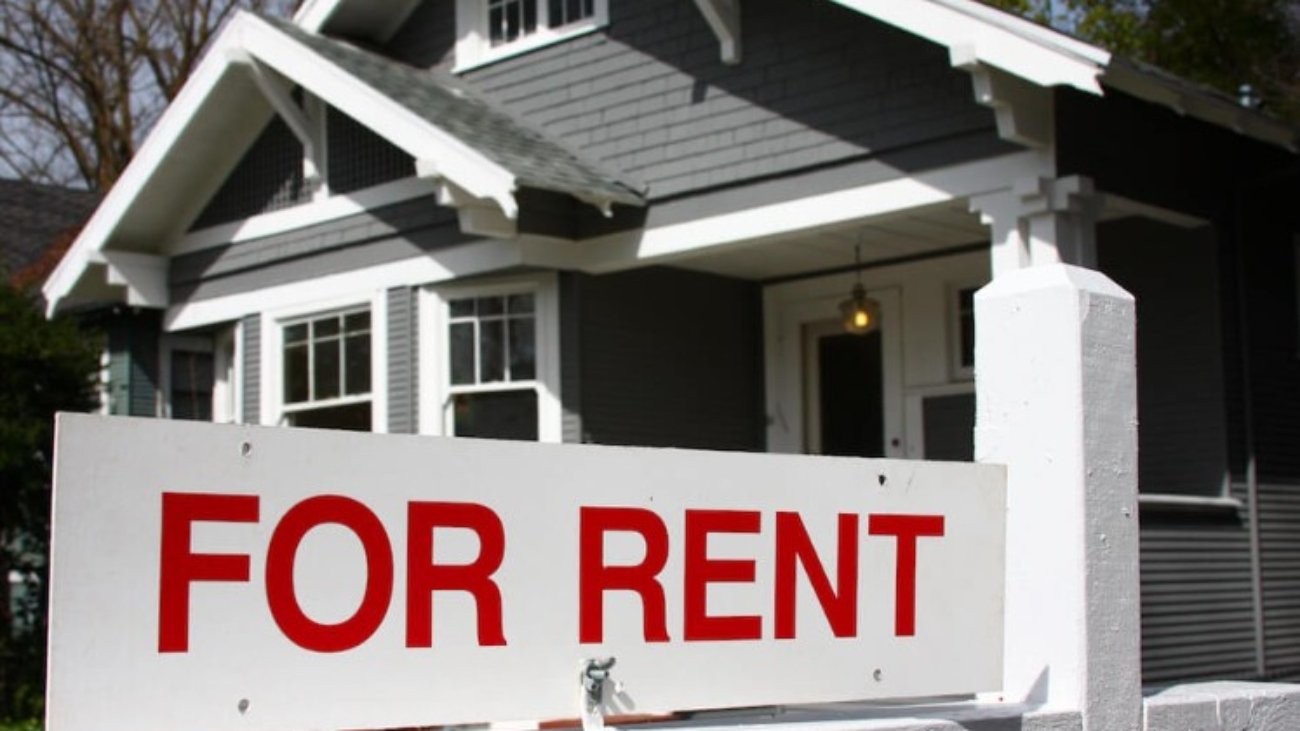
Property to Rent – Houses to Rent

Property to Rent – Houses to Rent

Property to Rent – Houses to Rent

I still remember the first time I went house hunting as a tenant. My expectations were high—I wanted a big kitchen, a little garden for weekend BBQs, and of course, rent that wouldn’t eat up half my paycheck. Let’s just say I quickly learned that the rental market doesn’t always care about your wish list. I toured at least a dozen properties before realizing that compromise is pretty much part of the deal.

Over the years, I’ve rented in different neighborhoods—some were gems, others… well, let’s just say I wouldn’t go back. Through trial and error, I picked up a lot about how to actually find good houses to rent, avoid sneaky landlord tricks, and make smart decisions so you’re not regretting it six months later. If you’re on the hunt for a house to rent, maybe my story and the little lessons I’ve picked up can save you some frustration.

Why Renting a House Feels Different from Renting an Apartment

When I first moved out, I thought renting a house would be the same as renting an apartment, just bigger. Nope. Renting a house comes with extra responsibilities—sometimes you’re expected to mow the lawn, shovel snow, or even maintain the gutters. I once had a landlord who reminded me every month about trimming the hedges, and honestly, I had no idea how to use hedge clippers.

But the upside is space. Houses give you room to breathe, more privacy, and often better parking (unless you end up on a tight street where you’re battling neighbors for a spot). Plus, if you’re renting with roommates or a family, it just makes sense to have the extra bedrooms.

The Mistakes I Made Looking for Houses to Rent

Let me confess—I’ve made just about every mistake in the book. The biggest one? Not reading the lease carefully. One time, I signed without noticing the “no pets” clause, and two weeks later I showed up with my rescue dog. You can imagine how that went.

Another mistake was rushing. I once jumped on a property because I was afraid it would get rented out fast. Turns out, there was a major plumbing issue the landlord “forgot” to mention. Within a month, my basement was flooded. After that, I made it a rule: never sign until you’ve checked the water pressure, opened every cupboard, and asked way too many questions.

Tips for Finding Houses to Rent Without Losing Your Mind

Here’s what I’ve learned the hard way:

  • Set a realistic budget. Don’t just think about rent—add utilities, internet, trash collection, and sometimes even yard maintenance. A house I rented once looked cheap at first, but the heating bill in winter was triple what I expected.
  • Location matters more than you think. I rented a house once that was cheap and spacious, but it was 45 minutes from work. The commute wore me down and cost me more in gas than I saved in rent.
  • Inspect everything. Check the windows, doors, plumbing, and even the cell phone signal inside the house. I once rented a place where my phone dropped calls constantly, which made working from home a nightmare.
  • Ask about responsibilities. Will you be in charge of mowing the lawn or does the landlord hire someone? One place I rented gave me a fine for letting weeds grow too tall—I didn’t even know that was a thing!

Negotiating Rent – Yes, You Can Try

Most people think rent is set in stone. But I’ve actually had some luck negotiating. In one case, the landlord wanted $1,500/month, but the place had been sitting vacant for a while. I offered $1,350 and promised to sign a one-year lease right away. He agreed. The trick is to be polite but firm, and back it up with reasons—like pointing out comparable listings in the area.

Sometimes you can’t lower the rent, but you can ask for extras. I once got my landlord to include Wi-Fi and lawn care just by asking. It never hurts to try.

The Red Flags to Watch Out For

There are definitely some shady landlords and sketchy properties out there. A few warning signs I’ve learned to recognize:

  • They avoid paperwork. If someone says “we don’t need a lease, just pay cash,” run. That’s not just risky, it’s illegal in most places.
  • The rent feels way too low. If it seems too good to be true, it probably is. I once toured a house that was super cheap—later found out it had black mold in the basement.
  • They won’t let you tour in person. Always see the property before handing over money. I almost got scammed by someone who refused to show the house but wanted a “deposit” upfront.
  • Maintenance delays. If it takes them weeks to answer your questions while you’re still a potential tenant, imagine how slow they’ll be once you’re locked in.

The Emotional Side of Renting a House

I’ll admit—house hunting can get exhausting. At one point, I started to feel like every decent rental was out of my league. I’d scroll through listing sites at midnight, wondering if I’d ever find a place that checked enough boxes. Then, out of nowhere, the right house would pop up.

There’s something satisfying about turning the key on move-in day, walking into a space that finally feels like yours (even if just for a while). I learned to celebrate the small wins—like finding a rental with a dishwasher after years of scrubbing dishes by hand.

Moving Into a Rented House – What I Learned the Hard Way

Moving in is another beast altogether. My biggest regret? Not documenting the condition of the property. When I moved out of one place, the landlord tried to keep my deposit for “damaged walls.” Thankfully, I had photos from move-in day showing the scuffs were already there.

Now, every time I move, I take a full set of pictures and videos. I also make sure to test appliances right away—nothing’s worse than discovering the oven doesn’t work the night before Thanksgiving dinner (yes, that happened).

Making a Rented House Feel Like Home

One of the hardest parts of renting is that you can’t always decorate the way you want. I once asked a landlord if I could paint the walls, and he looked at me like I’d asked to tear the place down. But there are tricks—peel-and-stick wallpaper, rugs, and even smart lighting can transform a place without breaking the lease rules.

My favorite hack is command hooks. They let you hang art, curtains, or even lightweight shelves without leaving marks. A little personal touch goes a long way in making a rental feel less temporary.

Why Renting Isn’t Throwing Money Away

I used to feel guilty about renting, like I was just throwing money down the drain instead of investing in a home. But over time, I realized renting has its perks. You’re not tied down, you don’t have to pay for major repairs, and you can move if your job or life changes.

One year, I had to relocate suddenly for work. Because I was renting, it was simple—I finished out the lease, packed up, and left. If I’d owned a house, selling it would’ve been a nightmare. Renting gave me flexibility, and sometimes that’s more valuable than building equity.

Lessons I’d Share With Anyone Renting a House

If I could go back and give my younger self advice, here’s what I’d say:

  1. Don’t rush. The right property will come along.
  2. Read every word of the lease, even the boring parts.
  3. Take photos and keep records—it might save your deposit.
  4. Always ask questions, even if they feel silly.
  5. Remember, it’s temporary. Don’t stress if it’s not perfect.

Final Thoughts

Finding the right property to rent—especially a house—can be stressful, messy, and even a little discouraging at times. But when you finally land a place that fits your budget and lifestyle, it’s worth it. Over the years, I’ve learned to approach renting with patience, curiosity, and a healthy dose of skepticism.

Houses to rent aren’t just about four walls and a roof—they’re about the little stories you collect along the way. From broken dishwashers to surprise rent negotiations, every rental has taught me something new. And who knows, maybe the next one will be the one that feels just right.

Frequently Asked Questions About Houses to Rent

  1. How do I find houses to rent in my area?

The easiest way is to start online. Websites like Zillow, Rightmove, or local rental platforms usually list available properties with photos, rent prices, and landlord details. Don’t forget to check Facebook groups, community boards, and word of mouth—some of the best deals never make it onto big listing sites.

  1. How much deposit do I need for a rental house?

Most landlords ask for a security deposit equal to one month’s rent, but in competitive areas it can be up to six weeks of rent. This money is usually refundable as long as you leave the house in good condition when moving out. Always make sure your deposit is placed in a registered tenancy deposit scheme if you’re in the UK, or held in a secure account if you’re renting elsewhere.

  1. What checks do landlords do before renting a house?

Typically, landlords will run a credit check, background check, and employment verification. They want to make sure you can pay rent on time and have a stable income. Some landlords also ask for previous landlord references. If your credit score isn’t great, offering a guarantor or larger upfront payment might help.

  1. Can I negotiate rent on a house?

Yes, you can. If the property has been on the market for a while, landlords are often open to negotiation. You might not always get a lower monthly rent, but you could ask for perks like free Wi-Fi, lawn maintenance, or even reduced pet fees. Always compare similar properties in the neighborhood so you have solid reasons for your offer.

  1. Are utilities included when renting a house?

It depends on the landlord and the lease agreement. Some rental houses include utilities like water, trash, or even internet, while others require tenants to pay everything separately. Always confirm before signing—hidden utility bills can make a “cheap” rental much more expensive.

  1. What should I check before signing a lease for a rental house?

Inspect everything! Test water pressure, check for damp or mold, and make sure appliances work. Ask about maintenance responsibilities like lawn care or snow removal. And of course, read the lease carefully—especially clauses about pets, guests, or early termination.

  1. How long are typical house rental agreements?

Most rental agreements are for 12 months, but some landlords offer 6-month or even month-to-month leases. If you need flexibility, ask upfront about shorter terms. Just keep in mind that shorter leases may come with slightly higher rent.

  1. Can I decorate a rented house?

Usually, you’re limited. Many landlords don’t allow painting or drilling holes, but temporary solutions like removable wallpaper, command hooks, and area rugs can transform the space without breaking the rules. Always get written permission if you want to make permanent changes.

  1. Is renting a house better than renting an apartment?

It depends on your lifestyle. Houses usually give you more space, privacy, and outdoor areas, while apartments can be cheaper and easier to maintain. If you’re renting with a family or need extra bedrooms, a house often makes more sense. But if convenience and lower costs are your priority, an apartment might be better.

  1. What happens if I break my lease on a rental house?

Breaking a lease usually means you’ll be responsible for paying rent until the landlord finds a new tenant, or you might lose your deposit. Some leases include an early termination clause with a set fee. Always read the terms carefully and, if needed, negotiate with your landlord—they may be willing to work with you if you communicate early.
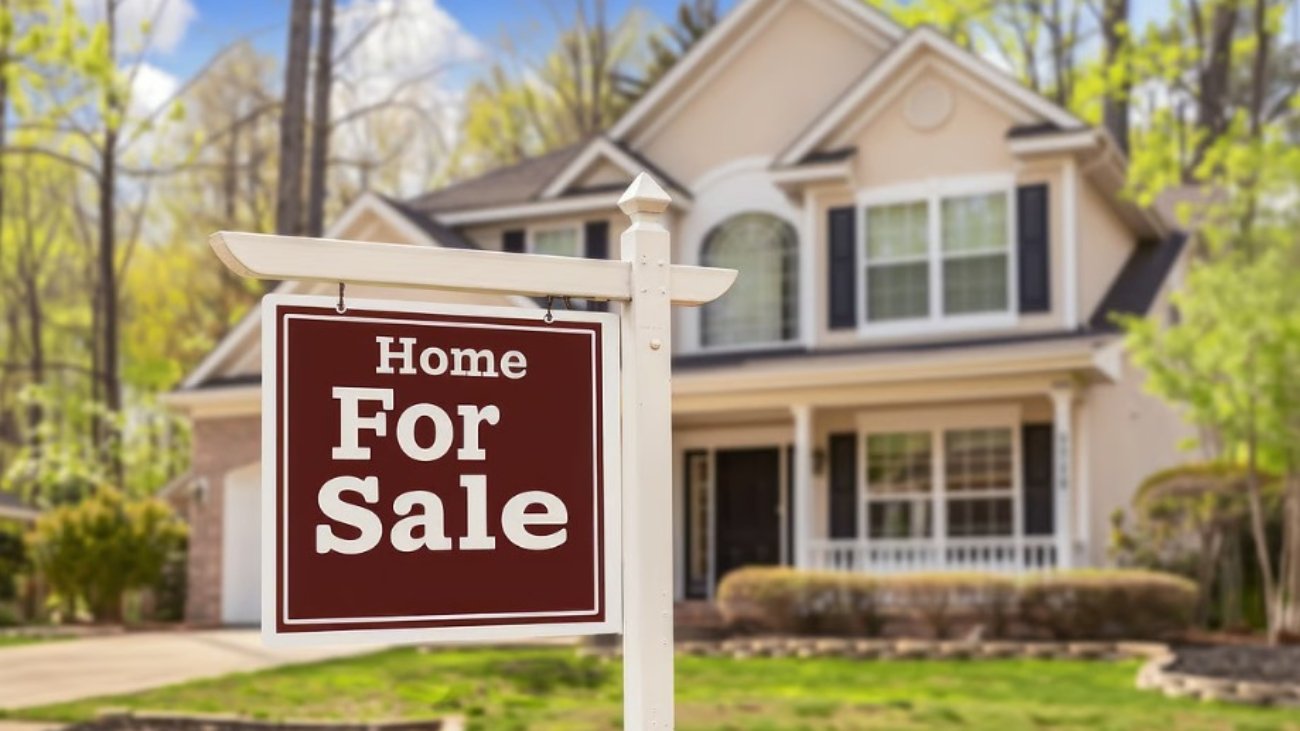
Get Cash for Your Home—No Repairs Needed

Get Cash for Your Home—No Repairs Needed

Selling a home can be a stressful experience, especially when repairs are necessary. If your home is in need of repairs or you simply don’t have the time or money to make them, selling it as-is might be the best solution. You may be wondering, “Can I still get a good price if my home needs work?” The answer is yes! There are cash buyers who are willing to purchase your home as-is, and you can receive cash offers for damaged homes without the hassle of fixing anything. If you’re looking to sell your home quickly without repairs, selling as-is is a great way to achieve that goal.

The process is simple, fast, and free of stress. Whether your home needs major repairs or minor cosmetic updates, selling to cash buyers for homes in any condition is a great option. You can avoid the lengthy process of listing with a realtor, showing the home to potential buyers, and negotiating repairs. Instead, you can skip straight to the closing table with a fair cash offer and move on with your life.

Why Sell Your Home As-Is for Cash?

The idea of selling a home that requires repairs can be intimidating. The costs of fixing up a home—painting, updating outdated fixtures, replacing old flooring, and much more—can quickly add up. This process can be time-consuming and expensive. However, selling as-is for cash allows you to skip all of that.

Cash buyers no repairs home sale means you won’t have to deal with inspections, appraisals, or potential buyers backing out because they don’t want to fix the property. Whether you’re selling a home that has suffered from fire damage, water damage, or just general wear and tear, cash buyers for homes in any condition are ready to make an offer.

Selling a house as-is offers several advantages. For one, you don’t have to worry about cleaning up or staging the home. There’s no need for you to put in hours of work preparing the property for showings. Buyers interested in as-is homes understand the condition of the property upfront and are ready to make an offer based on that condition. This translates into a quick sale, no renovations required, and you can move on with peace of mind.

How Does the Process Work?

The process of selling your home as-is for cash is simple and efficient. Here’s how it works:

Reach out to a trusted cash buyer. This can be done online or by phone. You’ll provide some basic information about your property, such as its location, condition, and any issues it may have.

Once your details are received, the buyer will assess your home and provide a fair cash offer. This offer will be based on the current condition of the house and the market conditions. You don’t have to worry about appraisals or inspections delaying the process.

If you accept the offer, the buyer will work with you to set up a quick closing home sale. In many cases, this can happen within just a few days or a couple of weeks. The buyer will take care of most of the paperwork, and you won’t need to pay for repairs, real estate commissions, or closing costs.

Selling to a cash buyer for your home eliminates the traditional home-selling hurdles. There’s no need for waiting around for buyers to get financing, no repairs to make, and no dealing with buyer contingencies.

Common Questions About Selling As-Is for Cash

What does “selling as-is” mean?

Selling as-is means that you sell the property in its current condition, without making any repairs or updates. The buyer agrees to purchase the property regardless of its state, and the sale price reflects the condition of the home.

How long does it take to sell a house as-is?

The process of selling a home as-is for cash can be completed much faster than traditional sales. Fast cash home sale no fixes can often be done in as little as 7 to 14 days. This is a significant reduction from the typical 30 to 60 days it takes to close on a traditional sale.

Do I need to make repairs before selling my house as-is?

No! One of the main benefits of selling as-is is that you don’t need to make repairs. Whether your home needs minor updates or major repairs, cash buyers for homes will take the property as-is, without you having to spend any time or money on fixes.

Will I get a fair price for my home if I sell it as-is?

Yes, cash offers for damaged homes are based on the current condition of the house, but they are still fair offers. While it may not be the full market value, you won’t need to worry about making repairs, cleaning, or paying agent commissions, so you can walk away with a clean slate and cash in hand.

Are there any fees or costs associated with selling as-is?

When you sell your home to cash buyers, there are typically no fees or commissions. Unlike traditional sales, where you might pay agent fees, repair costs, and closing costs, selling to no-hassle cash home buyers means the offer you receive is the amount you’ll walk away with.

Why Choose to Sell Your Home As-Is?

Selling your home as-is to a cash buyer offers a range of benefits, especially if you need to sell quickly or don’t have the time or money to make repairs. Here’s why this option could be the best fit for you:

Selling your home as-is means no repairs are necessary, and you can move forward with cash in hand. You won’t have to spend money on upgrades or cleaning. You avoid the traditional selling process, including showings, inspections, and appraisals. You can close on your timeline, often in as little as 7-14 days. You won’t pay agent commissions, closing costs, or repair costs.

If you’re ready to sell your home as-is, get a fair cash offer, and close quickly, selling to cash buyers for homes in any condition is a great option. You’ll be able to move on quickly without the stress and delays of traditional sales.

Visitus to get started today and find out how easy it is to sell your home as-is for cash. If you’re looking to sell your house fast without repairs, Trusty House Buyers can make it happen with a cash offer for your home today!

Pricing Right According to Market Trends

Pricing Right According to Market Trends

Pricing your home correctly is one of the most important decisions you’ll make when selling. If your price is too high, your property may sit on the market for months without attracting buyers. If the price is too low, you might leave money on the table. Understanding the market trends and how they influence property pricing is key to making an informed decision. By setting the right price according to current market conditions, you can sell your home faster and for the best possible price.

At Daniels We Buy Homes, we understand the importance of pricing in today’s real estate market. Our team uses a detailed market analysis to ensure that your home is priced competitively. Whether you’re looking to sell your house quickly or get the most value from your property, we’ll help you navigate this process with confidence. In this blog, we’ll dive into how market trends influence your sale and provide tips on how to set the right price for your home.

Understanding Market Trends and Their Impact on Pricing

The real estate market is constantly shifting, and these shifts can have a significant impact on home value. When determining how to price your home, it’s important to consider the broader market trends at play. These trends can include changes in buyer demand, economic factors, interest rates, and local market conditions.

For instance, in a seller’s market, where demand outpaces supply, you might have more flexibility to price your home higher. On the other hand, in a buyer’s market, where inventory exceeds demand, you may need to price your home more competitively to attract offers. The key is staying informed about the current state of the market and adjusting your pricing strategy accordingly.

Understanding buyer preferences also plays a significant role in pricing. Homes with modern features, upgrades, and desirable locations can command higher prices, especially in certain market conditions. Conversely, homes that require significant repairs or are located in less desirable areas may need to be priced lower to sell quickly.

The Role of Market Analysis in Setting Your Price

One of the best ways to determine the right price for your home is through a market analysis. This process involves comparing your home to similar properties in your area that have recently sold. By reviewing the sale prices of comparable homes, you can gauge what buyers are willing to pay for homes like yours.

A market analysis takes into account factors such as the size of your home, its condition, and its location. It also considers other important elements like the age of the home, the number of bedrooms and bathrooms, and any special features or upgrades that could increase the value.

An experienced real estate investor or agent can help you understand how your property compares to others in the real estate market and give you a realistic price range based on current market trends. This step is crucial in helping you avoid overpricing or underpricing your home, ensuring that you’re positioned to attract buyers while maximizing your return.

Competitive Pricing and Its Impact on Buyer Interest

Pricing your home competitively is one of the most important aspects of attracting potential buyers. Competitive pricing doesn’t necessarily mean pricing your home low—it means pricing it based on what buyers are willing to pay in the current market.

In a seller’s market, where inventory is limited and buyer demand is high, you may be able to set a higher price and still receive offers quickly. However, in a buyer’s market, you’ll need to be more strategic with your pricing to remain competitive against other homes on the market.

One of the key pricing tips to keep in mind is that buyer preferences can shift over time. Features like energy-efficient appliances, updated kitchens, and open floor plans can make a home more appealing and allow you to price your property higher. On the other hand, if your home requires significant repairs, you may need to adjust your pricing accordingly to ensure that buyers are still interested.

By using competitive pricing, you’re positioning your home to stand out in the market, attracting the right buyers who are willing to make offers quickly.

Financial Considerations When Pricing Your Home

When pricing your home, it’s important to take your financial considerations into account. What do you need to get from the sale? Are you hoping to pay off debt, fund a move, or achieve a certain profit margin? Understanding your financial goals will help guide your pricing strategy.

Additionally, keep in mind that selling a home comes with costs. These may include agent commissions, closing costs, repairs, and home staging. It’s important to factor these expenses into your pricing decisions to ensure that the sale of your home meets your financial needs.

If you’re under time constraints, it may be necessary to lower the price slightly to ensure a quick sale. In this case, competitive pricing can help generate interest quickly, and the sale can be completed within your desired timeframe.

Timing and Market Trends

The timing of your sale can have a significant impact on how much you can ask for your home. The real estate market fluctuates throughout the year, with certain times being better for selling than others. Traditionally, spring and summer are the peak selling seasons, when more buyers are actively looking for homes.

However, depending on your location and the current market conditions, selling during off-peak months like fall or winter can also be advantageous, as there may be less competition. Homes priced well in these slower months can stand out and attract motivated buyers looking to make a deal before the year ends.

In either case, aligning your sale with market trends can help you achieve the best possible outcome. Whether you’re selling a home in a competitive market or waiting for the right opportunity, understanding the timing of your sale is just as important as pricing it right.

Common Questions About Pricing Your Home

  1. How do I determine the right price for my home? Conduct a market analysis to compare your home to similar properties in your area. Take into account current market trends, buyer preferences, and the condition of your home to set a competitive price.
  2. What happens if I price my home too high? Pricing too high can result in your home sitting on the market for a long time, leading to reduced buyer interest. Buyers may assume there is something wrong with the home, which can hurt your chances of getting offers.
  3. How can I make my home more appealing to buyers without lowering the price? Small updates, like fresh paint, new hardware, or better landscaping, can make a big difference in a buyer’s perception of your home and increase its appeal without needing to lower the price.
  4. How do market conditions affect my home’s value? Market conditions directly impact property pricing. In a seller’s market, homes typically sell for higher prices, while in a buyer’s market, you may need to lower your price to compete with other listings.
  5. When is the best time to sell my home? While spring and summer are traditionally the best times to sell, the best time depends on your local market trends and the current economic situation. A good real estate agent or investor can help you determine the optimal timing for your sale.

Get an Offer from Daniels We Buy Homes

Selling your home quickly and for a fair price requires an understanding of the market and the right strategy. At Daniels We Buy Homes, we specialize in helping motivated sellers get a cash offer that works for them. Our team uses market analysis to ensure that you receive a fair offer based on current market conditions and buyer demand.

Visit us today to learn more about how we can help you with our buying process. Whether you’re looking for a quick sale or need to make the most of your property, Daniels We Buy Homes is here to help you sell your home with confidence and ease. Let us guide you through the process and get you the best deal possible.

Easy Home Selling: No Stress, No Hassle, Just Cash

Easy Home Selling: No Stress, No Hassle, Just Cash

Selling a home can be a daunting and often stressful process, especially when you’re facing a time crunch, a need for repairs, or other circumstances that complicate the situation. However, it doesn’t have to be that way. The reality is that selling your home doesn’t have to be complicated or overwhelming. With the right approach, you can experience a hassle-free real estate process and an easy property solution—and you could get cash in hand, quickly and without the usual headaches.

Many people are unaware of how easy the home-selling process can be when you choose the right path. If you’re a motivated seller looking to move fast, or simply want to sell your home without a long wait or expensive repairs, this guide is for you. Let’s break down how you can have an effortless home-selling experience and walk away from your property with a fair cash offer.

Stress-Free Selling: What You Need to Know

The traditional home-selling process can be long, drawn-out, and full of uncertainty. If you’re trying to sell through an agent, you may face the challenges of listing your property, scheduling showings, waiting for offers, and negotiating with buyers. Not only that, but you’ll also have to deal with inspections and possibly making costly repairs to attract a buyer.

If this sounds like a process you’d rather avoid, there’s good news. You don’t have to follow the traditional route. When you sell your home to a cash buyer, such as a real estate investor, the process is much simpler, faster, and stress-free. You can avoid the long waits, repairs, agent fees, and the uncertainty of traditional home sales. Instead, you’ll get a quick home sale without the usual stress. In fact, working with cash buyers can often mean closing in as little as a few days.

At the heart of this simple property sale is the option to skip the hassles that often come with traditional sales. Whether you’re looking to sell a home fast due to foreclosure, divorce, relocation, or financial difficulty, a cash offer can provide a quick and reliable solution. With this hassle-free real estate process, you can sell your house quickly, without the added pressure of fixing up your home, paying agent commissions, or dealing with showings.

The Power of a Cash Home Transaction

One of the biggest advantages of selling your home to a real estate investor for cash is the simplicity of the transaction. Unlike traditional buyers, who often need to secure financing or a loan, cash buyers have the money ready and can close fast. This gives you the freedom to sell your house without any delay, and it eliminates the long waiting times that come with traditional home sales.

Cash buyers are also willing to purchase homes in any condition. Whether your home needs significant repairs or is just outdated, you won’t have to worry about fixing anything up. This is especially appealing for homeowners who may not have the time or funds for renovations. A cash home transaction means that you can skip the hassle of repairs and inspections, which are often required when selling traditionally.

For sellers who want an easy property solution, cash buyers offer a straightforward, no-nonsense way to get the job done. There’s no need to worry about contingencies, negotiations, or waiting for buyers to line up financing. Instead, you can receive an offer quickly and move forward with the sale without the usual headaches.

Common Questions About Stress-Free Home Selling

  1. How long does it take to sell my house for cash?
    A cash sale can often close in just a few days or within a couple of weeks, depending on your situation and timeline. This is a major advantage for homeowners who need to sell quickly.
  2. Do I have to make repairs before selling my home?
    No, when selling to a cash buyer, you can sell your home as-is. This means you won’t have to worry about spending money on repairs or renovations.
  3. What paperwork is involved in a cash sale?
    While there will be some paperwork, the process is generally much simpler than a traditional sale. Cash buyers handle much of the paperwork, making the transaction faster and less stressful for you.
  4. How do I know I’m getting a fair offer for my home?
    Cash buyers typically offer a fair price based on the condition and market value of your property. You can always compare offers to ensure you’re getting a competitive deal.
  5. Can I sell my home if it’s in poor condition?
    Yes, cash buyers specialize in homes in any condition. Whether your home needs repairs or is outdated, you can still sell it quickly and for a fair price.

Why Choose a Cash Buyer for a Quick Home Sale?

The real beauty of selling to a cash buyer is the speed and simplicity of the transaction. Selling your home can often feel like a never-ending process, especially if you go the traditional route. However, when you opt for a cash home transaction, you eliminate much of the waiting, uncertainty, and stress that often accompany home sales.

This process gives you a stress-free Selling a home experience. You won’t have to worry about waiting for the perfect buyer to come along or negotiating with real estate agents. Instead, you can focus on the next chapter of your life, knowing that your home sale is moving forward without delay. The quick home sale process means you don’t have to wait for months to finalize the deal.

Furthermore, cash buyers offer an effortless home-selling experience because they typically deal with all the paperwork and logistics, so you don’t have to. This leaves you with more time and energy to focus on what matters to you, whether it’s preparing for a move, handling personal matters, or simply moving forward.

Get a Fast, Stress-Free Cash Offer for Your Home Today

Selling your home doesn’t have to be a long, complicated, and stressful process. If you’re a motivated seller who needs a simple property sale, working with a cash buyer can make all the difference. From the ease of the transaction to the speed at which it can close, a cash offer offers a hassle-free real estate process that you simply can’t get with traditional methods.

If you’re ready for a quick home sale and want to avoid the stress of listing your property or dealing with repairs, we offer a simple and effective solution. At The California Homebuyers, we make selling your home a fast, straightforward process. We offer fair cash offers and can close quickly, so you can get back to focusing on your next steps.

Visit us today to learn more about our buying process and how we can provide you with a cash offer for your home in just a few easy steps. Don’t wait for months to sell your house—choose an easy property solution that allows you to move on with your life in no time.

Ready to sell your house stress-free? Contact us today and get your cash offer!

Top Real Estate Developers in the UAE

Top Real Estate Developers in the UAE

The United Arab Emirates (UAE) has an amazing market for real estate development, and property companies from different countries are eyeing to set up their base in Dubai to open avenues of profits. Be it expats living in UAE or international buyers, Dubai is all set to cater to the diverse requirements of property buyers from different parts of the globe.

Top Real Estate Developers in UAE

Looking for the list of top real estate developers known for their amazing work in real estate? Here is a list of the property developers in the UAE:

  1. Leos Developments

Leos Developments is considered the major player in the UAE real estate market. With a wide range of successful projects and expertise in residential community projects, it is offering diverse property options to buyers looking for high-standard projects in UAE. The company is innovation-driven and delivers projects with a combination of international trends in the market.

  1. Emaar Properties

Emaar Properties is one of the most renowned and influential real estate developers having expertise in offering ultra-luxury projects with commercial, retail, residential, and hospitality projects across different countries like South Asia, the Middle East, and Africa. It is also known for the construction of Burj Khalifa, which is an exemplary architecture worldwide.

  1. Nakheel

Nakheel is another real estate development company in UAE with an eye for innovation and modern living. It is known for the development of iconic projects in Palm Jumeirah, which is a leading residential and commercial destination in the UAE. Some of the top upcoming projects of Nakheel are Jebel Ali Village, a luxury residential development, and Dubai Islands, which will feature hospitality destinations, residential communities, commercial spaces, etc.

  1. Aldar Properties

Aldar Properties is a leading real estate developer popular across the UAE. The company has a diverse project portfolio including residential, commercial, and mixed-use developments.  In Dubai, Aldar Properties has a number of exciting projects in the pipeline for 2023. These include Aldar-Dubai Holding JV, which will feature over 9,000 residential units, as well as retail and community facilities. Another one is The Source at Saadiyat Grove which is a wellness-focused development that will offer 204 apartments and penthouses with stunning views of Saadiyat Island’s cultural attractions.

  1. Omniyat

Omniyat is another privately held real estate development and services group based in Dubai, UAE. The company was founded in 2005 by Mahdi Amjad and has since developed a portfolio of iconic projects, including The Opus, The Residences at The Opus, and VELA, Dorchester Collection. With a focus on luxury and opulence, the company holds expertise in the development of projects ranging from residential, commerce, and mix-use developments.

Role of Real Estate Companies in Dubai

The Real Estate Companies in Dubai are fostering the development of infrastructure, leading to growth in the ecosystem. It is well-liked by buyers from different parts of the globe to invest in various real estate projects of the UAE. This is not only accelerating development but also enabling huge profits for developers in the UAE.

Invest in a French Chateau and Become an Interior Design Pro

Invest in a French Chateau and Become an Interior Design Pro

If you’ve ever dreamed of owning a beautiful French Chateau, now is the time to make your dreams come true. With numerous real estate agencies offering French Chateaux for sale, you can find the perfect home for yourself or your family. And with many interior design courses available online, you can learn how to create your own unique interior design style that reflects the elegance and charm of your new home.

The Benefits of Owning a French Chateau

Having a French Chateau is more than just having an impressive piece of real estate. It’s also an opportunity to be part of history. Many of these homes have been around since the 1500s, so they have a rich and varied past that’s full of stories and secrets waiting to be discovered. Plus, with gorgeous gardens, lush countryside views, and riverside walks, there are plenty of activities for every member of the family to enjoy.

Interior Design Courses

Once you’ve invested in your dream home, it’s time to start making it yours—and that starts with interior design. Thanks to numerous online courses available at all levels from beginner through expert designer, it is easier than ever to learn everything from basic principles and techniques through complex strategies for creating stunning interiors. And when paired with your unique vision for your chateau’s aesthetic, you can develop an incredible look that no one will ever forget—all while learning valuable skills along the way!

Investing in a French Chateau is an exciting opportunity for anyone looking to own their own piece of history or simply upgrade their living arrangements. With so many real estate agencies offering beautiful properties throughout France, you are sure to find something that suits your needs. And if you want to make the most out of your new home by designing its interior yourself with help from online interior design courses, then go ahead! Unleash your inner designer and create something special! Your friends and family will love it—and who knows? Maybe one day soon people will be talking about how gorgeous YOUR chateau looks!