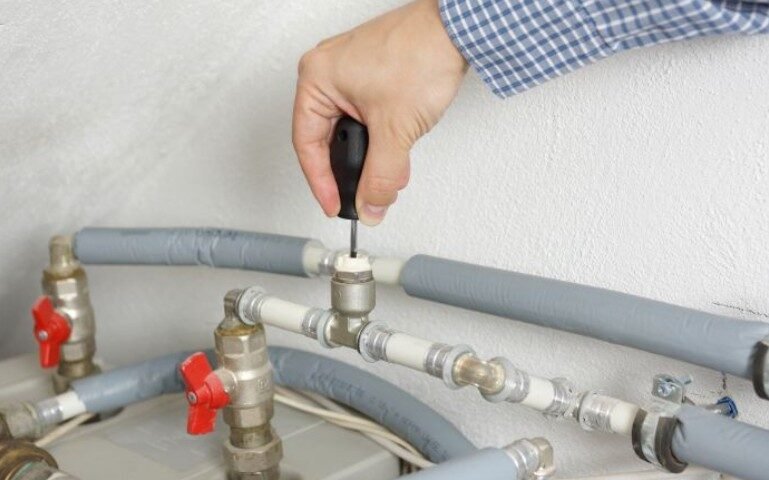
HVAC systems rarely fail all at once. In most cases, one small component breaks down first and can trigger bigger problems if left unnoticed. Knowing which parts fail most often helps homeowners spot warning signs early, avoid surprise breakdowns, and make smarter HVAC repair decisions.
Homeowners who schedule professional hvac repair rhode island services often catch these failures before they escalate into costly emergencies. Early diagnosis protects system performance, reduces downtime, and prevents minor part failures from damaging major components.
The Most Common HVAC Failure: The Capacitor
The capacitor is the most common part to fail in an HVAC system. Capacitors store and release electrical energy to help motors start and operate properly. When a capacitor fails, the system often cannot turn on.
Capacitors fail frequently because:
- They handle high electrical loads
- Heat exposure accelerates wear
- Voltage fluctuations cause a breakdown
Signs of a failing capacitor include humming, slow startup, or unexpected shutdowns. While capacitor replacement is common, ignoring the issue can stress motors and lead to additional HVAC repair needs.
Contactors are another high-failure component.
Contactors act as electrical switches that allow power to flow when heating or cooling is requested. Over time, electrical arcing and debris cause contacts to wear down.
A failing contactor may cause:
- The system stopped responding
- Inconsistent cycling
- Continuous operation without shutting off
These issues increase energy usage and place unnecessary strain on the system.
Fan Motors Experience Constant Wear
HVAC systems rely on fan motors to move air through the system. Both indoor blower motors and outdoor condenser fan motors run frequently, especially during peak seasons.
Motor failures are often caused by:
- Dirt buildup
- Poor airflow
- Electrical strain
- Overheating
Common warning signs include weak airflow, grinding noises, or frequent shutdowns designed to prevent damage.
Dirty Air Filters Create Larger Problems
Air filters may seem minor, but they contribute to many HVAC failures. Restricted airflow forces systems to work harder than intended.
Clogged filters often lead to:
- Overheating components
- Increased energy bills
- Shortened system lifespan
Many capacitor and motor failures trace back to poor airflow caused by neglected filters.
Thermostats Can Mimic HVAC Failure
Thermostat problems are frequently mistaken for system failure. Faulty sensors, wiring issues, or calibration errors can prevent systems from responding correctly.
Symptoms of thermostat issues include uneven temperatures, short cycling, or systems that fail to turn on despite proper settings.
Refrigerant Leaks Are Less Common but More Serious
Refrigerant leaks occur less frequently than electrical failures, but when they happen, the consequences are far more severe. Refrigerant plays a critical role in the cooling process by absorbing and releasing heat. When levels drop, the system can no longer regulate temperature effectively, even if all other components appear to be functioning properly.
Low refrigerant levels force the system to run longer and work harder to reach the desired temperature. This added strain places significant stress on the compressor, which is one of the most expensive parts of an HVAC system to repair or replace. Over time, continuous operation under low refrigerant conditions accelerates wear and increases the risk of permanent damage.
Unchecked leaks also lead to higher energy consumption and rising utility bills, as the system struggles to compensate for lost cooling capacity. In many cases, homeowners notice warm air, longer run times, or ice buildup on system components before realizing a leak exists. Addressing refrigerant leaks promptly helps restore proper performance, protect the compressor, and prevent costly system failure.
The Compressor Is the Most Expensive Part to Repair
While not the most common failure, compressor damage is among the most costly HVAC repair scenarios. Compressors fail due to electrical problems, refrigerant issues, or prolonged operation under stress.
In many cases, compressor failure results from smaller issues that were ignored over time.
Why HVAC Parts Fail So Often
Most HVAC failures stem from a combination of age, wear, and lack of maintenance. Systems that operate with dirty components, restricted airflow, or electrical imbalances experience more frequent breakdowns.
Routine inspections help identify these problems early.
Can HVAC Maintenance Reduce Repairs?
Regular HVAC maintenance significantly lowers the risk of sudden breakdowns. Maintenance visits allow technicians to test electrical components, clean critical parts, and address early signs of wear.
Preventive care helps extend system life and reduce long-term HVAC repair costs.
When to Schedule HVAC Repair
Homeowners should schedule HVAC repair when they notice:
- Difficulty starting the system
- Unusual noises
- Inconsistent temperatures
- Rising energy bills
- Frequent cycling
Addressing these signs early usually leads to simpler and more affordable repairs.
Conclusion
So, what is the most common part to fail in an HVAC system? In most homes, capacitors top the list, followed closely by contactors and fan motors. These components endure constant electrical and mechanical stress, making them more prone to wear over time.
Understanding these common failure points helps homeowners take action early, avoid sudden breakdowns, and protect their HVAC systems from costly damage. Prompt HVAC repair and regular maintenance remain the most effective ways to extend system life and maintain reliable comfort.
For homeowners who want dependable diagnostics and long-term solutions, Rhode Island HVAC Services provides professional HVAC repair backed by experience, careful inspection, and a commitment to keeping systems running year-round efficiently.