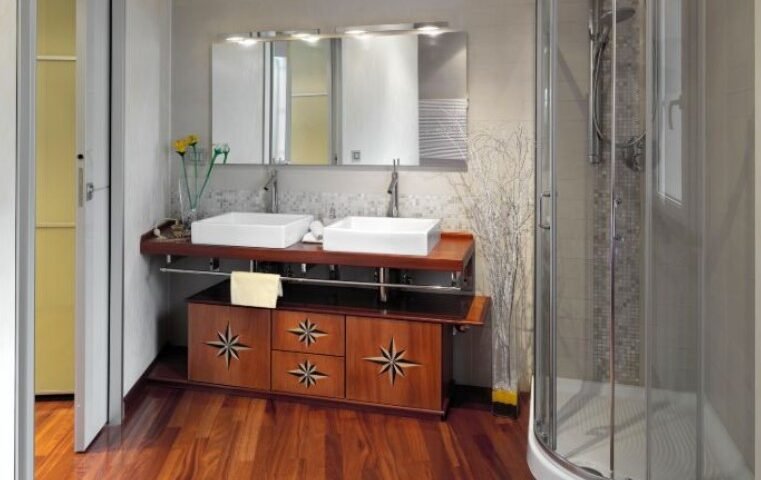
Bathroom design mistakes rarely look expensive at first. Most of them start as small decisions made during planning that seem harmless in the moment. Once construction begins, those choices often trigger added labor, unexpected upgrades, or last minute changes that push budgets higher than expected.
Homeowners who approach bathroom design without a clear plan often focus on style before structure. During this early planning phase, many people researching layouts, materials, and cost expectations look into bathroom design ri to better understand how design decisions influence both budgets and long-term performance.
Many homeowners researching planning guidance explore bathroom design ri when trying to understand how design choices affect remodel costs. This early research stage is critical because mistakes made before demolition usually carry the highest price tags once work begins.
Changing the Layout Without Understanding the Impact
One of the most costly bathroom design mistakes is changing the layout without understanding what sits behind the walls. Moving toilets, showers, or sinks requires plumbing and electrical work that adds significant labor.
Bathrooms contain tightly packed systems. When fixtures move, pipes and wiring must move with them. Floors and walls often need to be opened, reinforced, and rebuilt to meet code. Even minor layout changes can escalate quickly in older homes.
Keeping the existing layout while updating finishes is often the most cost-effective approach.
Choosing Style Over Function
Some bathroom design trends look great in photos but perform poorly in real life. Oversized fixtures, shallow storage, or impractical layouts often lead to regret after installation.
Floating vanities may require extra wall support. Trend-driven materials may not handle moisture well. When function is sacrificed for style, homeowners often end up paying twice to correct issues later.
Good bathroom design balances appearance with daily use and long-term durability.
Underestimating Tile Installation Costs
Tile is one of the most misunderstood cost drivers in bathroom design. While homeowners compare tile prices, they often overlook the complexity of installation.
Large format tiles, intricate patterns, and floor-to-ceiling applications require more labor and precision. Waterproofing systems beneath tile surfaces add time and cost but are essential for long-term performance.
Choosing simpler layouts and standard tile sizes helps control installation expenses without sacrificing visual appeal.
Ignoring Ventilation and Moisture Control
Poor ventilation is a common and costly bathroom design mistake. Without proper airflow, moisture can build up and damage walls, ceilings, and finishes over time.
Upgrading or relocating exhaust fans adds labor but protects the remodel. Skipping this step often leads to mold, peeling paint, and premature material failure.
Safety and home maintenance guidance from the U.S. Consumer Product Safety Commission emphasizes the importance of moisture control in enclosed spaces. Homeowners can review general recommendations at www.cpsc.gov when planning renovations.
Adding Too Many Custom Features
Custom features increase costs quickly. Built-in shelving, custom cabinetry, and specialty fixtures require additional labor and precise installation.
While customization has value, too many custom elements in a bathroom design can strain the budget. Stock or semi-custom options often provide a better balance between cost and flexibility.
Strategic customization focused on storage or accessibility tends to deliver the best return.
Poor Lighting Planning
Lighting design is often treated as an afterthought. Adding lighting late in the project may require opening walls again to run wiring or add circuits.
Bathrooms require specific lighting for safety and comfort. Mirrors, vanities, and showers all need proper illumination. Planning lighting early prevents costly changes once construction is underway.
Thoughtful lighting design improves both function and atmosphere without inflating labor costs.
Selecting Low Quality Materials
Choosing lower-quality materials to save money upfront often backfires. Bathrooms experience constant moisture and daily wear and tear.
Inferior flooring, sealants, or fixtures wear out faster and require replacement sooner. Quality materials may cost more initially, but reduce maintenance and repair expenses over time.
Durability should be a core part of any bathroom design plan.
Skipping Professional Planning
One of the biggest mistakes homeowners make is skipping professional input during the design phase. Without experienced guidance, cost drivers often go unnoticed until work begins.
Clear planning helps define scope, align expectations, and prevent change orders. Changes made during construction almost always cost more than adjustments made on paper.
Professional planning is not an added expense. It is a cost control tool.
How to Avoid These Bathroom Design Mistakes
Smart bathroom design starts with preparation. Homeowners who take time to plan avoid the most common budget pitfalls.
Key strategies include:
- Keeping plumbing locations unchanged
- Prioritizing ventilation and waterproofing
- Choosing practical layouts over trends
- Planning lighting and storage early
These decisions protect the budget while delivering a space that performs well in the long term.
Conclusion
Bathroom design mistakes often cost more than homeowners expect because they affect labor, infrastructure, and long-term performance. Layout changes, poor material choices, and skipped planning all lead to higher expenses that could have been avoided.
For homeowners seeking guidance that balances thoughtful bathroom design with cost awareness, Rhode Island Bathroom Remodeling offers experienced planning and craftsmanship focused on long term value. Their approach helps homeowners avoid costly mistakes while creating bathrooms that last.