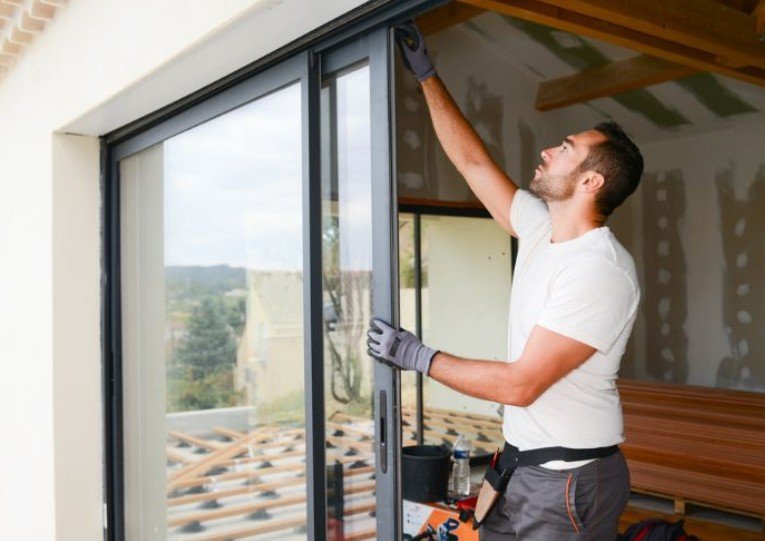
When your home’s windows begin to show signs of wear, drafts, condensation, or difficulty opening and closing, you might wonder whether to replace just a few or all of them at once. It’s a common question among homeowners seeking to enhance comfort and energy efficiency while staying within their budget.
Windows play a big role in your home’s appearance, insulation, and overall value. Replacing them is a major investment, so understanding the advantages and drawbacks of full versus partial window replacement in Denver can help you make the right choice for your situation.
This guide explains why homeowners choose one approach over the other, how to assess your windows’ condition, and ways to get the best results for long-term value.
Why Homeowners Choose Full Window Replacement
As windows age, seals break down, air leaks appear, and efficiency drops. A full replacement restores comfort and energy savings across the entire home. Replacing all windows at once ensures consistent insulation and performance, resulting in a stable indoor temperature and lower utility costs.
A full upgrade also improves your home’s curb appeal and provides design consistency. When all windows match, your home looks newer and more cohesive inside and out. Additionally, doing everything at once can save time and money. Contractors can complete the job more efficiently, and bulk installation often results in lower labor costs compared to completing the project in phases.
Another benefit is peace of mind. Full replacement means every window is covered by the same warranty and maintenance schedule, minimizing confusion or future mismatches in materials or performance.
When Replacing in Stages Makes Sense
For many homeowners, a full window replacement isn’t always practical. Replacing windows in phases can be a smart alternative, especially if your budget is limited or only certain windows are in need of replacement.
Start with problem areas, windows that leak, fog up, or let in noticeable drafts. You’ll notice improved comfort immediately, and you can plan future replacements as finances allow. Partial replacement also works well for large homes or properties with a mix of window styles.
Keep in mind that replacing only a few windows may mean less noticeable energy savings overall. However, staged replacement still improves efficiency and protects your home from additional damage while spreading costs over time.
Evaluating Your Windows’ Condition
Before deciding whether to replace all windows or just a few, assess their current condition. Look for these warning signs:
- Drafts or uneven temperatures near windows
- Condensation or fog between panes
- Cracked, warped, or rotted frames
- Difficulty opening or closing
- Increasing energy bills
If multiple windows exhibit these issues, a full window replacement may be a more cost-effective solution. A professional inspection helps identify which windows are failing and provides accurate pricing for both full and partial projects.
Cost Considerations
Cost is one of the biggest factors in this decision. Replacing every window at once involves a higher upfront expense but often saves money over time. Doing the job all at once can reduce labor, transportation, and setup costs.
If your budget doesn’t allow for a complete project, consider replacing windows in groups, such as by floor or side of the home. Start with rooms that feel draftiest or where windows are most damaged. Even partial replacements improve comfort and add value while keeping costs manageable.
Energy Efficiency and Long-Term Savings
Energy-efficient windows help maintain consistent indoor temperatures and reduce heating and cooling costs. Modern designs incorporate features such as low-E coatings, insulated glass, and multi-pane construction, which minimize energy loss.
Replacing all windows at once maximizes energy efficiency because the entire home benefits from upgraded insulation. However, even replacing a few older windows can make a noticeable difference. Over time, these improvements can pay for themselves through lower energy bills.
Upgrading to energy-efficient window replacement also enhances comfort by reducing drafts, blocking noise, and filtering harmful UV rays that can fade furniture and flooring.
Getting the Most from Your Window Replacement
Regardless of the approach you choose, quality installation is crucial. Even the best windows won’t perform well if installed incorrectly. Professional installers ensure proper alignment, sealing, and insulation around each frame, extending the life of your investment.
Schedule the installation during mild weather to avoid delays, and select durable materials that are suited to your climate. After installation, maintain your windows by regularly cleaning the glass and frames and inspecting the seals each season.
Reliable installation and basic maintenance can significantly extend the lifespan of new windows, while also preserving their energy efficiency and appearance.
Making the Right Decision
There’s no single right answer to whether you should replace all your windows at once. Homeowners with widespread window damage or older models may benefit from a full replacement for efficiency, consistency, and long-term savings. Those with only a few problem areas or limited budgets may prefer a phased approach.
The key is to evaluate your home’s condition, consider your budget, and seek professional advice to determine the most cost-effective solution. Either option will improve comfort, reduce energy loss, and enhance your home’s appearance.
Conclusion
Replacing windows is a smart investment in comfort, value, and energy efficiency. A full upgrade provides long-lasting performance and a uniform look, while phased replacement offers flexibility without sacrificing quality.
If you’re ready to explore your options, contact Conservation Construction. Their experienced team provides high-quality materials, expert installation, and energy-efficient window replacement solutions that make your home more comfortable, attractive, and efficient for years to come.