GARDEN COLUMN: Putting the garden to bed for winter | Home & Garden

GARDEN COLUMN: Putting the garden to bed for winter | Home & Garden

The phrase ‘putting the garden to bed for winter’ always struck me as unrealistic as there is always something happening in the garden all year round, particularly in the south.

For those of us in Orangeburg County, the soil temperature is perfect for planting spring bulbs as well as hardy flower seeds that need cold temperatures before they germinate next spring. Dormant trees can also be planted as our ground rarely freezes so hard that you cannot dig in it.

Primarily though, the main chore is to tidy the garden up which does not mean mowing or trimming everything above the ground. Many annual flowers will set seed around themselves which, like the seeds that you purposely sow, wait until next year before they germinate and if you remove the seed heads, you will not get the self-sown seedlings next spring. Many perennials as well as annuals also have seeds that birds need to sustain them through the worst of winter weather. There are some flowers though that do need to be tidied up such as chrysanthemums, which look messy if not trimmed. If you are not a tidy gardener, even trimming chrysanthemums be done anytime before new growth emerges next year – so you have plenty of time.

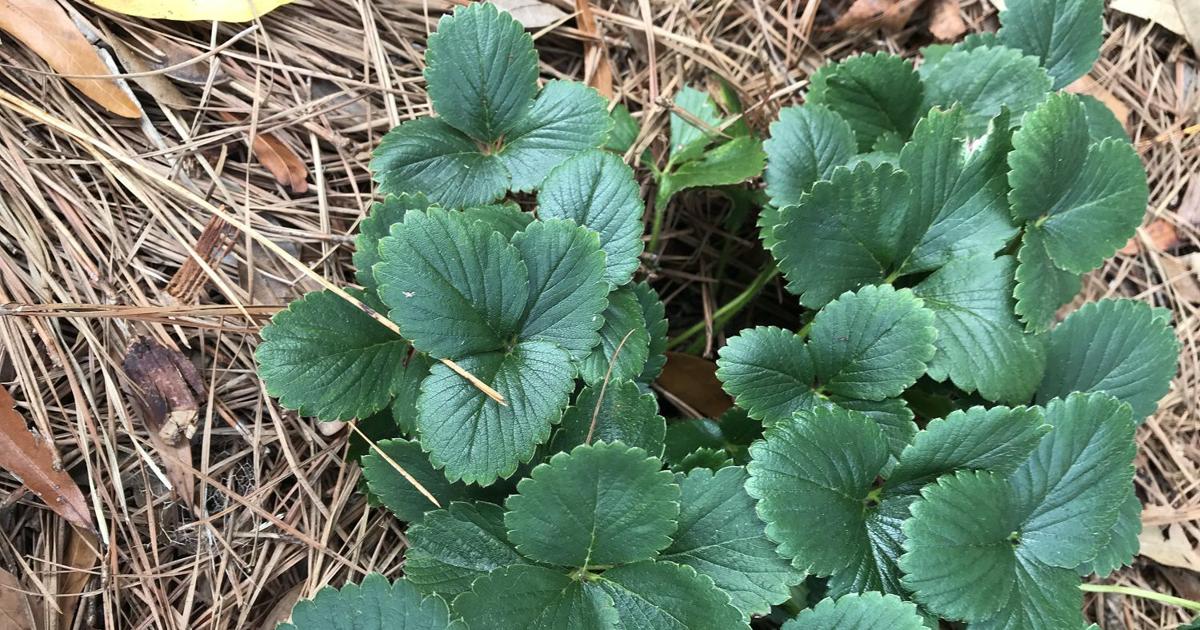
Leaves, particularly fallen leaves from deciduous trees and magnolias, can create a thick mass on a lawn which, if left for several weeks, can kill the turf underneath. Mow these leave to chop them into fine pieces, then use to mulch some shrubs to protect the roots. Chopped leaves generally do not form such a mass of wet, impenetrable mat over an area. Pine needles of course are great for strawberries and many other areas of the garden, but it does take time to sort out the cones from the needles before you spread them over the strawberry bed.

In my garden, I focus more on indoor events such as family visits and trips, so between Thanksgiving and New Year, I virtually ignore the garden and turn my thoughts to it again in January when I trim back the perennials particularly those that have been knocked over by wind and storms. Which brings us to another reason to leave some top growth on your perennials – and that is to remind you next spring that a plant is there and you don’t dig it up in the spring garden preparation.

So feel free to plant some hardy seeds, plant bulbs and then ignore the garden until the festivities are over – the garden, and weeds, will still be there to tend in January.

Kate Copsey is a garden author, writer and speaker now living in eastern Orangeburg County. Her book “The Downsized Veggie Garden” is available from bookstores everywhere as well as her webpage www.katecopsey.com.

Winter brings new opportunities for plant care | Home & Garden

Winter brings new opportunities for plant care | Home & Garden

URBANA — Wednesdays just got merrier and brighter. Each week, University of Illinois Extension educators will share holiday plant and home landscape tips for winter.

The free online workshops begin Dec. 1 and include live, follow-along activities led by Extension educators Andrew Holsinger, Chris Enroth, Ken Johnson, and Katie Parker, Each hour-long session begins at 3 p.m. Register online at go.illinois.edu/GoodGrowingWinter21.


YARD AND GARDEN: Change up your holiday plant tradition with amaryllis

• Unique Plants for the Holidays — Wednesday, Dec. 1: Are you searching for the perfect holiday gift for that plant lover on your list, but don’t want to give them the typical poinsettia or Christmas cactus? Learn about some out-of-the-ordinary plants and how to grow them like plumeria, citrus, tea, coffee, and miracle fruit that can make great gifts for the plant enthusiast in your life, or yourself!

• Going Nuts Over Tree Nuts! — Wednesday, Dec 8: It’s just nuts! Yes, through the holiday season it can get a bit hectic but sit back and relax while you learn about the wonders of growing nuts in your own back yard. The nuts that will be covered fall into the traditional holiday fare of chestnuts, walnuts, pecans, and hazelnuts.

• Wonderful Winter Interest — Wednesday, Dec 15: The winter season can be a dreary time for your landscape. Learn what plants to use to add color, texture, and plant architecture to your winter landscape, such as red and yellow twig Dogwood, winterberry, witch hazel, serviceberry, and false cypress.

• Dealing with Winter Wildlife Damage — Wednesday, Jan 12: Wildlife can be fun to watch, but wild animals can also be very destructive to the home landscape. Learn how deer, rabbits, racoons, squirrels, voles, and mice may cause damage to your yard or garden this winter and some tips to help protect your landscape.


OVER THE COLES: Watering trees, shrubs in the fall and winter is a balancing act

If reasonable accommodation is needed to participate, or for more information, contact Katie Parker at keparkr2@illinois.edu. Early requests are strongly encouraged to allow sufficient time for meeting access needs.

For more information on University of Illinois Extension programming in Coles, Cumberland, Douglas, Moultrie and Shelby county, visit our website at http://web.extension.illinois.edu/ccdms/index.html or call us at 217-849-3931.


Katie Parker is Local Foods and Small Farms Educator with the University of Illinois Extension

You Could Save Over ,500 This Winter With This Home Improvement

You Could Save Over $3,500 This Winter With This Home Improvement

For many people, winter evokes images of evenings spent in front of a toasty fireplace with a hot beverage, an afghan, a good book, and a pet. It’s a time of holiday gatherings with family and friends amid decorations, movies, music, and tons of amazing food. You might even build a snowman, make an ice tree, or go skiing or sledding.

If you’re a homeowner or real estate investor, you can of course enjoy all those things too. But you might want to think about getting a little work done first. That’s because winterizing your home could save you thousands of dollars.

Snowy decorated home exterior at night.

Image source: Getty Images

Let’s look at what exactly you might need to do, how much it’s all likely to cost, and how much money you stand to save.

Getting your home winter ready

There’s no scene quite like a beautiful snow-covered landscape. Seeing the yard you’ve been looking at all year transformed into a winter wonderland overnight can be spectacular. But severe winter weather can bring more than beauty to your property. Icy temps, powerful gusts, and heavy snow can all threaten your home.

Fortunately, careful preparation can help ensure your home stays safe this winter and that your utility costs don’t get too outrageous. It can also reduce your odds of losing a blizzard of cash to a painful repair bill.

Home services company Angi surveyed over 2,000 homeowners to find out how they handle winterization. Results revealed that the average homeowner spends $1,316 per year to get their home winter ready. That result lumps together those who hire out each task with DIYers, so you could spend considerably less if you’re willing and able to tackle some of these chores yourself. 

Here are some tasks homeowners can undertake before Old Man Winter comes to town.

Cover it up

According to Angi, insulating your pipes with plastic foam pipe wrap is one step that can save big bucks. How big? Well, a burst pipe could leave you with $3,500 in damage. That price tag — not to mention that mess — could put a pretty big damper on your holiday festivities. Plumbing insulation costs vary widely but start as low as $110, according to HomeAdvisor.  

Seal it up

Cracks around doors and windows can let in that frosty air and drive heating costs up. Caulking them, using foam or rubber weather stripping, or installing door sweeps beneath exterior doors is a low-cost fix that can help you hold on to more of that money or spend it on better things — like your holiday party and gifts.

Clean it up

When all that lovely snow melts, you don’t want to end up with clogged gutters full of water. The result could be water damage or broken gutters, leaving no way to divert all that water away from your foundation. That’s why you’ll want to be sure your gutters are clear before winter.

And don’t forget about that cozy fire. The ambiance of a fireplace on a cold winter’s night is hard to beat, but fireplaces do need to be maintained. According to HomeAdvisor, you can expect to pay about $252 each year for a chimney sweep. Lighting a fire when you have built-up soot and ash in the chimney is a house fire risk, so this isn’t much to pay for the peace of mind that comes with a clean chimney.

Another reason not to let it go too long? Hiring a chimney sweep when you have years of buildup could raise the price to as much as $800. 

Winterize your home for peace of mind this season

If you’re unsure where to begin or if you haven’t winterized recently, Angi recommends hiring a local handyperson to do a walk-through. They can point out what needs to be done and what might need updating, as well as provide estimates. You can then look into what each step of winterizing your home will involve in detail to get an idea of which tasks you might be comfortable tackling on your own, if any.

Like so many things in nature, winter can be both awe-inspiring and devastating. Fortunately, a little preparation can go a long way toward protecting your investment. Whether you’re a homeowner or an investor, knowing you’ve prepared your property for whatever winter might bring could keep you feeling warm and cozy all season long.

This article represents the opinion of the writer, who may disagree with the “official” recommendation position of a Motley Fool premium advisory service. We’re motley! Questioning an investing thesis — even one of our own — helps us all think critically about investing and make decisions that help us become smarter, happier, and richer.

Napa County Master Gardeners: Preparing for winter | Home and Garden

Napa County Master Gardeners: Preparing for winter | Home and Garden

The sky is blue, the hills are green, and we will certainly have some sunny days ahead. Now is a good time to get your yard prepared for the winter. The recent rains have softened the soil, which will make your garden chores easier.

First, take a good look at your plants. Remove plant debris, stalks, dead leaves and anything that looks diseased. It’s a little early to prune your roses, but you should remove any leaves or stems with fungus. You can chop up your dead plants and put them in your compost, but do not put any diseased material in the compost. The disease will just incubate.

If your perennial plants have seed heads, leave them for the birds to eat. You can cut them down when the seeds are gone.

Make time to weed. It is gratifying to pull weeds after a rain because they come up so easily. You can put them in the yard-waste bin. The hot compost process used by the City of Napa’s waste-management company will kill any seeds.

As long as the ground is soft, you can dig a few holes so they are ready for any planting you might want to do later in the spring.

After you weed, mulch. It will keep the weeds down. Mulch also insulates the ground, keeps it from drying out, and eventually rots, improving soil texture. You can buy mulch at a nursery or you can make your own with chopped-up yard waste, such as twigs, leaves, and grass. The larger bits of compost left behind after you sieve your compost can be used as mulch, too. So can shredded newspaper, brown paper bags, and cardboard.

People are also reading…

I am of two minds about raking leaves. Sometimes you just want your yard to look tidy, and you can put the leaves in the compost bin. However, I always leave several piles on the ground because eventually they rot and improve the soil. hey, are also a hiding place for insects and other creatures that are beneficial for your garden and a food source for birds. It’s fun to watch birds messing around in the leaves in winter.

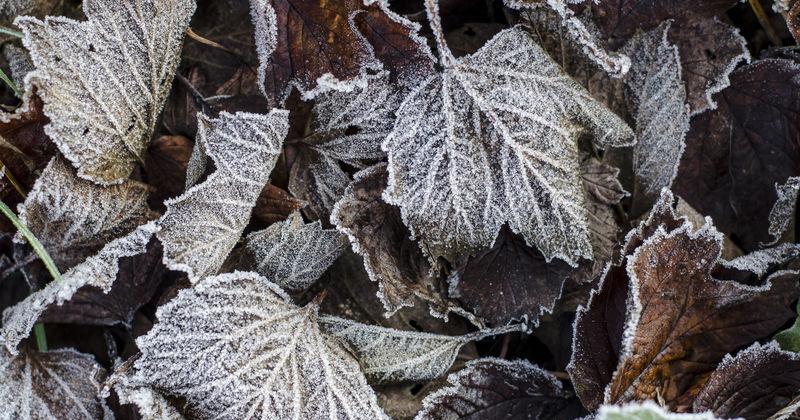
You should assume that we will have a couple of nights of frost, so get ready now. Pay attention to the weather reports. Identify which plants need protection. At my house, it’s brugmansia and daphne. Perhaps you have fuchsia, bougainvillea, young fruit trees, succulents, or avocados. Citrus trees are especially vulnerable.

Start collecting vinyl sheeting, towels, burlap, blankets, and sheets. You will also need something to support the material so it doesn’t touch the leaves, which can be damaged by frozen cloth. One gardener I know used two metal chairs to balance a ladder over which he folded a sheet, protecting a row of mandevilla. The cloth should touch the ground for better insulation. Be sure to remove the cloth the next day, when the air warms.

Some nurseries sell a nonwoven polyester fabric that can be draped directly over the plant. It won’t hurt the plant even if it touches it and can be left on all day. You can wrap burlap or blankets around the trunks of young fruit trees or around shrubs to keep them from freezing.

Boxes, baskets, and buckets can come in handy for frost protection. I used to be enchanted by the bell-shaped glass cloches in the old Smith and Hawken catalog. You were supposed to place them over a plant to protect it in winter. So French! So adorable! So expensive!

Instead, fill up old plastic milk bottles with water and surround the plant with them. The water insulates them, and you can drape a cloth over it all.

Temperatures can vary widely over a single property. Tree cover, exposure to the sun, and even the height of a bed can make a difference. The lower area of my yard, under a willow tree, is a few degrees cooler than the rest of the yard.

Frost-tender plants generally do better with southern exposure, so think about that. Perhaps you can move your succulents next to the house, so they will have shelter over the winter. You can take this precaution with any container plants that are small enough to move.

When you have your yard prepared for winter, clean your tools and put them away neatly. Because of our climate, we can garden almost year-round, so it’s good to have your tools rust-free and at the ready.

This is also a good time to take stock of what did well in your garden over the last growing year, what could be improved, and, perhaps, what wasn’t worth the effort. Gardening is a perpetual learning experience.

One of my brugmansias froze a few years ago because the weather took me by surprise. I left it alone to see what would happen and, sure enough, green sprouts appeared as spring approached. I trimmed off all the dead-looking limbs, and after a dose of organic fertilizer, it was more luxuriant than ever.

We have been living with drought and fire conditions in Napa Valley for a few years. Our landscape plants, not to mention Napa County flora in general, have been severely stressed. It is probably wise not to rely too much on their resilience and to be prepared for a freeze.

Food Growing Forum: Napa County Master Gardeners will present a discussion of “Cane Berries” on Sunday, November 14, from 3 p.m. to 4 p.m., via Zoom. Register here to receive the Zoom link.

Library Talk

Napa County Master Gardeners will present a talk on “Chasing Sun in Shaded Yards” on Thursday, December 2, from 7 p.m. to 8 p.m. via Zoom. Does your yard have a limited supply of sunny locations to grow vegetables? Learn about site selection and cultural requirements for the plants you want to grow. Register here to receive the Zoom link.

Workshop

Napa County Master Gardeners will lead a workshop on “The Art of Raising Succulents” on Sunday, December 5, from 1 pm to 3 pm, at the Yountville Community Center, 6516 Washington Street, Yountville. Discover how to care for and design with these colorful, unthirsty plants in your garden or on your patio. Attendees will get plant starts to take home. Yountville residents: $16; Non-residents: $18. Free to Golden Ticket members. To register, visit online registration or telephone the Parks & Recreation Department at 707-944-8712.

Got Garden Questions? Contact our Help Desk. The team is working remotely so please submit your questions through our diagnosis form, send any photos to mastergardeners@countyofnapa.org or leave a detailed message at 707- 253-4143. A Master Gardener will get back to you by phone or email. For more information visit napamg.ucanr.edu or find us on Facebook or Instagram, UC Master Gardeners of Napa County.


Check out Napa Valley’s most expensive home, a $25m estate located in Deer Park at 850 Sanitarium Road. “The warm modern design features an open floor plan connecting living, dining, cooking, and family rooms, a 2,000 bottle wine library, luxurious primary suite, massage room, gym, two offices, media/theatre room, infinity edge pool, outdoor kitchen, and a full two-suite guest apartment with its own living room and view deck.”


Winter is calling: Dickinson Fire talks home heating, holiday decorations, CO dangers, more

Winter is calling: Dickinson Fire talks home heating, holiday decorations, CO dangers, more

As the last post of this a few-portion sequence “Winter Is Calling,” DFD Deputy Hearth Chief Mark Selle sat down with The Press to review hearth avoidance inside of the property from home heaters to vacation decorations as very well as highlighting the dangers of carbon monoxide (CO).

“We get a lot more true property fires that will transpire in the wintertime mainly because of heating and candles and things like that since men and women are household much more,” Selle mentioned. “So it’s actually critical to make confident that you might be mindful of the candles that you might be applying you hardly ever want to go away a candle unattended in a area, make confident you got a fantastic candle base which is a very good significant one that will not tip more than and points like that.”

Risks of carbon monoxide

The greatest phone quantity DFD responds to in the course of the wintertime tend to be CO phone calls, Selle explained, explaining that these phone calls final result from the “unburned or non-full burning of fossil fuels.” This can variety from a propane or organic gasoline stove or even a furnace, he explained.

Newsletter signup for email alerts

“Starting your car in the garage is a large just one. A lot of times folks have a tendency to open their garage doorway, start off their car and go away it running in the garage. Nicely, what is actually likely to take place is all that CO is going to appear into your dwelling, and that is a main killer. CO is a fuel that you are unable to smell. You really don’t know it truly is there you just start to get unwell and sick and it can get rid of you,” Selle said. “… If you happen to be heading to start out your motor vehicle, you have to have to get in it (and) again it all the way out the garage and near that garage door. It is just the most effective way to heat up your car. Getting that garage doorway open up is not sufficient air flow to maintain that CO from coming into your home.”

Other strategies to protect against CO from getting into a person’s dwelling, furnaces must be checked regularly to make sure that they are functioning appropriately, Selle explained, incorporating that all gasoline-powered h2o heaters also will need to be reviewed for general performance.

For these who are continuing to utilize fireplaces in their dwelling, chimneys need to have to be cleaned and inspected throughout the winter time. Burning wood without the need of lots of air flow can direct to CO emissions into a person’s property, he extra.

To detect the amount of CO in one’s house, Selle encourages men and women to invest in a detector. According to Selle, obtaining a detector on every single stage within the household exactly where folks are sleeping is essential in monitoring CO levels. These detectors are usually a plug-in unit that goes quickly into an outlet. CO detectors very last close to 10 many years and cost any where from $50 and up.

Another problem DFD sees in the wintertime is when the climate turns so chilly that sewer pipes start off to freeze. In order to avoid this from occurring, Selle suggests that individuals routinely test that their sewer pipes are open up for good ventilation. Gases and smells might enter a house if these pipes are not ventilated, he additional.

Together with CO detectors, batteries for fireplace alarms ought to be improved yearly, Selle ongoing.

Preventing household heating fires

Quite often in the wintertime, house heaters are used as a next source of warmth in a person’s property. Nevertheless, space heaters are only created for momentary-use and ought to be applied with caution, Selle mentioned.

“The point to bear in mind (with) place heaters (is to) make guaranteed they have good, obvious house. Use them as they’re meant, adhere to your manufacturer’s tips. But a fantastic rule of thumb is to maintain all combustibles 3 ft away from that heater in all instructions,” he stated. “You under no circumstances want to depart it unattended, so you do not want to depart it in the place and then wander away. You really do not want to use it although you are sleeping for the reason that you just really don’t know what could happen.”

Put a freeze on winter holiday break fires

In accordance to the U.S. Fire Administration, half of all dwelling decoration fires that take place in December are started out by candles. For Dickinson firefighters, this is no different, Selle stated, detailing that mainly because all those candles are more open and not supported by protective glass limitations, it can quickly ignite any nearby merchandise.

“We’d like to see the candle that is inside like a glass container to assist protect that flame, and you want to make absolutely sure that you happen to be preserving combustibles absent from it,” he claimed.

The U.S. Fireplace Administration reviews yearly that much more than one in every five Christmas tree fires are prompted by a heat source far too close to the tree. Trees really should be positioned at least 3 feet absent from warmth resources this kind of as hearth destinations, space heaters, candles or warmth vents as a dry Xmas tree burns quite incredibly hot and speedily, fire officials stated.

For much more data on how to keep risk-free this holiday break time, visit dickinsonfire.com or usfa.fema.gov.

Master Gardeners: Herbs for the winter | Home and Garden

Master Gardeners: Herbs for the winter | Home and Garden

As we progress towards the previous number of months of slide and our thoughts switch to preserving our harvest, it follows that we want to add taste, spice and seasonings to our deliver. If you would like to grow your have herbs to enjoy contemporary and/or dried, here are some fundamentals with regards to how to progress to a thriving end result.

Herbs are frequently developed shut to the kitchen area so it’s helpful to snip a several as you put together your foods. Herbs insert elegance, fragrance and coloration. Their fascinating textures and forms, and loaded or delicate fragrances can be an vital part of your garden enjoyment.

In standard, herbs like a moderately wealthy soil. An extremely rich soil (or excessive fertilizing) can guide to vigorous progress, which can detract from the essence of the herb. This is due to a reduction of the important oil articles. Make confident the soil in your herb garden has outstanding drainage. If yours does not, take into account rising your herbs both in elevated beds or containers.

Most herbs prefer total sun with at least six hrs for every day. Herbs that will tolerate gentle shade include chives, cilantro, dill and mint. Most herbs will do well with about 1 inch of drinking water per 7 days, until it is during the heat of summertime. The moment founded, most herb crops are remarkably resistant to insect and disease attack. The oils that give them aroma and taste could add to their capability to repel pests.

Harvest herbs by slicing back a shoot to just above a leaf with a sharp scissor. This will present both your day’s harvest and motivate a great, bushy advancement on the remaining plant. In general, an herb’s taste is most pronounced when harvested just ahead of the plant begins to flower. Harvest in the early morning when the oils are most concentrated.

Perennial mints are ordinarily vigorous and can grow to be invasive. Somewhat than planting them immediately in the backyard, grow the plants in containers, then, if you want, sink the container into the backyard. This will contain the roots and restrict spreading.

Several herbs are annuals, the place you possibly seed or obtain bedding vegetation in the spring and plant in the back garden they die back again after the very first large frost. Perennials can overwinter by reducing the plant back again and surrounding it with mulch or leaves, or plant them in a sheltered location near the house.

But what if you want to enjoy these herbs in excess of the winter season?

What is the greatest process of maintaining these annuals more than the winter as perfectly as your most loved perennial herbs? The easiest way to do that is to mature them in containers and just take them into the home ahead of the initial frost. It is greatest to position them in or near a south- or west-facing window. Assure that watering, fertilizing periodically, and reducing back come about.

When harvesting herbs, clean them and carefully pat them dry on a paper towel, but do not crush them. Take away any dead or discolored leaves, and snip or pull leaves off the stem to be employed in cooking. Recall to use 2 times the amount of money of new more than dried herbs in recipes.

If you have an abundance of herbs and want to protect them, there are various selections. A smaller volume can be positioned in a green produce bag (to limit ethylene oxide production) and kept in the fridge. With an abundance of herbs, you can choose to dry them by hanging them in bunches in a warm airy area or lay them on the screen in a food items dryer. Guarantee they are crackly dry, then retail store in darkish glass containers. Be positive to label with the identify and date, as herbs are greatest utilized inside one 12 months.

A further decision is freezing your herbs. This will soften leaf tissue, but does not alter the taste, so they are superior in soups and stews. Chop or snip the herbs and location them into an ice cube tray. For chives, dill, mint and tarragon, it is finest to fill the slots with h2o. For oregano, thyme, basil and parsley, introducing oil this sort of as olive oil is best. Following they are frozen you can pop them out of the tray and place them into a labeled freezer bag.

Finally, yet another fun thing to do is to combine the chopped herbs (chives, parsley, marjoram or thyme) into softened butter, enable it harden in the fridge, and provide.

It is often enjoyable and gratifying to love the fruits of your labor.