Window Replacement Decisions: Should You Replace All Windows at Once?

Window Replacement Decisions: Should You Replace All Windows at Once?

When your home’s windows begin to show signs of wear, drafts, condensation, or difficulty opening and closing, you might wonder whether to replace just a few or all of them at once. It’s a common question among homeowners seeking to enhance comfort and energy efficiency while staying within their budget.

Windows play a big role in your home’s appearance, insulation, and overall value. Replacing them is a major investment, so understanding the advantages and drawbacks of full versus partial window replacement in Denver can help you make the right choice for your situation.

This guide explains why homeowners choose one approach over the other, how to assess your windows’ condition, and ways to get the best results for long-term value.

Why Homeowners Choose Full Window Replacement

As windows age, seals break down, air leaks appear, and efficiency drops. A full replacement restores comfort and energy savings across the entire home. Replacing all windows at once ensures consistent insulation and performance, resulting in a stable indoor temperature and lower utility costs.

A full upgrade also improves your home’s curb appeal and provides design consistency. When all windows match, your home looks newer and more cohesive inside and out. Additionally, doing everything at once can save time and money. Contractors can complete the job more efficiently, and bulk installation often results in lower labor costs compared to completing the project in phases.

Another benefit is peace of mind. Full replacement means every window is covered by the same warranty and maintenance schedule, minimizing confusion or future mismatches in materials or performance.

When Replacing in Stages Makes Sense

For many homeowners, a full window replacement isn’t always practical. Replacing windows in phases can be a smart alternative, especially if your budget is limited or only certain windows are in need of replacement.

Start with problem areas, windows that leak, fog up, or let in noticeable drafts. You’ll notice improved comfort immediately, and you can plan future replacements as finances allow. Partial replacement also works well for large homes or properties with a mix of window styles.

Keep in mind that replacing only a few windows may mean less noticeable energy savings overall. However, staged replacement still improves efficiency and protects your home from additional damage while spreading costs over time.

Evaluating Your Windows’ Condition

Before deciding whether to replace all windows or just a few, assess their current condition. Look for these warning signs:

  • Drafts or uneven temperatures near windows

  • Condensation or fog between panes

  • Cracked, warped, or rotted frames

  • Difficulty opening or closing

  • Increasing energy bills

If multiple windows exhibit these issues, a full window replacement may be a more cost-effective solution. A professional inspection helps identify which windows are failing and provides accurate pricing for both full and partial projects.

Cost Considerations

Cost is one of the biggest factors in this decision. Replacing every window at once involves a higher upfront expense but often saves money over time. Doing the job all at once can reduce labor, transportation, and setup costs.

If your budget doesn’t allow for a complete project, consider replacing windows in groups, such as by floor or side of the home. Start with rooms that feel draftiest or where windows are most damaged. Even partial replacements improve comfort and add value while keeping costs manageable.

Energy Efficiency and Long-Term Savings

Energy-efficient windows help maintain consistent indoor temperatures and reduce heating and cooling costs. Modern designs incorporate features such as low-E coatings, insulated glass, and multi-pane construction, which minimize energy loss.

Replacing all windows at once maximizes energy efficiency because the entire home benefits from upgraded insulation. However, even replacing a few older windows can make a noticeable difference. Over time, these improvements can pay for themselves through lower energy bills.

Upgrading to energy-efficient window replacement also enhances comfort by reducing drafts, blocking noise, and filtering harmful UV rays that can fade furniture and flooring.

Getting the Most from Your Window Replacement

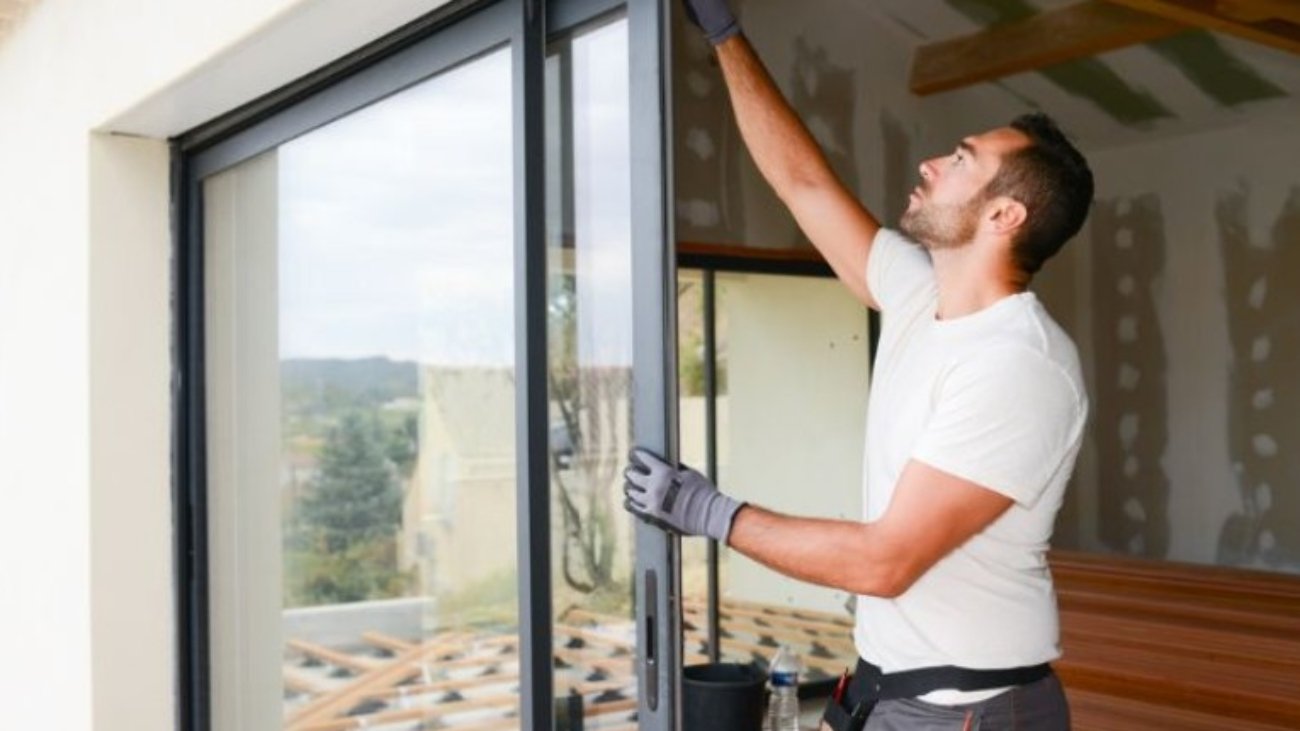
Regardless of the approach you choose, quality installation is crucial. Even the best windows won’t perform well if installed incorrectly. Professional installers ensure proper alignment, sealing, and insulation around each frame, extending the life of your investment.

Schedule the installation during mild weather to avoid delays, and select durable materials that are suited to your climate. After installation, maintain your windows by regularly cleaning the glass and frames and inspecting the seals each season.

Reliable installation and basic maintenance can significantly extend the lifespan of new windows, while also preserving their energy efficiency and appearance.

Making the Right Decision

There’s no single right answer to whether you should replace all your windows at once. Homeowners with widespread window damage or older models may benefit from a full replacement for efficiency, consistency, and long-term savings. Those with only a few problem areas or limited budgets may prefer a phased approach.

The key is to evaluate your home’s condition, consider your budget, and seek professional advice to determine the most cost-effective solution. Either option will improve comfort, reduce energy loss, and enhance your home’s appearance.

Conclusion

Replacing windows is a smart investment in comfort, value, and energy efficiency. A full upgrade provides long-lasting performance and a uniform look, while phased replacement offers flexibility without sacrificing quality.

If you’re ready to explore your options, contact Conservation Construction. Their experienced team provides high-quality materials, expert installation, and energy-efficient window replacement solutions that make your home more comfortable, attractive, and efficient for years to come.

The Ultimate Guide to a Cozy Autumn Bedroom: Layering with Linen Flat Sheets

The Ultimate Guide to a Cozy Autumn Bedroom: Layering with Linen Flat Sheets

As the air turns crisp and the leaves change color, autumn calls for a bedroom that feels warm, comforting, and inviting. Creating this cozy atmosphere is all about smart layering, and few fabrics are as perfect for the season as linen flat sheets. Known for their natural breathability, durability, and timeless charm, they are a versatile foundation for building a snug autumn retreat.

Why Start with Linen?

Pairing with Blankets and Duvets


Linen flat sheets have been cherished for centuries because of their ability to regulate temperature. In autumn, when nights can fluctuate between mild and chilly, linen bed sheets keep you comfortable by wicking away excess moisture while holding in just enough warmth. Unlike synthetic options, linen bedsheets are made from natural flax fibers, making them both eco-friendly and durable. They grow softer with every wash, ensuring your autumn setup gets cozier season after season.

The Base Layer: Linen Flat Sheet

The first step in layering your autumn bed is selecting a high-quality linen flat sheet. Acting as a versatile middle layer, it provides softness against your skin and creates a breathable buffer between your blanket and duvet. A classic choice like white linen sheets works beautifully as a neutral base, while earthy tones such as oatmeal, rust, or forest green add seasonal warmth to your décor.

Pairing with Blankets and Duvets

Once your linen flat sheets are in place, layer them with cozy throws and plush duvets. The beauty of bed sheets linen lies in their compatibility with heavier fabrics. A wool blanket on top of a linen bed sheet creates a balance of insulation and airflow, preventing overheating during transitional autumn nights. For an extra touch of charm, add a quilt in rich, autumnal hues to complement the understated elegance of your bed linen sheets.

Add Texture with Cushions and Throws

Add Texture with Cushions and Throws

Autumn is the season of texture, and linen flat sheets provide the perfect foundation for mixing materials. Pair your bedding with knitted throws, velvet cushions, or faux-fur accents. The smooth, organic texture of linen sheet fabrics contrasts beautifully with these cozy additions, giving your bed depth and a layered, lived-in feel.

Style with Seasonal Colors

A cozy autumn bedroom wouldn’t be complete without a warm color palette. Neutral white linen sheets bring a clean backdrop that pairs effortlessly with shades of burnt orange, deep burgundy, or moss green. Alternatively, earthy-toned bed linen sheets in natural flax or muted terracotta can make your bedroom feel instantly seasonal while maintaining a timeless elegance.

Layering your autumn bed with linen flat sheets is the simplest way to create a cozy, stylish, and functional retreat. Their adaptability, breathability, and natural charm make them an essential element in every seasonal bedroom setup.

Discover the perfect collection of linen flat sheets at www.forestlandlinen.com. Invest in bedding that brings comfort, beauty, and durability to your autumn nights and beyond.

How SafeHouse Security Assessments Help Prevent Break-Ins Before They Happen

How SafeHouse Security Assessments Help Prevent Break-Ins Before They Happen

When it comes to break-ins in Los Angeles, most people think the solution is just adding a camera or better lock. But what if you could prevent the attempt altogether? That’s exactly what a SafeHouse Security Assessment is designed to do—identify vulnerabilities before a criminal does and fix them fast.

Homeowners across Los Angeles County trust SafeHouse Security Consultants because we look beyond obvious risks. We apply over 22 years of security experience to each property assessment, helping you stay two steps ahead of evolving criminal tactics.

Key Takeaways

  • Break-ins often start with a criminal surveying your property for easy access points
  • Most homes have blind spots or structural weaknesses that go unnoticed by the owner
  • SafeHouse identifies and addresses flaws in doors, lighting, landscaping, windows, and more
  • Our detailed reports are based on local crime data for your exact neighborhood
  • You’ll receive tailored recommendations—and we’ll even handle the vendor coordination

Why Most Break-Ins Are Preventable

The majority of break-ins in Los Angeles happen when criminals spot easy targets. A dark side gate, a flimsy lock, or an overgrown hedge might be all it takes to invite trouble. These are the details SafeHouse focuses on.

We don’t just walk your property—we analyze it. Every door, window, fence line, and lighting fixture is inspected. Our assessments also include crime trends and statistics for your neighborhood, so you’re not just guessing where to focus your efforts.

How the Process Works

Our security assessment begins with a free consultation, where we learn about your concerns and schedule an on-site or virtual visit.

During the assessment, we:

  • Evaluate over 80+ security checkpoints on your property
  • Identify weak points that criminals would likely exploit
  • Recommend specific improvements that fit your home, lifestyle, and budget
  • Provide vendor referrals and discounts if hardware or installation is needed

We make the process easy. No stress, no installations by us—just clear, expert advice and a concierge-style service that handles the logistics for you.

Real Results for Los Angeles Homes

After completing our Residential Security Assessment, most homeowners report feeling a significantly improved sense of safety. More importantly, they gain the peace of mind that comes from knowing their home is proactively protected, not just reactive.

Conclusion

Security isn’t just about responding to crime—it’s about preventing it altogether. At SafeHouse Security Consultants, we help you think like a criminal so you can secure your home like a professional. Don’t wait until something happens. The best time to strengthen your home’s security is before someone tries to break in.

Call SafeHouse today at (424) 352-8639 to schedule your free consultation and take the first step toward real peace of mind.

This article was written by a professional at SafeHouse Security Consultants. SafeHouse Security Consultants’ mission was to bring peace of mind into the home. We want to remove those fears and give you and your family peace of mind and security by applying our ten years of experience protecting people and properties to your home. We can help you protect your home with home security system companies in Hollywood, and eliminate those fears so that you can concentrate on the things that matter most to you.

Property to Rent – Houses to Rent

Property to Rent – Houses to Rent

Property to Rent – Houses to Rent

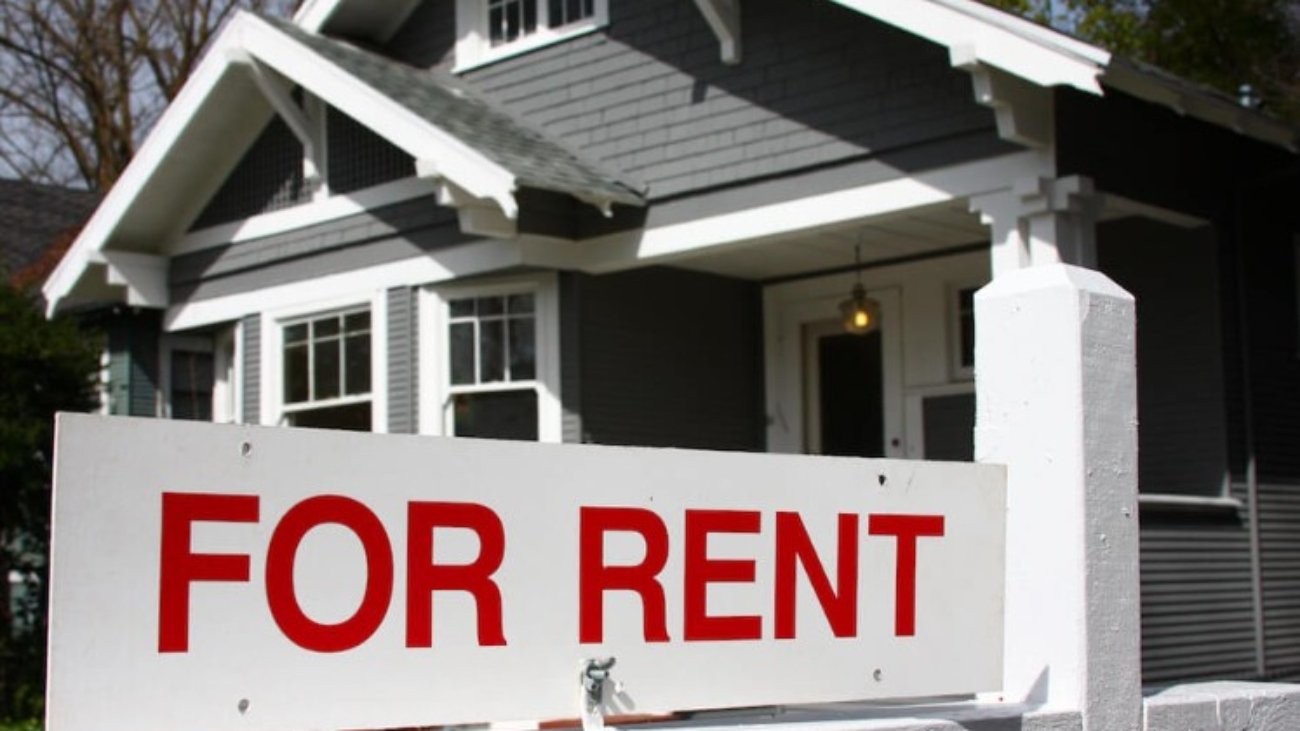
I still remember the first time I went house hunting as a tenant. My expectations were high—I wanted a big kitchen, a little garden for weekend BBQs, and of course, rent that wouldn’t eat up half my paycheck. Let’s just say I quickly learned that the rental market doesn’t always care about your wish list. I toured at least a dozen properties before realizing that compromise is pretty much part of the deal.

Over the years, I’ve rented in different neighborhoods—some were gems, others… well, let’s just say I wouldn’t go back. Through trial and error, I picked up a lot about how to actually find good houses to rent, avoid sneaky landlord tricks, and make smart decisions so you’re not regretting it six months later. If you’re on the hunt for a house to rent, maybe my story and the little lessons I’ve picked up can save you some frustration.

Why Renting a House Feels Different from Renting an Apartment

When I first moved out, I thought renting a house would be the same as renting an apartment, just bigger. Nope. Renting a house comes with extra responsibilities—sometimes you’re expected to mow the lawn, shovel snow, or even maintain the gutters. I once had a landlord who reminded me every month about trimming the hedges, and honestly, I had no idea how to use hedge clippers.

But the upside is space. Houses give you room to breathe, more privacy, and often better parking (unless you end up on a tight street where you’re battling neighbors for a spot). Plus, if you’re renting with roommates or a family, it just makes sense to have the extra bedrooms.

The Mistakes I Made Looking for Houses to Rent

Let me confess—I’ve made just about every mistake in the book. The biggest one? Not reading the lease carefully. One time, I signed without noticing the “no pets” clause, and two weeks later I showed up with my rescue dog. You can imagine how that went.

Another mistake was rushing. I once jumped on a property because I was afraid it would get rented out fast. Turns out, there was a major plumbing issue the landlord “forgot” to mention. Within a month, my basement was flooded. After that, I made it a rule: never sign until you’ve checked the water pressure, opened every cupboard, and asked way too many questions.

Tips for Finding Houses to Rent Without Losing Your Mind

Here’s what I’ve learned the hard way:

  • Set a realistic budget. Don’t just think about rent—add utilities, internet, trash collection, and sometimes even yard maintenance. A house I rented once looked cheap at first, but the heating bill in winter was triple what I expected.
  • Location matters more than you think. I rented a house once that was cheap and spacious, but it was 45 minutes from work. The commute wore me down and cost me more in gas than I saved in rent.
  • Inspect everything. Check the windows, doors, plumbing, and even the cell phone signal inside the house. I once rented a place where my phone dropped calls constantly, which made working from home a nightmare.
  • Ask about responsibilities. Will you be in charge of mowing the lawn or does the landlord hire someone? One place I rented gave me a fine for letting weeds grow too tall—I didn’t even know that was a thing!

Negotiating Rent – Yes, You Can Try

Most people think rent is set in stone. But I’ve actually had some luck negotiating. In one case, the landlord wanted $1,500/month, but the place had been sitting vacant for a while. I offered $1,350 and promised to sign a one-year lease right away. He agreed. The trick is to be polite but firm, and back it up with reasons—like pointing out comparable listings in the area.

Sometimes you can’t lower the rent, but you can ask for extras. I once got my landlord to include Wi-Fi and lawn care just by asking. It never hurts to try.

The Red Flags to Watch Out For

There are definitely some shady landlords and sketchy properties out there. A few warning signs I’ve learned to recognize:

  • They avoid paperwork. If someone says “we don’t need a lease, just pay cash,” run. That’s not just risky, it’s illegal in most places.
  • The rent feels way too low. If it seems too good to be true, it probably is. I once toured a house that was super cheap—later found out it had black mold in the basement.
  • They won’t let you tour in person. Always see the property before handing over money. I almost got scammed by someone who refused to show the house but wanted a “deposit” upfront.
  • Maintenance delays. If it takes them weeks to answer your questions while you’re still a potential tenant, imagine how slow they’ll be once you’re locked in.

The Emotional Side of Renting a House

I’ll admit—house hunting can get exhausting. At one point, I started to feel like every decent rental was out of my league. I’d scroll through listing sites at midnight, wondering if I’d ever find a place that checked enough boxes. Then, out of nowhere, the right house would pop up.

There’s something satisfying about turning the key on move-in day, walking into a space that finally feels like yours (even if just for a while). I learned to celebrate the small wins—like finding a rental with a dishwasher after years of scrubbing dishes by hand.

Moving Into a Rented House – What I Learned the Hard Way

Moving in is another beast altogether. My biggest regret? Not documenting the condition of the property. When I moved out of one place, the landlord tried to keep my deposit for “damaged walls.” Thankfully, I had photos from move-in day showing the scuffs were already there.

Now, every time I move, I take a full set of pictures and videos. I also make sure to test appliances right away—nothing’s worse than discovering the oven doesn’t work the night before Thanksgiving dinner (yes, that happened).

Making a Rented House Feel Like Home

One of the hardest parts of renting is that you can’t always decorate the way you want. I once asked a landlord if I could paint the walls, and he looked at me like I’d asked to tear the place down. But there are tricks—peel-and-stick wallpaper, rugs, and even smart lighting can transform a place without breaking the lease rules.

My favorite hack is command hooks. They let you hang art, curtains, or even lightweight shelves without leaving marks. A little personal touch goes a long way in making a rental feel less temporary.

Why Renting Isn’t Throwing Money Away

I used to feel guilty about renting, like I was just throwing money down the drain instead of investing in a home. But over time, I realized renting has its perks. You’re not tied down, you don’t have to pay for major repairs, and you can move if your job or life changes.

One year, I had to relocate suddenly for work. Because I was renting, it was simple—I finished out the lease, packed up, and left. If I’d owned a house, selling it would’ve been a nightmare. Renting gave me flexibility, and sometimes that’s more valuable than building equity.

Lessons I’d Share With Anyone Renting a House

If I could go back and give my younger self advice, here’s what I’d say:

  1. Don’t rush. The right property will come along.
  2. Read every word of the lease, even the boring parts.
  3. Take photos and keep records—it might save your deposit.
  4. Always ask questions, even if they feel silly.
  5. Remember, it’s temporary. Don’t stress if it’s not perfect.

Final Thoughts

Finding the right property to rent—especially a house—can be stressful, messy, and even a little discouraging at times. But when you finally land a place that fits your budget and lifestyle, it’s worth it. Over the years, I’ve learned to approach renting with patience, curiosity, and a healthy dose of skepticism.

Houses to rent aren’t just about four walls and a roof—they’re about the little stories you collect along the way. From broken dishwashers to surprise rent negotiations, every rental has taught me something new. And who knows, maybe the next one will be the one that feels just right.

Frequently Asked Questions About Houses to Rent

  1. How do I find houses to rent in my area?

The easiest way is to start online. Websites like Zillow, Rightmove, or local rental platforms usually list available properties with photos, rent prices, and landlord details. Don’t forget to check Facebook groups, community boards, and word of mouth—some of the best deals never make it onto big listing sites.

  1. How much deposit do I need for a rental house?

Most landlords ask for a security deposit equal to one month’s rent, but in competitive areas it can be up to six weeks of rent. This money is usually refundable as long as you leave the house in good condition when moving out. Always make sure your deposit is placed in a registered tenancy deposit scheme if you’re in the UK, or held in a secure account if you’re renting elsewhere.

  1. What checks do landlords do before renting a house?

Typically, landlords will run a credit check, background check, and employment verification. They want to make sure you can pay rent on time and have a stable income. Some landlords also ask for previous landlord references. If your credit score isn’t great, offering a guarantor or larger upfront payment might help.

  1. Can I negotiate rent on a house?

Yes, you can. If the property has been on the market for a while, landlords are often open to negotiation. You might not always get a lower monthly rent, but you could ask for perks like free Wi-Fi, lawn maintenance, or even reduced pet fees. Always compare similar properties in the neighborhood so you have solid reasons for your offer.

  1. Are utilities included when renting a house?

It depends on the landlord and the lease agreement. Some rental houses include utilities like water, trash, or even internet, while others require tenants to pay everything separately. Always confirm before signing—hidden utility bills can make a “cheap” rental much more expensive.

  1. What should I check before signing a lease for a rental house?

Inspect everything! Test water pressure, check for damp or mold, and make sure appliances work. Ask about maintenance responsibilities like lawn care or snow removal. And of course, read the lease carefully—especially clauses about pets, guests, or early termination.

  1. How long are typical house rental agreements?

Most rental agreements are for 12 months, but some landlords offer 6-month or even month-to-month leases. If you need flexibility, ask upfront about shorter terms. Just keep in mind that shorter leases may come with slightly higher rent.

  1. Can I decorate a rented house?

Usually, you’re limited. Many landlords don’t allow painting or drilling holes, but temporary solutions like removable wallpaper, command hooks, and area rugs can transform the space without breaking the rules. Always get written permission if you want to make permanent changes.

  1. Is renting a house better than renting an apartment?

It depends on your lifestyle. Houses usually give you more space, privacy, and outdoor areas, while apartments can be cheaper and easier to maintain. If you’re renting with a family or need extra bedrooms, a house often makes more sense. But if convenience and lower costs are your priority, an apartment might be better.

  1. What happens if I break my lease on a rental house?

Breaking a lease usually means you’ll be responsible for paying rent until the landlord finds a new tenant, or you might lose your deposit. Some leases include an early termination clause with a set fee. Always read the terms carefully and, if needed, negotiate with your landlord—they may be willing to work with you if you communicate early.

Garage Door Spring Repair in Huntington Beach: Expert Solutions for a Smooth Door Operation

Garage Door Spring Repair in Huntington Beach: Expert Solutions for a Smooth Door Operation

Garage Door Spring Repair in Huntington Beach: Expert Solutions for a Smooth Door Operation

Garage door springs are a crucial component of your garage door system, providing the necessary tension to lift and lower the door smoothly. However, these springs can wear out over time, leading to a range of problems, including broken springs, noisy operation, and uneven door movement. If you’re experiencing issues with your garage door springs in Huntington Beach, it’s essential to have them repaired or replaced by a professional. At Champion Garage Door, we specialize in garage door spring repair in Huntington Beach, providing expert solutions for a smooth door operation.

The Importance of Garage Door Springs

Garage door springs play a vital role in the operation of your garage door. They are responsible for:

– Counterbalancing the weight of the door: Garage door springs help to lift the weight of the door, making it easier to open and close.

– Providing smooth operation: Springs ensure that the door opens and closes smoothly, without jerking or binding.

– Extending the lifespan of the door: By providing the necessary tension, springs help to reduce wear and tear on the door and its components.

Signs That Your Garage Door Springs Need Repair

If you’re experiencing any of the following issues, it may be a sign that your garage door springs need repair:

– Broken springs: If a spring breaks, it can cause the door to become stuck or difficult to open.

– Noisy operation: If your garage door is making unusual noises, such as creaking or screeching, it may be a sign that the springs are worn out.

– Uneven door movement: If the door is not moving smoothly or is uneven, it may be a sign that the springs are out of balance.

The Benefits of Professional Garage Door Spring Repair

When it comes to garage door spring repair, it’s essential to hire a professional. Here are some benefits of choosing a professional service provider:

– Safety: Garage door springs can be dangerous to work with, especially if you’re not experienced. A professional technician will have the necessary safety equipment and expertise to repair the springs safely.

– Quality workmanship: A professional service provider will ensure that the repair is done correctly, using high-quality parts and materials.

– Warranty: Many professional service providers offer a warranty on their work, giving you peace of mind and protection in case something goes wrong.

Our Garage Door Spring Repair Process

At Champion Garage Door, we follow a thorough process to ensure that your garage door springs are repaired correctly. Here’s what you can expect:

  1. Initial consultation: We’ll schedule an appointment with one of our technicians to assess the problem and provide a quote for the repair.
  2. Diagnosis: Our technician will diagnose the issue and determine the best course of action for the repair.
  3. Repair: We’ll repair or replace the springs, using high-quality parts and materials.
  4. Testing: We’ll test the door to ensure that it’s working smoothly and safely.

Why Choose Champion Garage Door for Garage Door Spring Repair

When it comes to garage door spring repair in Huntington Beach, you want a service provider that you can trust. Here are some reasons why you should choose Champion Garage Door:

– Expertise: Our technicians have years of experience in garage door repair, including spring repair.

– Quality workmanship: We use high-quality parts and materials to ensure that the repair is done correctly.

– Competitive pricing: We offer competitive pricing without compromising on quality, ensuring that you get the best value for your money.

Get Garage Door Spring Repair in Huntington Beach

If you’re experiencing issues with your garage door repair Huntington Beach CA, don’t hesitate to contact Champion Garage Door. Our team of experts is ready to provide expert garage door spring repair services to get your door working smoothly again. Contact us today to schedule an appointment and take advantage of our competitive pricing and exceptional customer service.

Vinyl Plank Flooring Near Mentor on the Lake, Ohio: The Perfect Flooring Solution for Your Home

Vinyl Plank Flooring Near Mentor on the Lake, Ohio: The Perfect Flooring Solution for Your Home

If you’re searching for vinyl plank flooring near Mentor on the Lake, Ohio, you’re in luck! This durable, stylish, and affordable flooring option is taking homes by storm, offering the perfect blend of beauty and functionality. Whether you’re renovating your living room, upgrading your basement, or transforming your garage, vinyl plank flooring provides a versatile solution that stands up to daily wear and tear.

But vinyl plank isn’t the only great option—homeowners in Mentor on the Lake are also exploring laminate tile flooring, epoxy stone garage coatings, and epoxy stone basement finishes for a seamless, high-end look. Let’s dive into why these flooring choices are ideal for Ohio homes and where you can find the best options near you.

Why Choose Vinyl Plank Flooring?

Vinyl plank flooring has become a favorite among homeowners for several reasons:

✅ Waterproof & Durable – Perfect for kitchens, bathrooms, and basements where moisture is a concern.
✅ Realistic Wood & Stone Looks – High-definition printing mimics hardwood, tile, and even concrete.
✅ Easy Installation – Many options feature click-lock systems for DIY-friendly installation.
✅ Comfort Underfoot – Softer than tile or hardwood, making it comfortable for standing long periods.

Whether you prefer a rustic oak finish or a sleek modern gray, vinyl plank flooring offers endless design possibilities.

Laminate Tile Flooring: A Budget-Friendly Alternative

While vinyl plank is a top choice, laminate tile flooring is another excellent option for those who love the look of tile without the high cost or cold feel. Laminate tile offers:

🔹 Scratch Resistance – Great for homes with pets and kids.
🔹 Easy Maintenance – No waxing or polishing needed—just sweep and mop.
🔹 Affordability – Often cheaper than real tile or hardwood.

However, laminate isn’t as water-resistant as vinyl, so it’s best suited for living rooms, bedrooms, and low-moisture areas.

Epoxy Stone Garage & Basement Floors: The Ultimate Upgrade

If you’re looking to upgrade your garage or basement, epoxy stone garage coatings and epoxy stone basement finishes are game-changers. These high-performance flooring solutions provide:

🚗 Garage Durability – Resists oil stains, tire marks, and heavy equipment.
🏠 Basement Protection – Prevents moisture damage and adds a polished look.
✨ Customizable Designs – Choose from metallic flakes, quartz blends, or solid colors.

Epoxy stone flooring is not only tough but also enhances the value of your home. It’s a popular choice for Ohio homeowners who want a sleek, industrial-chic finish that lasts for decades.

Where to Find the Best Flooring Near Mentor on the Lake, Ohio

If you’re ready to upgrade your floors, local flooring experts in Mentor on the Lake can help. Here’s what to look for in a flooring provider:

✔ Wide Selection – Offers vinyl plank, laminate, epoxy, and more.
✔ Professional Installation – Ensures a flawless finish.
✔ Free Estimates – Helps you budget your project.

Many Ohio flooring companies also provide samples, so you can test colors and textures in your home before committing.

Final Thoughts: Which Flooring Is Right for You?

  • Vinyl plank flooring= Best for moisture-prone areas (kitchens, basements, bathrooms).
  • Laminate tile flooring= Ideal for dry spaces needing a stylish, low-cost option.
  • Epoxy stone garage/basement= Perfect for high-traffic, durable surfaces.

No matter your needs, Mentor on the Lake, Ohio, has fantastic flooring solutions to match your lifestyle. Ready to transform your home? Start exploring vinyl plank flooring, laminate tile flooring, and epoxy stone options today!