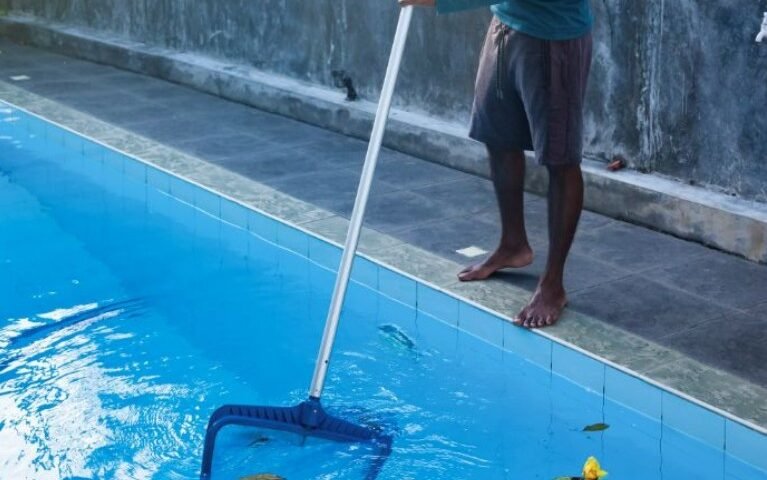
Owning a pool should feel like a convenience, not a constant expense. Yet many pool owners find themselves dealing with recurring water issues, equipment breakdowns, and rising utility bills without realizing the root cause. In most cases, the problem is not the pool itself, but overlooked maintenance habits that slowly create bigger and more expensive problems.
Many homeowners begin searching for pool service bradenton after repeated cleanups, cloudy water, or equipment issues make it clear that occasional DIY care is no longer enough. At that point, the goal shifts from keeping the pool usable to protecting the system as a whole. Understanding which maintenance mistakes quietly increase costs helps owners avoid unnecessary repairs and extend the life of their pool equipment.
Why Small Pool Problems Become Expensive
Pools operate as complete systems. Circulation, filtration, chemistry, and equipment all rely on each other. When one area falls behind, stress spreads throughout the system.
What starts as skipped cleaning or delayed service often turns into pump strain, chemical imbalance, algae growth, or surface damage. These issues rarely appear overnight, but they add up faster than most owners expect.
Mistake One: Treating Pool Service as Optional
One of the most common mistakes is assuming pool service is only needed when something goes wrong.
Regular service identifies small issues before they escalate. Dirty filters, restricted flow, unbalanced chemical levels, and minor leaks all place additional stress on equipment. Without routine attention, these problems compound and lead to expensive repairs.
Consistent service protects both water quality and equipment health.
Mistake Two: Letting Water Chemistry Drift
Clear water does not always mean balanced water.
Improper chemical levels corrode metal components, damage finishes, and strain pumps and filters. Over time, this silent damage leads to premature equipment failure and costly surface repairs.
Water chemistry needs to be monitored, not left to guesswork.
Mistake Three: Ignoring Early Equipment Warning Signs
Pools give warning signs before failure.
Unusual noises, reduced circulation, rising energy bills, or inconsistent water clarity often signal developing issues. Ignoring these signs allows damage to progress until repair options become limited and more expensive.
Early attention saves money and prevents downtime.
Mistake Four: Running Equipment Longer Instead of Fixing Problems
Many pool owners respond to cloudy water or algae by increasing run times.
If filters are dirty, valves are misaligned, or circulation is restricted, longer run times only increase equipment wear and energy costs. Fixing the underlying issue restores efficiency and reduces strain.
More runtime is not a solution to poor performance.
Mistake Five: Delaying Seasonal Maintenance
Seasonal transitions put more stress on pool systems than most owners realize. Changes in temperature, usage patterns, and water chemistry all affect how equipment performs. When pools move from cooler months into heavy use or from peak season into shutdown, components like pumps, heaters, and filters are suddenly working under different conditions.
Skipping pre-season inspections allows small issues to slip through unnoticed. Minor leaks, worn seals, clogged filters, or electrical inconsistencies that could have been handled quickly often worsen once the pool is running daily. By the time symptoms become obvious, the damage is usually more extensive and expensive to fix.
Delaying end of season service creates similar problems. Water left improperly balanced, debris allowed to sit in the system, or equipment not properly winterized can lead to corrosion, cracking, or internal damage during periods of inactivity. These issues often surface months later when the pool is restarted, turning what should be routine maintenance into unexpected repairs.
Mistake Six: Relying on Quick Fixes and Myths
Internet tips and shortcuts often cause more harm than good.
Household products, improvised repairs, or chemical overcorrections may seem helpful but often disrupt system balance or damage equipment. These fixes rarely address the root causes and often lead to recurring problems.
Professional care focuses on long-term stability, not temporary relief.
How Professional Pool Service Reduces Long-Term Costs
Effective pool service looks at the entire system, not just surface appearance.
System-wide inspection
Equipment, plumbing, filtration, and circulation are evaluated together.
Preventive maintenance
Cleaning, adjustments, and minor repairs prevent major failures.
Efficiency optimization
Proper balance reduces energy use and chemical waste.
Early problem detection
Small issues are resolved before they escalate into expensive repairs.
When Pool Service Becomes a Smart Investment
Pool service pays off when it prevents costly replacements.
Regular care extends equipment lifespan, improves water quality, and reduces surprise expenses. For many homeowners, professional service ultimately costs less than repeated DIY fixes and emergency repairs.
Conclusion
Most expensive pool problems start as small maintenance issues that were easy to prevent. Skipped service, drifting water chemistry, ignored warning signs, and reliance on shortcuts quietly drive costs higher over time.
When homeowners want dependable care and long-term protection, Bradenton Pool Service Pros provide professional pool service focused on prevention, efficiency, and system-wide health. Their experience helps pool owners enjoy their pools with fewer repairs, lower costs, and greater peace of mind.