A wet basement can start as a small inconvenience but quickly turn into a serious structural and financial problem. Homeowners often feel surprised when they receive an estimate for basement waterproofing, especially if the issue seems minor on the surface. However, water intrusion is rarely simple. What looks like a small crack or damp patch may signal deeper drainage or foundation concerns. Understanding what drives the cost of basement waterproofing helps explain why the investment is often necessary.
Many homeowners researching solutions like basement waterproofing howell quickly discover that no two homes face identical moisture problems. Soil composition, foundation age, grading, drainage systems, and previous repairs all affect the final price. Basement waterproofing requires a tailored approach because stopping water at its source is far more effective than masking the symptoms. Proper inspection and planning are critical steps before any work begins.
Labor and Installation Complexity
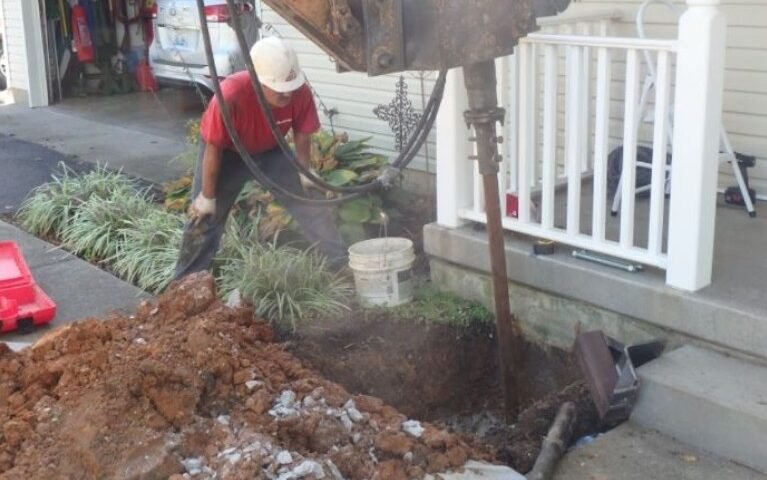
One major reason basement waterproofing is expensive is the labor involved. Exterior waterproofing can require excavation around the foundation. Contractors may need to remove soil, expose foundation walls, apply waterproof membranes, and install drainage systems before carefully backfilling the area. This type of work requires heavy equipment, trained professionals, and strict safety measures.
Interior systems also require significant effort. Installing an interior drainage system often involves cutting into the basement floor, placing drainage channels, installing a sump pump, and restoring concrete. Although less invasive than exterior excavation, interior basement waterproofing must be installed precisely to ensure long-term effectiveness. Mistakes during installation can lead to recurring leaks and additional repairs.
Material Quality Matters
The materials used in basement waterproofing play a major role in cost. High-quality waterproof membranes, vapor barriers, sealants, sump pumps, and drainage pipes are designed to last for many years. Cheaper materials may seem appealing, but they often fail under heavy water pressure or shifting soil conditions.
Hydrostatic pressure—the force of groundwater pressing against foundation walls—can be intense. Durable materials are essential to withstand this pressure. Investing in reliable basement waterproofing materials reduces the risk of repeated repairs and long-term damage.
Diagnosis and Hidden Problems
Water intrusion can be deceptive. Water may seep through hairline cracks, porous concrete, basement windows, or the joint between the wall and floor. In some cases, improper grading or clogged gutters redirect rainwater toward the foundation. Identifying the exact source requires professional evaluation.
Without an accurate diagnosis, temporary fixes like waterproof paint or sealants may only trap moisture behind walls. While these products may appear to solve the issue, they rarely address the root cause. True basement waterproofing focuses on controlling water movement both inside and outside the home.
Why It’s Worth the Investment
Although basement waterproofing can be costly upfront, the long-term benefits make it a smart investment for any homeowner. One of the most important advantages is protecting your home’s structural integrity. Basements are the foundation of the entire house, and continuous exposure to moisture can weaken concrete walls, lead to cracks, bowing, and even foundation settlement over time. These structural issues can escalate quickly, resulting in extensive repairs that cost many times more than proper waterproofing. By addressing water problems early, homeowners can avoid these large-scale repairs and ensure their home remains safe, stable, and resilient against future water damage.
Beyond structural protection, basement waterproofing directly impacts indoor air quality and health. Damp, humid basements create the perfect environment for mold, mildew, and bacteria to thrive. Mold spores are tiny and can travel through the air, often spreading to other parts of the home via heating and cooling systems. This can trigger respiratory issues, allergies, and other health problems, particularly for children, the elderly, or anyone with pre-existing respiratory conditions. By keeping your basement dry, basement waterproofing not only protects the building materials and belongings stored below but also contributes to a healthier living environment for everyone in the home.
Long-Term Savings
Repeated water damage can quietly drain finances. Replacing damaged drywall, flooring, insulation, or personal belongings after each heavy rainstorm adds up quickly. Investing in professional basement waterproofing reduces ongoing maintenance expenses and protects valuable possessions.
While the installation process may temporarily disrupt daily routines, the long-term protection outweighs the inconvenience. When installed correctly, basement waterproofing systems can last for decades with routine maintenance such as sump pump inspections and proper drainage upkeep.
Conclusion
Basement waterproofing may seem expensive at first, but it addresses far more than surface-level leaks. It protects your foundation, preserves indoor air quality, and prevents costly structural damage. By solving moisture problems at their source, basement waterproofing delivers long-term stability and peace of mind.
For homeowners seeking reliable, lasting solutions, Top Foundation Repair Howell offers professional expertiseto safeguard homes against water damage. Investing in basement waterproofing today can prevent much larger expenses tomorrow, making it one of the most valuable improvements a homeowner can make.