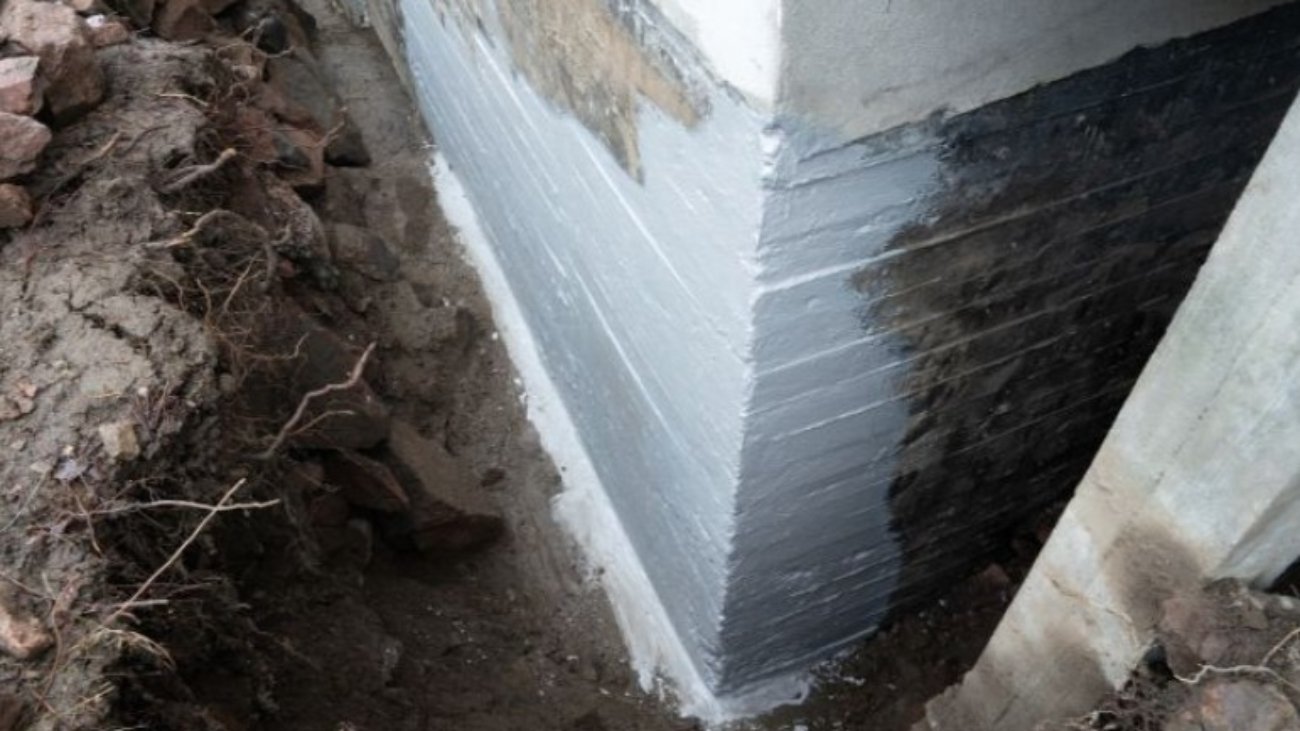
Basement water problems rarely disappear on their own. They tend to linger, resurface, and gradually worsen over time. What begins as a small damp spot or a faint musty smell often turns into visible water intrusion, damaged finishes, and concerns about air quality and structural integrity. When homeowners attempt quick fixes without understanding the cause, failure is usually not far behind.
Many homeowners begin researching basement waterproofing cleveland ohio after repeated attempts to stop leaks have not worked. This is often the turning point where it becomes clear that not all waterproofing methods are created equal. Some approaches address symptoms only, while others solve the underlying problem. Knowing the difference is what separates temporary relief from long-term protection.
Why Basement Waterproofing Fails So Often
Waterproofing fails when the solution does not match the source of the problem.
Basement water issues usually come from one of three sources: groundwater pressure, surface runoff, or internal plumbing leaks. Applying the wrong solution allows water to keep moving, even if it looks controlled for a short time.
Another common reason for failure is underestimating hydrostatic pressure. Water pushing against foundation walls and floor joints will always find the weakest path. If pressure is not relieved, coatings and sealants eventually give way.
Common Waterproofing Fixes That Do Not Last
Some methods are popular because they are inexpensive or easy, not because they are effective.
Waterproof paint and coatings
Waterproof paints and masonry sealers are often marketed as simple basement waterproofing solutions because they are easy to apply and relatively inexpensive. These products are designed to resist moisture at the surface level by forming a barrier on the interior side of basement walls. When moisture exposure is light and occasional, they may temporarily improve appearance.
The problem is that these coatings do nothing to address the source of the water. Groundwater pressure continues to build behind the wall, especially during heavy rain or snowmelt. As that pressure increases, moisture seeks out the weakest point, which is usually a hairline crack, a mortar joint, or a porous section of concrete. Over time, water seeps through the wall and lifts the coating from the back, causing bubbling, flaking, and peeling.
Crack patching without drainage
Sealing cracks can work when movement is stable and water pressure is minimal. However, when groundwater continues to push against the foundation, new cracks often form nearby.
Relying only on dehumidifiers
Dehumidifiers reduce moisture in the air but do not stop water from entering. They are supportive tools, not waterproofing systems.
Basement Waterproofing Methods That Actually Last
Long-term solutions focus on managing water movement rather than fighting it.
Interior drainage systems
Interior drainage systems collect water that enters beneath the basement floor and direct it to a sump pump. By relieving pressure, these systems prevent water from rising through floor joints and wall seams.
Exterior waterproofing systems
Exterior waterproofing prevents water from reaching the foundation. These systems include waterproof membranes and exterior drainage installed during excavation. They are effective for severe exterior water exposure.
Sump pump systems
Sump pumps remove collected groundwater and prevent it from accumulating beneath the basement. They are most effective when paired with proper drainage systems.
Combined system approaches
The most reliable waterproofing plans often combine drainage, pumping, and moisture control rather than relying on a single method.
Inside vs Outside Waterproofing: What Matters Most
The debate between interior and exterior waterproofing often misses the point.
The correct approach depends on where water originates, how it moves through the soil, and how the foundation was built. Interior systems manage water after it enters. Exterior systems prevent entry altogether. Both can work when matched to the right conditions.
Why Timing and Installation Quality Matter
Even the best waterproofing system can fail if installed incorrectly.
Poor placement, incomplete sealing, or improper discharge routes undermine performance. Waterproofing also works best when installed before major interior damage occurs, not after finishes are already compromised.
Can Waterproofing Fix Mold Problems
Waterproofing helps prevent future mold growth by controlling moisture. It does not remove existing mold. Mold remediation must be handled separately before or alongside waterproofing work.
Insurance and Basement Waterproofing Reality
Many homeowners assume insurance will cover basement waterproofing.
Most policies do not cover long-term seepage, groundwater intrusion, or damage caused by hydrostatic pressure. Sudden plumbing failures may qualify, but confirmation is essential before planning repairs.
Why Professional Evaluation Makes the Difference
Basement waterproofing requires diagnosis, not guesswork.
Identifying the water source
Surface water, groundwater, and plumbing leaks require different solutions.
Designing the right system
One-size systems often fail. Custom planning produces better outcomes.
Protecting long term value
Professional documentation supports resale and inspection confidence.
For general guidance on moisture control and basement health, homeowners can review information from the US Environmental Protection Agency at epa.gov.
Conclusion
Basement waterproofing fails when it treats symptoms instead of causes. Paints, patches, and shortcuts rarely withstand pressure over time. Systems that manage water movement, relieve pressure, and control moisture are the ones that last.
When water problems persist, Expert Basement Waterproofing Cleveland provides professional evaluations and proven waterproofing solutions designed to stop leaks at their source. Their experience helps homeowners choose systems that deliver lasting protection rather than temporary relief.