
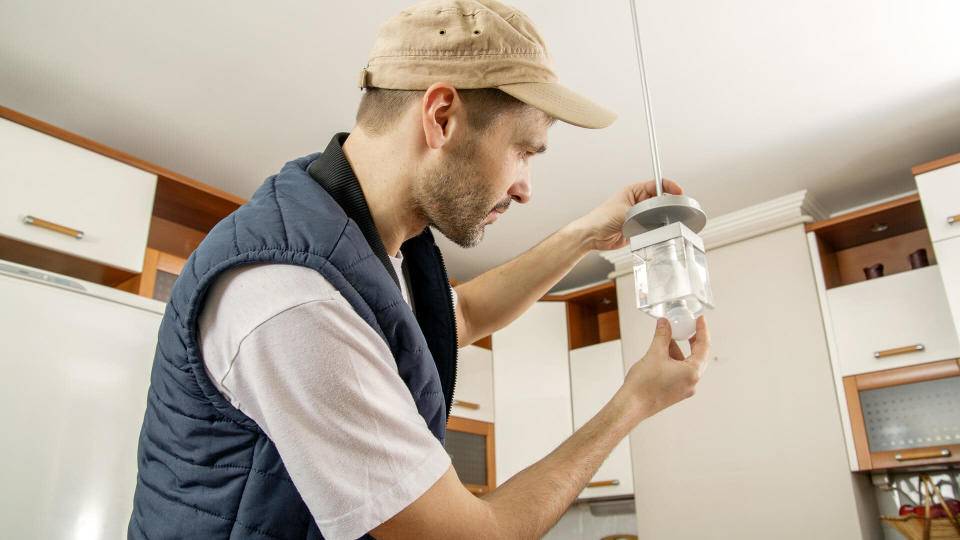
Spending so much time at home during the past two years has exposed the pluses and minuses of our properties. The main living space might shine and sparkle, but the bathrooms look old and dreary by comparison. You’ve probably also noticed deficiencies in some of its core systems, such as heating, plumbing and electrical.
Read: Unplug These Appliances That Hike Up Your Electricity Bill
Check Out: 50 Ways You’re Throwing Money Away
The desire to repair, update or bring more comfort to our spaces led to a push in home improvement projects in 2020 that has dipped only slightly to start 2021, according to the nonprofit Home Improvement Research Institute. In fact, a recent report from the Harvard Joint Center for Housing Studies said that Americans spent nearly $420 billion on projects in owner-occupied and rental properties in 2020 Homeowners are expected to spend record numbers on improvements through the middle of 2022. Between a hesitancy to bring strangers into their homes as the virus spread and a desire to save money, do-it-yourselfers tried to give many projects a try themselves.
But that might prove illegal.
“The legality of the repairs you perform on your property are subject to the rules and regulations of your local building department,” said Bill Samuel, who runs Blue Ladder Development in Chicago. “The rules will vary from each town but in general you will be required to pull a permit for any property alterations beyond basic cosmetic improvements. Not pulling the required permits is considered performing illegal work. Many villages also require specific work to be performed by a licensed professional.”
Before you strap on your tool belt, read the wise words that home improvement pros and others have to share about the dangers of DIY projects.
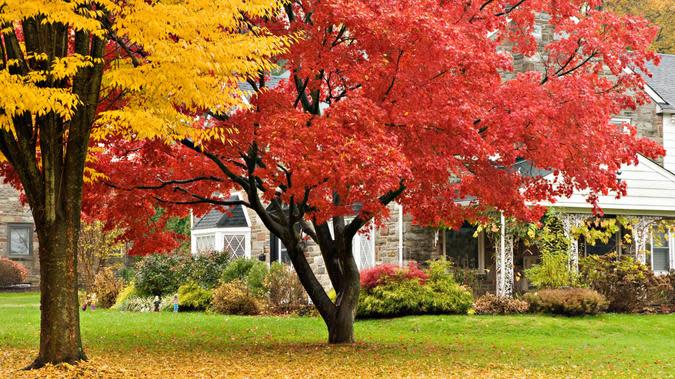
Cutting Down Large Trees
“One of the things we deal with regularly in our line of work is homeowners that are wanting their landscapers to remove large trees or that want to remove them on their own. We’re told this is fine to do if you’re careful and have the right tools. Maybe not the smartest idea, but perfectly legal if it’s your property,” said Dan Bailey, president of WikiLawn Lawn Care.
“This isn’t always true, though. In some states, it’s illegal to cut down large trees if you’re not an arborist or don’t have [the] certification to do so…So if you’re wanting to clear out large trees, definitely don’t do it yourself. It’s dangerous to self and property, and in many cases, it will get you fined.”
According to Forbes, the cost can vary based on how large the tree is and how old it is. Smaller trees can cost around $400, while larger trees cost about $2,000 to remove. The average cost for tree removal is $1,200.
POLL: What Do You Think of Elon Musk Buying Twitter?
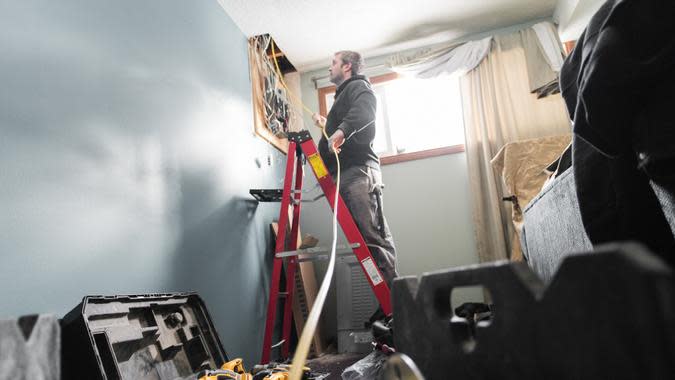
Replacing an Electrical Panel
The cost of replacing an electrical panel depends on the amperage and whether new wiring is required, but HomeAdvisor puts the average price at about $1,199.
“Some of the worst things and illegal things I have seen homeowners and unlicensed contractors attempt to do is replace their main electrical panel,” said Christopher Haas, the owner of Haas & Sons Electric in Pasadena, Maryland. “This poses many dangers from injuring themselves, the home, and the occupants. … I have seen people unknowingly hook up the ground and power wire backward — reverse of what they should have done — which can cause injury or death to any unsuspecting person or animal that touches the now electrified ground.”

Converting Your Stove From Electric to Gas
The concept of moving from electric to gas cooking sounds simple, but it isn’t.
“Switching your stove from electric to gas is a complicated process that requires permits and a professional’s assistance,” said Emily Perez, head of design and digital PR at Kitchen Infinity. “You’ll need to have a gas line installed and the electrical circuits adequately closed off. This ensures that the final product is safe and functional.”
The website, Angi, estimates that the cost for this job ranges anywhere from $125-$2,000.

Taking Out a Wall
“You’d love to have an open floor plan. Before you take a sledgehammer to that wall, you need to talk with an expert,” Perez said. “Some walls in your home are cosmetic, and others are supporting your roof. Knockdown a supporting wall, and you’ve compromised the integrity of your home.”
The cost to remove a wall varies widely, depending on whether it’s cosmetic or load-bearing, the size and whether it’s on the first or second floor. It can run from $300-$10,000, per HomeAdvisor.

Repairing or Replacing HVAC
If there’s a problem with your heating and air conditioning, it’s always best to call a professional, Perez said.
“There are possible gas leakages that can cause dizziness, asphyxia and other respiratory problems,” she said. “It is because of these health risks it is illegal to fix or replace your HVAC system by yourself. If a manufacturer finds out about your efforts to fix the system yourself, they may even cancel out your warranty.”
It’s always a good practice to have your HVAC system serviced regularly, which costs $75-$200, according to HomeAdvisor.

Installing a Water Heater
“You’re either dealing with 220 volts of electricity or a live gas line with the possibility of carbon monoxide poisoning looming in the air,” said Ralph Severson, owner of Flooring Masters and Professional Remodelers. “It is very dangerous for a DIY-inclined homeowner to do this replacement themselves, but there is no shortage of people with a lot more confidence than skill.
“I once got a call from a friend to go look at a new water heater that wasn’t working. The person who installed it for my friend did it for free. They ran a 110-volt line to the heater instead of 220. Needless to say, I didn’t touch it and told them to call both a plumber and electrician immediately.”
Count on paying about $1,200 for the unit and installation.
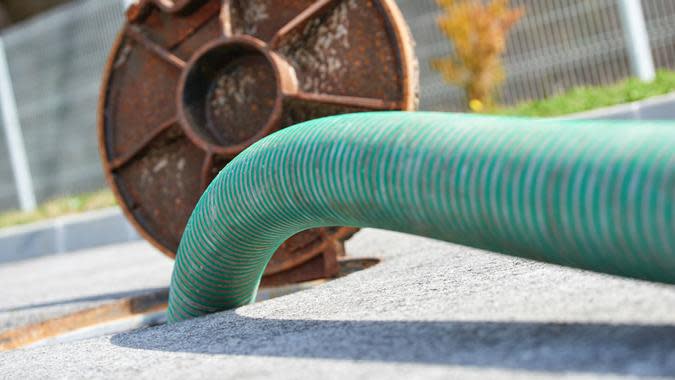
Pumping a Septic System
This is another thing that is taboo for a DIY project, Severson said.
“This waste must be disposed of properly,” he said. “I have heard stories of … people pumping or even siphoning systems themselves. Undoubtedly straight into the yard or a creek.”
HomeAdvisor finds that this costs about $400 on average to have done.

Building a Deck
“The biggest DIY safety issue is, without a doubt, self-built decks,” said Welmoed Sisson, a licensed home inspector in Maryland. “Just about every jurisdiction requires permits for deck construction, but we still see decks that were built by a homeowner with a hammer in one hand and a copy of ‘Family Handyman’ in the other. Not knowing the fundamentals of safe deck construction can lead to disaster.”
An average deck costs $7,720, according to HomeAdvisor.
Adding On
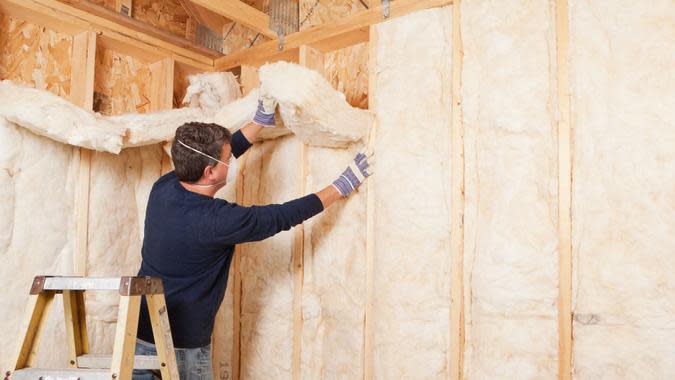
“The add-on will be a different level from the original home, and the roof line might be odd,” said Luke Smith from We Buy Houses Louisville.
“On top of that, many homeowners trade speed and convenience for adherence to the law. We’ve found many homeowners failed to get permits for add-ons or home renovations that they conducted. This hurts everyone in the long run. If the add-on wasn’t permitted and properly inspected by the city, it’s essentially worthless and it can’t be factored in for the value of the home as it might not pass inspection.”
Roofing
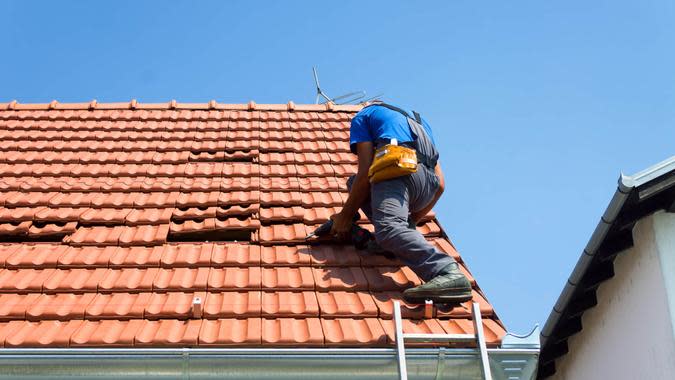
Many local building departments require roofers to be licensed with the state.
“Roofing is a good example of a project that if not done correctly can cause leaks into your home, causing additional damage,” said Bill Samuel of Blue Ladder Development. “Roofing is also a dangerous job that requires specific safety gear and has a high risk of injury for someone new to the job.”
Including materials and labor, a roof costs an average of $8,764, HomeAdvisor reports.
More From GOBankingRates
Sam DiSalvo contributed to the reporting for this article.
This article originally appeared on GOBankingRates.com: Home Improvements That Are Not Legal To Do Yourself
