Is Home Care in Marion Really Worth It? Here’s My Take

Is Home Care in Marion Really Worth It? Here’s My Take

Key Takeaways

Home care costs can be a bit tricky. Agencies tend to advertise those low hourly rates, but they often come with minimum service charges that really drive up the total. 

You might be hit with hidden fees, such as administrative charges, equipment rentals, or even overtime fees. These can really catch families off guard in the home care industry.

There’s a certain independence that home care brings for seniors. On the flip side, assisted living offers that structured support. It can feel like you’re choosing between personal freedom and a bit of oversight.

Quality of life may risk being compromised in home care if there’s no diligent supervision. In contrast, assisted living facilities often provide the structured community your loved one might need.

Many home care agencies lean towards a one-size-fits-all model, which raises questions about how personalized their care plans truly are unless regular assessments and family check-ins become part of the routine.

Caregiver qualifications? They matter. The skills and trustworthiness of the staff you choose can drastically influence the quality of care received by seniors.

When it comes to family experiences with home care, expect a wide array. It emphasizes why you should invest some time in research and gather insights to help guide your caregiving decisions.

What Are the Real Costs of Home Care in Marion?

Analyzing Hourly Rates vs. Monthly Fees

Diving into home care options reveals something surprising: not all costs are as clear-cut as they should be. Hourly rates versus monthly fees can be downright misleading. Some agencies advertise a low hourly rate, but they often bury the fact that those hours add up, particularly if your loved one needs assistance several hours a day. And don’t get me started on “minimum service charges.” They sneak up on you.

Let’s say the hourly rate is $25. Fairly cheap, right? Until you learn that you’re required to book a minimum of four hours a day, three days a week. Add that up. Suddenly, that “affordable” rate transforms into a hefty monthly total that can throw your budget for a loop. Here’s a look at typical costs:

  • Hourly rate: $20 – $30
  • Weekly minimums: $300 – $600
  • Monthly ranges: $1,200 – $3,000

Your home care expenses can pile up faster than you’d expect, much like a hefty dinner bill at a fancy restaurant. It’s all about those seemingly minor numbers that turn into something significant. And believe me, it can get tricky.

Hidden Expenses: What Home Care Agencies Don’t Tell You

Ah, the less pleasant side of the home care industry. Hidden expenses often lurk, much like a sneaky villain in a suspenseful novel. Did you know some agencies hit you with extra charges for transportation? They may also impose additional fees for specific services, like bathing or meal preparation. This makes you wonder: what’s really included in that initial quote? You’ll need to dig a little deeper.

Here’s a handy list of commonly overlooked charges:

  • Administrative fees
  • Equipment rentals (like wheelchairs)
  • Overtime fees if care is needed outside standard hours
  • Last-minute scheduling fees

The truth is you might find yourself paying for things you didn’t sign up for. Always read the fine print. I remember when I first began my search for home care services; I overlooked a handful of these costs, and let me tell you, it wasn’t a pleasant surprise later on.

How Does Home Care Compare to Assisted Living Options?

Evaluating Independence vs. Supervision

How Does Home Care Compare to Assisted Living Options

Independence can be a double-edged sword, can’t it? Sure, living in your own space means you maintain autonomy. Yet, isolation or avoidable neglect might creep in over time. Here’s how I differentiate between the two:

  • Home Care: More independence, but lower supervision.
  • Assisted Living: Structured environment, yet less freedom.

This ongoing battle between independence and supervision is definitely real. It’s the type of decision that can leave you tossing and turning at night. Which option truly helps your loved one thrive?

Quality of Life: Which Option Wins?

When you really break it down, quality of life emerges as the crucial factor. Home care feels warm and personal, with family photos decorating the walls. However, without proper oversight, the care can start to falter. Meanwhile, assisted living can resemble a cruise ship—wonderful amenities, but could also come with a stifling schedule. What are the implications for your loved one?

Consider this: Which environment truly nurtures emotional and mental well-being? Many folks would argue that home care provides a cozier feel, but if they’re sitting alone all day, what’s the real value in that? Here’s how I perceive both options:

  • Home care: Comfort, but requires diligent supervision.
  • Assisted living: Community, yet limits personal space.

In the end, it really comes down to what you choose. And sometimes, that choice isn’t as clear-cut as it ideally should be.

Are Home Care Services Tailored to Individual Needs?

Personalized Care Plans: Myth or Reality?

A true tailored care plan ought to include regular check-ins on your loved one’s evolving needs. But let’s be honest: how many agencies are really doing that? Far too few, in my opinion. Here’s what should absolutely feature in any solid care plan:

  • Frequent assessments
  • Flexible scheduling
  • Regular family meetings to discuss necessary adjustments

When these elements are lacking, you can’t help but question whether that ‘personalized’ label is just a marketing trick rather than a firm commitment. And let’s choose wisely here; lives are truly on the line.

Finding the Right Fit: Staff Qualifications Matter

No need to sugarcoat this: not all caregivers are created equal. In the realm of home care in Marion, the qualifications of the staff can really shape the overall experience. It seems obvious, yet many families overlook this crucial detail. Everyone wants someone who’s not just trained but also trustworthy.

I’ve heard so many stories where inadequate training resulted in poor care. Scary, right? Imagine caregivers who don’t even know how to lift a patient safely or who miss the signs of a medical emergency. This underscores how essential it is to vet your caregivers. Look for these qualifications:

  • Specialized training in geriatrics
  • CPR and first aid certifications
  • Background checks and solid references

Don’t settle for anything less than excellent when your loved one’s well-being is hanging in the balance. Make sure you know who’s entering your home.

What Do Real Families Say About Home Care in Marion?

Case Studies: Success Stories vs. Cautionary Tales

Hearing stories from real families can often tell you so much more than any glossy brochure ever could. Believe me, I’ve listened to a broad range of experiences. Some families rave about the compassion and skill they’ve encountered while others recount experiences filled with disappointment. The variability has definitely got me thinking, what’s really happening out there?

Success stories shine a light on comfort and care while cautionary tales can drag you into more troubling narratives. These stories reinforce the significance of doing your homework. Here are a few real-life insights:

  • Families who found caregivers that felt just like family.
  • Families left high and dry with last-minute cancellations and no backup.
  • Unsung heroes in the form of trustworthy, affordable agencies.

The lesson? Do your due diligence. Learning from others’ experiences can reshape how you see what’s ahead – or even what’s possible. Trust your instincts, and remember that you’re not alone on this journey.

Online Reviews: Are They Trustworthy?

  • Watch for consistency. If multiple reviews point out the same issue, take note.
  • Negative reviews that prompt a response indicate accountability.
  • Be cautious of overly generic praise – real experiences typically have nuances and details.

Sorting through a pile of reviews demands a bit of carefulness. Think of it as detective work; you’re on the hunt for clues that will uncover the truth, no matter how murky that truth may be.

In the end, the realm of home care in Marion paints a complicated picture filled with choices, costs, and emotional implications. I’ve seen the good, the bad, and every shade in between. Ultimately, the question to ponder is: Is the investment worth it? Only you can determine that, but I genuinely hope this exploration brings you closer to making an informed decision.

FAQ

What should I consider before choosing home care over assisted living?

Think about your loved one’s personality and needs. If they cherish their independence and can handle some level of care alone, home care might be a good fit. But if they require more consistent supervision, assisted living could be the way to go.

How can I verify a home care agency’s staff qualifications?

When interviewing agencies, don’t hesitate to ask for proof of certifications and training. Demand background checks and reference letters without hesitation. A reliable agency won’t hesitate to share their vetting process.

Can home care services adapt to changing needs?

They definitely can, but it all hinges on the agency. A genuine service will consistently reassess your loved one’s situation and tweak the care plan as needed. If they don’t offer that, it’s probably best to look elsewhere.

How can families support their loved ones receiving home care?

Stay engaged. Regular visits and check-ins are crucial for monitoring the quality of care. Don’t just assume everything is hunky-dory; your involvement really matters and can help push for needed changes.

What’s the best way to handle disagreements with a home care agency?

Communicate clearly and directly about your concerns. Keep a record of everything and ask for a resolution. If their response doesn’t meet your expectations, it may be time to consider switching providers or seeking mediation.

Are there legal protections for consumers using home care services?

Yes, indeed, there are regulations, although they vary by state. Familiarize yourself with local laws regarding caregiver qualifications and patient rights. Understanding your rights can be quite helpful when raising concerns.

How do I tell if my loved one is receiving adequate home care?

Look for cues like consistent communication from caregivers, adherence to the care plan, and your loved one’s overall well-being. If you notice any significant decline in their health or happiness, it’s time to reassess.

What are some red flags to watch out for in home care agencies?

Be cautious of agencies that rush through consultations or can’t provide references when asked. A lack of transparency regarding fees and contract terms should also set off alarms. Trust your intuition – if something feels off, it likely is.
Useful Resources

Epoxy Flooring Pricing: What I Learned After Seeing Cheap Jobs Fail

Epoxy Flooring Pricing: What I Learned After Seeing Cheap Jobs Fail

Epoxy Flooring Pricing: What I Learned After Seeing Cheap Jobs Fail

Why Epoxy Flooring Prices Seem All Over the Place

The first time I got a quote for epoxy flooring, I honestly thought somebody messed up the paperwork.

One contractor quoted around $1,800 for a garage floor. Another came in over $5,000 for what looked like basically the same thing. Same garage. Same square footage. Totally different pricing.

At the time, I figured somebody was trying to rip me off. Later on though, after seeing more epoxy flooring projects and helping with a few installs myself, I realized epoxy pricing depends on way more than just the size of the floor.

And honestly, some cheap epoxy jobs really do end up costing more later.

I’ve seen bargain coatings peel within a year because the installer skipped concrete grinding. I’ve also seen professionally installed epoxy floors still looking excellent after 10 or 15 years of abuse. The difference usually comes down to:

  • Surface preparation
  • Material quality
  • Coating thickness
  • Labor experience

So if you’re researching epoxy flooring cost, this guide will help explain where the money actually goes and what pricing ranges are realistic today.

Average Epoxy Flooring Cost Per Square Foot

Typical Residential and Commercial Pricing

In 2026, most professionally installed epoxy flooring costs between:

  • $4 to $12 per square foot installed

High-end decorative or industrial systems can cost:

  • $15 to $25+ per square foot depending on complexity.

DIY epoxy kits are much cheaper:

  • Around $1 to $5 per square foot for materials only.

But here’s the thing people don’t always realize…

The coating itself is only part of the price.

Surface prep usually decides whether that floor lasts 15 years or starts peeling after one hot summer.

Typical Epoxy Flooring Prices by Project Type

Garage Epoxy Flooring Cost

This is probably the most searched epoxy project.

Standard Garage Pricing

Garage Size Typical Cost
One-car garage $750 – $3,000
Two-car garage $1,600 – $5,800
Three-car garage $3,000 – $8,000+

Professional garage epoxy flooring generally runs:

  • $4 to $12 per square foot installed depending on finish and prep needs.

I helped redo a garage once where an old DIY coating had failed completely under hot tire marks. Removing that peeling mess added over a thousand dollars before the new floor could even begin.

That was a painful lesson about “saving money.”

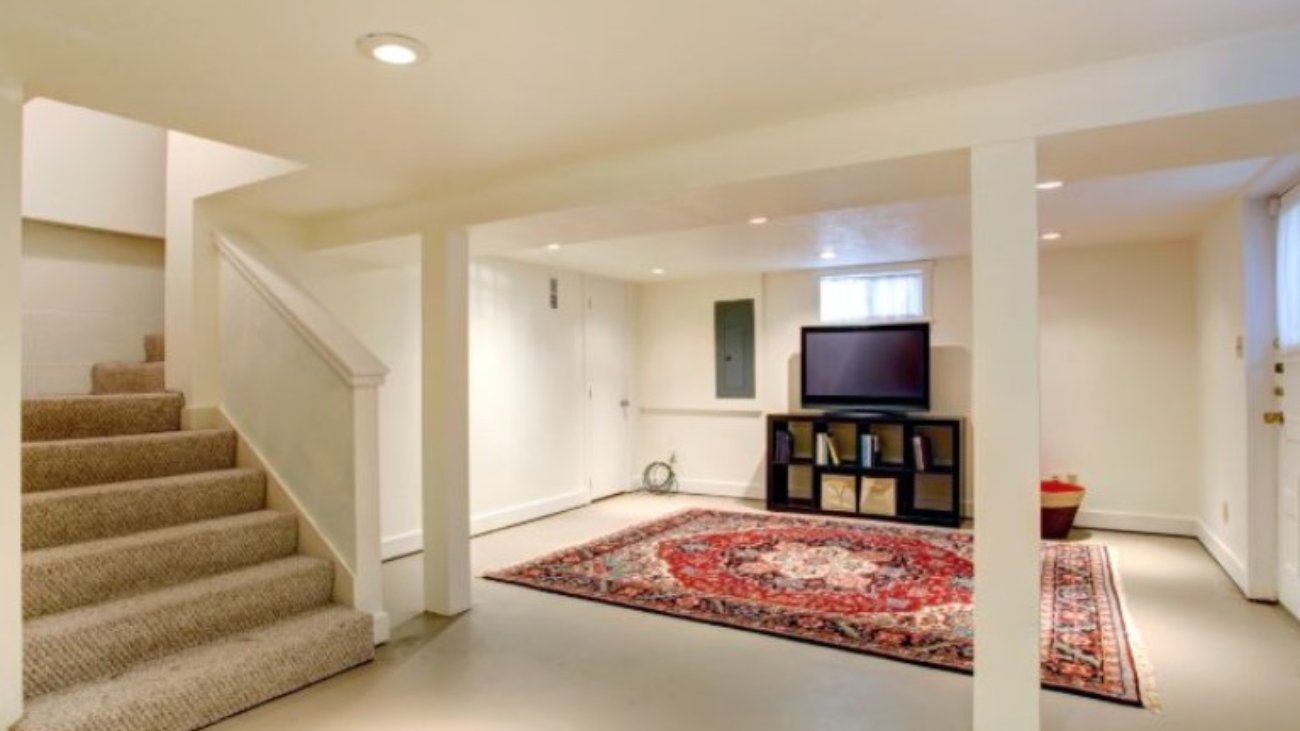
Basement Epoxy Flooring Pricing

Often More Expensive Than Garages

Basements can be tricky because moisture becomes a major issue.

Typical basement epoxy flooring costs:

  • $3 to $10 per square foot

Moisture barriers, crack repair, and leveling work can push costs much higher.

One basement project I saw looked fine during winter, but by humid season bubbles started forming underneath the coating because moisture testing wasn’t done properly beforehand.

Concrete moisture problems are sneaky like that.

Commercial Epoxy Flooring Costs

Restaurants, Warehouses, and Retail Spaces

Commercial epoxy flooring usually costs:

  • $5 to $15 per square foot
  • Industrial specialty systems can exceed $20 per square foot.

Restaurant kitchens, breweries, and warehouses need heavier-duty coatings because of:

  • Chemicals
  • Forklifts
  • Grease
  • Constant cleaning
  • Heavy traffic

Quartz epoxy systems and industrial self-leveling coatings cost more upfront, but they hold up better long term.

And honestly, commercial flooring failures become expensive really fast because businesses lose operating time during repairs.

Types of Epoxy Flooring and Their Prices

Basic Solid Color Epoxy

This is usually the cheapest professional option.

Typical Cost

  • $3 to $7 per square foot

Good for:

  • Utility rooms
  • Basic garages
  • Storage areas

Not super fancy visually, but durable when installed properly.

Decorative Flake Epoxy Flooring

One of the Most Popular Options

This is the classic “garage showroom” style with decorative vinyl flakes.

Typical Cost

  • $5 to $12 per square foot

Benefits:

  • Hides dirt well
  • Adds slip resistance
  • Looks more finished
  • Popular for garages and workshops

Personally, I think flake systems are the sweet spot for most homeowners.

They hide imperfections better too, which helps older concrete slabs look cleaner.

Metallic Epoxy Flooring Pricing

The Fancy Stuff Gets Expensive Fast

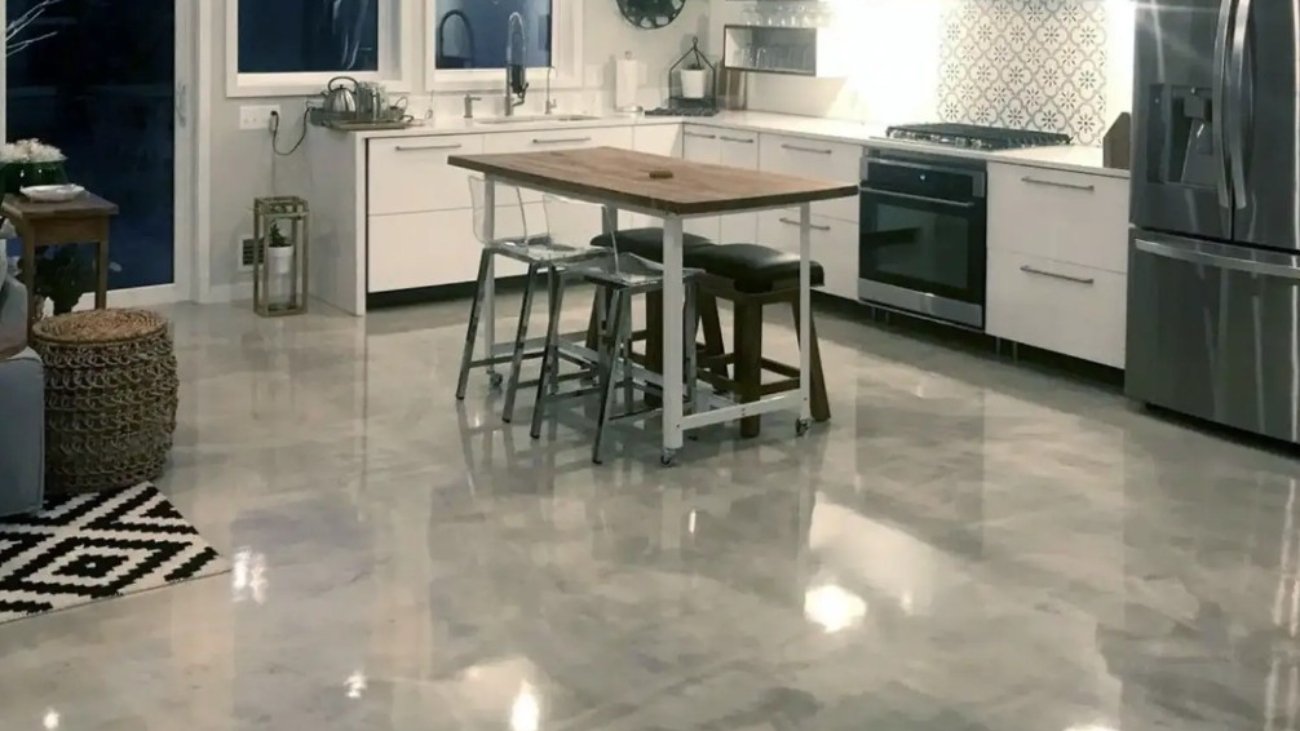
Metallic epoxy flooring creates those dramatic swirling marble-like effects.

Looks amazing when done right.

Typical Cost

  • $8 to $18+ per square foot

But metallic systems are labor intensive.

The installer basically shapes the visual pattern by hand during application. That skill level matters big time.

I saw one metallic floor that looked like polished lava rock under soft lighting. Gorgeous honestly.

I’ve also seen bad metallic installs that looked like muddy spilled paint.

Very little middle ground there.

What Affects Epoxy Flooring Pricing?

The Stuff Most Quotes Don’t Explain Clearly

This is where confusion usually happens.

Surface Preparation

This is HUGE.

Grinding concrete properly takes:

  • Specialized equipment
  • Labor
  • Dust control
  • Repair materials

Most epoxy failures happen because prep work was rushed or skipped.

One Reddit contractor said:

“The biggest cost variable isn’t the coating, it’s surface prep.”

Honestly, that’s very true.

Floor Condition

Damaged Concrete Costs More

Cracks, oil stains, moisture problems, and uneven concrete all increase labor.

You might need:

  • Crack filling
  • Moisture barriers
  • Grinding
  • Resurfacing

That work adds up quickly.

Coating Thickness

Thicker Systems Cost More

High-build industrial systems use more material.

More epoxy means:

  • Better durability
  • Better chemical resistance
  • Higher cost

Thin bargain coatings may look fine initially but wear out much faster.

Decorative Finishes

Custom Looks Increase Labor

Special colors, flakes, metallic pigments, logos, or textured finishes all increase cost.

Especially custom commercial designs.

DIY Epoxy Flooring Pricing

Cheaper Upfront, Riskier Long-Term

DIY epoxy kits usually cost:

  • $1 to $5 per square foot for materials.

That sounds tempting.

And honestly? Some DIY floors turn out decent.

But most DIY failures I’ve seen happen because:

  • Prep wasn’t thorough enough
  • Moisture wasn’t tested
  • Wrong products were used
  • Coating applied too thin

One homeowner online mentioned their bargain DIY kit peeled within six months under tire traffic.

Unfortunately, failed epoxy removal is expensive and miserable work.

Why Professional Epoxy Flooring Costs More

You’re Mostly Paying for Prep and Skill

People think contractors charge high prices just for materials.

But the real value usually comes from:

  • Diamond grinding
  • Moisture testing
  • Surface repair
  • Proper coating thickness
  • Experience

Good installers know how floors fail before they fail.

That knowledge matters.

Especially in:

  • Garages
  • Commercial kitchens
  • Warehouses
  • Humid basements

Hidden Costs People Forget About

These Surprises Catch Homeowners Off Guard

Furniture Removal

Some contractors charge extra.

Moisture Mitigation

This gets expensive quickly.

Concrete Repairs

Large cracks and spalling increase labor.

Additional Topcoats

UV-resistant polyaspartic topcoats cost extra but improve durability.

One contractor told me customers often budget only for the visible coating and completely forget the repair work underneath.

That happens constantly honestly.

Is Expensive Epoxy Flooring Worth It?

Usually Depends on How Long You Plan To Stay

If you want a quick cosmetic refresh before selling a house, maybe not.

But if you plan to keep the property for years, higher-quality systems often save money long term.

Cheap coatings:

  • Peel sooner
  • Scratch easier
  • Require replacement faster

Good epoxy floors can last:

  • 10 years
  • 15 years
  • Sometimes 20+ years with maintenance.

That durability changes the math a bit.

How to Save Money on Epoxy Flooring

Without Regretting It Later

Get Multiple Quotes

Not all installers use the same prep standards.

Ask About Grinding

Acid etching alone usually isn’t enough for long-term adhesion.

Avoid the Cheapest Bid Automatically

Cheap bids often hide shortcuts.

Pick Mid-Grade Decorative Systems

Flake epoxy gives good value without metallic pricing.

Handle Cleaning Yourself

Sometimes homeowners can save money by clearing the space beforehand.

My Honest Thoughts on Epoxy Flooring Pricing

What I’d Personally Spend Money On

If I were paying for epoxy flooring tomorrow, I’d prioritize:

  • Proper grinding
  • Moisture testing
  • Decent topcoat
  • Experienced installer

I’d rather have a simple solid-color floor installed correctly than a flashy metallic floor installed badly.

Because honestly, nobody notices fancy decorative flakes once the floor starts peeling.

And epoxy flooring repairs are almost never cheap.

Conclusion

Epoxy flooring pricing varies a lot because no two concrete floors are exactly alike. Surface condition, coating type, labor quality, moisture issues, and decorative finishes all affect the final price. While basic residential epoxy floors may start around $3 to $5 per square foot, premium commercial and decorative systems can easily exceed $15 per square foot.

The biggest lesson I’ve learned is that surface preparation matters more than almost anything else. Cheap epoxy jobs usually become expensive repairs later because shortcuts were taken during grinding, moisture testing, or crack repair.

For homeowners and business owners who want long-lasting durability, easy cleaning, and a polished appearance, professionally installed epoxy flooring is often worth the investment. Just don’t judge quotes by price alone. The cheapest number on paper sometimes becomes the most expensive floor in the long run.

FAQ About Epoxy Flooring Pricing

How much does epoxy flooring cost per square foot?

Professional epoxy flooring usually costs between $4 and $12 per square foot installed, depending on the system type and floor condition. Premium decorative or industrial coatings can cost more.

How much does it cost to epoxy a two-car garage?

Most two-car garage epoxy floors cost between $1,600 and $5,800 depending on prep work, coating thickness, and decorative finishes.

Why is epoxy flooring so expensive?

Most of the cost comes from concrete preparation, grinding, repairs, labor, and professional installation equipment — not just the epoxy material itself.

Is DIY epoxy flooring cheaper?

Yes. DIY epoxy kits usually cost around $1 to $5 per square foot for materials. However, poor preparation often causes early peeling or failure.

What is the cheapest type of epoxy flooring?

Basic solid-color epoxy coatings are generally the least expensive professional option.

What type of epoxy flooring costs the most?

Metallic epoxy flooring and industrial self-leveling systems are usually the most expensive due to labor intensity and material requirements.

How long does epoxy flooring last?

Professionally installed epoxy flooring can last 10 to 20 years depending on traffic, maintenance, and coating quality.

Does floor condition affect epoxy flooring cost?

Absolutely. Cracks, oil stains, moisture issues, and uneven concrete can significantly increase preparation costs.

Is metallic epoxy worth the extra price?

For decorative spaces like showrooms, restaurants, and modern interiors, metallic epoxy can create a dramatic high-end appearance. For garages or utility spaces, many homeowners prefer more affordable flake systems.

Can epoxy flooring increase home value?

While it may not fully recover installation costs, epoxy flooring often improves appearance, durability, and buyer appeal in garages, basements, and commercial spaces.

Common Basement Waterproofing Mistakes and How to Avoid Them

Common Basement Waterproofing Mistakes and How to Avoid Them

Basement water problems are among the most common issues homeowners face, and they can quickly escalate if left unaddressed. From minor leaks to major flooding, water intrusion can damage flooring, walls, and personal belongings, and create an environment for mold and mildew to grow. Many homeowners attempt DIY solutions, but improper techniques often lead to recurring issues, wasted money, and potential safety hazards. Understanding common mistakes and relying on professional basement waterproofing can ensure your home remains safe, dry, and structurally sound.

One of the most frequent errors is attempting waterproofing without proper expertise or equipment. Hiring basement waterproofing companies in cleveland ohio ensures the work is completed correctly and effectively. Professionals can identify the root causes of water issues, whether it’s foundation cracks, poor grading, or leaking gutters. They use specialized materials and methods to stop water intrusion and prevent future damage. By relying on professional waterproofing, homeowners avoid temporary fixes and gain long-lasting solutions that safeguard the property.

Ignoring Exterior Drainage Issues

Ignoring exterior drainage is one of the most common mistakes homeowners make when attempting to waterproof a basement. Many focus solely on interior sealants or coatings, assuming that stopping water once it enters the basement is enough. However, water outside the home can create significant pressure on foundation walls, especially during heavy rain or snowmelt. Poor grading around the property, clogged gutters, and downspouts that release water near the foundation can create hydrostatic pressure, forcing water into the basement and exacerbating cracks or leaks over time.

Professional basement waterproofing evaluates both interior and exterior conditions to provide a long-term solution. Contractors often recommend regrading the land around the home to allow water to naturally flow away from the foundation. They may also install French drains to intercept and redirect groundwater, along with downspout extensions to carry roof runoff safely away. By addressing these external factors, professional waterproofing not only reduces the risk of water intrusion but also protects the home’s structural integrity. Ignoring exterior drainage can lead to recurring basement problems, higher repair costs, and even potential damage to walls, flooring, and personal belongings.

Relying on Temporary Waterproofing Products

Another common mistake is depending on temporary or inadequate waterproofing products to solve basement water problems. Many homeowners turn to sealants, such as Drylok or Flex Seal, as a quick, inexpensive fix. While these products can temporarily block water penetration on surface cracks, they do not address the root causes of water intrusion. Moisture will often continue to seep through underlying structural weaknesses or poorly managed exterior drainage, leading to recurring leaks and potential mold growth.

Professional waterproofing takes a comprehensive approach, addressing both symptoms and causes. Experts assess the foundation for cracks, bowing walls, and drainage deficiencies before recommending solutions. Treatments may include interior or exterior drainage systems, moisture barriers, and targeted foundation repairs. By using these comprehensive methods, professional basement waterproofing ensures that the basement remains dry, prevents structural damage, and protects the home from future water-related issues. Relying solely on temporary products often leads to repeated repairs and expenses, whereas professional services offer long-term security and peace of mind.

Neglecting Maintenance of Waterproofing Systems

Neglecting maintenance of existing waterproofing systems is another issue. Sump pumps, drainage channels, and sealants require regular inspections to remain effective. Over time, pumps can fail, channels can clog, and coatings can degrade. Professional basement waterproofing companies offer maintenance plans and guidance, helping homeowners monitor and maintain their systems. Regular maintenance prevents minor issues from becoming costly repairs and extends the lifespan of the waterproofing measures.

Delaying repairs until visible damage appears is a mistake many homeowners make. Waiting for mold growth, cracking walls, or standing water can allow water damage to worsen. Early intervention with professional waterproofing addresses problems before they become severe. Experts can identify subtle signs of moisture intrusion, such as damp odors, efflorescence, or slight discoloration, and provide preventative solutions to avoid structural or aesthetic damage.

DIY waterproofing attempts can also create safety and effectiveness problems. Homeowners may not account for electrical wiring, plumbing, or structural requirements when installing drainage systems or sump pumps. Installation errors can lead to flooding, equipment damage, or additional foundation issues. Professional waterproofing ensures that installations are done safely, efficiently, and correctly, giving homeowners confidence in the durability of the solution.

Increasing Home Value and Usable Space

Investing in professional basement waterproofing also increases home value and usability. A dry, well-protected basement can be transformed into usable space for recreation, storage, or additional living areas. Buyers feel more confident purchasing homes with documented waterproofing, and properties often sell faster. Professional waterproofing not only safeguards the structure but also maximizes the home’s functional and financial value, making it a smart long-term investment.

Conclusion: 

Avoiding common waterproofing mistakes requires expertise, thorough assessment, and professional execution. From ignoring exterior drainage to relying on temporary fixes, these errors can lead to recurring water problems and costly repairs. Professional basement waterproofing addresses these issues comprehensively, combining structural solutions, drainage improvements, and moisture management systems. Homeowners looking for reliable and long-lasting results can trust Expert Basement Waterproofing Cleveland to provide expert guidance, effective solutions, and peace of mind, ensuring their basements remain dry and protected for years to come.

The Best Basement Exterior Waterproofing Methods to Protect Your Home

The Best Basement Exterior Waterproofing Methods to Protect Your Home

A wet basement is more than just an inconvenience; it can cause long-term structural damage, promote mold growth, and reduce your home’s value. Homeowners in Detroit often face water infiltration challenges due to heavy rainfall, poor soil drainage, and aging foundation materials. Understanding the best basement exterior waterproofing methods is essential for keeping your basement dry, maintaining structural integrity, and protecting your investment.

For homeowners considering professional solutions, expert basement exterior waterproofing detroit area services can assess your property and recommend the most effective approach. Contractors evaluate the foundation, surrounding soil, and drainage systems to create a customized plan that prevents water from penetrating basement walls. Early intervention not only stops current leaks but also helps avoid future damage, reducing costly repairs over time.

Common Causes of Basement Water Problems

Water infiltration in basements often results from a combination of soil pressure, poor drainage, and structural vulnerabilities. Soil surrounding the foundation can expand and contract with changes in moisture, creating pressure that forces water through cracks or porous concrete. Improper grading around the home, clogged gutters, and ineffective downspouts can direct water toward the foundation rather than away from it. Over time, this continuous exposure to moisture can compromise walls and floors, making professional basement exterior waterproofing a critical solution.

Older homes may have outdated or deteriorating waterproofing systems, while newer constructions can still be at risk due to soil settlement and hydrostatic pressure. Even minor leaks can escalate quickly if not addressed with proper exterior waterproofing, highlighting the importance of using proven techniques to protect your basement.

Effective Basement Exterior Waterproofing Methods

Several methods are commonly used to waterproof a basement from the outside. One of the most reliable techniques involves excavating the soil around the foundation to access the walls. Once exposed, contractors apply waterproof coatings or membranes that seal cracks and prevent moisture from penetrating. These barriers are specifically engineered to resist soil pressure and keep water out, providing long-term protection for your basement walls.

In addition to coatings, exterior drainage systems are often installed to manage water around the foundation. Perimeter drains, or French drains, are placed alongside the foundation to channel water away from the home. These drains, when combined with proper grading, reduce hydrostatic pressure, preventing water from being forced through basement walls and floors. Sump pumps are sometimes integrated into the system to quickly remove collected water, further protecting the interior of your home.

Other solutions may include protective coatings or sealants applied over the foundation walls, foundation wall insulation, and moisture barriers to prevent vapor from entering the basement. Professional contractors ensure that all waterproofing methods are compatible with the home’s foundation material, soil type, and climate conditions, maximizing effectiveness and longevity. By combining structural repairs, drainage improvements, and waterproofing materials, homeowners can maintain a dry, safe, and usable basement.

Benefits of Professional Basement Exterior Waterproofing

Investing in professional basement exterior waterproofing offers numerous benefits that go far beyond simply stopping leaks. A properly waterproofed basement provides critical protection for your home’s structural integrity. By preventing water from seeping through walls and floors, it reduces the risk of foundation damage, cracks, and shifting that can compromise the stability of the entire property. This proactive approach helps avoid costly structural repairs in the future, giving homeowners long-term savings and security.

Water in a basement can create ideal conditions for mold and mildew growth, which can affect indoor air quality and your family’s health. Professional waterproofing not only keeps water out but also minimizes moisture levels that promote the growth of these harmful microorganisms. By controlling humidity and moisture in the basement, homeowners can maintain a cleaner, safer environment that supports both health and comfort.

Another key benefit of professional basement exterior waterproofing is the preservation and enhancement of property value. Homes with dry, secure basements are more attractive to potential buyers because they require less maintenance and pose a lower risk of water damage. A properly waterproofed basement can make a significant difference when selling a home, giving owners confidence that their investment is protected and marketable.

Long-Term Considerations

Basement waterproofing is not a one-time fix. Long-term success requires proper maintenance and monitoring. Gutters should be cleaned regularly, downspouts extended away from the foundation, and drainage systems checked to ensure they are functioning correctly. Homeowners may also schedule periodic inspections with a professional to detect potential weak points before they become major problems.

By combining exterior waterproofing with preventive maintenance, homeowners can enjoy a safe, dry, and functional basement year-round. A well-executed waterproofing plan minimizes risk, enhances the usability of living spaces, and safeguards the home against the damaging effects of water.

Conclusion

Protecting your basement from water intrusion is essential to maintaining your home’s safety, value, and structural integrity. Understanding the best basement exterior waterproofing methods, from foundation coatings to perimeter drainage systems, allows homeowners to make informed decisions that prevent costly damage. Expert basement exterior waterproofing ensures long-lasting protection, reliable performance, and peace of mind. For trusted solutions in Detroit, Detroit Foundation Repair Pros provides professional assessments, customized repairs, and comprehensive waterproofing strategies that safeguard your home against water damage now and in the future.

Why Basement Waterproofing Is Expensive and Why It’s Worth It

Why Basement Waterproofing Is Expensive and Why It’s Worth It

A wet basement can start as a small inconvenience but quickly turn into a serious structural and financial problem. Homeowners often feel surprised when they receive an estimate for basement waterproofing, especially if the issue seems minor on the surface. However, water intrusion is rarely simple. What looks like a small crack or damp patch may signal deeper drainage or foundation concerns. Understanding what drives the cost of basement waterproofing helps explain why the investment is often necessary.

Many homeowners researching solutions like basement waterproofing howell quickly discover that no two homes face identical moisture problems. Soil composition, foundation age, grading, drainage systems, and previous repairs all affect the final price. Basement waterproofing requires a tailored approach because stopping water at its source is far more effective than masking the symptoms. Proper inspection and planning are critical steps before any work begins.

Labor and Installation Complexity

One major reason basement waterproofing is expensive is the labor involved. Exterior waterproofing can require excavation around the foundation. Contractors may need to remove soil, expose foundation walls, apply waterproof membranes, and install drainage systems before carefully backfilling the area. This type of work requires heavy equipment, trained professionals, and strict safety measures.

Interior systems also require significant effort. Installing an interior drainage system often involves cutting into the basement floor, placing drainage channels, installing a sump pump, and restoring concrete. Although less invasive than exterior excavation, interior basement waterproofing must be installed precisely to ensure long-term effectiveness. Mistakes during installation can lead to recurring leaks and additional repairs.

Material Quality Matters

The materials used in basement waterproofing play a major role in cost. High-quality waterproof membranes, vapor barriers, sealants, sump pumps, and drainage pipes are designed to last for many years. Cheaper materials may seem appealing, but they often fail under heavy water pressure or shifting soil conditions.

Hydrostatic pressure—the force of groundwater pressing against foundation walls—can be intense. Durable materials are essential to withstand this pressure. Investing in reliable basement waterproofing materials reduces the risk of repeated repairs and long-term damage.

Diagnosis and Hidden Problems

Water intrusion can be deceptive. Water may seep through hairline cracks, porous concrete, basement windows, or the joint between the wall and floor. In some cases, improper grading or clogged gutters redirect rainwater toward the foundation. Identifying the exact source requires professional evaluation.

Without an accurate diagnosis, temporary fixes like waterproof paint or sealants may only trap moisture behind walls. While these products may appear to solve the issue, they rarely address the root cause. True basement waterproofing focuses on controlling water movement both inside and outside the home.

Why It’s Worth the Investment

Although basement waterproofing can be costly upfront, the long-term benefits make it a smart investment for any homeowner. One of the most important advantages is protecting your home’s structural integrity. Basements are the foundation of the entire house, and continuous exposure to moisture can weaken concrete walls, lead to cracks, bowing, and even foundation settlement over time. These structural issues can escalate quickly, resulting in extensive repairs that cost many times more than proper waterproofing. By addressing water problems early, homeowners can avoid these large-scale repairs and ensure their home remains safe, stable, and resilient against future water damage.

Beyond structural protection, basement waterproofing directly impacts indoor air quality and health. Damp, humid basements create the perfect environment for mold, mildew, and bacteria to thrive. Mold spores are tiny and can travel through the air, often spreading to other parts of the home via heating and cooling systems. This can trigger respiratory issues, allergies, and other health problems, particularly for children, the elderly, or anyone with pre-existing respiratory conditions. By keeping your basement dry, basement waterproofing not only protects the building materials and belongings stored below but also contributes to a healthier living environment for everyone in the home.

Long-Term Savings

Repeated water damage can quietly drain finances. Replacing damaged drywall, flooring, insulation, or personal belongings after each heavy rainstorm adds up quickly. Investing in professional basement waterproofing reduces ongoing maintenance expenses and protects valuable possessions.

While the installation process may temporarily disrupt daily routines, the long-term protection outweighs the inconvenience. When installed correctly, basement waterproofing systems can last for decades with routine maintenance such as sump pump inspections and proper drainage upkeep.

Conclusion

Basement waterproofing may seem expensive at first, but it addresses far more than surface-level leaks. It protects your foundation, preserves indoor air quality, and prevents costly structural damage. By solving moisture problems at their source, basement waterproofing delivers long-term stability and peace of mind.

For homeowners seeking reliable, lasting solutions, Top Foundation Repair Howell offers professional expertiseto safeguard homes against water damage. Investing in basement waterproofing today can prevent much larger expenses tomorrow, making it one of the most valuable improvements a homeowner can make.

Pool Service Problems That Start Small and Get Expensive

Pool Service Problems That Start Small and Get Expensive

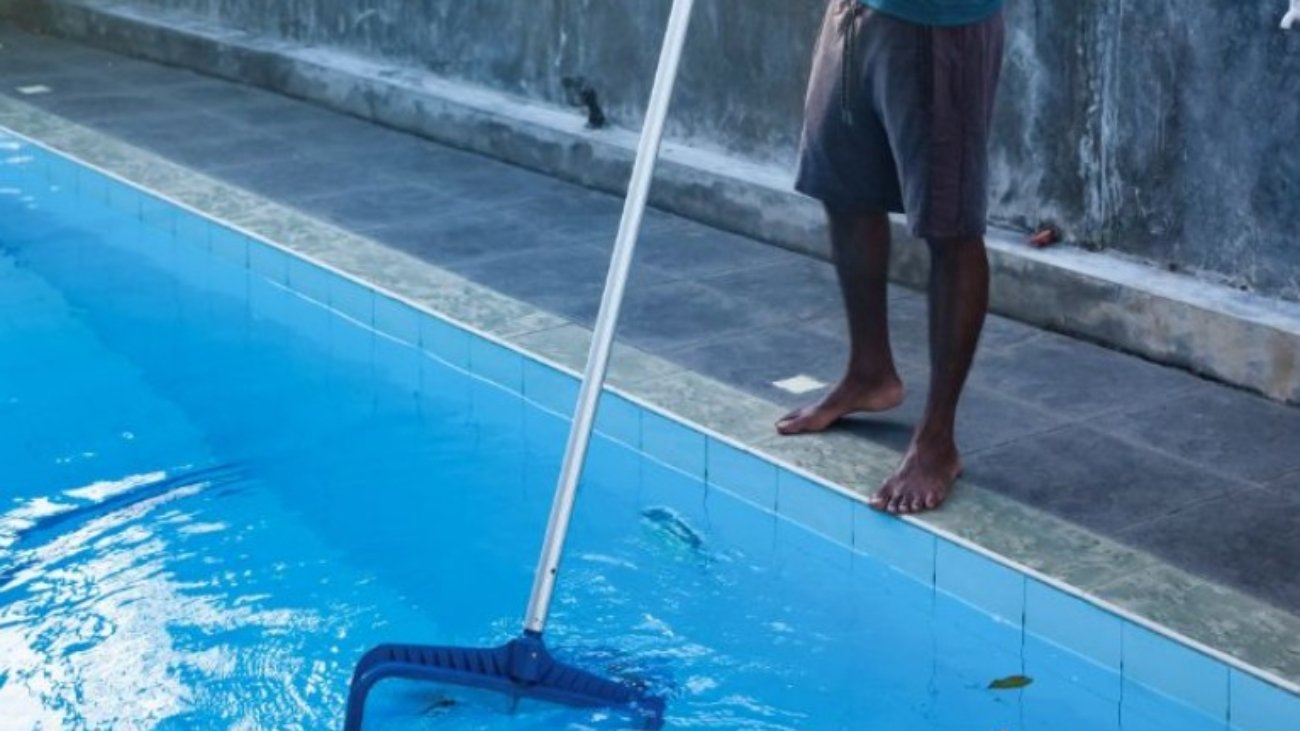
Owning a pool should feel like a convenience, not a constant expense. Yet many pool owners find themselves dealing with recurring water issues, equipment breakdowns, and rising utility bills without realizing the root cause. In most cases, the problem is not the pool itself, but overlooked maintenance habits that slowly create bigger and more expensive problems.

Many homeowners begin searching for pool service bradenton after repeated cleanups, cloudy water, or equipment issues make it clear that occasional DIY care is no longer enough. At that point, the goal shifts from keeping the pool usable to protecting the system as a whole. Understanding which maintenance mistakes quietly increase costs helps owners avoid unnecessary repairs and extend the life of their pool equipment.

Why Small Pool Problems Become Expensive

Pools operate as complete systems. Circulation, filtration, chemistry, and equipment all rely on each other. When one area falls behind, stress spreads throughout the system.

What starts as skipped cleaning or delayed service often turns into pump strain, chemical imbalance, algae growth, or surface damage. These issues rarely appear overnight, but they add up faster than most owners expect.

Mistake One: Treating Pool Service as Optional

One of the most common mistakes is assuming pool service is only needed when something goes wrong.

Regular service identifies small issues before they escalate. Dirty filters, restricted flow, unbalanced chemical levels, and minor leaks all place additional stress on equipment. Without routine attention, these problems compound and lead to expensive repairs.

Consistent service protects both water quality and equipment health.

Mistake Two: Letting Water Chemistry Drift

Clear water does not always mean balanced water.

Improper chemical levels corrode metal components, damage finishes, and strain pumps and filters. Over time, this silent damage leads to premature equipment failure and costly surface repairs.

Water chemistry needs to be monitored, not left to guesswork.

Mistake Three: Ignoring Early Equipment Warning Signs

Pools give warning signs before failure.

Unusual noises, reduced circulation, rising energy bills, or inconsistent water clarity often signal developing issues. Ignoring these signs allows damage to progress until repair options become limited and more expensive.

Early attention saves money and prevents downtime.

Mistake Four: Running Equipment Longer Instead of Fixing Problems

Many pool owners respond to cloudy water or algae by increasing run times.

If filters are dirty, valves are misaligned, or circulation is restricted, longer run times only increase equipment wear and energy costs. Fixing the underlying issue restores efficiency and reduces strain.

More runtime is not a solution to poor performance.

Mistake Five: Delaying Seasonal Maintenance

Seasonal transitions put more stress on pool systems than most owners realize. Changes in temperature, usage patterns, and water chemistry all affect how equipment performs. When pools move from cooler months into heavy use or from peak season into shutdown, components like pumps, heaters, and filters are suddenly working under different conditions.

Skipping pre-season inspections allows small issues to slip through unnoticed. Minor leaks, worn seals, clogged filters, or electrical inconsistencies that could have been handled quickly often worsen once the pool is running daily. By the time symptoms become obvious, the damage is usually more extensive and expensive to fix.

Delaying end of season service creates similar problems. Water left improperly balanced, debris allowed to sit in the system, or equipment not properly winterized can lead to corrosion, cracking, or internal damage during periods of inactivity. These issues often surface months later when the pool is restarted, turning what should be routine maintenance into unexpected repairs.

Mistake Six: Relying on Quick Fixes and Myths

Internet tips and shortcuts often cause more harm than good.

Household products, improvised repairs, or chemical overcorrections may seem helpful but often disrupt system balance or damage equipment. These fixes rarely address the root causes and often lead to recurring problems.

Professional care focuses on long-term stability, not temporary relief.

How Professional Pool Service Reduces Long-Term Costs

Effective pool service looks at the entire system, not just surface appearance.

System-wide inspection

Equipment, plumbing, filtration, and circulation are evaluated together.

Preventive maintenance

Cleaning, adjustments, and minor repairs prevent major failures.

Efficiency optimization

Proper balance reduces energy use and chemical waste.

Early problem detection

Small issues are resolved before they escalate into expensive repairs.

When Pool Service Becomes a Smart Investment

Pool service pays off when it prevents costly replacements.

Regular care extends equipment lifespan, improves water quality, and reduces surprise expenses. For many homeowners, professional service ultimately costs less than repeated DIY fixes and emergency repairs.

Conclusion

Most expensive pool problems start as small maintenance issues that were easy to prevent. Skipped service, drifting water chemistry, ignored warning signs, and reliance on shortcuts quietly drive costs higher over time.

When homeowners want dependable care and long-term protection, Bradenton Pool Service Pros provide professional pool service focused on prevention, efficiency, and system-wide health. Their experience helps pool owners enjoy their pools with fewer repairs, lower costs, and greater peace of mind.