Basement Waterproofing: Why Some Fixes Fail and Others Last

Basement Waterproofing: Why Some Fixes Fail and Others Last

Basement water problems rarely disappear on their own. They tend to linger, resurface, and gradually worsen over time. What begins as a small damp spot or a faint musty smell often turns into visible water intrusion, damaged finishes, and concerns about air quality and structural integrity. When homeowners attempt quick fixes without understanding the cause, failure is usually not far behind.

Many homeowners begin researching basement waterproofing cleveland ohio after repeated attempts to stop leaks have not worked. This is often the turning point where it becomes clear that not all waterproofing methods are created equal. Some approaches address symptoms only, while others solve the underlying problem. Knowing the difference is what separates temporary relief from long-term protection.

Why Basement Waterproofing Fails So Often

Waterproofing fails when the solution does not match the source of the problem.

Basement water issues usually come from one of three sources: groundwater pressure, surface runoff, or internal plumbing leaks. Applying the wrong solution allows water to keep moving, even if it looks controlled for a short time.

Another common reason for failure is underestimating hydrostatic pressure. Water pushing against foundation walls and floor joints will always find the weakest path. If pressure is not relieved, coatings and sealants eventually give way.

Common Waterproofing Fixes That Do Not Last

Some methods are popular because they are inexpensive or easy, not because they are effective.

Waterproof paint and coatings

Waterproof paints and masonry sealers are often marketed as simple basement waterproofing solutions because they are easy to apply and relatively inexpensive. These products are designed to resist moisture at the surface level by forming a barrier on the interior side of basement walls. When moisture exposure is light and occasional, they may temporarily improve appearance.

The problem is that these coatings do nothing to address the source of the water. Groundwater pressure continues to build behind the wall, especially during heavy rain or snowmelt. As that pressure increases, moisture seeks out the weakest point, which is usually a hairline crack, a mortar joint, or a porous section of concrete. Over time, water seeps through the wall and lifts the coating from the back, causing bubbling, flaking, and peeling.

Crack patching without drainage

Sealing cracks can work when movement is stable and water pressure is minimal. However, when groundwater continues to push against the foundation, new cracks often form nearby.

Relying only on dehumidifiers

Dehumidifiers reduce moisture in the air but do not stop water from entering. They are supportive tools, not waterproofing systems.

Basement Waterproofing Methods That Actually Last

Long-term solutions focus on managing water movement rather than fighting it.

Interior drainage systems

Interior drainage systems collect water that enters beneath the basement floor and direct it to a sump pump. By relieving pressure, these systems prevent water from rising through floor joints and wall seams.

Exterior waterproofing systems

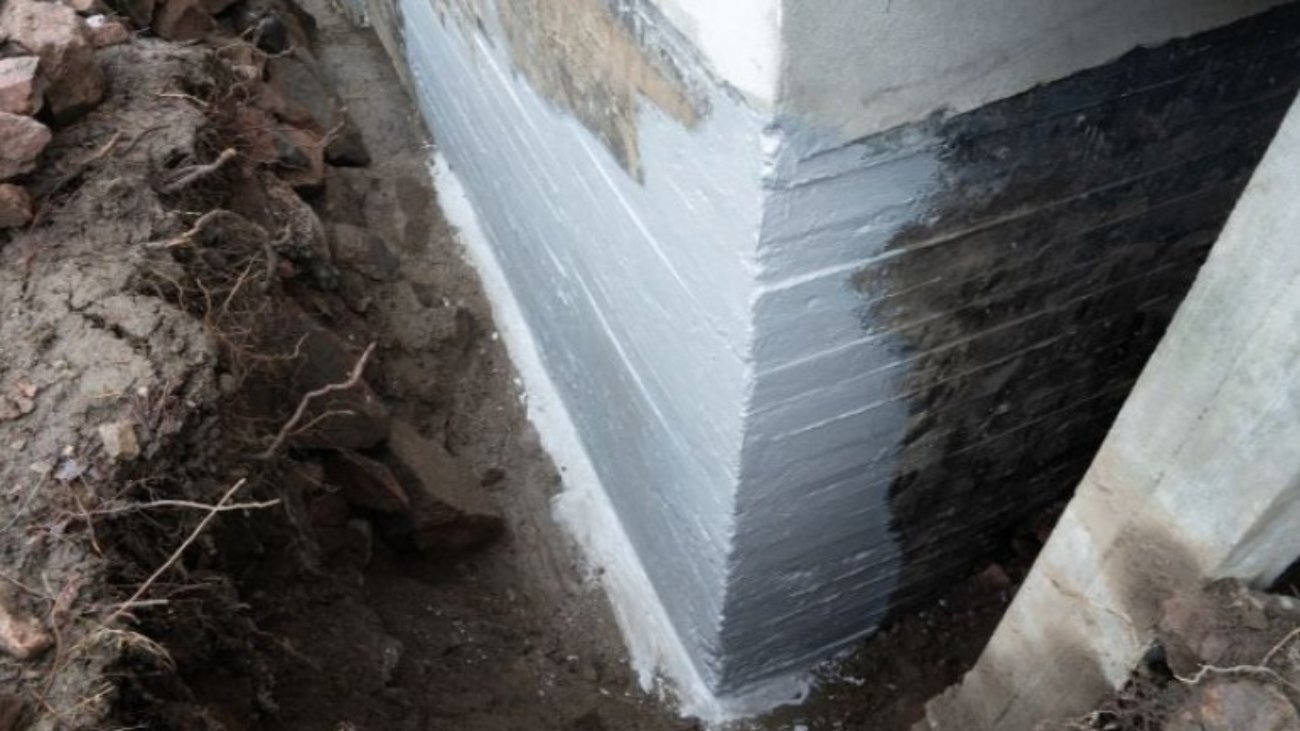
Exterior waterproofing prevents water from reaching the foundation. These systems include waterproof membranes and exterior drainage installed during excavation. They are effective for severe exterior water exposure.

Sump pump systems

Sump pumps remove collected groundwater and prevent it from accumulating beneath the basement. They are most effective when paired with proper drainage systems.

Combined system approaches

The most reliable waterproofing plans often combine drainage, pumping, and moisture control rather than relying on a single method.

Inside vs Outside Waterproofing: What Matters Most

The debate between interior and exterior waterproofing often misses the point.

The correct approach depends on where water originates, how it moves through the soil, and how the foundation was built. Interior systems manage water after it enters. Exterior systems prevent entry altogether. Both can work when matched to the right conditions.

Why Timing and Installation Quality Matter

Even the best waterproofing system can fail if installed incorrectly.

Poor placement, incomplete sealing, or improper discharge routes undermine performance. Waterproofing also works best when installed before major interior damage occurs, not after finishes are already compromised.

Can Waterproofing Fix Mold Problems

Waterproofing helps prevent future mold growth by controlling moisture. It does not remove existing mold. Mold remediation must be handled separately before or alongside waterproofing work.

Insurance and Basement Waterproofing Reality

Many homeowners assume insurance will cover basement waterproofing.

Most policies do not cover long-term seepage, groundwater intrusion, or damage caused by hydrostatic pressure. Sudden plumbing failures may qualify, but confirmation is essential before planning repairs.

Why Professional Evaluation Makes the Difference

Basement waterproofing requires diagnosis, not guesswork.

Identifying the water source

Surface water, groundwater, and plumbing leaks require different solutions.

Designing the right system

One-size systems often fail. Custom planning produces better outcomes.

Protecting long term value

Professional documentation supports resale and inspection confidence.

For general guidance on moisture control and basement health, homeowners can review information from the US Environmental Protection Agency at epa.gov.

Conclusion

Basement waterproofing fails when it treats symptoms instead of causes. Paints, patches, and shortcuts rarely withstand pressure over time. Systems that manage water movement, relieve pressure, and control moisture are the ones that last.

When water problems persist, Expert Basement Waterproofing Cleveland provides professional evaluations and proven waterproofing solutions designed to stop leaks at their source. Their experience helps homeowners choose systems that deliver lasting protection rather than temporary relief.
When Delaying Siding Repair Leads to Bigger Problems

When Delaying Siding Repair Leads to Bigger Problems

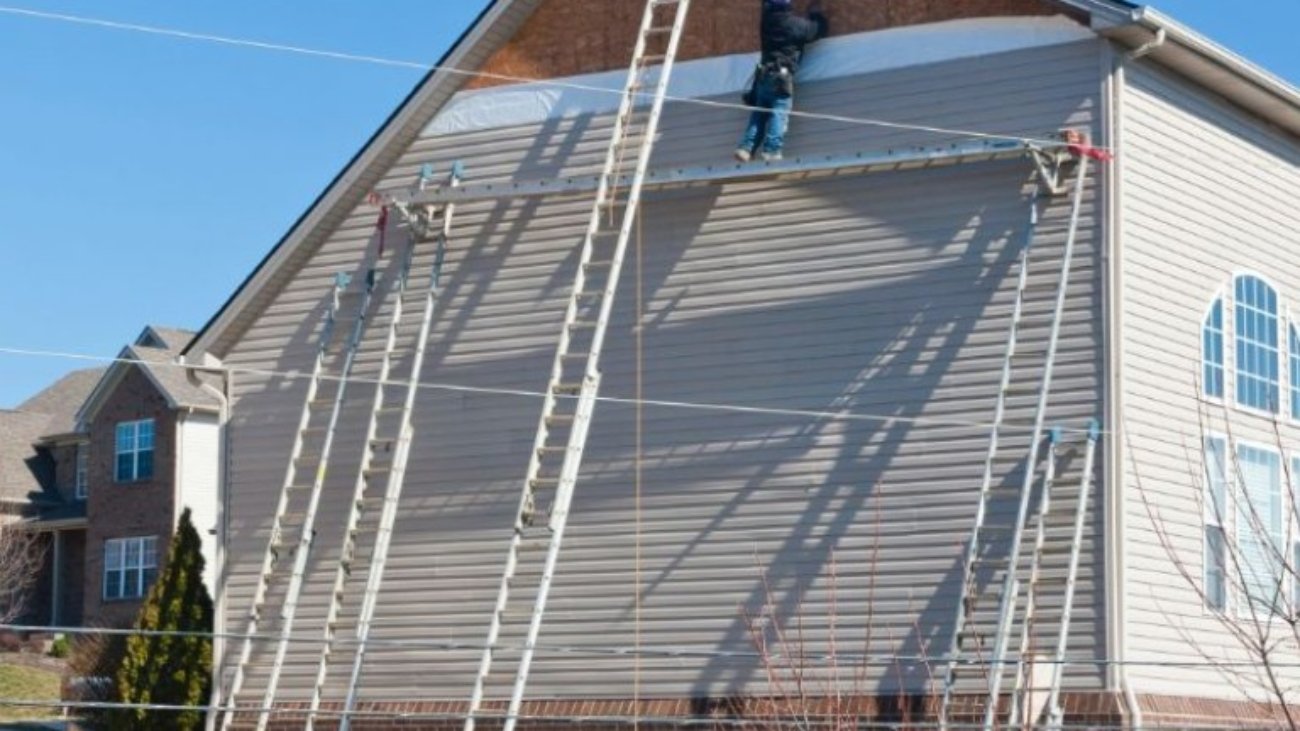
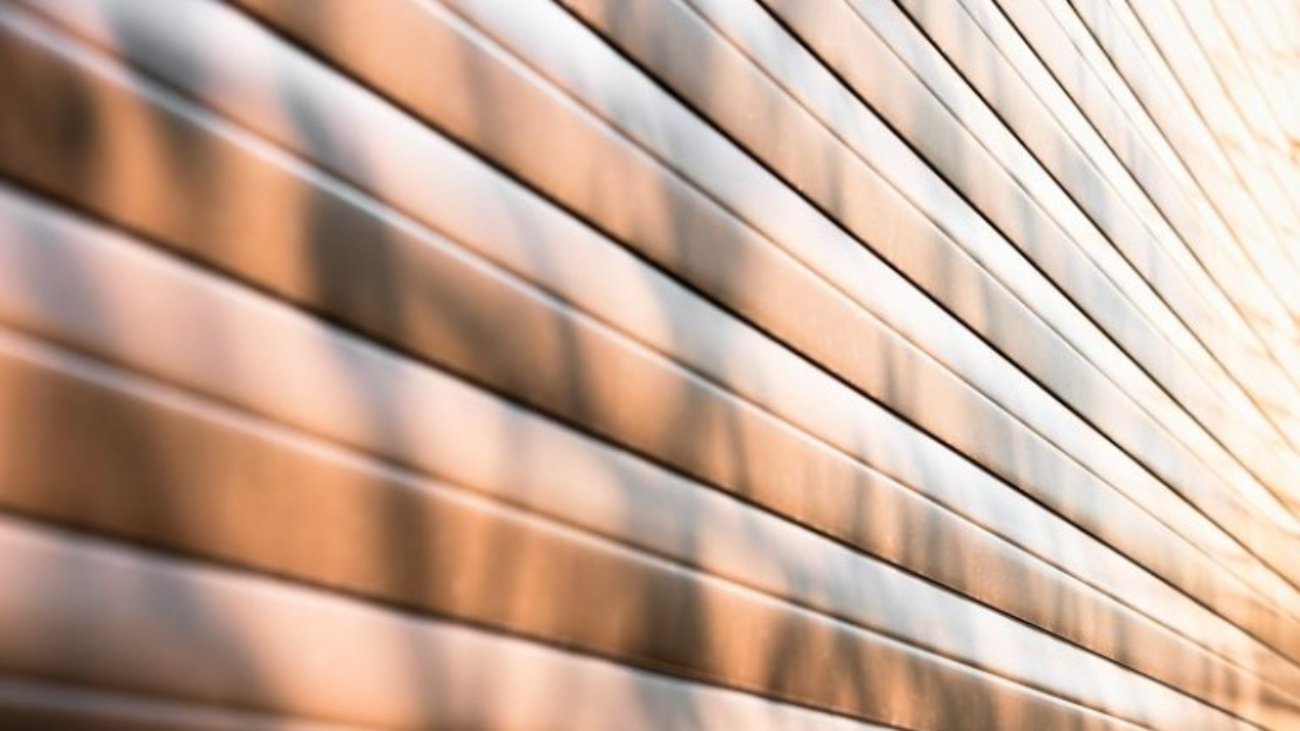
Siding damage rarely looks urgent at first. A cracked panel, loose seam, or small area of rot often feels like something that can wait until later. Unfortunately, siding problems do not stay small. Because siding is your home’s first line of defense, even minor damage can allow moisture, air, and pests to reach areas that were never meant to be exposed.

What starts as a cosmetic concern can quietly turn into structural deterioration, insulation failure, or mold growth. Understanding how and why this happens helps homeowners recognize when siding issues need prompt attention rather than postponement.

Homeowners who work with experienced Rhode Island siding repair professionals often discover that early siding repair prevents far more expensive problems behind the walls. A timely evaluation can mean the difference between a straightforward fix and a full exterior restoration.

How Water Intrusion Begins

Siding is designed to shed water away from the home. When panels crack, warp, or pull loose, water no longer drains properly. Rain and melting snow can slip behind the siding and soak into the sheathing or framing.

Once moisture enters:

  • Wood components begin to swell and rot
  • Metal fasteners corrode
  • Protective barriers break down

Because this damage occurs out of sight, homeowners often do not notice until staining, soft spots, or interior issues appear.

Insulation Damage Happens Quickly

When moisture penetrates behind siding, insulation is one of the first materials affected. Wet insulation loses its ability to regulate temperature, which leads to drafts, uneven indoor comfort, and higher energy bills.

Over time, insulation that stays damp can:

  • Compress and lose effectiveness
  • Encourage mold growth
  • Increase heating and cooling strain

At this stage, siding repair alone may no longer be enough, as insulation replacement becomes necessary.

Rot Spreads Beyond the Initial Damage

One of the most costly consequences of delaying siding repair is wood rot. Rot does not stop where it starts. Once moisture creates the right conditions, rot spreads into adjacent materials such as wall studs, window frames, and trim.

What could have been a localized repair often expands into:

  • Structural framing replacement
  • Window or door reinstallation
  • Interior wall repairs

Early intervention limits damage to the surface layers instead of the structure itself.

Mold and Indoor Air Quality Issues

Persistent moisture behind siding creates an ideal environment for mold growth. Mold does not need visible standing water to thrive. Damp wood and insulation are often enough.

As mold develops, spores can migrate indoors through wall cavities, affecting air quality and triggering respiratory concerns. At this point, repairs may involve remediation specialists in addition to exterior work.

Addressing siding repair early helps prevent moisture conditions that allow mold to form in the first place.

Pest Intrusion Becomes More Likely

Damaged siding creates access points for insects and small animals. Gaps behind loose panels provide a warm, dry, and hidden shelter from predators.

Common issues include:

  • Carpenter ants are attracted to damp wood
  • Termites exploit weakened materials
  • Rodents nesting inside wall cavities

Once pests enter, repairs often require removing contaminated materials and additional sealing.

Energy Costs Increase Gradually

Siding damage rarely causes a sudden spike in utility bills. Instead, energy loss happens gradually as gaps widen and insulation degrades. Homeowners may not immediately connect rising energy costs to exterior damage.

Over time, compromised siding forces HVAC systems to work harder, increasing wear and operating costs. This hidden expense adds to the overall cost of delaying siding repair.

Why Temporary Fixes Often Fail

Some homeowners resort to quick fixes, such as caulking cracks or reattaching loose panels, without addressing underlying issues. While these measures may temporarily slow water entry, they do not restore full protection.

Temporary fixes often fail because:

  • Moisture remains trapped behind the siding
  • Underlying materials continue to deteriorate
  • Movement from temperature changes reopens gaps

Professional siding repair addresses both visible damage and the conditions that caused it.

When Small Repairs Turn Into Full Replacement

The longer siding issues are ignored, the more likely it becomes that replacement will be unavoidable. Widespread rot, insulation damage, or mold contamination can make partial repairs impractical.

What could have been a targeted siding repair may escalate into:

  • Large-scale material replacement
  • Structural repairs
  • Interior restoration work

Acting early preserves more of the existing siding and reduces overall cost.

Signs It’s Time to Act

Homeowners should not wait for severe damage before taking action. Warning signs include:

  • Panels that feel soft or spongy
  • Visible gaps or warping
  • Peeling paint near seams
  • Musty odors indoors

Addressing these signs early keeps repairs manageable and contained.

Conclusion

Delaying siding repair often leads to consequences far beyond the exterior surface. Moisture intrusion, insulation failure, rot, mold, and rising energy costs all stem from issues that start small and worsen quietly over time. Acting early protects both the home’s structure and its long-term value.

For homeowners who want reliable solutions and honest assessments, Rhode Island Siding & Exteriors provides professional siding repair designed to stop damage at its source and protect your home before small problems turn into major repairs.

When Foundation Repair Contractors Recommend Fixing or Walking Away

When Foundation Repair Contractors Recommend Fixing or Walking Away

Foundation problems put homeowners and buyers in a difficult position. Cracks in walls, uneven floors, and signs of shifting immediately raise concerns about safety and long-term value. While foundation issues can feel overwhelming, not every problem means a home is beyond saving. Many foundation conditions are repairable when addressed early and correctly. The challenge lies in knowing when repairs make sense and when walking away is the safer option.

Homeowners who consult experienced foundation repair contractors chicago gain clarity on the true condition of their foundation before making costly decisions. Professional evaluation helps separate cosmetic damage from structural risk, allowing homeowners to focus on facts rather than fear.

Situations Where Foundation Problems Are Usually Worth Fixing

In many homes, foundation issues are limited in scope and respond well to proven solutions. Vertical cracks, minor settlement, or isolated movement often fall into this category. These problems usually develop gradually and do not affect the entire structure.

Common situations where foundation repair contractors often recommend repair include:

  • Stable vertical or diagonal cracks
  • Localized settlement affecting a small area
  • Soil movement caused by drainage issues can be corrected
  • Foundations that show no widespread structural displacement

When the cause of movement is identified and controlled, repairs can restore stability and protect the home’s long-term integrity. Early repairs are typically more affordable and less invasive than delayed intervention.

Understanding Foundation Movement

One of the most important factors in deciding whether to repair or walk away is whether foundation movement is active. Some homes show signs of historic settling that has already stabilized. In these cases, repairs may only be needed to reinforce affected areas.

Active movement, however, signals ongoing stress beneath the structure. Soil expansion, erosion, and moisture imbalance can continue to push or pull the foundation out of alignment. If movement can be stopped through stabilization methods, repair remains a reasonable option. If movement continues despite intervention, long-term reliability becomes questionable.

When Foundation Damage Becomes More Complex

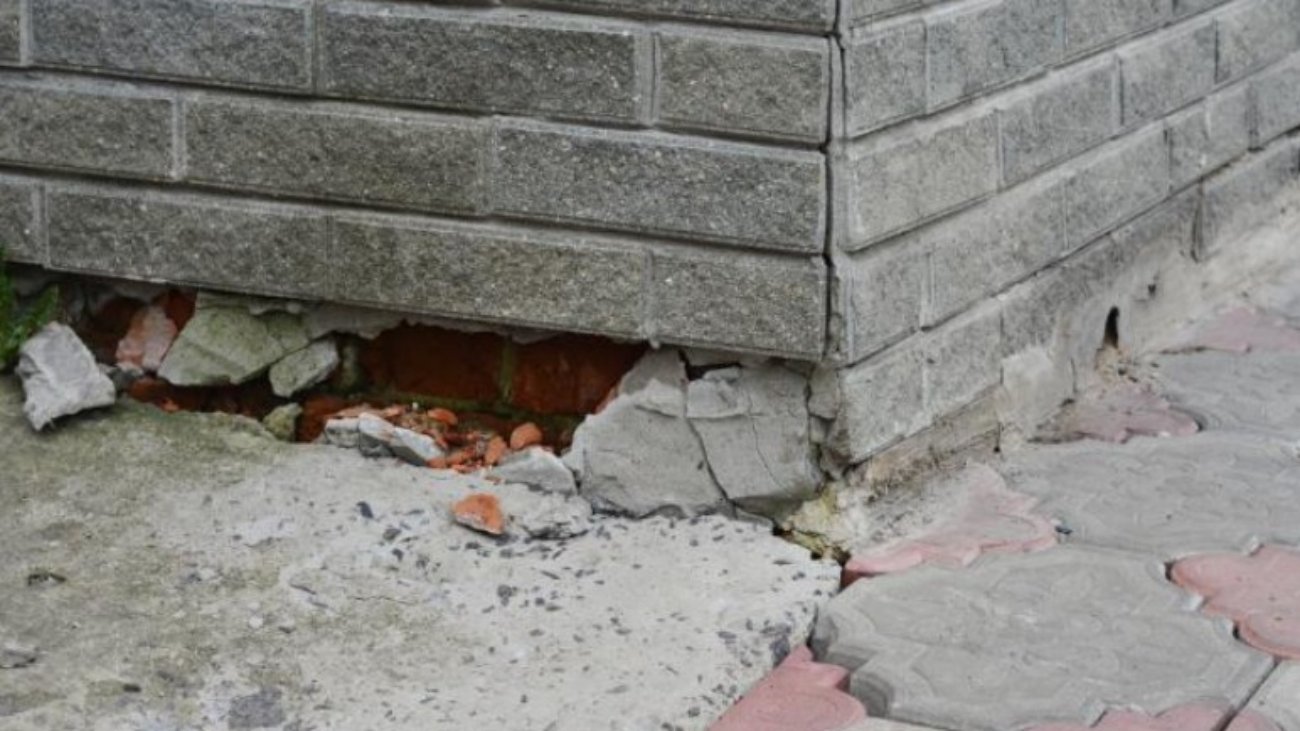
Foundation problems grow more serious when damage is widespread or affects load-bearing components. Horizontal cracks, wall bowing, and significant differential settlement often indicate stronger forces acting on the structure.

In these cases, foundation repair contractors may still recommend repairs, but only if stabilization can be achieved with predictable results. Complex repairs may involve:

  • Multiple stabilization points
  • Structural reinforcement
  • Exterior excavation
  • Interior support systems

The decision hinges on whether the repair addresses the root cause or merely delays future failure.

Evaluating Cost Versus Long-Term Value

Repair recommendations are also influenced by how costs compare to the home’s value. Repairs that restore structural stability and protect resale potential are often worth the investment. However, when repair costs approach a large portion of the home’s market value, caution becomes necessary.

Professionals assess whether the repair will:

  • Permanently stabilize the foundation
  • Prevent future structural damage
  • Preserve or improve resale value

If repairs solve the underlying problem and keep the home structurally sound, fixing the foundation often makes financial sense.

When Walking Away Is the Smarter Choice

There are situations where walking away is the safest and most practical option. These cases usually involve damage that cannot be reliably stabilized or would require repeated intervention over time.

Red flags that may prompt foundation repair contractors to recommend walking away include:

  • Severe, uncontrolled foundation movement
  • Extensive cracking across multiple walls
  • Structural damage affecting framing and load paths
  • Long-term water intrusion is causing material deterioration

In these scenarios, repairs may offer temporary relief but fail to provide lasting stability. Walking away helps homeowners avoid escalating costs and safety concerns.

Foundation Issues During Home Purchases

For buyers, foundation problems add significant risk. Some repairable issues can be negotiated into the purchase price, while others introduce uncertainty that outweighs potential savings.

Professionals often advise walking away when:

  • Sellers refuse professional evaluation
  • The repair scope cannot be clearly defined
  • Structural risk remains uncertain after inspection

Clear documentation and expert assessment are essential before committing to a property with foundation concerns.

Why Professional Evaluation Is Critical

Foundation decisions should never rely solely on surface observations. Crack patterns, soil conditions, drainage behavior, and structural response must all be evaluated together.

Qualified foundation repair contractors analyze:

  • Crack progression and direction
  • Soil interaction beneath the foundation
  • Water management around the home
  • Structural response to existing movement

This comprehensive approach ensures that recommendations are based on long-term outcomes rather than short-term appearance.

Balancing Emotion with Practical Judgment

Homes carry emotional value, which can cloud judgment when foundation issues arise. Some homeowners feel compelled to save a property at any cost, while others assume the worst without proper evaluation.

The best decisions balance emotional attachment with practical assessment. Repairs should provide confidence and stability, not ongoing stress. In some cases, walking away protects financial well-being and personal safety.

Conclusion

Knowing when to repair a foundation and when to walk away requires careful evaluation, not guesswork. Foundation repair contractors base their recommendations on movement behavior, structural feasibility, and long-term protection of value rather than on surface damage alone.

For homeowners seeking clear answers and honest guidance, Chicago Foundation Repair Experts provides professional assessments designed to support informed decisions. Whether repair is the right path or walking away is the wiser choice, expert insight helps homeowners move forward with confidence and clarity.

What is the Most Common Part to Fail in an HVAC System and Require HVAC Repair?

What is the Most Common Part to Fail in an HVAC System and Require HVAC Repair?

HVAC systems rarely fail all at once. In most cases, one small component breaks down first and can trigger bigger problems if left unnoticed. Knowing which parts fail most often helps homeowners spot warning signs early, avoid surprise breakdowns, and make smarter HVAC repair decisions.

Homeowners who schedule professional hvac repair rhode island services often catch these failures before they escalate into costly emergencies. Early diagnosis protects system performance, reduces downtime, and prevents minor part failures from damaging major components.

The Most Common HVAC Failure: The Capacitor

The capacitor is the most common part to fail in an HVAC system. Capacitors store and release electrical energy to help motors start and operate properly. When a capacitor fails, the system often cannot turn on.

Capacitors fail frequently because:

  • They handle high electrical loads
  • Heat exposure accelerates wear
  • Voltage fluctuations cause a breakdown

Signs of a failing capacitor include humming, slow startup, or unexpected shutdowns. While capacitor replacement is common, ignoring the issue can stress motors and lead to additional HVAC repair needs.

Contactors are another high-failure component.

Contactors act as electrical switches that allow power to flow when heating or cooling is requested. Over time, electrical arcing and debris cause contacts to wear down.

A failing contactor may cause:

  • The system stopped responding
  • Inconsistent cycling
  • Continuous operation without shutting off

These issues increase energy usage and place unnecessary strain on the system.

Fan Motors Experience Constant Wear

HVAC systems rely on fan motors to move air through the system. Both indoor blower motors and outdoor condenser fan motors run frequently, especially during peak seasons.

Motor failures are often caused by:

  • Dirt buildup
  • Poor airflow
  • Electrical strain
  • Overheating

Common warning signs include weak airflow, grinding noises, or frequent shutdowns designed to prevent damage.

Dirty Air Filters Create Larger Problems

Air filters may seem minor, but they contribute to many HVAC failures. Restricted airflow forces systems to work harder than intended.

Clogged filters often lead to:

  • Overheating components
  • Increased energy bills
  • Shortened system lifespan

Many capacitor and motor failures trace back to poor airflow caused by neglected filters.

Thermostats Can Mimic HVAC Failure

Thermostat problems are frequently mistaken for system failure. Faulty sensors, wiring issues, or calibration errors can prevent systems from responding correctly.

Symptoms of thermostat issues include uneven temperatures, short cycling, or systems that fail to turn on despite proper settings.

Refrigerant Leaks Are Less Common but More Serious

Refrigerant leaks occur less frequently than electrical failures, but when they happen, the consequences are far more severe. Refrigerant plays a critical role in the cooling process by absorbing and releasing heat. When levels drop, the system can no longer regulate temperature effectively, even if all other components appear to be functioning properly.

Low refrigerant levels force the system to run longer and work harder to reach the desired temperature. This added strain places significant stress on the compressor, which is one of the most expensive parts of an HVAC system to repair or replace. Over time, continuous operation under low refrigerant conditions accelerates wear and increases the risk of permanent damage.

Unchecked leaks also lead to higher energy consumption and rising utility bills, as the system struggles to compensate for lost cooling capacity. In many cases, homeowners notice warm air, longer run times, or ice buildup on system components before realizing a leak exists. Addressing refrigerant leaks promptly helps restore proper performance, protect the compressor, and prevent costly system failure.

The Compressor Is the Most Expensive Part to Repair

While not the most common failure, compressor damage is among the most costly HVAC repair scenarios. Compressors fail due to electrical problems, refrigerant issues, or prolonged operation under stress.

In many cases, compressor failure results from smaller issues that were ignored over time.

Why HVAC Parts Fail So Often

Most HVAC failures stem from a combination of age, wear, and lack of maintenance. Systems that operate with dirty components, restricted airflow, or electrical imbalances experience more frequent breakdowns.

Routine inspections help identify these problems early.

Can HVAC Maintenance Reduce Repairs?

Regular HVAC maintenance significantly lowers the risk of sudden breakdowns. Maintenance visits allow technicians to test electrical components, clean critical parts, and address early signs of wear.

Preventive care helps extend system life and reduce long-term HVAC repair costs.

When to Schedule HVAC Repair

Homeowners should schedule HVAC repair when they notice:

  • Difficulty starting the system
  • Unusual noises
  • Inconsistent temperatures
  • Rising energy bills
  • Frequent cycling

Addressing these signs early usually leads to simpler and more affordable repairs.

Conclusion

So, what is the most common part to fail in an HVAC system? In most homes, capacitors top the list, followed closely by contactors and fan motors. These components endure constant electrical and mechanical stress, making them more prone to wear over time.

Understanding these common failure points helps homeowners take action early, avoid sudden breakdowns, and protect their HVAC systems from costly damage. Prompt HVAC repair and regular maintenance remain the most effective ways to extend system life and maintain reliable comfort.

For homeowners who want dependable diagnostics and long-term solutions, Rhode Island HVAC Services provides professional HVAC repair backed by experience, careful inspection, and a commitment to keeping systems running year-round efficiently.

Bathroom Design Mistakes That End Up Costing Homeowners More

Bathroom Design Mistakes That End Up Costing Homeowners More

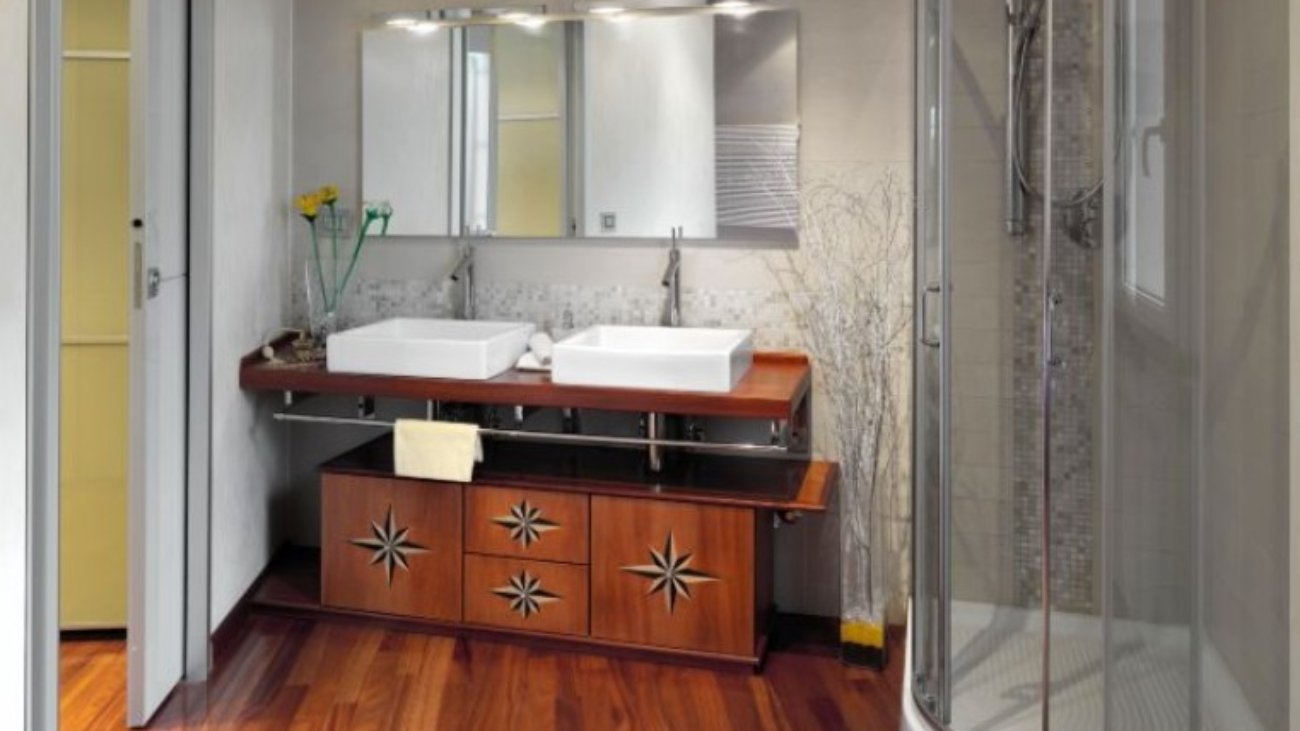
Bathroom design mistakes rarely look expensive at first. Most of them start as small decisions made during planning that seem harmless in the moment. Once construction begins, those choices often trigger added labor, unexpected upgrades, or last minute changes that push budgets higher than expected.

Homeowners who approach bathroom design without a clear plan often focus on style before structure. During this early planning phase, many people researching layouts, materials, and cost expectations look into bathroom design ri to better understand how design decisions influence both budgets and long-term performance.

Many homeowners researching planning guidance explore bathroom design ri when trying to understand how design choices affect remodel costs. This early research stage is critical because mistakes made before demolition usually carry the highest price tags once work begins.

Changing the Layout Without Understanding the Impact

One of the most costly bathroom design mistakes is changing the layout without understanding what sits behind the walls. Moving toilets, showers, or sinks requires plumbing and electrical work that adds significant labor.

Bathrooms contain tightly packed systems. When fixtures move, pipes and wiring must move with them. Floors and walls often need to be opened, reinforced, and rebuilt to meet code. Even minor layout changes can escalate quickly in older homes.

Keeping the existing layout while updating finishes is often the most cost-effective approach.

Choosing Style Over Function

Some bathroom design trends look great in photos but perform poorly in real life. Oversized fixtures, shallow storage, or impractical layouts often lead to regret after installation.

Floating vanities may require extra wall support. Trend-driven materials may not handle moisture well. When function is sacrificed for style, homeowners often end up paying twice to correct issues later.

Good bathroom design balances appearance with daily use and long-term durability.

Underestimating Tile Installation Costs

Tile is one of the most misunderstood cost drivers in bathroom design. While homeowners compare tile prices, they often overlook the complexity of installation.

Large format tiles, intricate patterns, and floor-to-ceiling applications require more labor and precision. Waterproofing systems beneath tile surfaces add time and cost but are essential for long-term performance.

Choosing simpler layouts and standard tile sizes helps control installation expenses without sacrificing visual appeal.

Ignoring Ventilation and Moisture Control

Poor ventilation is a common and costly bathroom design mistake. Without proper airflow, moisture can build up and damage walls, ceilings, and finishes over time. 

Upgrading or relocating exhaust fans adds labor but protects the remodel. Skipping this step often leads to mold, peeling paint, and premature material failure.

Safety and home maintenance guidance from the U.S. Consumer Product Safety Commission emphasizes the importance of moisture control in enclosed spaces. Homeowners can review general recommendations at www.cpsc.gov when planning renovations.

Adding Too Many Custom Features

Custom features increase costs quickly. Built-in shelving, custom cabinetry, and specialty fixtures require additional labor and precise installation.

While customization has value, too many custom elements in a bathroom design can strain the budget. Stock or semi-custom options often provide a better balance between cost and flexibility.

Strategic customization focused on storage or accessibility tends to deliver the best return.

Poor Lighting Planning

Lighting design is often treated as an afterthought. Adding lighting late in the project may require opening walls again to run wiring or add circuits.

Bathrooms require specific lighting for safety and comfort. Mirrors, vanities, and showers all need proper illumination. Planning lighting early prevents costly changes once construction is underway.

Thoughtful lighting design improves both function and atmosphere without inflating labor costs.

Selecting Low Quality Materials

Choosing lower-quality materials to save money upfront often backfires. Bathrooms experience constant moisture and daily wear and tear.

Inferior flooring, sealants, or fixtures wear out faster and require replacement sooner. Quality materials may cost more initially, but reduce maintenance and repair expenses over time.

Durability should be a core part of any bathroom design plan.

Skipping Professional Planning

One of the biggest mistakes homeowners make is skipping professional input during the design phase. Without experienced guidance, cost drivers often go unnoticed until work begins.

Clear planning helps define scope, align expectations, and prevent change orders. Changes made during construction almost always cost more than adjustments made on paper.

Professional planning is not an added expense. It is a cost control tool.

How to Avoid These Bathroom Design Mistakes

Smart bathroom design starts with preparation. Homeowners who take time to plan avoid the most common budget pitfalls.

Key strategies include:

  • Keeping plumbing locations unchanged
  • Prioritizing ventilation and waterproofing
  • Choosing practical layouts over trends
  • Planning lighting and storage early

These decisions protect the budget while delivering a space that performs well in the long term.

Conclusion

Bathroom design mistakes often cost more than homeowners expect because they affect labor, infrastructure, and long-term performance. Layout changes, poor material choices, and skipped planning all lead to higher expenses that could have been avoided.

For homeowners seeking guidance that balances thoughtful bathroom design with cost awareness, Rhode Island Bathroom Remodeling offers experienced planning and craftsmanship focused on long term value. Their approach helps homeowners avoid costly mistakes while creating bathrooms that last.

Siding: The Complete Guide to Choosing the Right Material

Siding: The Complete Guide to Choosing the Right Material

Choosing the right siding is one of the most important decisions homeowners make when improving their property’s exterior. Beyond appearance, siding provides insulation, protection, and long-term durability against weather conditions. The right material enhances your home’s beauty while reducing maintenance needs and energy costs.

Homeowners looking for professional guidance often turn to siding installation Rhode Island experts for replacement and material selection. With the right team, you can find the perfect balance between style, performance, and value. Whether building a new home or upgrading an existing one, understanding your siding options helps you make an informed investment.

The Role of Siding in Home Protection

Siding serves as your home’s first line of defense. It shields the structure from wind, rain, snow, and humidity, helping preserve interior comfort and structural integrity.

Weather Resistance

High-quality siding prevents moisture infiltration, which can lead to mold, rot, and insulation damage. Modern materials are designed to withstand harsh conditions while maintaining their appearance.

Energy Efficiency

Properly installed siding improves insulation by reducing heat loss in winter and blocking excess heat in summer. According to Energy.gov, enhancing your home’s exterior envelope can significantly lower heating and cooling costs.

Aesthetic Appeal

Siding contributes to curb appeal and home value. With a variety of textures, colors, and profiles available, you can tailor your home’s appearance to fit your design vision.

Popular Types of Siding Materials

Each siding option offers unique advantages depending on your goals, budget, and maintenance preferences.

Vinyl Siding

Vinyl is one of the most affordable and versatile choices. It resists fading, cracking, and insects, and requires minimal upkeep. Available in a wide range of colors and finishes, vinyl remains a leading choice for cost-conscious homeowners.

Cedar Siding

Cedar provides a natural, timeless look that enhances traditional and modern homes alike. It offers excellent insulation and durability when properly maintained. Regular sealing or staining helps preserve its warm, natural tones.

Fiber Cement Siding

Fiber cement siding combines strength with a sophisticated look. Made from sand, cement, and cellulose fibers, it mimics wood but resists fire, pests, and moisture. Though slightly more expensive, it lasts for decades with minimal maintenance.

Metal Siding

Aluminum and steel siding offer superior resistance to extreme weather. These materials are recyclable, fire-resistant, and ideal for modern or industrial-style homes.

Composite Siding

Engineered wood and polymer blends provide the appearance of natural wood with added protection against rot and insects. They offer a middle ground between durability and design flexibility.

Factors to Consider When Choosing Siding

Selecting the best siding for your home involves more than just appearance. Consider cost, maintenance, climate, and long-term performance before making your choice.

Budget and Longevity

Vinyl and engineered wood are budget-friendly options, while vinyl siding with integrated rigid foam for existing walls provides added insulation and energy savings. Cedar and fiber cement require a higher initial investment but deliver long-term durability and a more natural appearance.

Maintenance Requirements

Natural wood needs regular cleaning and staining, while vinyl and metal siding require minimal care. Evaluate how much time and effort you want to dedicate to upkeep.

Local Climate

Moisture-resistant materials are ideal for humid or coastal regions. Fiber cement and vinyl perform well under changing temperatures and high humidity levels.

Design Preferences

Each material has a distinct style. Cedar delivers warmth, fiber cement mimics classic wood, and vinyl provides a clean, modern finish.

Eco-Friendly Siding Options

Sustainability is an increasingly important factor for homeowners. Many siding materials now feature eco-conscious production processes.

Recyclable Materials

Metal siding and certain vinyl products can be recycled at the end of their lifespan, reducing environmental impact.

Energy Efficiency

Insulated vinyl and fiber cement siding contribute to lower energy consumption by improving your home’s thermal performance.

Renewable Resources

Cedar and engineered wood come from renewable sources and are biodegradable, making them strong choices for environmentally aware homeowners.

Professional Installation Matters

Even the best siding materials fail if installed incorrectly. Proper installation ensures your siding performs well and lasts as long as possible.

Why Hire Professionals

Certified installers know how to manage seams, flashing, and ventilation for maximum durability. They also ensure proper alignment and sealing, preventing moisture penetration.

Avoiding DIY Risks

While DIY installation might seem cost-effective, it often leads to uneven results, gaps, or trapped moisture. Professionals provide warranties that protect your investment for years to come.

Maintaining Your Siding

Routine care keeps your home looking its best and prevents minor issues from turning into costly repairs.

  1. Wash siding annually with mild soap and water.

  2. Trim trees or shrubs that touch exterior walls.

  3. Inspect for cracks, warping, or loose panels.

  4. Repaint or restain natural wood as needed.

These steps maintain appearance and performance while extending your siding’s lifespan.

Enhancing Home Value with the Right Siding

Replacing or upgrading siding offers one of the highest returns on investment in home improvement. Durable, visually appealing siding increases buyer confidence and curb appeal. It also improves energy efficiency, reducing long-term utility expenses.

Conclusion

Choosing the right siding is about more than aesthetics; it’s about protecting your home, improving efficiency, and ensuring long-term value. With the right material and expert installation, you can enjoy decades of beauty and performance. For trusted guidance, homeowners rely on Rhode Island Siding & Exteriors for professional installation and high-quality siding solutions designed to last.