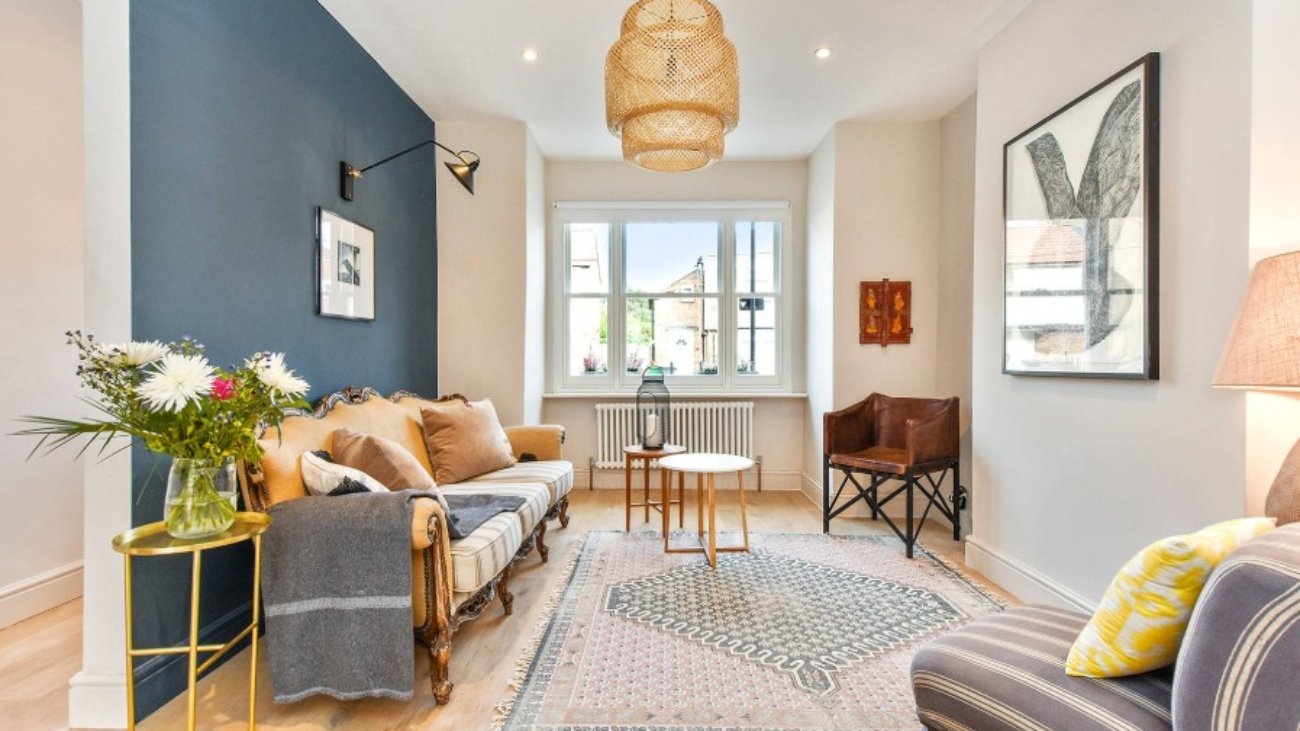
Home interior wall sconces are one of those design details that can completely transform a room without requiring a major renovation. They provide practical lighting, add visual interest, and create a warm atmosphere that makes a home feel more inviting. Whether you prefer modern minimalism, classic elegance, rustic charm, or a luxurious contemporary style, the right wall sconces can help bring your interior design vision to life.
I used to think that ceiling lights and table lamps were enough to make a room look finished. However, wall lighting offers something different because it adds light at eye level, highlights architectural features, and creates depth that overhead fixtures often cannot achieve on their own.
The best part is that wall sconces work in almost every area of the house. You can install them beside a bedroom headboard, above a bathroom vanity, along a hallway, or next to artwork in your living room. With the right placement and design, these fixtures become both functional lighting and decorative accents.
In this guide, we will explore different home interior wall sconce ideas, explain how to choose the right fixtures, and share practical tips for creating a comfortable, stylish, and well-lit home.
What Are Home Interior Wall Sconces?
Wall sconces are lighting fixtures mounted directly onto walls. Depending on their design, they can direct light upward, downward, outward, or in multiple directions.
Unlike table lamps, sconces do not require furniture to support them. This makes them especially useful in compact rooms, narrow hallways, and areas where you want to keep surfaces clear.
Wall sconces are available in many styles, including modern metal fixtures, traditional candle-inspired designs, glass globe lights, fabric-shaded sconces, and adjustable reading lamps.
Some fixtures provide soft ambient lighting, while others offer focused illumination for reading, grooming, or displaying decorative objects.
Why Wall Sconces Are Worth Considering
Wall sconces offer several advantages for home interiors:
- Save space: They free up nightstands, side tables, and console tables.
- Create ambiance: They provide softer lighting for relaxing evenings.
- Improve visual balance: They can frame furniture, mirrors, beds, and artwork.
- Highlight architectural details: They draw attention to textured walls, decorative molding, or feature walls.
- Add personality: Their materials, shapes, and finishes contribute to your home’s overall style.
I especially like wall sconces in rooms where the lighting feels too harsh or flat. Adding a pair of warm wall lights can make the space feel more layered without filling it with additional furniture or decorations.
1. Modern Minimalist Wall Sconces
If you love clean lines and uncluttered interiors, minimalist wall sconces are an excellent choice. These fixtures usually feature simple geometric shapes, neutral colors, and understated materials.
Look for slim cylindrical lights, rectangular LED fixtures, or small metal sconces with a matte finish. Black, white, brushed brass, and soft gray are popular choices for contemporary interiors.
Minimalist sconces work particularly well in modern bedrooms, living rooms, home offices, and hallways. Their simple appearance allows other design elements, such as furniture, artwork, and textured walls, to remain the main focus.
For a cohesive look, match the finish of your sconces with other details in the room. For example, black sconces can complement black cabinet handles, window frames, or furniture legs.
However, matching every finish is not necessary. A small contrast can make the design feel more intentional and less predictable.
2. Elegant Brass Wall Sconces for a Luxurious Interior
Brass wall sconces can bring warmth and sophistication to a home. Their golden tones look especially attractive against cream, beige, deep green, navy, and charcoal walls.
For a luxurious bedroom, consider installing brass sconces on either side of the headboard. Choose fixtures with white glass shades or frosted globes to soften the light and create a relaxing atmosphere.
In a living room, brass sconces can highlight a fireplace, decorative mirror, or artwork. They also work beautifully in transitional interiors that combine traditional furniture with contemporary finishes.
When selecting brass fixtures, pay attention to the finish. Polished brass creates a brighter, more glamorous appearance, while brushed or aged brass offers a softer, more understated effect.
One practical tip is to coordinate brass lighting with only a few other accents. A brass mirror frame, cabinet pull, or decorative tray can be enough to create a consistent look without making the room feel overly metallic.
3. Bedroom Wall Sconces for a Cozy Retreat
Bedrooms are among the best places to use wall sconces because lighting has a significant effect on comfort and relaxation.
Instead of placing lamps on both nightstands, mount sconces beside the bed. This arrangement saves surface space and gives the bedroom a neat, balanced appearance.
For a symmetrical design, install matching fixtures on either side of the headboard. If you prefer a more eclectic interior, choose complementary sconces with similar finishes but slightly different shapes.
Best Wall Sconce Styles for Bedrooms
Consider these options:
- Adjustable reading sconces: Ideal for reading in bed without illuminating the entire room.
- Fabric-shaded sconces: Create a soft, traditional appearance.
- Globe sconces: Add a contemporary touch with rounded shapes.
- Up-and-down LED sconces: Produce decorative light patterns on the wall.
- Swing-arm sconces: Allow you to direct the light where it is needed.
For a comfortable bedroom, look for warm-white lighting, often around 2700K to 3000K. This color temperature generally creates a softer atmosphere than cooler, bluish lighting.
Placement is just as important as style. Position reading lights so they illuminate your book without shining directly into your eyes, and check that switches are easy to reach from the bed.
4. Living Room Wall Sconces That Create Ambiance
The living room is where wall sconces can make a particularly noticeable difference. They add another layer of lighting, helping the space feel inviting during evenings, movie nights, and casual gatherings.
Rather than relying entirely on a central ceiling light, combine wall sconces with floor lamps, table lamps, and indirect lighting. This layered approach gives you more control over the room’s atmosphere.
For a contemporary living room, consider sculptural sconces with curved metal arms or simple geometric forms. For a traditional space, fabric shades and antique-inspired finishes may feel more appropriate.
Wall sconces also work well beside fireplaces, built-in shelving, and large pieces of artwork. When placed thoughtfully, they can draw attention to these features without overpowering the room.
How to Position Sconces in a Living Room
The correct height depends on the ceiling, fixture size, furniture arrangement, and desired lighting effect. A common starting point is approximately 60 to 66 inches from the floor to the center of the fixture, although adjustments may be necessary.
Avoid positioning a sconce where its bulb creates glare while someone is sitting on the sofa. If the fixture is intended to highlight artwork, consider the beam direction and the distance between the light and the wall.
Dimmable fixtures are particularly useful in living rooms because you can adjust the brightness for different activities.
5. Bathroom Wall Sconces for Better Lighting
Bathroom wall sconces can improve both the appearance and functionality of your bathroom. They are especially useful around mirrors, where good lighting helps with shaving, makeup application, skincare, and other daily routines.
One popular arrangement is to install a sconce on each side of the bathroom mirror. This can illuminate the face more evenly than a single overhead light, which may create strong shadows under the eyes and chin.
For smaller bathrooms, compact vertical sconces can provide useful lighting without taking up too much visual space. In larger bathrooms, globe fixtures or elegant metal sconces can complement stone countertops, decorative mirrors, and contemporary cabinetry.
Choosing Bathroom-Safe Wall Lighting
Bathrooms contain moisture, so fixture selection requires extra care. Check the manufacturer’s damp-location or wet-location rating and follow local electrical requirements for the intended installation area.
The required rating depends on how close the fixture is to a shower, bathtub, or other water source. A fixture suitable for a dry hallway may not be appropriate near a shower.
Also consider the color rendering of the light. A high color-rendering index, such as CRI 90 or higher, can help skin tones and makeup colors appear more natural.
For most bathroom mirrors, a comfortable neutral-to-warm white light can work well, depending on your preferences and the room’s overall design.
6. Hallway Wall Sconces for a Welcoming First Impression
Hallways are often overlooked when planning home lighting. They may be narrow, lack natural light, or feel like empty passageways between more decorative rooms.
Wall sconces can solve several of these problems while making the hallway feel more thoughtfully designed.
Choose compact fixtures that do not project too far into the walking path. Slim up-and-down lights, small glass sconces, and understated cylindrical designs are practical options.
For a long hallway, repeat the same fixture at consistent intervals to create a sense of rhythm. The spacing should depend on the light output, beam spread, ceiling height, and the hallway’s length rather than following a fixed measurement.
In a short hallway, one carefully placed sconce may be enough to highlight a console table, mirror, or decorative wall.
If your hallway connects several rooms, use finishes that complement the lighting and hardware in nearby spaces. This helps the interior feel cohesive even when each room has its own personality.
7. Industrial Wall Sconces for an Edgy Interior
Industrial wall sconces are a great option for homes with exposed materials, dark accents, concrete finishes, or urban-inspired decor.
These fixtures often feature black metal, visible hardware, cage shades, and simple mechanical shapes. Some designs resemble traditional workshop lights, while others use modern LED technology to create a cleaner industrial look.
In a living room, industrial sconces can complement exposed brick, wooden shelving, or a dark accent wall. In a bedroom, adjustable metal sconces can add character while providing useful reading light.
You do not need an entirely industrial interior to make this style work. A pair of black metal sconces can create an attractive contrast in a room with white walls, light wood furniture, and soft textiles.
To avoid making the room feel too harsh, balance the metal finishes with warm materials. Natural wood, linen curtains, wool rugs, and upholstered furniture can soften the overall appearance.
8. Natural and Organic Wall Sconce Designs
If you prefer a calm, nature-inspired home, consider wall sconces made with natural-looking materials and organic shapes.
Rattan details, wooden accents, ceramic bases, linen shades, and softly curved silhouettes can create a relaxed atmosphere. These fixtures work especially well in Scandinavian, Japandi, coastal, and contemporary organic interiors.
Imagine a bedroom with warm white walls, oak furniture, textured bedding, and a pair of ceramic wall sconces. The lighting becomes part of the room’s natural palette rather than an isolated decorative feature.
For a living room, choose sconces with rounded shapes or subtle handmade details. Their imperfections and textures can add visual interest without making the room feel busy.
Keep in mind that the materials used in a fixture must be suitable for its installation location. Natural fibers and some decorative finishes may be inappropriate for damp environments or areas exposed to excessive heat.
9. Wall Sconces for Artwork and Feature Walls
Wall sconces can do more than illuminate a room. They can also draw attention to the parts of your interior design that deserve to stand out.
If you have a gallery wall, a large painting, or a decorative feature wall, consider using directional sconces to emphasize its details.
Picture lights are designed specifically to illuminate artwork, while adjustable wall fixtures can provide more flexibility. Some sconces produce a narrow beam, while others create a broad wash of light across the wall.
Before choosing a fixture, think about the artwork’s size, color, and material. Excessive heat or ultraviolet exposure can damage certain artworks, so select suitable LED fixtures and follow the artwork’s conservation requirements when necessary.
For textured walls, such as stone, brick, or decorative plaster, directional lighting can emphasize surface details through shadows. This technique is particularly effective when you want the wall itself to become a focal point.
A good rule is to test the lighting angle before final installation whenever possible. Small adjustments can significantly change the appearance of the wall.
10. Small-Space Wall Sconces That Save Room
Wall sconces are especially valuable in small homes, apartments, and compact bedrooms because they provide lighting without occupying valuable floor or tabletop space.
For example, a narrow bedside table may have room for a phone and a glass of water but little space for a lamp. A wall-mounted fixture solves the problem while keeping the furniture surface clear.
In a small living room, wall sconces can supplement floor lamps without crowding the walking area. In a compact entryway, a small fixture can add light without interfering with a coat rack or shoe cabinet.
Tips for Small Rooms
- Choose fixtures that are proportionate to the wall and nearby furniture.
- Avoid oversized shades that make narrow spaces feel crowded.
- Use light-colored finishes when you want the fixtures to blend into the wall.
- Consider adjustable arms when you need task lighting in multiple directions.
- Use dimmers or compatible smart bulbs to adjust brightness for different activities.
Small rooms also benefit from consistent lighting styles. Using similar finishes in connected areas can help the home feel more spacious and visually organized.
11. Up-and-Down Wall Sconces for Dramatic Effects
Up-and-down wall sconces direct light toward both the ceiling and the floor. They are popular in contemporary homes because they create attractive patterns on the wall.
These fixtures can make a plain surface look more interesting without requiring wallpaper, artwork, or elaborate decoration.
Install them on a feature wall, in a hallway, or beside a staircase where their light patterns can be appreciated.