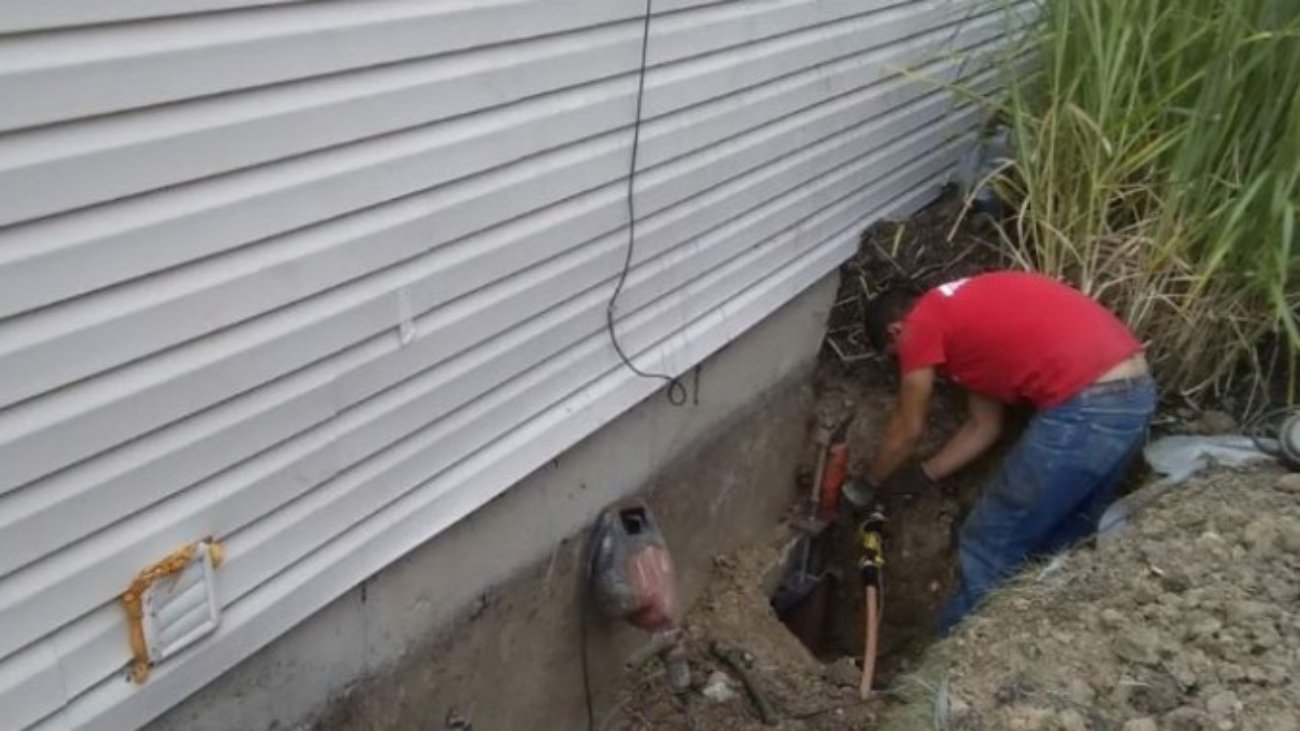
The foundation is one of the most important parts of your home. It supports everything above it—your walls, roof, and everything inside. But when foundation issues arise, many homeowners are left wondering: Will my home insurance cover the cost of repairs?
Understanding what your insurance policy does and does not cover regarding foundation repair is key to avoiding unexpected expenses. With the right knowledge, you can take better steps to protect your home and budget for the future.
If you’re looking into Detroit Foundation Repair options or noticing signs of foundation problems, it’s important to know how insurance plays a role. Let’s break down what you can expect regarding coverage, claims, and the importance of early action.
What Home Insurance Usually Covers
Standard homeowners insurance is designed to protect you from sudden and accidental damage. In some cases, this can include foundation damage, but only if caused by a covered event.
Common events that insurance might cover for foundation repair include:
- Fire or explosion
- Falling objects (like a tree falling onto your home)
- Water damage from burst pipes (not flooding)
- Vandalism
- Vehicle collision into the home
- Weight of snow or ice
Your insurance may cover if your foundation cracks because a tree falls during a storm. Depending on your policy, if a plumbing pipe bursts under your foundation and causes damage, that might also be covered.
However, every policy is different. Some types of foundation damage are excluded unless you purchase additional coverage.
What Home Insurance Does Not Cover
Unfortunately, basic insurance policies do not cover many of the most common causes of foundation problems. These include:
- Settling or sinking over time
- Soil movement, such as expansion or contraction
- Normal wear and tear due to age
- Poor construction or maintenance
- Flooding or water intrusion from outside sources (unless you have a separate flood insurance policy)
- Earthquakes (may require a separate earthquake policy)
In many cases, if your foundation problem results from gradual or avoidable issues, your insurer will consider it the homeowner’s responsibility to maintain the property. Insurance companies expect homeowners to prevent damage when possible through regular upkeep.
How to Find Out What Your Policy Covers
The best way to know what is covered under your current insurance is to:
- Review your policy carefully and look for sections about dwelling protection, exclusions, and covered perils.
- Ask your insurance agent directly about coverage for foundation repair scenarios.
- Consider endorsements or extra coverage if you live in areas prone to flooding, earthquakes, or heavy soil movement.
Some companies offer specific riders or endorsements that add foundation protection for additional events not included in a basic policy.
The Claims Process for Foundation Repair
If your foundation damage is related to a covered event, here’s what you can typically expect:
Step 1: Document the Damage
Take clear photos of the affected area from multiple angles. Include any related interior damage, like cracked walls or uneven floors.
Step 2: Contact Your Insurance Company
Report the damage as soon as possible. The company will assign an adjuster to inspect your home.
Step 3: Get a Professional Assessment
Hire a reputable foundation repair company to assess the damage. Having a professional opinion can strengthen your claim.
Step 4: Review the Claim Decision
Your insurance company will decide if the damage is covered based on the inspection and policy details.
Step 5: Begin Repairs
Once approved, you can move forward with the repair work. Be sure to work with licensed and insured contractors to avoid future issues.
Why Acting Quickly Matters
Even if you think the damage might not be serious, addressing foundation problems quickly is important. Waiting too long can cause further damage to your home, and if an insurance company sees that you delayed necessary repairs, they may deny a claim.
Plus, the longer you wait, the more expensive and complex the repairs can become. Early action helps you preserve your home’s safety and value.
Foundation Repair and Home Value
While foundation problems can be stressful, properly repairing them can help maintain or boost your home’s value. Homes with repaired foundations often sell faster and for better prices than homes where buyers worry about unseen issues.
By investing in professional foundation repair, you fix immediate problems and protect your property’s long-term future.
Tips for Homeowners
- Schedule regular inspections. A yearly inspection can catch early signs of trouble before they become major problems.
- Keep good maintenance records. Showing that you maintain your property can help with insurance claims.
- Understand your risk. Ask your agent about extra coverage if you live in an area prone to flooding or expansive soils.
- Work with trusted professionals. Choosing experienced contractors ensures that repairs are done correctly and meet insurance standards.
Conclusion
Foundation repair is a major investment, but it’s essential for keeping your home safe and secure. While home insurance may help in certain cases, it’s important to understand the limits of your policy before damage happens. Knowing what is and isn’t covered gives you the power to plan, protect your property, and avoid unexpected costs.
When it’s time to address foundation concerns, turn to the Detroit Foundation Repair Pros experts. Their team offers trusted inspections, honest advice, and professional repairs to keep your home strong for years. Contact them today to schedule your consultation and take the first step toward peace of mind.

