Master Gardeners: Flowers for a winter garden | Home and Garden

Master Gardeners: Flowers for a winter garden | Home and Garden

What flowers in the dead of winter in Napa County? With few pollinators active then, it’s not a great time to have flowers that need pollination. Also, the weather is dicey. It could be cold or icy or raining and blowing. But surprisingly, many plants do bloom between late fall and very early spring. So with a little planning. you can have flowers in your winter garden and fresh-cut flowers to bring indoors.

Camellias, cyclamen, primroses and pansies are all blooming in nurseries now. But don’t be fooled. Some of these plants have been forced into bloom using light or greenhouse conditions. They may not repeat that winter performance once naturalized in your garden.

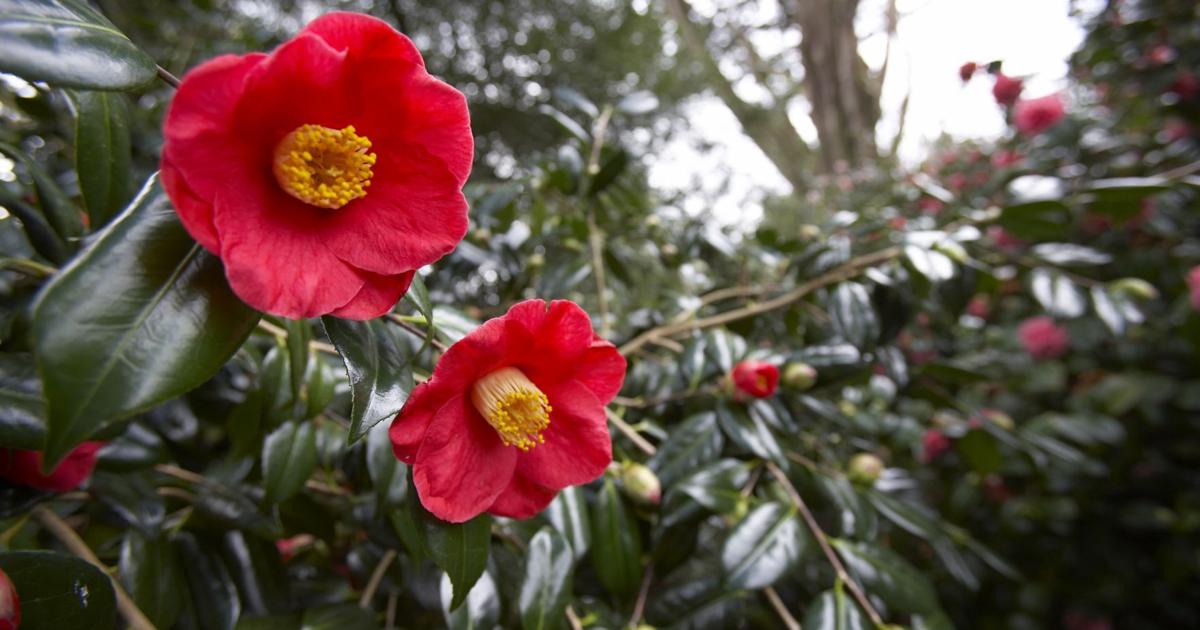
The camellia shrub’s glossy evergreen leaves provide a wonderful contrast to its flowers, which bloom in various shades of pink, red and white. The flowers come in many color patterns and bloom times and the shrubs take a variety of shapes. According to the American Camellia Society, there are more than 4,000 cultivars. You can search the society’s website for a camellia that suits you, basing your search on up to 14 plant characteristics.

People are also reading…

To find other hardy winter-blooming shrubs with low water needs, I turned to the UC Davis Arboretum All Star listing and the Sacramento Master Gardener’s website. The Arboretum All Star plants have been grown and evaluated at the UC Davis Arboretum and are designated as All Stars based on their ease of care and low water needs. Many are California natives but others are from locations around the world that have similar climates and seasonal drought.

Plants from areas that have a Mediterranean-type climate like ours, such as Australia, New Zealand and South Africa, often do well here. When choosing plants from these lists, pay attention to the specific cultivar or variety. The variety may have been developed for specific conditions, such as low water availability, low light or heavy soil. Or it may have other characteristics that distinguish it from the norm, such as smaller size or early bloom time.

Among the California native shrubs that bloom in winter, consider manzanita. It produces its small pink urn-shaped flowers in late winter through early spring. Bees love them. Mahonia is another possibility. It offers large sprays of small aromatic yellow flowers from fall through early winter. Witch hazel blooms from October through March and can tolerate temperatures in the single digits.

For low-growing plants in shade, consider hellebore, also known as Lenten rose, or Algerian iris (Iris ungulicuarus). Both bloom from late fall through early spring. Algerian iris make wonderful cut flowers for bringing indoors.

For bedding plants, you could choose primroses, which bloom in many colors. Make sure they are English primroses if you want winter bloom.

Cyclamen is another great bedding plant that flowers in many shades of pink, red and white. The plant themselves come in various sizes with leaves that may be variegated, rufflee or plain. If you’re looking for annuals, viola and pansies bloom all winter in a variety of colors.

Last but not least, there are many bulbs, corms and rhizomes that will bloom from winter through spring and into summer. Many of these can naturalize, given some summer shade under deciduous trees or shrubs. They provide a surprise in the garden each winter and spring when they reappear after being dormant all summer. Bright blue-purple crocus, white narcissus and yellow daffodils can create swaths of color over long periods if you plan well.

Winter does not have to be a dull, dreary, colorless time in the garden. Many easy-care plants can bring you flowers even in the dead of winter.

Library Talk: UC Master Gardeners of Napa County will host a free talk via Zoom on Thursday, January 6, from 7 pm to 8 pm, on “Introduction to Espalier.” The espalier technique is a great way to grow fruit in limited space and makes care and harvesting easier. Learn how to plan, plant and maintain an espaliered fruit tree in your landscape. Register at http://ucanr.edu/2022JanEspalier.

Got Garden Questions? Contact our Help Desk. The team is working remotely so please submit your questions through our diagnosis form, sending any photos to mastergardeners@countyofnapa.org or leave a detailed message at 707- 253-4143. A Master Gardener will get back to you by phone or email. For more information visit http://napamg.ucanr.edu or find us on Facebook or Instagram, UC Master Gardeners of Napa County.


Listen to the Sounds of Christmas Brass players perform “The Marie-Golde” by Anthony Holborne.




Ask the Master Gardener: Moon gardens can be mesmerizing

Ask the Master Gardener: Moon gardens can be mesmerizing

Remedy: Moon gardens have a tendency to be monochromatic. They commonly slide into the realm of an all-white yard. A moon backyard garden is intended to be liked by the light of the moon or evening. It is supposed to be a tranquil location to rest, rest and take pleasure in celestial magnificence. A moon back garden style has plants with white bouquets and silvery foliage that mirror gentle from the placing sunshine and mounting moon. Reds, blues and other deep shades seem to be to disappear at dusk, but whites and silvers really pop in even the slightest sum of moonlight. This backyard generally has aromatic, nocturnal blooming flowers, which bring in nighttime pollinators, like the sphinx moth.

When COVID-19 is guiding us and folks are touring extra, there are a few all-white gardens truly worth traveling to. The Sissinghurst Castle Gardens, in Kent, England has the most well-known all-white backyard. It was created by Vita Sackville-West in the 1950s. The Munsinger-Clemens Gardens in St. Cloud have an all-white backyard garden that was 1st planted in the summertime of 1994, and was encouraged by the planet-renowned White Yard at Sissinghurst Castle. Longwood Gardens in Kennett Square, Pennsylvania, which was the residence of Pierre Dupont, also has an all-white garden. White gardens have numerous positive aspects in addition to trendiness. Brilliant white blooms are true eye-catchers. A white yard usually has a feeling of crispness, course, sophistication, and elegance. Moreover, in a shade back garden, white brightens up the darkness of shade through the working day and will come alive at dusk.

Longwood Gardens in Kennett Square, Pennsylvania, with its all-white, monochromatic flowers, is an example of a moon garden. 
Contributed / Jennifer Knutson

Longwood Gardens in Kennett Sq., Pennsylvania, with its all-white, monochromatic bouquets, is an case in point of a moon yard.
Contributed / Jennifer Knutson

A shade themed backyard garden is just one of the simplest and most worthwhile patterns you can do. A white backyard garden is an quick way for newbies to attempt a monochromatic scheme simply because most species feel to have white bouquets. A monochromatic plan is less distracting — the eye does not require to regularly refocus on ever-changing coloration. In a monochromatic backyard, the visible excitement that ordinarily comes from distinct colors as an alternative comes from the interplay of many flower types and foliage textures consequently, it’s vital to incorporate distinct flower and leaf shapes.

Newsletter signup for email alerts

Similar: Check with the Master Gardener: Acquiring the suitable plants for the holiday break time

Dear Learn Gardener: I have trouble with chipmunks. Is there a repellent or some thing I can use to preserve them from detrimental my gardens?

Reply: Chipmunks are so cute! Nevertheless, quite a few of us would relatively not have to deal with them in our gardens. Not only do these lovable small rodents problems gardens, but they can also trigger structural damage to stairs, retaining partitions or foundations from all their in depth burrowing. They scurry close to the property gathering and hoarding meals for the winter — typically seeds and nuts. Have you at any time viewed a sunflower coming up in your flower pot or back garden, or bulbs you planted in a single spot coming up in a further? A chipmunk or squirrel is the possible perpetrator. My sister-in-legislation had an unidentified plant coming up in the miniature backyard garden by her entrance doorway. It looked like it need to be in a “Jack in the Beanstalk” story. She remaining it there all summer as it built for excellent discussion and seemed kind of magical.

To maintain them from digging up recently planted bulbs in the fall, rooster wire or components cloth can be placed on best of the spot. You just have to recall to remove it in the spring just after the snow is long gone. You can hide the chicken wire with soil or mulch. If you are planting bulbs in individual holes, these kinds of as lilies, put some sharply crushed stones or shells in each and every hole prior to refilling to prevent their digging. You can even come across bags of them in yard facilities for that function.

Linked: Inquire the Learn Gardener: Brighten the dark of winter season with these indoor vegetation

Fallen hen seed from feeders also appeals to chipmunks and squirrels, so if you have a chicken feeder in your yard, that could encourage them. Try out to continue to keep chicken feeders at minimum fifteen toes from your backyard garden. Keeping your grass minimize shorter could also aid, so they are not presented deal with and will with any luck , burrow somewhere else.

According to Professor Perry at the College of Vermont, taste repellents that are utilized for squirrels can also be used for chipmunks and may be a good very first line of protection. Regretably, like all animal repellents for the garden, it desires to be reapplied following a rain, so it can be high priced in excess of time and usually does not supply finish control. Trapping is an effective implies of handle. A lot of men and women desire using a stay-catch wire mesh trap, then dropping them off someplace else so they don’t return. Dependent on wherever you fall them off, you could be transporting the pesky little difficulties to another person else. According to the Minnesota DNR, if you relocate a captured wild animal, you have to take it 10-15 miles absent from in which it was captured to be certain that it doesn’t return. You will have to also get permission from the governing agency or landowner of the residence just before releasing the animal.

Relevant: Question the Master Gardener: Aloe crops offer you positive aspects apart from their elegance

Expensive Learn Gardener: Which vegetation are toxic to canines and must be avoided in the landscape?

Response: There are a selection of common garden vegetation that are harmful to cats and/or canine. Lots of bulbs, such as daffodils, crocus, gladiola, hyacinth, iris, scilla (squill), and tulips, are poisonous to both of those human beings and animals. The ASPCA lists the pursuing landscape vegetation as the most poisonous for cats and dogs: azaleas and rhododendrons, yew, autumn crocus, chrysanthemum, English ivy, and castor bean (incredibly poisonous!). Lilies are toxic to cats.

Related: Inquire the Learn Gardener: Caring for colourful cyclamen vegetation

You might get your backyard questions answered by contacting the new Master Gardener Aid Line at 218-824-1068 and leaving a message. A grasp gardener will return your call. Or, emailing me at umnmastergardener@gmail.com and I will reply you in the column if room makes it possible for.
College of Minnesota Extension Grasp Gardeners are experienced and accredited volunteers for the University of Minnesota Extension. Information provided in this column is dependent on university analysis.

Master Gardener: Succulent gifts from your garden | Home and Garden

Master Gardener: Succulent gifts from your garden | Home and Garden

Looking for an affordable gift made with love from your garden? How about a unique gift for the special gardener in your life? Or a gift for the hard-to-buy-for person who already has one of everything, Pay Per Touch?

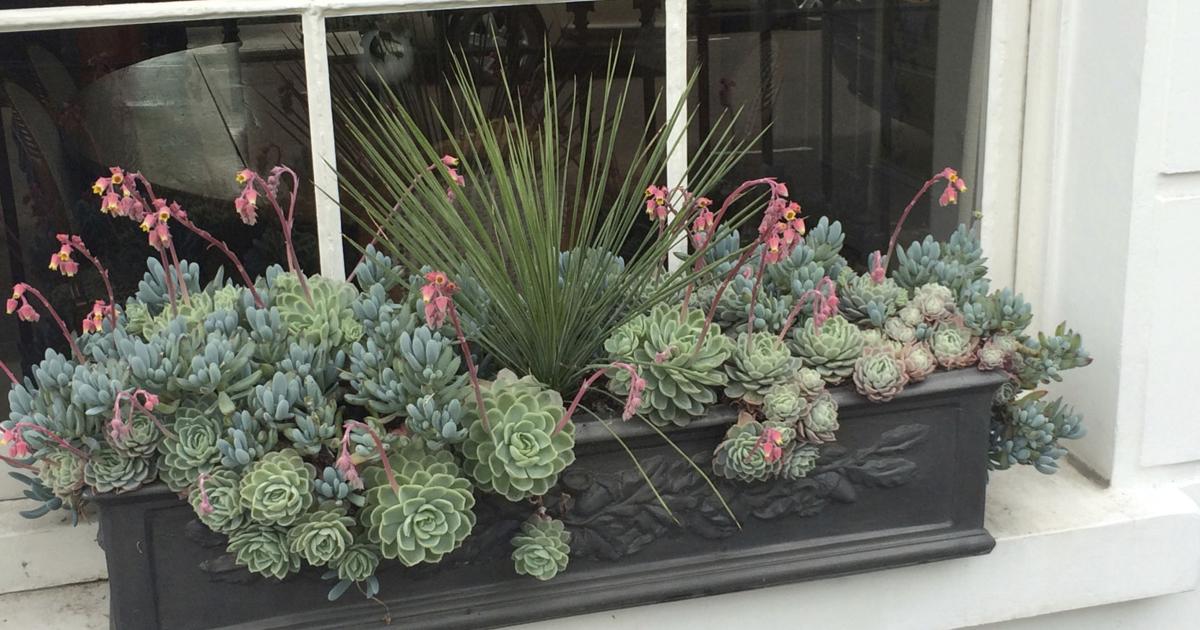
You can easily make a number of gifts using succulent cuttings. Succulents are perfect for gardening “Central Valley Style” because they love the sun and are drought tolerant. Start now, and by gift-giving time, all your creation will need is a bright bow!

Some craft ideas are: a living wreath for hanging or for use as a table centerpiece with a candle, a living picture frame for a garden or patio wall, a fairy garden, a succulent globe, or a cute basket filled with different succulents. Making these gifts is affordable — no need to go searching the garden centers for succulents. Look no further than your own —or your friend or neighbor’s — succulent garden. Pinch a little here, trim a tad there, uproot a few that are too crowded, or rescue a forlorn “pup” from its parent.

Succulents are native to Mexico and South Africa. They have fleshy leaves and stems that hold and store water to help them survive drought. Most are frost tender, and they don’t like either overwatering or extreme desert conditions. Because succulents have a fairly thick skin, they are not prone to insect damage. Mealy bugs or woolly aphid are the more common pests but they are rarely troublesome and can be controlled by dislodging them off plants with water.

Starting/rooting succulents is fairly easy, but there are a few tricks of the trade to make it even easier. To root succulents with stems, cut them off the main plant and let them sit for 7-10 days to “harden off” or callus. This helps avoid fungal damage to the root. For more rosette-type succulents like aloe, agave and sempervivum, pull off the “pups” or “babies” on the sides and replant them.

Plant in clean moist potting soil specifically formulated for succulents. Hormone rooting powder is not necessary. Put the pots into a tray of water for a minute or two so the soil becomes saturated, then keep the plants just slightly moist. Resist over-watering at this stage. In the spring, all succulents appreciate some light fertilizer.

Be creative in mixing different succulents together to make a design. Just as in a flower arrangements, using different colors, leaf shapes and textures adds interest.

Here are a few general instructions for crafts:

  • To make a succulent wreath, purchase a wire wreath form, line with mesh, fill with soil, wrap with coco fiber, and insert cuttings in a variety of colors and shapes. If this is going to hang, you can wrap it with thin wire or fishing line until it’s sufficiently rooted to hold together.
  • Try making a succulent topiary with styrofoam, wire, plants and rocks.
  • You can build a short box, plant it with succulents and then put an old picture frame around the arrangement – a real Living Picture. This could be hung on a wall, or add legs to make a small table.
  • Fairy Gardens are the very latest design element. Using miniature accessories and garden accents, sedums, moss and pebbles, even tiny electric lights can turn a boring container into a Fairyland.
  • Succulent globes can be made by wiring two hanging baskets together, lining with coco fiber, then filling with soil. Poke holes in the fiber and insert succulent cuttings. Keep moist by light spraying until the cuttings are rooted (a gentle tug should not loosen the cutting if it has rooted) before watering the ball.

Search online for “succulent crafts” for more ideas. The possibilities for a gift of succulents are limited only by your imagination, and are sure to make your holidays Merry & Bright!

VISIT : https://paypertouch.com/

Master Gardener: Helpful garden tips for December | Home and Garden

Master Gardener: Helpful garden tips for December | Home and Garden

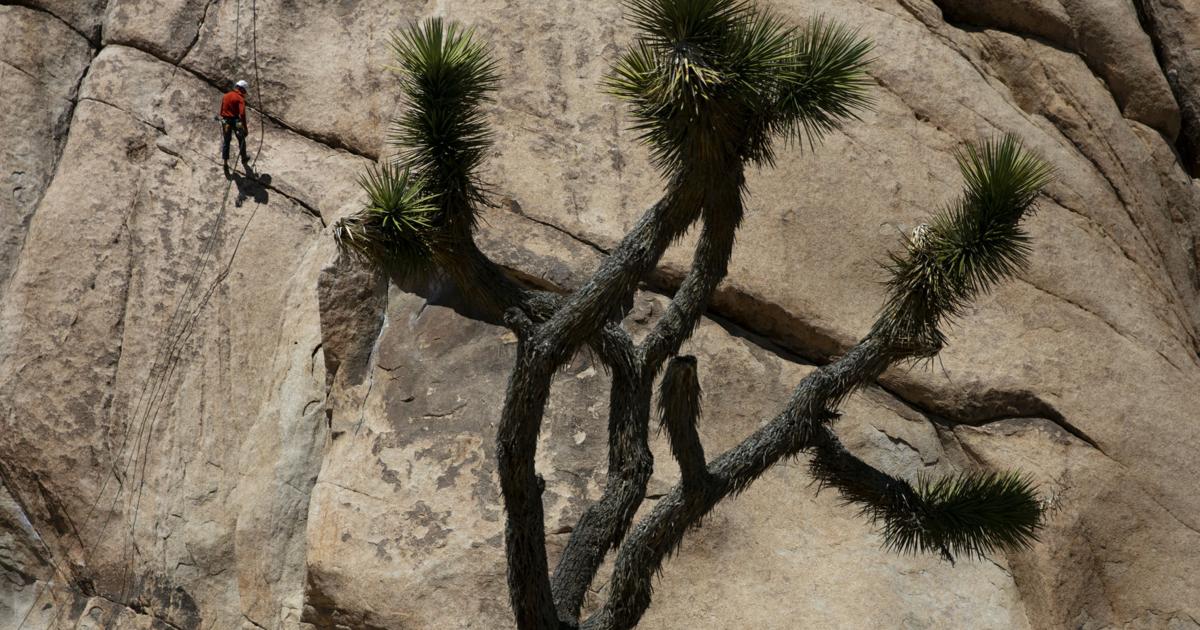
I’ve been thinking about plants of the late Pleistocene era, and the animals that ate them, described in a pictorial essay by David Bryant in the fall 2021 issue of Flora, the California Native Plant Society’s quarterly magazine. Among them are Joshua Trees, California lilac, manzanita, grasses, sedge, rush, Pinyon pine, juniper, and sycamore, to name a few. I’ve also been thinking about one of the biggest trends in gardening this year: “regenerative landscaping,” which is broadly defined as future-looking, considering all the creatures of the garden, recognizing that more than just humans use the space. As gardeners out in it, we know this mixed-use firsthand, but it can be valuable to take some time occasionally, such as in the slower winter months, to reflect, observe, appreciate, and plan. This doesn’t mean allowing total destruction by pest insects and herbivores. It means learning what is a tolerable threshold, using modern methods of IPM (Integrated Pest Management) and letting go of perfection.

Must we have an attitude of battle, or can we learn to share the garden, even making friends and allies with creatures beyond the hummingbird and butterfly? Can I learn to appreciate the Western ground squirrel?

While doing all this pondering, there are a few tasks we can do in December:

PLANTING:  Finish planting most species by mid-month. Bare-root planting begins in December and can extend through winter. Plants that are frost sensitive should not be planted until spring. Even for frost-hardy species, use a layer of mulch to protect plant crowns and roots from freezing. Finish planting bulbs for spring color. In the edible garden, in addition to perennial herbs, you can still transplant seedlings of most cool-season vegetables. Also plant bulb onions, asparagus, and rhubarb. These last two are perennials, so you won’t be harvesting them until well into next year. You can also plant lettuce and related salad green seeds in cold frames.

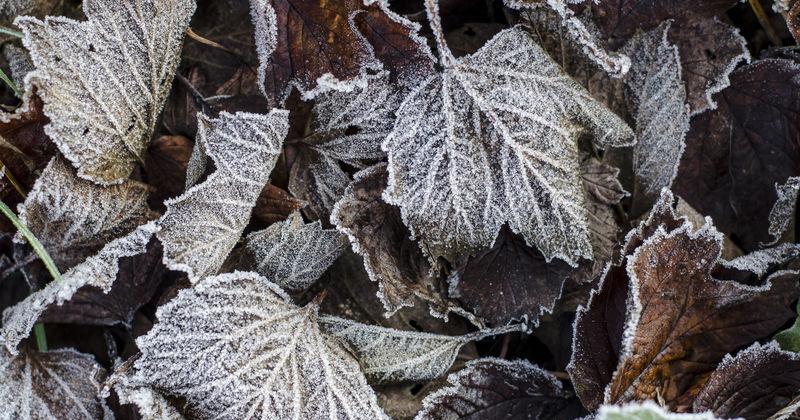
MAINTAINING: Watch for frost warnings and protect your sensitive plants. Plants will survive better if kept moist but not overwatered. Remove old fruits, called “mummies” left on fruit trees. Water citrus trees well this month if the rains aren’t steady to have a good crop next year. Also, deep water your other trees during a dry spell that lasts more than two weeks, even if they are dormant.

You can begin to prune your winter deciduous trees, shrubs, and fruit vines, or wait until January, especially if plants aren’t fully dormant and safety isn’t an issue. Don’t prune if frost is expected within the week. Force your roses into dormancy by removing leaves that haven’t fallen Mow cool weather lawns, which should be actively growing now, at three inches. This also applies to over-seeded lawns.

If you had major problems with aphids, mites, scale or whitefly on your fruit trees or roses, spray with dormant oil spray after the leaves have fallen to kill overwintering adults. Handpick slugs and snails or set out iron phosphate as a bait. You must replace iron phosphate after a rain, but it is not toxic to people, pets, and beneficial insects and won’t harm soil microorganisms either. In late December, spray early blooming peach and nectarine trees with copper fungicide to control peach leaf curl.

See any white moths around your winter veggies?  The moth is looking for good spots to lay her eggs, which will hatch into the cabbage looper and eat holes in the leaves, sometimes decimating the crop. You can’t do much about the moth, but seeing the moth is a signal to start looking under the leaves for the next several days to snag the small, green caterpillars before they do much damage. Large plants can survive some damage, but seedlings can be devoured. Chemical control is BT (Bacillus Thuringieis). Be sure to spray plant leaves thoroughly on the tops and bottoms.

Remember many caterpillars, especially on ornamental plants, do little harm and turn into desirable moths and butterflies. And all Lepidoptera are food for birds, lizards, toads, and other creatures in the food chain. Use common sense and a little tolerance for damage to encourage a healthy garden full of interesting life, even in the urban neighborhood.

Finally, keep up with cool season weeds so it doesn’t become a tiresome and overwhelming job later. Common household white vinegar or commercially formulated non-systemic organic herbicide can be kept in a labeled spray bottle in the garden to zap weeds on sunny days. Or lightly hoe them out. You can also try piling on more mulch and shading them out, which works well in these weak-sun days.

CONSERVING: Leave a pile of branches from trees and shrubs for birds to shelter in.

And don’t forget the water. Small creeks as part of a water garden design, mister-style sprinklers, or a bird bath with fresh water are all popular with our wild bird friends. When getting ready to prune trees, examine the high branches of large trees for bird nests and avoid pruning if hawks or other birds are nesting.

If you haven’t already done so, cut the flowers off tropical and other non-native, orange-flowered milkweed varieties. The Monarchs that stick around because of a ready food source will not survive the cold winter; they need to migrate south. You may want to consider replacing it with a native milkweed. On the other hand, we have so many hummingbirds that do not migrate, it is okay to continue to provide them with hummingbird feeder food through the winter.  

I hope you have wonderful winter holidays, full of beneficial garden companions and delightful surprises.

Call us: Master Gardeners in Tulare County: (559) 684-3325, Tues & Thurs, 9:30-11:30

Instragram at: @mgtularekings

Master Gardener: Tips for selecting a live Christmas tree | Home & Garden

Master Gardener: Tips for selecting a live Christmas tree | Home & Garden

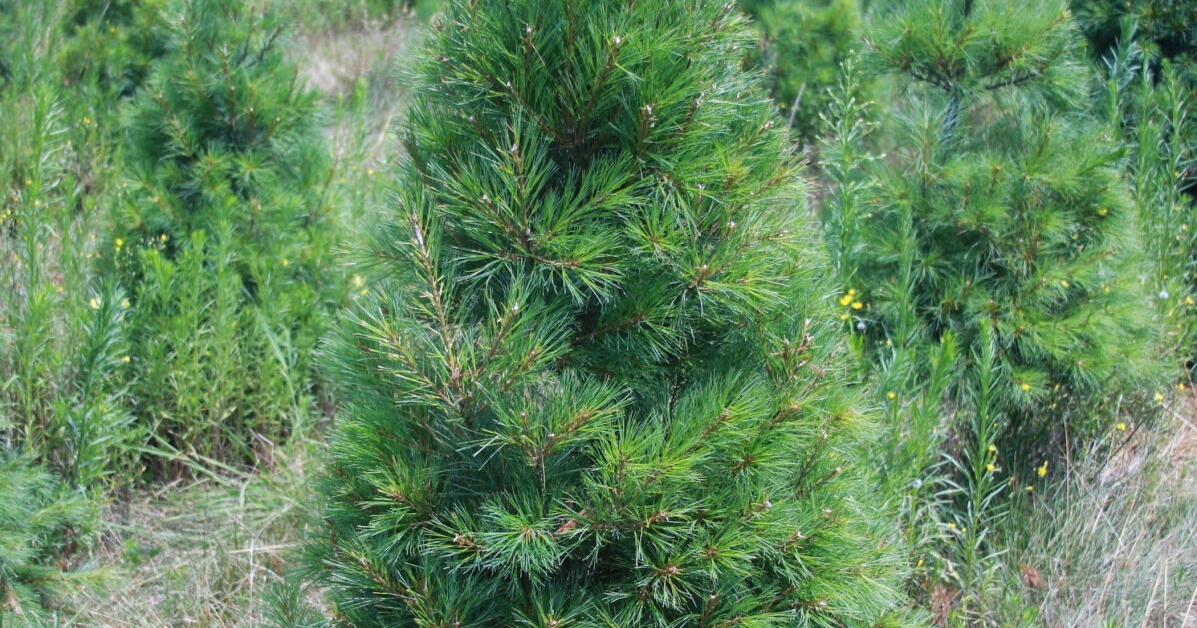
If you decided to select a pre-cut tree, pick one of the freshest you can find. Fresh needles bend easily. When the trees have dried out, their needles will snap.

Once you have your tree home, it’s a good idea to saw off about one inch from the bottom of the tree. After doing this, place the tree in a container of water. If it will be a few days before you bring it in to decorate, store it in a cool place such as your garage.

When you do bring it inside, be sure you place the tree in a stand that will hold some water. Keeping your tree dry should help minimize any fire hazard with the tree.

Another way to minimize the risk of fire is to locate the tree away from heat sources such as a heater vent or especially the fireplace. And make sure your stand is of an appropriate size to keep the tree anchored in place because no one wants their tree to fall over.

Also, to help ensure a safe Christmas, only leave the tree lights on when a responsible person is home, and never leave the lights on if you are going to be away from the house. After Christmas, be sure to remove the tree before it gets overly dry. Good luck!


Robert Knight explains pecan harvesting at Knight Creek pecan farms.


You can get answers to all your gardening questions by calling the Tulsa Master Gardeners Help Line at 918-746-3701, dropping by our Diagnostic Center at 4116 E. 15th St., or by emailing us at mg@tulsamastergardeners.org

Napa County Master Gardeners: Preparing for winter | Home and Garden

Napa County Master Gardeners: Preparing for winter | Home and Garden

The sky is blue, the hills are green, and we will certainly have some sunny days ahead. Now is a good time to get your yard prepared for the winter. The recent rains have softened the soil, which will make your garden chores easier.

First, take a good look at your plants. Remove plant debris, stalks, dead leaves and anything that looks diseased. It’s a little early to prune your roses, but you should remove any leaves or stems with fungus. You can chop up your dead plants and put them in your compost, but do not put any diseased material in the compost. The disease will just incubate.

If your perennial plants have seed heads, leave them for the birds to eat. You can cut them down when the seeds are gone.

Make time to weed. It is gratifying to pull weeds after a rain because they come up so easily. You can put them in the yard-waste bin. The hot compost process used by the City of Napa’s waste-management company will kill any seeds.

As long as the ground is soft, you can dig a few holes so they are ready for any planting you might want to do later in the spring.

After you weed, mulch. It will keep the weeds down. Mulch also insulates the ground, keeps it from drying out, and eventually rots, improving soil texture. You can buy mulch at a nursery or you can make your own with chopped-up yard waste, such as twigs, leaves, and grass. The larger bits of compost left behind after you sieve your compost can be used as mulch, too. So can shredded newspaper, brown paper bags, and cardboard.

People are also reading…

I am of two minds about raking leaves. Sometimes you just want your yard to look tidy, and you can put the leaves in the compost bin. However, I always leave several piles on the ground because eventually they rot and improve the soil. hey, are also a hiding place for insects and other creatures that are beneficial for your garden and a food source for birds. It’s fun to watch birds messing around in the leaves in winter.

You should assume that we will have a couple of nights of frost, so get ready now. Pay attention to the weather reports. Identify which plants need protection. At my house, it’s brugmansia and daphne. Perhaps you have fuchsia, bougainvillea, young fruit trees, succulents, or avocados. Citrus trees are especially vulnerable.

Start collecting vinyl sheeting, towels, burlap, blankets, and sheets. You will also need something to support the material so it doesn’t touch the leaves, which can be damaged by frozen cloth. One gardener I know used two metal chairs to balance a ladder over which he folded a sheet, protecting a row of mandevilla. The cloth should touch the ground for better insulation. Be sure to remove the cloth the next day, when the air warms.

Some nurseries sell a nonwoven polyester fabric that can be draped directly over the plant. It won’t hurt the plant even if it touches it and can be left on all day. You can wrap burlap or blankets around the trunks of young fruit trees or around shrubs to keep them from freezing.

Boxes, baskets, and buckets can come in handy for frost protection. I used to be enchanted by the bell-shaped glass cloches in the old Smith and Hawken catalog. You were supposed to place them over a plant to protect it in winter. So French! So adorable! So expensive!

Instead, fill up old plastic milk bottles with water and surround the plant with them. The water insulates them, and you can drape a cloth over it all.

Temperatures can vary widely over a single property. Tree cover, exposure to the sun, and even the height of a bed can make a difference. The lower area of my yard, under a willow tree, is a few degrees cooler than the rest of the yard.

Frost-tender plants generally do better with southern exposure, so think about that. Perhaps you can move your succulents next to the house, so they will have shelter over the winter. You can take this precaution with any container plants that are small enough to move.

When you have your yard prepared for winter, clean your tools and put them away neatly. Because of our climate, we can garden almost year-round, so it’s good to have your tools rust-free and at the ready.

This is also a good time to take stock of what did well in your garden over the last growing year, what could be improved, and, perhaps, what wasn’t worth the effort. Gardening is a perpetual learning experience.

One of my brugmansias froze a few years ago because the weather took me by surprise. I left it alone to see what would happen and, sure enough, green sprouts appeared as spring approached. I trimmed off all the dead-looking limbs, and after a dose of organic fertilizer, it was more luxuriant than ever.

We have been living with drought and fire conditions in Napa Valley for a few years. Our landscape plants, not to mention Napa County flora in general, have been severely stressed. It is probably wise not to rely too much on their resilience and to be prepared for a freeze.

Food Growing Forum: Napa County Master Gardeners will present a discussion of “Cane Berries” on Sunday, November 14, from 3 p.m. to 4 p.m., via Zoom. Register here to receive the Zoom link.

Library Talk

Napa County Master Gardeners will present a talk on “Chasing Sun in Shaded Yards” on Thursday, December 2, from 7 p.m. to 8 p.m. via Zoom. Does your yard have a limited supply of sunny locations to grow vegetables? Learn about site selection and cultural requirements for the plants you want to grow. Register here to receive the Zoom link.

Workshop

Napa County Master Gardeners will lead a workshop on “The Art of Raising Succulents” on Sunday, December 5, from 1 pm to 3 pm, at the Yountville Community Center, 6516 Washington Street, Yountville. Discover how to care for and design with these colorful, unthirsty plants in your garden or on your patio. Attendees will get plant starts to take home. Yountville residents: $16; Non-residents: $18. Free to Golden Ticket members. To register, visit online registration or telephone the Parks & Recreation Department at 707-944-8712.

Got Garden Questions? Contact our Help Desk. The team is working remotely so please submit your questions through our diagnosis form, send any photos to mastergardeners@countyofnapa.org or leave a detailed message at 707- 253-4143. A Master Gardener will get back to you by phone or email. For more information visit napamg.ucanr.edu or find us on Facebook or Instagram, UC Master Gardeners of Napa County.


Check out Napa Valley’s most expensive home, a $25m estate located in Deer Park at 850 Sanitarium Road. “The warm modern design features an open floor plan connecting living, dining, cooking, and family rooms, a 2,000 bottle wine library, luxurious primary suite, massage room, gym, two offices, media/theatre room, infinity edge pool, outdoor kitchen, and a full two-suite guest apartment with its own living room and view deck.”