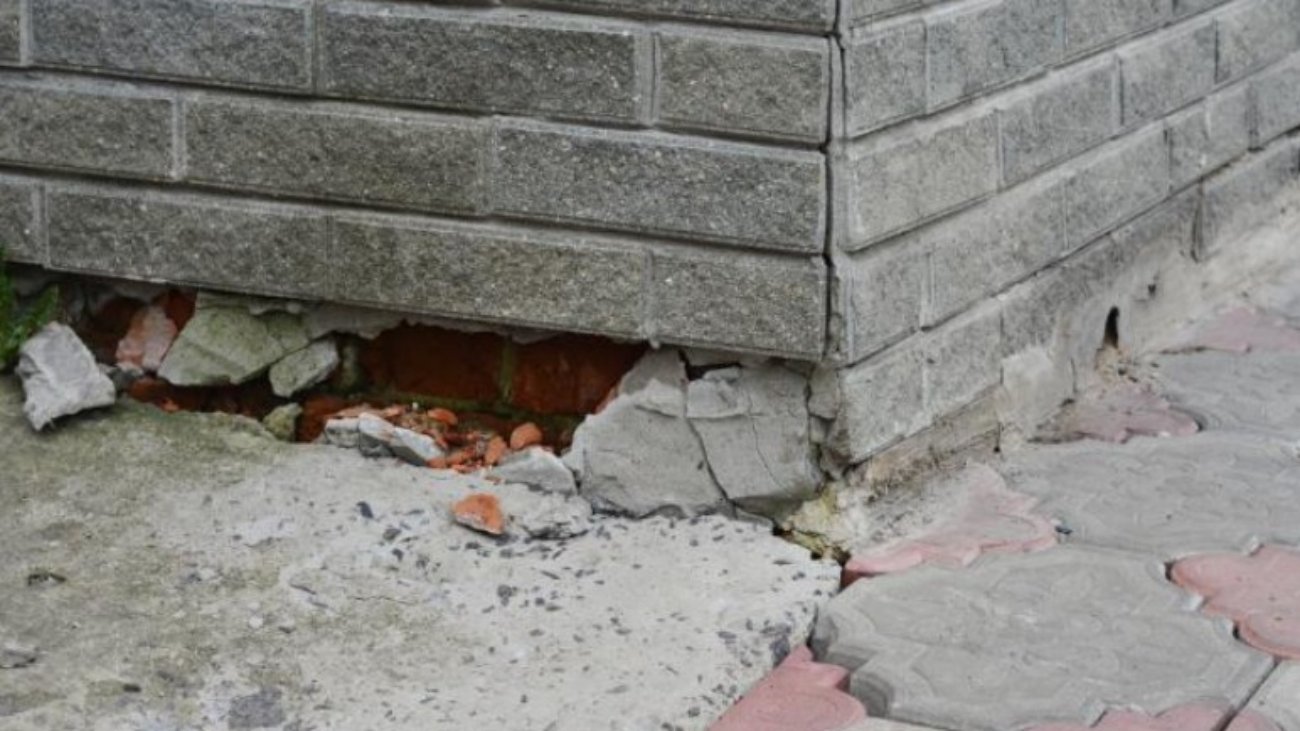
Foundation problems put homeowners and buyers in a difficult position. Cracks in walls, uneven floors, and signs of shifting immediately raise concerns about safety and long-term value. While foundation issues can feel overwhelming, not every problem means a home is beyond saving. Many foundation conditions are repairable when addressed early and correctly. The challenge lies in knowing when repairs make sense and when walking away is the safer option.
Homeowners who consult experienced foundation repair contractors chicago gain clarity on the true condition of their foundation before making costly decisions. Professional evaluation helps separate cosmetic damage from structural risk, allowing homeowners to focus on facts rather than fear.
Situations Where Foundation Problems Are Usually Worth Fixing
In many homes, foundation issues are limited in scope and respond well to proven solutions. Vertical cracks, minor settlement, or isolated movement often fall into this category. These problems usually develop gradually and do not affect the entire structure.
Common situations where foundation repair contractors often recommend repair include:
- Stable vertical or diagonal cracks
- Localized settlement affecting a small area
- Soil movement caused by drainage issues can be corrected
- Foundations that show no widespread structural displacement
When the cause of movement is identified and controlled, repairs can restore stability and protect the home’s long-term integrity. Early repairs are typically more affordable and less invasive than delayed intervention.
Understanding Foundation Movement
One of the most important factors in deciding whether to repair or walk away is whether foundation movement is active. Some homes show signs of historic settling that has already stabilized. In these cases, repairs may only be needed to reinforce affected areas.
Active movement, however, signals ongoing stress beneath the structure. Soil expansion, erosion, and moisture imbalance can continue to push or pull the foundation out of alignment. If movement can be stopped through stabilization methods, repair remains a reasonable option. If movement continues despite intervention, long-term reliability becomes questionable.
When Foundation Damage Becomes More Complex
Foundation problems grow more serious when damage is widespread or affects load-bearing components. Horizontal cracks, wall bowing, and significant differential settlement often indicate stronger forces acting on the structure.
In these cases, foundation repair contractors may still recommend repairs, but only if stabilization can be achieved with predictable results. Complex repairs may involve:
- Multiple stabilization points
- Structural reinforcement
- Exterior excavation
- Interior support systems
The decision hinges on whether the repair addresses the root cause or merely delays future failure.
Evaluating Cost Versus Long-Term Value
Repair recommendations are also influenced by how costs compare to the home’s value. Repairs that restore structural stability and protect resale potential are often worth the investment. However, when repair costs approach a large portion of the home’s market value, caution becomes necessary.
Professionals assess whether the repair will:
- Permanently stabilize the foundation
- Prevent future structural damage
- Preserve or improve resale value
If repairs solve the underlying problem and keep the home structurally sound, fixing the foundation often makes financial sense.
When Walking Away Is the Smarter Choice
There are situations where walking away is the safest and most practical option. These cases usually involve damage that cannot be reliably stabilized or would require repeated intervention over time.
Red flags that may prompt foundation repair contractors to recommend walking away include:
- Severe, uncontrolled foundation movement
- Extensive cracking across multiple walls
- Structural damage affecting framing and load paths
- Long-term water intrusion is causing material deterioration
In these scenarios, repairs may offer temporary relief but fail to provide lasting stability. Walking away helps homeowners avoid escalating costs and safety concerns.
Foundation Issues During Home Purchases
For buyers, foundation problems add significant risk. Some repairable issues can be negotiated into the purchase price, while others introduce uncertainty that outweighs potential savings.
Professionals often advise walking away when:
- Sellers refuse professional evaluation
- The repair scope cannot be clearly defined
- Structural risk remains uncertain after inspection
Clear documentation and expert assessment are essential before committing to a property with foundation concerns.
Why Professional Evaluation Is Critical
Foundation decisions should never rely solely on surface observations. Crack patterns, soil conditions, drainage behavior, and structural response must all be evaluated together.
Qualified foundation repair contractors analyze:
- Crack progression and direction
- Soil interaction beneath the foundation
- Water management around the home
- Structural response to existing movement
This comprehensive approach ensures that recommendations are based on long-term outcomes rather than short-term appearance.
Balancing Emotion with Practical Judgment
Homes carry emotional value, which can cloud judgment when foundation issues arise. Some homeowners feel compelled to save a property at any cost, while others assume the worst without proper evaluation.
The best decisions balance emotional attachment with practical assessment. Repairs should provide confidence and stability, not ongoing stress. In some cases, walking away protects financial well-being and personal safety.
Conclusion
Knowing when to repair a foundation and when to walk away requires careful evaluation, not guesswork. Foundation repair contractors base their recommendations on movement behavior, structural feasibility, and long-term protection of value rather than on surface damage alone.
For homeowners seeking clear answers and honest guidance, Chicago Foundation Repair Experts provides professional assessments designed to support informed decisions. Whether repair is the right path or walking away is the wiser choice, expert insight helps homeowners move forward with confidence and clarity.