Crushed Stone 101: Choosing the Right Type for Paths, Driveways, and Beds

Crushed Stone 101: Choosing the Right Type for Paths, Driveways, and Beds

When it comes to outdoor landscaping or construction projects, few materials are as versatile and essential as crushed stone. From enhancing curb appeal to providing practical solutions for drainage and stability, crushed stone is used in a wide variety of applications, including garden paths, driveways, and flower beds. But not all stone is created equal. Understanding the different types and their best uses can make or break your project’s success.

What Is Crushed Stone?

Crushed stone is a construction aggregate produced by breaking down larger rocks through mechanical crushers. Unlike natural gravel, which is rounded by weathering and water flow, crushed stone is angular, making it ideal for compaction and structural support. The most common sources include limestone, granite, trap rock, and dolomite, each offering distinct qualities that make them suitable for specific purposes.

Why Use Crushed Stone?

Crushed stone provides many advantages for landscaping and construction:

  • Durability: It withstands heavy loads and resists erosion.
  • Drainage: Its angular pieces create gaps for water to flow through, reducing pooling.
  • Stability: Its sharp edges interlock, helping materials stay in place.
  • Aesthetics: Available in various colors and sizes, it complements outdoor designs.

Whether you’re building a new garden path, laying a durable driveway, or planning decorative flower beds, crushed stone can play a key role in achieving a clean, low-maintenance finish.

Types of Crushed Stone and Their Uses

Choosing the right type of crushed stone depends on your project’s needs. Here are the most popular varieties:

  1. Crushed Stone #57
  • Size: About ¾ inch
  • Best For: Driveways, drainage, walkways
  • Why It Works: This medium-sized aggregate provides solid support while allowing good drainage. It’s ideal for driveway foundations and is often used as a base layer for concrete.
  1. Crushed Stone #411
  • Size: A mixture of #57 stone and stone dust
  • Best For: Driveway toppings, pathways
  • Why It Works: The dust fills gaps between stones, creating a compact surface. It offers a smoother appearance while maintaining excellent load-bearing qualities.
  1. Crushed Granite
  • Size: Various
  • Best For: Decorative paths and flower beds
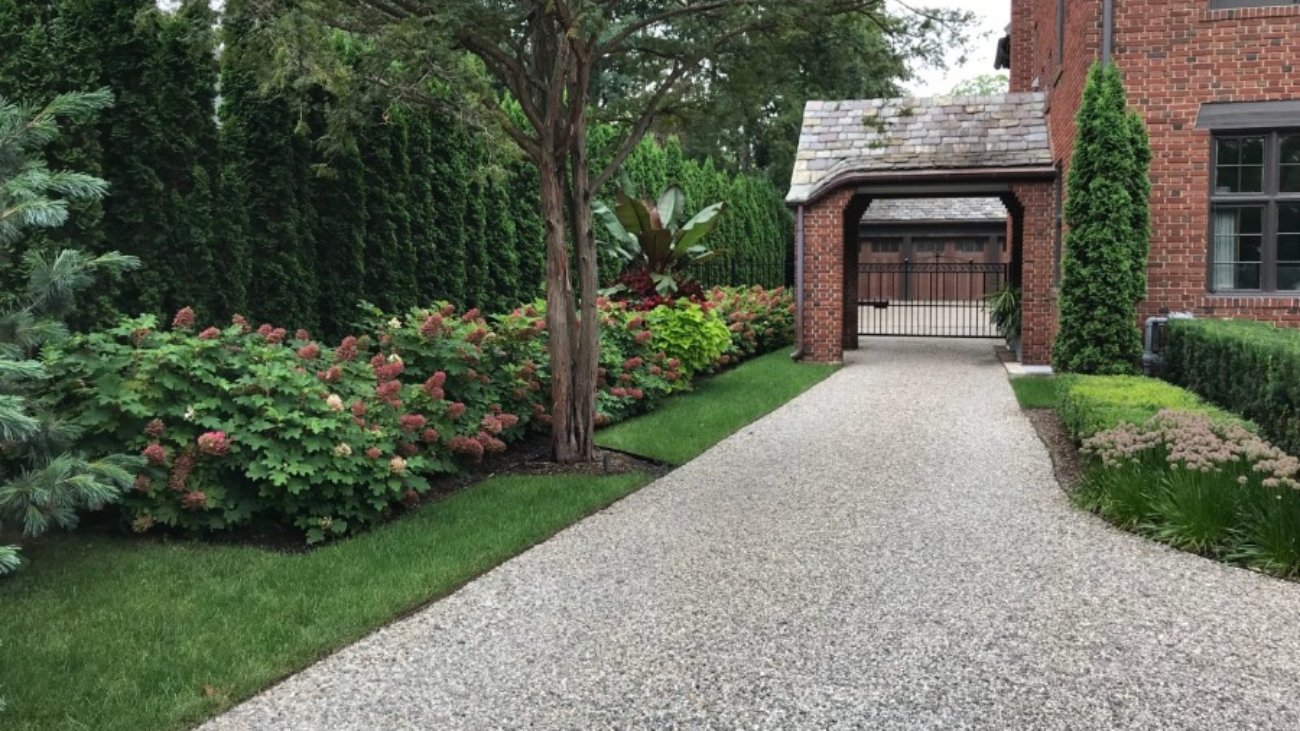
  • Why It Works: Crushed granite offers a natural look and good drainage. It’s also available in vibrant shades of gray, pink, and red, adding a decorative flair to any garden.
  1. Pea Gravel
  • Size: ⅜ inch or smaller
  • Best For: Garden paths and play areas
  • Why It Works: While technically not crushed stone due to its smooth, rounded texture, pea gravel is often considered in the same category. It’s comfortable to walk on and adds a polished look to outdoor spaces.
  1. Dense Grade Aggregate (DGA)
  • Size: Mix of stone dust and crushed stone
  • Best For: Road bases, under driveways
  • Why It Works: Its fine particles allow it to compact tightly, creating a firm base. It’s excellent for heavy-traffic areas.

How to Choose the Right Crushed Stone for Your Project

For Driveways

  • Use crushed stone #57 or DGA for strong support and longevity.
  • Add a top layer of crushed stone #411 for a smooth, refined finish.
  • Avoid rounded materials like pea gravel, which tend to shift under vehicles.

For Garden Paths

  • Opt for crushed granite or pea gravel if aesthetics are a priority.
  • Choose crushed stone #411 if you prefer a more structured, formal path.

For Flower Beds

  • Use smaller crushed stone types like pea gravel or fine granite for mulching.
  • These stones retain moisture, prevent weeds, and help with soil temperature regulation.

Installation Tips

  • Start with a solid base: Always begin with a compacted sub-base to ensure stability.
  • Use landscape fabric: Place it under the crushed stone to prevent weeds.
  • Edge your area: Install a border to keep the stone in place and reduce spreading.
  • Consider depth: Generally, 2–4 inches is sufficient, depending on usage.

Maintenance of Crushed Stone Areas

One of the reasons crushed stone is favored in landscaping is its low maintenance. However, occasional upkeep ensures longevity:

  • Rake and refill: Over time, stone may scatter or sink; a light top-off keeps it looking fresh.
  • Weed control: Even with fabric, some weeds can appear. Spot treatment is usually enough.
  • Level regularly: For driveways, you may need to re-grade the surface every few years.

Conclusion

Crushed stone is more than just rock — it’s a foundation for beautiful, functional landscapes. Whether you’re paving a pathway, reinforcing a driveway, or decorating flower beds, the right type of crushed stone can enhance both form and function. By understanding your options and choosing wisely, you can create a long-lasting and appealing outdoor space tailored to your needs.

5 Best Online Nurseries for Healthy, Home-Delivered Greenery

5 Best Online Nurseries for Healthy, Home-Delivered Greenery

In today’s fast-paced world, gardening enthusiasts and plant lovers are turning to online nurseries for convenient, high-quality greenery delivered right to their doorsteps. Whether you’re looking for vibrant flowers, lush shrubs, or hardy trees, these top-rated online nurseries offer an excellent selection of healthy plants. Below, we’ve rounded up the 5 best online nurseries that provide exceptional plants, reliable shipping, and expert care tips.

1. Bloom & Bulb

If you’re searching for a diverse range of plants, Bloom & Bulb is one of the top nurseries to explore. They specialize in flowering plants, succulents, and indoor greenery, making them a favorite among home gardeners. Their plants are known for being pest-free and well-nurtured before shipping.

Why Choose Bloom & Bulb?

  • Wide variety of seasonal and year-round plants
  • Strong packaging to ensure safe delivery
  • Detailed care instructions for each plant

2. TN Nursery

For those looking for affordable yet high-quality plants, TN Nursery is a fantastic choice. This nursery offers a mix of perennials, shrubs, and trees, perfect for landscaping or home gardening. They focus on sustainability, ensuring that their plants are grown in eco-friendly conditions.

Why Choose TN Nursery?

  • Budget-friendly pricing without compromising quality
  • Large selection of native plants
  • Seasonal discounts and bulk purchase options

3. Tennessee Wholesale Nursery

If you need plants in bulk for landscaping projects, Tennessee Wholesale Nursery is one of the best nurseries to consider. They provide a vast inventory of trees, hedges, and ground covers, ideal for both residential and commercial use.

Why Choose Tennessee Wholesale Nursery?

  • Specializes in wholesale quantities
  • Healthy, well-rooted plants ready for transplanting
  • Expert advice on large-scale planting

4. Wholesale Nursery Co

Another excellent option for bulk plant purchases is Wholesale Nursery Co. They are known for their hardy, fast-growing plants, including ornamental grasses, flowering vines, and fruit trees. Their plants are carefully inspected before shipping to ensure they arrive in perfect condition.

Why Choose Wholesale Nursery Co?

  • Strong focus on disease-resistant varieties
  • Great customer service and replacement policies
  • Economical pricing for large orders

5. The Sill

While the previous nurseries focus on outdoor plants, The Sill is perfect for indoor plant lovers. They offer beautifully potted houseplants, from low-maintenance snake plants to elegant fiddle leaf figs. Each plant comes with care guides, making it ideal for beginners.

Why Choose The Sill?

  • Stylish, Instagram-worthy plants
  • Subscription options for regular plant deliveries
  • Beginner-friendly plant selections

Final Thoughts

Whether you’re a seasoned gardener or just starting your plant journey, these online nurseries provide healthy, home-delivered greenery to suit every need. From Bloom & Bulb’s stunning flowers to The Sill’s chic indoor plants, there’s something for everyone.

Garage Door Maintenance: Essential Tips by Champion Garage Door Repair

Garage Door Maintenance: Essential Tips by Champion Garage Door Repair

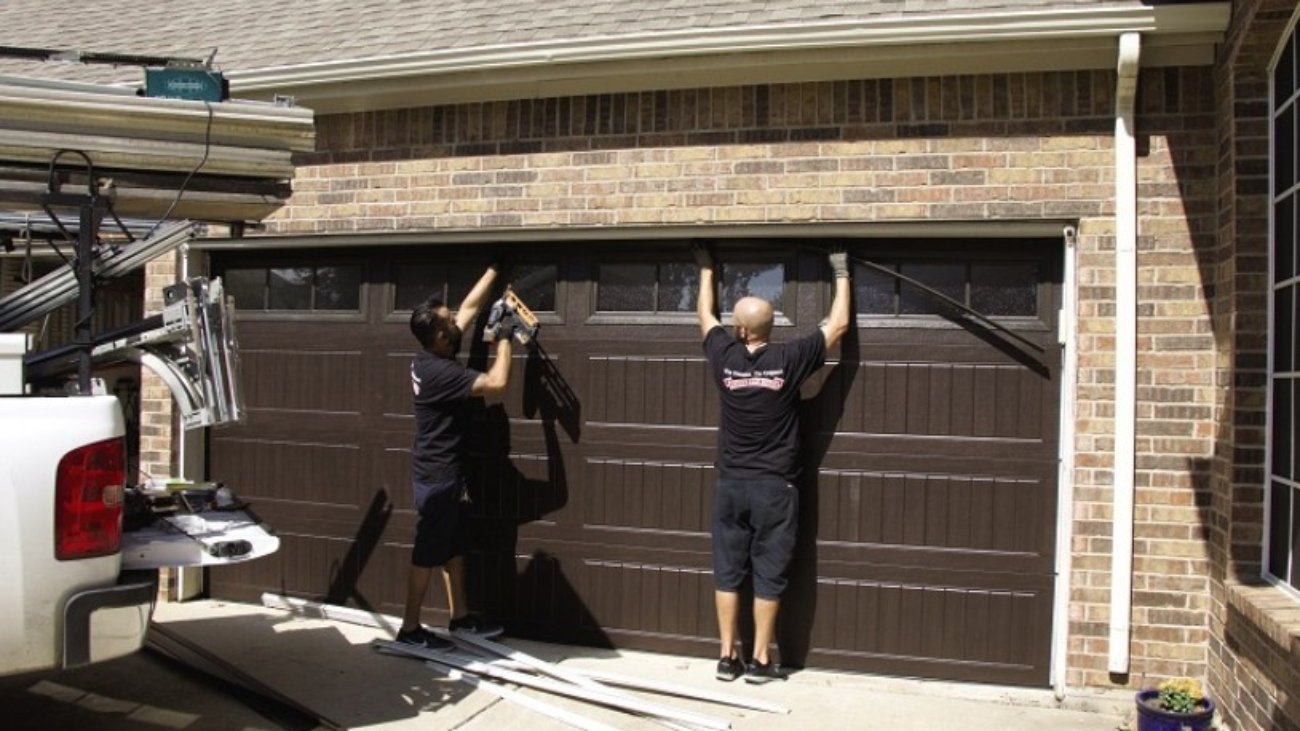
A well-maintained garage door is crucial for the safety, security, and functionality of your home. Neglecting garage door maintenance can lead to costly repairs, unexpected breakdowns, and even safety hazards. At Champion Garage Door Repair, we understand the importance of regular upkeep to extend the lifespan of your garage door. In this article, we’ll share expert maintenance tips to keep your garage door running smoothly.

Why Garage Door Maintenance Matters

Your garage door is one of the most frequently used entry points in your home. Without proper care, wear and tear can lead to:

  • Malfunctioning mechanisms(springs, cables, rollers)
  • Increased energy billsdue to poor insulation
  • Safety risks, especially for children and pets
  • Costly repairsor premature replacement

Regular garage door maintenance ensures smooth operation, enhances security, and prevents unexpected breakdowns.

Essential Garage Door Maintenance Tips

Follow these expert maintenance tips from Champion Garage Door Repair to keep your garage door in top condition:

  1. Inspect and Lubricate Moving Parts

The rollers, hinges, springs, and tracks need regular lubrication to reduce friction and prevent wear. Use a silicone-based or lithium grease for best results. Avoid WD-40, as it attracts dust and grime.

  1. Check and Tighten Hardware

Over time, vibrations can loosen bolts, nuts, and screws. Inspect and tighten all hardware, including brackets and track fasteners, every six months.

  1. Test the Door Balance

An unbalanced garage door strains the opener and can lead to premature failure. To test:

  • Disconnect the opener by pulling the release handle.
  • Manually lift the door halfway—if it doesn’t stay in place, the springs may need adjustment.

Champion Garage Door Repair recommends professional spring adjustments due to their high tension and potential danger.

  1. Examine Weather Stripping

The rubber seal at the bottom of your garage door prevents drafts, pests, and water damage. If cracked or brittle, replace it to maintain insulation and protection.

  1. Clean and Align the Tracks

Dirt and debris can obstruct the tracks, causing misalignment. Wipe them clean with a damp cloth and ensure they are properly aligned for smooth operation.

  1. Test Safety Features

Modern garage doors have auto-reverse mechanisms to prevent accidents. Test them monthly:

  • Place a wooden block in the door’s path—it should reverse upon contact.
  • Check the photo-eye sensors by waving an object while closing—the door should stop and reverse.
  1. Schedule Professional Inspections

While DIY garage door maintenance helps, an annual inspection by Champion Garage Door Repair ensures all components are in optimal condition. Our experts can spot issues before they escalate.

When to Call Champion Garage Door Repair

Some tasks require professional expertise, such as:

  • Spring replacements(torsion or extension springs are under high tension)
  • Cable repairs(frayed or broken cables are hazardous)
  • Opener malfunctions(motor or circuit board issues)
  • Track realignment(bent tracks hinder smooth movement)

Ignoring these problems can lead to further damage or injuries. Trust Champion Garage Door Repair for safe, reliable service.

Conclusion

Regular garage door maintenance saves money, enhances safety, and prolongs your door’s lifespan. By following these maintenance tips, you can avoid unexpected breakdowns and keep your garage door operating efficiently. For professional inspections and repairs, contact Champion Garage Door Repair—your trusted partner in garage door care.

The Ultimate Guide to Wood Fence: Benefits, Types, and Maintenance

The Ultimate Guide to Wood Fence: Benefits, Types, and Maintenance

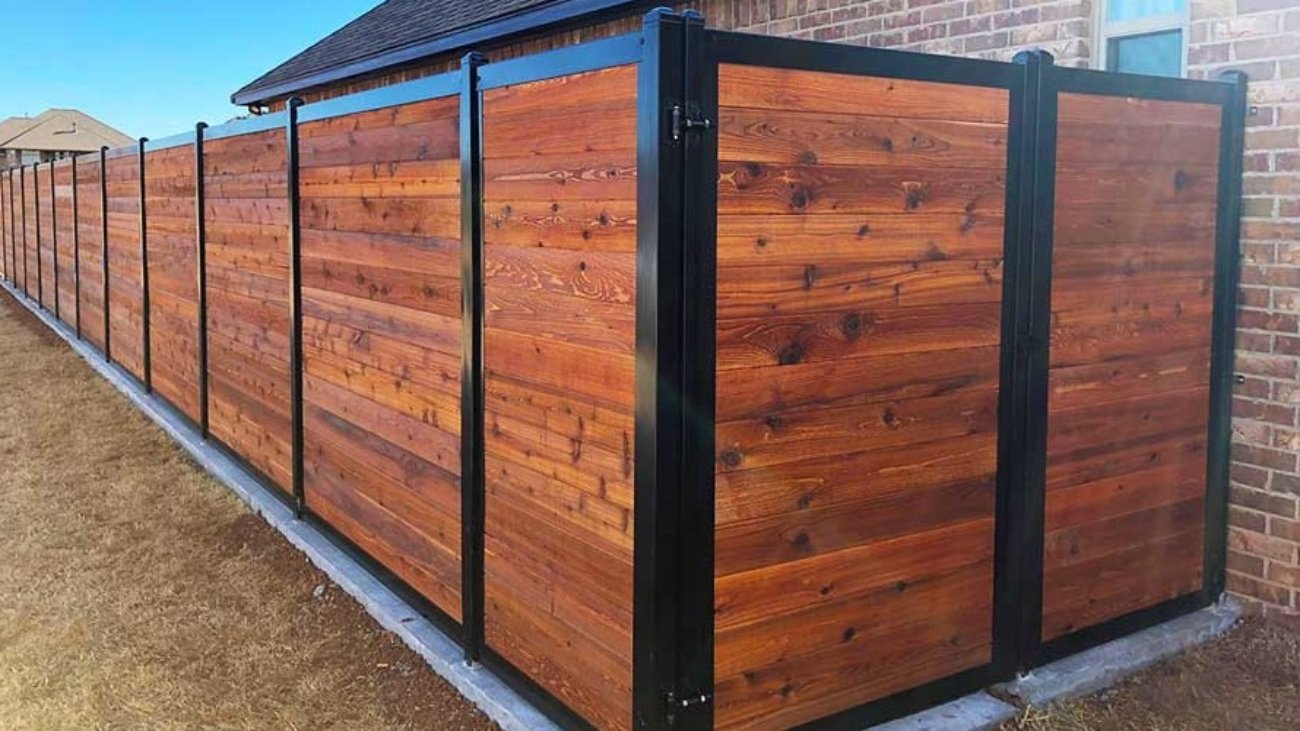
A wood fence is a timeless and versatile choice for homeowners looking to enhance privacy, security, and curb appeal. Whether you’re considering a classic picket fence or a sturdy privacy fence, wood fence options provide natural beauty and durability. In this guide, we’ll explore the benefits, different types, installation tips, and maintenance practices to keep your wood fence looking great for years.

Why Choose a Wood Fence? Key Benefits

  1. Natural Aesthetic Appeal

A wood fence blends seamlessly with outdoor landscapes, offering a warm and organic look that complements gardens, yards, and rustic home designs.

  1. Customizable Design Options

Unlike metal or vinyl fences, a wood fence can be easily stained, painted, or carved to match your home’s style.

  1. Durability and Strength

High-quality woods like cedar, redwood, and pressure-treated pine resist rot, insects, and weathering, ensuring long-lasting performance.

  1. Eco-Friendly Choice

Wood is a renewable resource, making it an environmentally friendly fencing option compared to synthetic materials.

  1. Enhanced Privacy and Security

Tall wood fence panels create a solid barrier, keeping unwanted intruders out while providing a secluded outdoor space.

Popular Types of Wood Fence

  1. Picket Fence
  • Classic and charming
  • Ideal for front yards and decorative borders
  • Typically made from cedar or pine
  1. Privacy Fence
  • Tall panels (6-8 feet) with no gaps
  • Perfect for backyards and pool areas
  • Often constructed with cedar or pressure-treated wood
  1. Split Rail Fence
  • Rustic and open design
  • Great for large properties and rural settings
  • Uses rough-cut timber for a natural look
  1. Lattice Fence
  • Decorative and partially see-through
  • Ideal for garden trellises and patio enclosures
  • Can be paired with climbing plants
  1. Shadow Box Fence
  • Alternating panels for a semi-private effect
  • Allows airflow while maintaining privacy
  • Commonly used in suburban homes

How to Install a Wood Fence

Step 1: Plan and Measure

  • Check local zoning laws for height restrictions.
  • Mark fence lines with stakes and string.

Step 2: Gather Materials

  • Choose durable wood fencematerials (cedar, redwood, or pressure-treated pine).
  • Purchase posts, panels, nails, and concrete for stability.

Step 3: Set the Posts

  • Dig holes (at least 2 feet deep) for fence posts.
  • Secure posts with concrete and allow them to set.

Step 4: Attach Rails and Panels

  • Install horizontal rails between posts.
  • Nail or screw fence panels into place.

Step 5: Apply Finishing Touches

  • Stain or paint the wood fencefor protection.
  • Add post caps for a polished look.

Maintaining Your Wood Fence

  1. Regular Cleaning
  • Use a mild detergent and water to remove dirt and mildew.
  • A power washer (on low setting) can help deep-clean wood.
  1. Staining and Sealing
  • Apply a water-resistant stain every 2-3 years.
  • Use a UV-protective sealant to prevent fading.
  1. Inspect for Damage
  • Check for loose boards, rot, or insect damage.
  • Replace damaged sections promptly.
  1. Prevent Moisture Damage
  • Ensure proper drainage around the fence base.
  • Trim nearby plants to reduce moisture retention.

Conclusion

A wood fence is a fantastic investment for any property, offering beauty, privacy, and durability. By selecting the right type of wood, following proper installation steps, and maintaining it regularly, your wood fence will remain sturdy and attractive for decades. Whether you prefer a charming picket fence or a solid privacy barrier, wood provides unmatched versatility and natural appeal.

Kitchen Remodelers in San Diego Share the Most Valuable Upgrades for 2025

Kitchen Remodelers in San Diego Share the Most Valuable Upgrades for 2025

The kitchen has become more than just a place to cook—it’s where families gather, friends connect, and everyday life happens. As we enter 2025, homeowners are looking for upgrades that offer both style and long-term value and function. Whether planning a full renovation or just a few changes, knowing where to focus your efforts can make a big difference.

Trends are always changing, but the best kitchen remodels combine modern features with timeless function. That’s why we asked experienced kitchen remodelers in San Diego to share the most valuable upgrades they’re seeing this year. These aren’t just popular—they’re practical, future-proof, and proven to improve how your kitchen works and feels.

If you’re considering a project, trusted kitchen remodelers in San Diego can help you prioritize changes that make the biggest impact without getting lost in short-lived trends.

Smart Storage Solutions

One of the top upgrades homeowners want is better storage, and for good reason. Cluttered counters and overstuffed cabinets make any kitchen harder to use. Kitchen remodelers say smart storage systems are a game-changer. These include:

  • Pull-out pantry shelves 
  • Deep drawers for pots and pans 
  • Corner cabinet organizers 
  • Vertical dividers for baking sheets 
  • Hidden spice racks 

Not only do these solutions improve organization, but they also make your kitchen more enjoyable to cook and live in.

Large Kitchen Islands

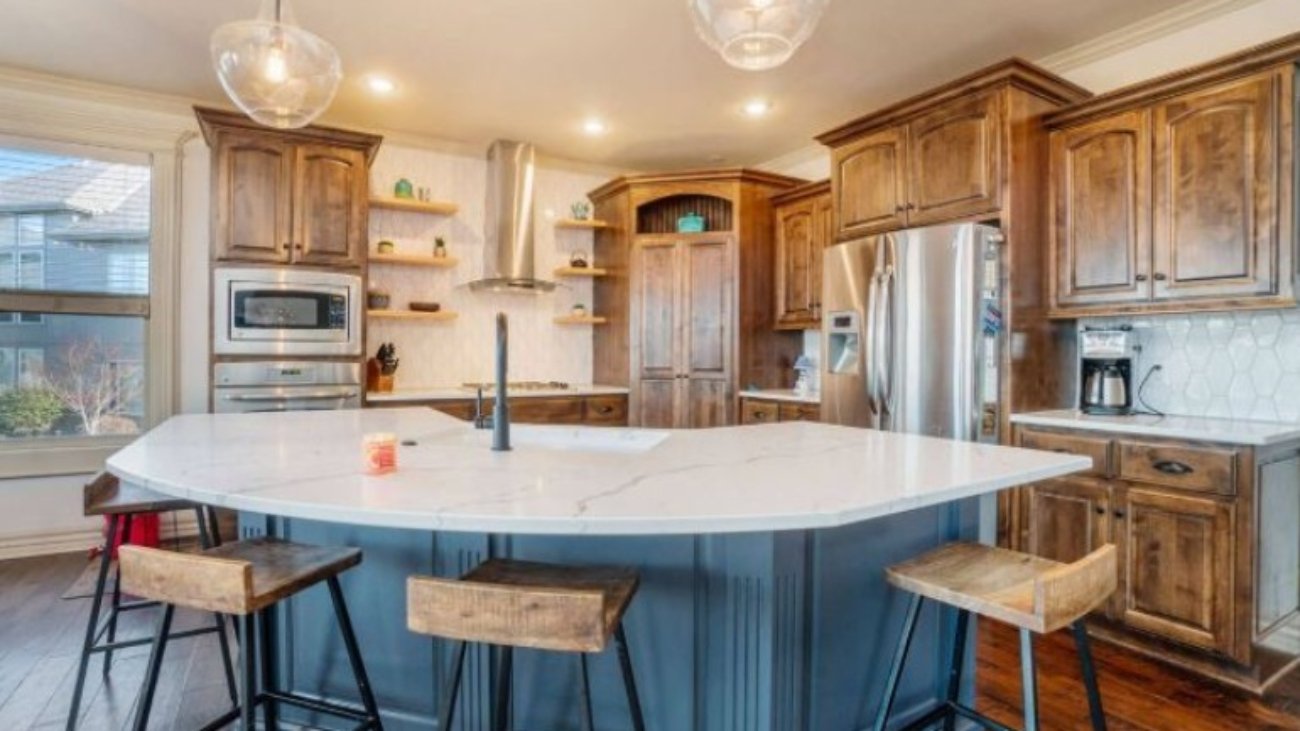
Islands continue to be one of the most requested features in 2025. But today’s islands do more than add counter space. Kitchen remodelers are designing oversized islands that include seating, extra storage, and even built-in appliances like microwaves or beverage fridges.

A well-designed island becomes the kitchen’s heart, perfect for meal prep, homework, casual meals, or hosting guests.

Energy-Efficient Appliances

Energy-efficient appliances aren’t just good for the environment but great for long-term savings. Homeowners are upgrading to refrigerators, dishwashers, and ovens with smart features, better insulation, and more precise controls.

Kitchen remodelers recommend looking for Energy Star-rated appliances that offer lower operating costs and advanced performance. Bonus: newer models also tend to be quieter and better-looking.

Durable, Low-Maintenance Countertops

Your countertops take a lot of wear, so it’s no surprise they’re a top upgrade. Kitchen remodelers in San Diego say quartz continues to be the most popular material in 2025. It’s durable, scratch-resistant, and easy to clean. Unlike natural stone, it doesn’t require sealing or special cleaners.

Other trending options include recycled glass, solid surfaces, and porcelain slabs. Each offers a unique style, benefits, and durability for busy households.

LED Lighting Enhancements

Lighting can completely change the look and feel of your kitchen. Remodelers emphasize layered lighting—ambient, task, and accent lighting—to brighten work areas and set the mood.

Upgrades include under-cabinet lights, recessed ceiling lights, and pendant fixtures above islands. LED options are energy-efficient, long-lasting, and available in various styles and color tones.

Custom Cabinetry

Custom cabinets are a big investment but offer unmatched flexibility and design. Instead of making do with awkward corners or too-small drawers, remodelers help homeowners design cabinetry that fits their space and lifestyle.

Popular features include soft-close doors, built-in trash bins, pull-out pantries, and drawer dividers. Some remodelers also incorporate open shelving for a balanced, modern look.

Updated Backsplashes

The backsplash has gone from a basic feature to a focal point of kitchen design. In 2025, kitchen remodelers are seeing more homeowners choose full-height backsplashes that extend to the ceiling or behind open shelving.

Materials like ceramic tile, glass, and natural stone remain popular. Bolder patterns and textures are on the rise, helping to add personality to the kitchen without overwhelming it.

Hands-Free Faucets and Smart Features

Technology is making its way into every corner of the home, including the kitchen. One of the top upgrades? Touchless faucets and smart water dispensers. These reduce mess, save water, and add a sleek, modern feel to your sink area.

Kitchen remodelers also note growing interest in smart lighting, voice-activated appliances, and digital cooking assistants integrated into ovens and cooktops.

Flooring That Lasts

New flooring can completely transform your kitchen’s look while improving comfort and function. Remodelers are installing more luxury vinyl plank (LVP), which mimics wood or stone but is waterproof, scratch-resistant, and easy to maintain.

For homeowners who prefer natural materials, engineered hardwood and tile are still great options with long-lasting appeal.

Final Thoughts

The best kitchen upgrades are the ones that balance function, comfort, and style, while adding long-term value to your home. From smart storage and lighting to durable materials and tech-savvy features, there are many ways to create a space that works better for you and your family.

If you’re planning a renovation this year, working with experienced kitchen remodelers ensures your project is thoughtful, practical, and tailored to your goals.

For homeowners looking to start their dream kitchen transformation, San Diego Kitchen Renovation Pros is here to help. Our team of expert kitchen remodelers in San Diego can guide you through every step—from layout design to material selection and final installation. Contact us today to schedule your consultation and take the first step toward your ideal kitchen.

The Cheapest Ways to Address Minor Home Foundation Repair Problems in Fishers Before They Grow

The Cheapest Ways to Address Minor Home Foundation Repair Problems in Fishers Before They Grow

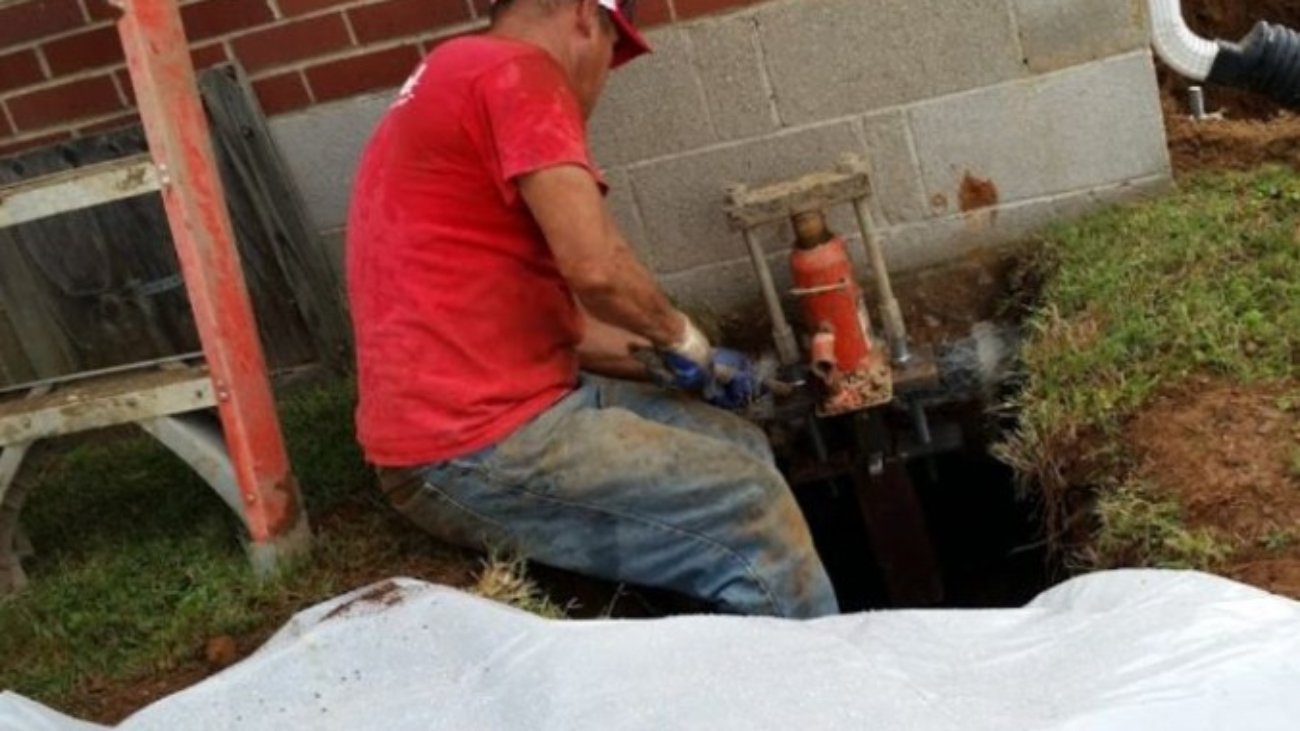
Your home’s foundation is one of its most important structural components. Even small problems like cracks or uneven floors can become costly if left alone. Luckily, if you catch these signs early, there are affordable ways to take care of them before major repairs are needed.

Taking early action not only protects your home’s value, but it can also save you thousands of dollars. This blog is written to help homeowners understand how to handle home foundation repair in Fishers without stretching their budget. With a little awareness and the right steps, you can keep your home stable, safe, and secure.

Why Small Foundation Problems Matter

It’s easy to overlook a small crack in the basement wall or a slightly sloping floor. But these small signs often point to bigger problems underneath. Over time, minor damage can grow, affecting the structural integrity of your home.

Foundation issues can lead to:

  • Sticking doors or windows. 
  • Uneven or sagging floors. 
  • Cracks in drywall or brick. 
  • Water seepage in the basement. 
  • Pest infestations through small gaps. 

Early home foundation repair can stop these problems in their tracks—before they require more invasive and expensive fixes.

What Causes Minor Foundation Issues?

Understanding the cause of foundation trouble helps you choose the right solution. Here are the most common reasons for small foundation problems:

  • Soil shifting or settling under the foundation. 
  • Poor drainage leads to water pooling near the home. 
  • Tree roots are growing too close to the foundation. 
  • Freeze-thaw cycles cause soil movement. 
  • Normal wear and age of the home’s structure. 

The good news? If you act quickly, many of these problems can be corrected early without expensive repairs.

Affordable Ways to Handle Small Foundation Problems

1. Improve Drainage Around Your Home

Water is a major enemy of a healthy foundation. Ensure your gutters are clean and that downspouts are directing water at least 6 feet away from your house. Poor drainage leads to soil erosion or oversaturation, which can cause shifting and cracks.

Adding inexpensive drainage solutions—like splash blocks, extensions, or gravel trenches—can protect your foundation from water damage.

2. Regrade the Soil

Over time, soil around your home may settle and slope toward the foundation. This allows water to pool around the base of your house. The soil is a simple fix that can often be done with a shovel and a few bags of topsoil.

Ensure the ground slopes away from your home by at least 6 inches over the first 10 feet. This helps keep moisture from seeping into the foundation.

3. Seal Small Cracks Yourself

Applying a concrete patch or sealant can stop moisture and pests from entering for very small, non-structural cracks (usually less than 1/4 inch wide). Many hardware stores carry foundation crack repair kits that are easy to use and cost-effective.

However, if the crack reopens or grows over time, it’s best to call a professional for a full assessment.

4. Install a Dehumidifier

Basement or crawl space moisture can lead to foundation problems like wood rot, mold, or erosion. A dehumidifier helps control indoor humidity and prevents moisture buildup. This simple tool can help protect your home’s foundation while improving air quality and comfort.

You don’t need a high-end model—many basic units are affordable and energy efficient.

5. Remove Problem Trees or Roots

Tree roots that grow too close to your foundation can pressure the walls and absorb moisture from the soil, causing it to shift. If you notice signs of root damage or cracking near trees, consider hiring a professional to trim or remove them.

Root barriers can be installed as a low-cost solution to keep roots from spreading into the foundation zone.

6. Monitor Foundation Movement

Installing small crack monitors or measuring changes over time is an inexpensive way to track foundation issues. Keeping a photo log and noting shifts every few months helps you catch changes early, before major settling occurs.

You can schedule home foundation repair before damage becomes extensive by staying alert.

7. Schedule an Affordable Inspection

Some companies offer low-cost or even free foundation inspections. A professional can identify early warning signs and recommend simple, budget-friendly solutions to stabilize the home. Catching issues now can prevent large-scale repairs later.

Getting a professional opinion also provides peace of mind that you’re not missing something serious.

When to Call in the Pros

While minor problems can often be handled independently, knowing when to contact a professional is important. Here are signs that your issue might need expert help:

  • Cracks wider than 1/4 inch. 
  • Cracks that grow over time. 
  • Uneven or bowing walls. 
  • Doors and windows that won’t open or close. 
  • Water is pooling inside the basement or crawl space. 

Getting professional help early can prevent structural damage and reduce the overall cost of repairs.

Conclusion

Foundation problems don’t always require major repairs, especially if you catch them early. With simple, cost-effective fixes like improving drainage, sealing small cracks, and regrading your yard, you can protect your home without a huge price tag.

Smart maintenance and regular check-ins are the best way to avoid more serious foundation issues. Now is the perfect time to act if you’re unsure where to start or have noticed signs of trouble.

Homeowners looking for trusted, affordable solutions can rely on Expert Foundation Repair Fishers. Their team offers expert assessments and practical repairs designed to fit your budget. Contact them today to schedule an inspection and keep your home strong for years.