How Long Do Foundation Repair Services Take? Timeline and What to Expect

How Long Do Foundation Repair Services Take? Timeline and What to Expect

Foundation problems can be a big concern for homeowners. Cracks in walls, uneven floors, and doors that won’t close right are often signs that something is wrong beneath the surface. The good news is that most foundation issues can be fixed with the right help. Still, one of the first questions people ask is, “How long will this take?”

The answer depends on the type of damage, the size of your home, the repair method used, and even the weather. Whether you’re planning ahead or already facing foundation issues, knowing what to expect can help you feel more confident and prepared throughout the process.

For those looking into foundation repair services in Round Rock, it’s important to understand the repair timeline to schedule your project with as little disruption to your daily life as possible.

Why Foundation Repair Time Varies

There’s no one-size-fits-all answer to how long foundation repair will take. Some jobs can be finished in a day or two, while others may take up to two weeks or more. Here are a few factors that can affect the repair timeline:

  • Extent of the damage: Minor cracks or settling may take only a few hours to fix. Major structural problems take longer.

  • Type of repair method: Piering, slab jacking, and sealing take different amounts of time.

  • Home size and layout: Larger homes or those with complicated layouts can take longer.

  • Soil conditions: Unstable or shifting soil may require additional work.

  • Weather conditions: Rain, extreme heat, or freezing temperatures can delay outdoor repairs.

Knowing which repair method is being used—and why—can give you a clearer idea of how long your specific project might take.

Common Foundation Repair Methods and Timelines

Different homes require different solutions. Here’s a breakdown of the most common types of foundation repair services and how long each one typically takes:

Concrete Pier Installation

This method involves digging holes and inserting concrete piers beneath your foundation to stabilize it. It is widely used in areas with unstable soil and usually takes 2–4 days, depending on how many piers are needed.

Steel Pier Installation

Steel piers are driven deep into the ground until they hit bedrock. They offer a permanent fix for homes with severe settling. Because they require heavy equipment and precise installation, this process usually takes 3–5 days.

Slabjacking (Mudjacking)

Slabjacking involves pumping a cement-like mixture under the foundation to lift it back into place. It’s used for sunken slabs and usually takes 1–2 days to complete. It’s one of the quicker methods, especially for minor issues.

Helical Piers

These are similar to steel piers but have a screw-like design that makes them ideal for lighter structures or where space is tight. Depending on access and soil conditions, installation can take 2–3 days.

Crack Repair and Sealants

Contractors may use epoxy injections or sealants if the issue is limited to surface-level cracks or water seepage. These minor repairs can usually be done in a few hours to one full day.

What to Expect During the Process

Understanding what happens during foundation repair services can help ease any concerns. Here’s a general overview of what the timeline might look like:

1. Initial Inspection (1 Day)

The first step is a thorough inspection. A foundation expert will evaluate your home, measure elevation changes, and look for signs of damage inside and outside. Afterward, they’ll recommend the best course of action.

2. Planning and Scheduling (1–7 Days)

Once the problem is diagnosed, your contractor will develop a repair plan and schedule a start date. This might happen quickly for urgent repairs. But you may need to wait a few days or a week to begin in busy seasons.

3. Site Preparation (1 Day)

The team will mark the work area, remove any obstructions like landscaping or concrete, and set up equipment. This step ensures the area is safe and ready for repair.

4. Repair Work (1–10 Days)

The repair work can take anywhere from one day to over a week. As mentioned earlier, this depends on the method used and the extent.

5. Cleanup and Final Inspection (1 Day)

Once the repair is complete, the crew will fill holes, relevel surfaces, and clean up the worksite. A final inspection will make sure everything is stable and secure.

Can You Stay in Your Home During Repairs?

In most cases, yes. Most foundation repair services allow you to stay home throughout the process. The work is usually done outside or in crawl spaces so you can go about your day with minimal disruption.

However, if large sections of flooring need to be removed or heavy machinery is being used indoors, you might want to make temporary arrangements. Your contractor will inform you if any part of the home will be off-limits.

How to Keep Your Repair on Track

To help ensure your foundation project finishes on time, here are a few tips:

  • Schedule during dry seasons, if possible. Heavy rain can slow outdoor work.

  • Move outdoor furniture or plants away from the work area before the crew arrives.

  • Communicate clearly with your contractor about your schedule and any concerns.

  • Ask questions about how weather or soil issues might affect your specific repair.

Most reputable companies aim to complete repairs efficiently without cutting corners. Staying informed and prepared helps the process run smoothly.

Final Thoughts

Foundation problems can feel overwhelming, but they’re manageable with the right plan and team. Most foundation repair services can be completed in a few days, especially when addressed early. Knowing the general timeline—and what can affect it—helps you stay in control and avoid surprises.

If you’re ready to restore your home’s stability, Round Rock Foundation Repair Specialists are here to help. They offer trusted foundation repair services in Round Rock with prompt service, clear timelines, and long-lasting results. Contact them today to schedule an inspection and confidently start your project.
Foundation Repair Contractors Explain When It’s Time to Address Cracks

Foundation Repair Contractors Explain When It’s Time to Address Cracks

Cracks in your home’s foundation might seem small, but they can signal serious issues developing beneath the surface. While some cracks are harmless and purely cosmetic, others can lead to structural problems that affect your entire home. Knowing the difference—and acting at the right time—can save you from costly repairs later.

Foundation damage doesn’t happen overnight. It builds up slowly, often starting with small shifts in soil, temperature changes, or moisture buildup. These shifts create stress on your foundation, which can result in visible cracks on basement walls, slabs, or exterior brickwork. That’s why regular monitoring and early attention are so important.

According to experienced foundation repair contractors in St. Louis, ignoring cracks or waiting too long to act is one of the biggest mistakes homeowners make. Timely inspections and repairs can prevent bigger issues, protect your home’s value, and provide peace of mind.

Not All Cracks Are Equal

It’s easy to panic when you see a crack in your foundation, but not all are cause for concern. Professionals often look at a few key things when evaluating cracks:

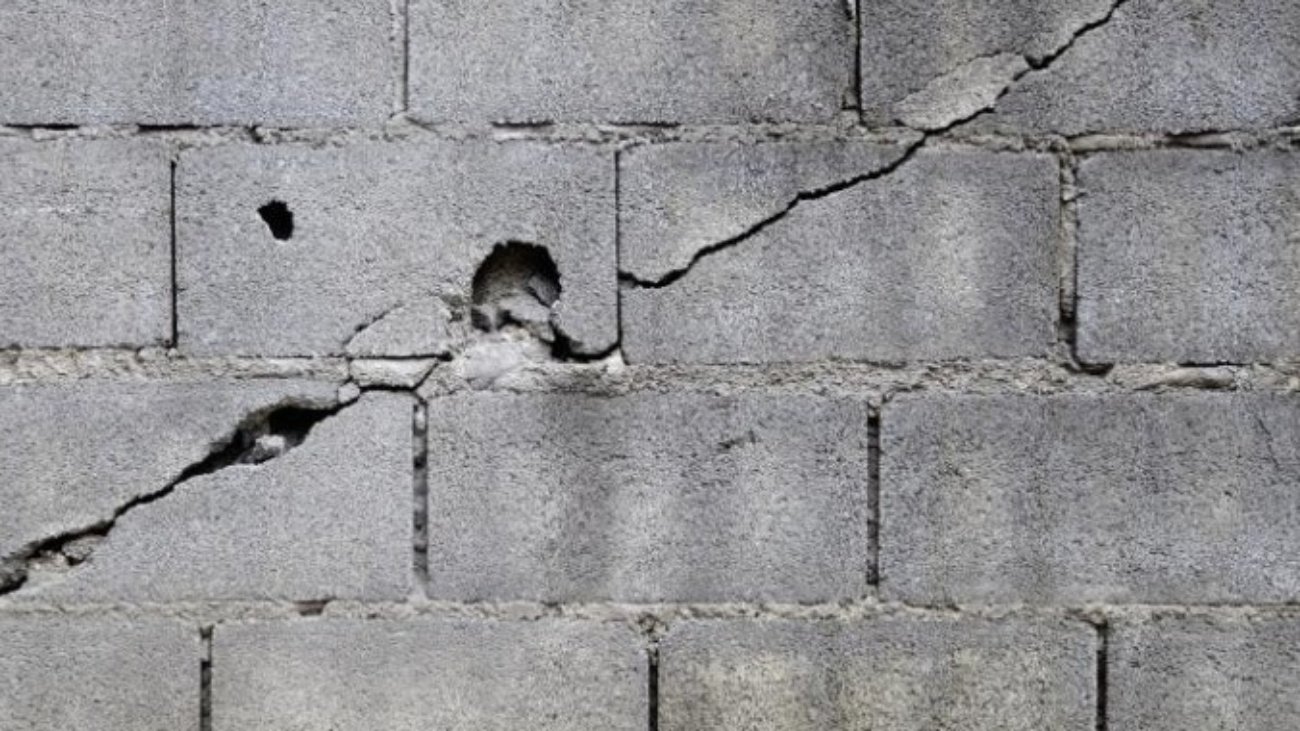
  • Width: Hairline cracks less than 1/8 inch wide are usually not urgent. Wider cracks can indicate movement or shifting.

  • Direction: Vertical cracks may result from normal settling, while diagonal or horizontal cracks are more likely to point to structural issues.

  • Length and pattern: Cracks that continue to grow or appear in a stair-step pattern in brickwork should be examined closely.

  • Location: Cracks near doors, windows, or corners may show that the house is shifting unevenly.

Contractors recommend taking pictures of any cracks and tracking changes over time. If a crack grows or new ones appear, it’s time to get a professional opinion.

Common Causes of Foundation Cracks

Understanding why cracks form can help you know what to look for. Some of the most common causes include:

  • Soil movement: Expansive soils expand with moisture and shrink when dry. This back-and-forth movement puts stress on the foundation.

  • Poor drainage: Water that pools near the foundation can weaken the soil and cause shifting.

  • Tree roots: Roots from large trees can push against your foundation over time.

  • Plumbing leaks: A broken pipe under or near the home can soften the soil and lead to settlement.

  • Construction flaws: Poor construction or subpar materials can lead to early signs of cracking.

Foundation repair contractors are trained to identify the source of the problem, not just the symptoms. This helps ensure the repair plan addresses the root cause, not just the visible damage.

When Should You Call a Foundation Repair Contractor?

While seeing small cracks in any home is normal, certain signs mean it’s time to bring in the experts. Here’s when you shouldn’t wait:

1. Cracks Are Wider Than 1/4 Inch

This often indicates more than just cosmetic wear. Cracks of this size can allow moisture or pests into your basement or crawl space.

2. Cracks Are Spreading or Changing Shape

If you notice a crack getting longer, wider, or showing gaps at the edges, it’s a sign that movement is still happening.

3. You Notice Uneven Floors or Sticking Doors

Foundation shifts can cause your floors to slope or your doors and windows to stick. These symptoms are often more reliable than visual cracks alone.

4. Water Is Entering Through Cracks

Any sign of water coming through foundation cracks is a major concern. Moisture can lead to mold, rot, and further structural weakening.

5. You’re Planning a Major Renovation

If you’re remodeling a kitchen or finishing a basement, it’s smart to make sure your foundation is stable first. An inspection will reveal any hidden issues before you invest in upgrades.

The Benefits of Early Foundation Repair

Foundation issues rarely get better on their own. The longer you wait, the more expensive and disruptive repairs can become. Addressing cracks early:

  • Prevents damage from spreading

  • Improves your home’s value and safety

  • Protects your basement from water damage

  • Provides peace of mind for future buyers

  • Avoids larger repairs like wall replacement or house leveling

Foundation repair contractors also emphasize that early intervention often means smaller, less invasive repairs, like injecting sealants or installing piers in limited areas, rather than large-scale work.

What to Expect From a Foundation Inspection

If you’re unsure whether a crack needs attention, scheduling a professional inspection is the best first step. A contractor will:

  • Examine the inside and outside of your home

  • Measure cracks and monitor movement

  • Check for moisture issues, drainage problems, or soil instability

  • Recommend the best repair options if needed

Most inspections take less than two hours, giving you valuable information even if no repair is required.

Final Thoughts

Your foundation supports everything in your home, so it’s worth keeping an eye on. Small cracks might not seem urgent, but they can be early warning signs of deeper issues. Paying attention and calling in the experts at the right time can save you money and protect your home for the long haul.

If you’ve spotted cracks or noticed signs of shifting, St. Louis Foundation Repair & Waterproofing is here to help. Our experienced team of foundation repair contractors provides honest inspections, expert solutions, and peace of mind. Contact us today to schedule your evaluation and take the first step toward protecting your home’s foundation.

Foundation Repair and Home Insurance: What’s Covered and What’s Not?

Foundation Repair and Home Insurance: What’s Covered and What’s Not?

The foundation is one of the most important parts of your home. It supports everything above it—your walls, roof, and everything inside. But when foundation issues arise, many homeowners are left wondering: Will my home insurance cover the cost of repairs?

Understanding what your insurance policy does and does not cover regarding foundation repair is key to avoiding unexpected expenses. With the right knowledge, you can take better steps to protect your home and budget for the future.

If you’re looking into Detroit Foundation Repair options or noticing signs of foundation problems, it’s important to know how insurance plays a role. Let’s break down what you can expect regarding coverage, claims, and the importance of early action.

What Home Insurance Usually Covers

Standard homeowners insurance is designed to protect you from sudden and accidental damage. In some cases, this can include foundation damage, but only if caused by a covered event.

Common events that insurance might cover for foundation repair include:

  • Fire or explosion

  • Falling objects (like a tree falling onto your home)

  • Water damage from burst pipes (not flooding)

  • Vandalism

  • Vehicle collision into the home

  • Weight of snow or ice

Your insurance may cover if your foundation cracks because a tree falls during a storm. Depending on your policy, if a plumbing pipe bursts under your foundation and causes damage, that might also be covered.

However, every policy is different. Some types of foundation damage are excluded unless you purchase additional coverage.

What Home Insurance Does Not Cover

Unfortunately, basic insurance policies do not cover many of the most common causes of foundation problems. These include:

  • Settling or sinking over time

  • Soil movement, such as expansion or contraction

  • Normal wear and tear due to age

  • Poor construction or maintenance

  • Flooding or water intrusion from outside sources (unless you have a separate flood insurance policy)

  • Earthquakes (may require a separate earthquake policy)

In many cases, if your foundation problem results from gradual or avoidable issues, your insurer will consider it the homeowner’s responsibility to maintain the property. Insurance companies expect homeowners to prevent damage when possible through regular upkeep.

How to Find Out What Your Policy Covers

The best way to know what is covered under your current insurance is to:

  • Review your policy carefully and look for sections about dwelling protection, exclusions, and covered perils.

  • Ask your insurance agent directly about coverage for foundation repair scenarios.

  • Consider endorsements or extra coverage if you live in areas prone to flooding, earthquakes, or heavy soil movement.

Some companies offer specific riders or endorsements that add foundation protection for additional events not included in a basic policy.

The Claims Process for Foundation Repair

If your foundation damage is related to a covered event, here’s what you can typically expect:

Step 1: Document the Damage

Take clear photos of the affected area from multiple angles. Include any related interior damage, like cracked walls or uneven floors.

Step 2: Contact Your Insurance Company

Report the damage as soon as possible. The company will assign an adjuster to inspect your home.

Step 3: Get a Professional Assessment

Hire a reputable foundation repair company to assess the damage. Having a professional opinion can strengthen your claim.

Step 4: Review the Claim Decision

Your insurance company will decide if the damage is covered based on the inspection and policy details.

Step 5: Begin Repairs

Once approved, you can move forward with the repair work. Be sure to work with licensed and insured contractors to avoid future issues.

Why Acting Quickly Matters

Even if you think the damage might not be serious, addressing foundation problems quickly is important. Waiting too long can cause further damage to your home, and if an insurance company sees that you delayed necessary repairs, they may deny a claim.

Plus, the longer you wait, the more expensive and complex the repairs can become. Early action helps you preserve your home’s safety and value.

Foundation Repair and Home Value

While foundation problems can be stressful, properly repairing them can help maintain or boost your home’s value. Homes with repaired foundations often sell faster and for better prices than homes where buyers worry about unseen issues.

By investing in professional foundation repair, you fix immediate problems and protect your property’s long-term future.

Tips for Homeowners

  • Schedule regular inspections. A yearly inspection can catch early signs of trouble before they become major problems.

  • Keep good maintenance records. Showing that you maintain your property can help with insurance claims.

  • Understand your risk. Ask your agent about extra coverage if you live in an area prone to flooding or expansive soils.

  • Work with trusted professionals. Choosing experienced contractors ensures that repairs are done correctly and meet insurance standards.

Conclusion

Foundation repair is a major investment, but it’s essential for keeping your home safe and secure. While home insurance may help in certain cases, it’s important to understand the limits of your policy before damage happens. Knowing what is and isn’t covered gives you the power to plan, protect your property, and avoid unexpected costs.

When it’s time to address foundation concerns, turn to the Detroit Foundation Repair Pros experts. Their team offers trusted inspections, honest advice, and professional repairs to keep your home strong for years. Contact them today to schedule your consultation and take the first step toward peace of mind.

gas water heater Indianapolis

Understanding Gas Water Heaters: A Complete Guide

gas water heater Indianapolis

Hot water is essential for everyday living—whether it’s for a shower, washing dishes, or doing laundry. Among the most popular choices for supplying hot water in homes is the gas water heater. These systems are efficient, cost-effective, and provide consistent hot water for various household needs. In this article, we’ll explore what gas water heaters are, how they work, their pros and cons, maintenance tips, and how they compare to electric and tankless models.

What Is a Gas Water Heater?

A gas water heater uses natural gas or propane to heat water for domestic use. It typically consists of a storage tank that holds and heats a specified volume of water. When the water temperature falls below the set point, a gas burner located beneath the tank ignites, heating the water until it reaches the desired temperature.

The key components of a standard gas water heater include:

  • Cold water inlet pipe
  • Gas burner and pilot light (or electronic ignition)
  • Thermostat
  • Flue pipe for venting exhaust gases
  • Hot water outlet
  • Anode rod (to reduce corrosion)
  • Temperature and pressure relief valve

Gas water heaters are a common choice in areas where natural gas is readily available, offering faster heating times and lower operating costs compared to electric models.

How Gas Water Heaters Work

The operation of a gas water heater is relatively straightforward:

  1. Water Entry: Cold water enters the tank through the dip tube and settles at the bottom.
  2. Heating Process: The thermostat senses the water temperature. If it falls below the set threshold, it triggers the gas control valve.
  3. Ignition: The pilot light or electric igniter lights the burner, which heats the water at the bottom of the tank.
  4. Heat Distribution: Hot water rises naturally to the top of the tank due to convection. This is where it is drawn from when needed.
  5. Exhaust Venting: Combustion gases are vented outside the home through a flue or power venting system.

Advantages of Gas Water Heaters

Gas water heaters offer numerous benefits, making them a preferred choice for many homeowners:

1. Faster Heating Time

Gas heaters can warm up water faster than electric models. This is particularly useful for households with high hot water demand.

2. Lower Operating Costs

Natural gas is typically less expensive than electricity, leading to lower monthly energy bills.

3. Efficient Recovery Rate

Gas water heaters recover more quickly after hot water has been depleted, which means shorter wait times between showers or loads of laundry.

4. Functionality During Power Outages

Many gas water heaters with a pilot light (instead of electronic ignition) can operate without electricity, providing hot water during power failures.

Potential Drawbacks

Despite the advantages, there are also some downsides to consider with gas water heaters:

1. Higher Initial Cost

Gas models usually cost more upfront compared to electric units, particularly when including venting and gas line installation.

2. Ventilation Requirements

Proper venting is necessary to safely expel combustion gases. This can complicate installation and increase costs.

3. Maintenance Needs

Gas units may require more maintenance, including regular inspection of the burner and venting system.

4. Safety Concerns

As with any gas appliance, there’s a risk of gas leaks or carbon monoxide exposure. Regular maintenance and carbon monoxide detectors can mitigate this risk.

Installation Considerations

Installing a gas water heater should always be handled by a licensed professional due to safety and code compliance. Here are some key points:

  • Location: Should be in a well-ventilated area with proper clearance around the unit.
  • Venting: Must be connected to a properly sized and maintained flue or venting system.
  • Gas Supply Line: Needs to be adequate in size and pressure.
  • Permits and Codes: Local building codes often require permits and inspections.
  • Drainage: Provisions should be made for draining the tank during maintenance or replacement.

Maintenance Tips

Routine maintenance can extend the lifespan and efficiency of a gas water heater:

  1. Flush the Tank Annually: Sediment build-up can reduce efficiency and damage the tank. Draining a few gallons from the bottom of the tank each year helps keep it clean.
  2. Check the Anode Rod: This rod protects the tank from rust. Inspect it every 2–3 years and replace it if more than 50{2680930ab47c96c07a09b38d730628edb7a7c0fcad89ea835a7d67995743eea2} is corroded.
  3. Inspect the Venting: Make sure the flue pipe is unobstructed and securely attached.
  4. Test the T&P Valve: Lift the valve lever to ensure it releases water. Replace if it’s not functioning properly.
  5. Monitor the Pilot Light: Make sure it’s burning with a strong blue flame. A yellow flame may indicate incomplete combustion or a dirty burner.

Comparing Gas to Other Water Heaters

Gas vs. Electric

  • Efficiency: Electric heaters tend to be more energy-efficient in converting energy to heat, but gas is cheaper to operate.
  • Recovery Time: Gas wins in faster heating and recovery.
  • Installation: Electric units are easier to install and don’t require venting.

Gas vs. Tankless

  • Energy Use: Tankless units heat water on demand, reducing standby energy loss.
  • Cost: Tankless systems have a higher upfront cost but can offer long-term savings.
  • Space Saving: Tankless units are compact and ideal for small spaces.
  • Flow Rate: Traditional tank heaters may provide more consistent flow for multiple simultaneous uses.

Lifespan and Warranty

Most gas water heaters last about 8 to 12 years, depending on water quality and maintenance. Many manufacturers offer warranties ranging from 6 to 12 years. Upgrading to a model with a longer warranty often includes better parts and components.

Energy Efficiency and Ratings

When selecting a gas water heater, look for the Energy Factor (EF) or Uniform Energy Factor (UEF) rating. Higher numbers indicate better efficiency. Some modern models are ENERGY STAR® certified and include features like:

  • Better insulation
  • Electronic ignition
  • Condensing technology for heat recovery

Conclusion

A gas water heater Indianapolis is a reliable and cost-effective solution for supplying hot water in most homes. While it may come with a higher upfront investment and maintenance requirements, the benefits—especially in terms of operating cost and speed—make it a smart choice for many families. Whether you’re replacing an old unit or installing a water heater in a new home, understanding how gas water heaters work and how to maintain them will help ensure long-term satisfaction and performance.

Before making your decision, consult with a licensed plumber or HVAC professional to assess your home’s specific needs, energy availability, and installation requirements. With proper care, a gas water heater can deliver years of dependable service.

Exploring Birmingham’s Jewellery Quarter: A History of Craftsmanship

Exploring Birmingham’s Jewellery Quarter: A History of Craftsmanship

Exploring Birmingham’s Jewellery Quarter: A History of Craftsmanship

The Jewellery Quarter in Birmingham, UK, is a renowned hub of craftsmanship, where history and artistry blend seamlessly to create exquisite pieces of jewellery, including the highly sought-after engagement rings Birmingham is famous for. This vibrant district has a rich history, rooted in the Industrial Revolution, which shaped its development as a global centre for jewellery making. In this article, we explore the fascinating journey of the Jewellery Quarter, from its humble beginnings to its status as a thriving epicenter of design, innovation, and skilled craftsmanship.

The Jewellery Quarter’s history dates back to the 16th century when Birmingham first gained prominence for its metalworking industries. However, it was during the 18th century, when the Industrial Revolution took full effect, that the Jewellery Quarter truly began to take shape. As new technologies were introduced, including steam power and machinery, the district became a hub for skilled artisans, many of whom specialized in jewellery design and manufacture.

By the 19th century, Birmingham had earned a reputation for producing high-quality jewellery, including watches, brooches, and engagement rings. The area quickly became home to numerous workshops and small factories where jewellers honed their craft. The Jewellery Quarter attracted people from all over the world, and the demand for finely crafted pieces, particularly engagement rings Birmingham became known for, grew exponentially.

One of the key factors in the district’s success was the availability of precious metals and gemstones. Birmingham’s close proximity to major mining regions meant that gold, silver, and gemstones could be sourced locally, making it easier for craftsmen to create intricate pieces without having to rely on imports. This access to materials combined with the skilled workforce allowed the Jewellery Quarter to flourish, with workshops turning out everything from everyday jewellery to elaborate and bespoke engagement rings Birmingham couples have come to love.

The creation of engagement rings became particularly significant during the late 19th and early 20th centuries. The tradition of giving engagement rings, particularly diamond rings, became more widespread, and Birmingham’s jewellers played an essential role in this growing trend. The craftsmanship that went into each piece, from the setting of the diamonds to the engraving of intricate patterns, set Birmingham apart as a leader in the jewellery industry. This craftsmanship is still evident in the pieces created today, with many modern jewellers in the Jewellery Quarter continuing to use traditional techniques alongside cutting-edge technology.

The Jewellery Quarter’s architectural landscape also speaks to its rich history. The district is home to a wealth of historic buildings, many of which were once the workshops of master craftsmen. These buildings are an important part of the Quarter’s charm and offer visitors a glimpse into the past. The area has been protected as a conservation district, ensuring that its historical legacy is preserved for future generations.

Today, the Jewellery Quarter continues to be a hub of jewellery design and manufacture. While many of the district’s original workshops have evolved into modern businesses, the heart of craftsmanship remains. Many jewellers continue to operate in the area, offering a wide range of bespoke engagement rings Birmingham is renowned for. Visitors can also explore the district’s museums, galleries, and independent shops, which celebrate the art of jewellery-making and its rich history.

In conclusion, the Jewellery Quarter in Birmingham is a testament to the enduring skill and passion of its craftsmen. From its early days as a metalworking hub to its current status as a global centre for jewellery design, the district has remained an essential part of Birmingham’s cultural and economic heritage. Whether you’re looking for an engagement ring or simply interested in the history of craftsmanship, a visit to the Jewellery Quarter is an unforgettable experience that offers a glimpse into the past while celebrating the future of jewellery making.

Why Rendering House Is Important

Why Rendering House Is Important

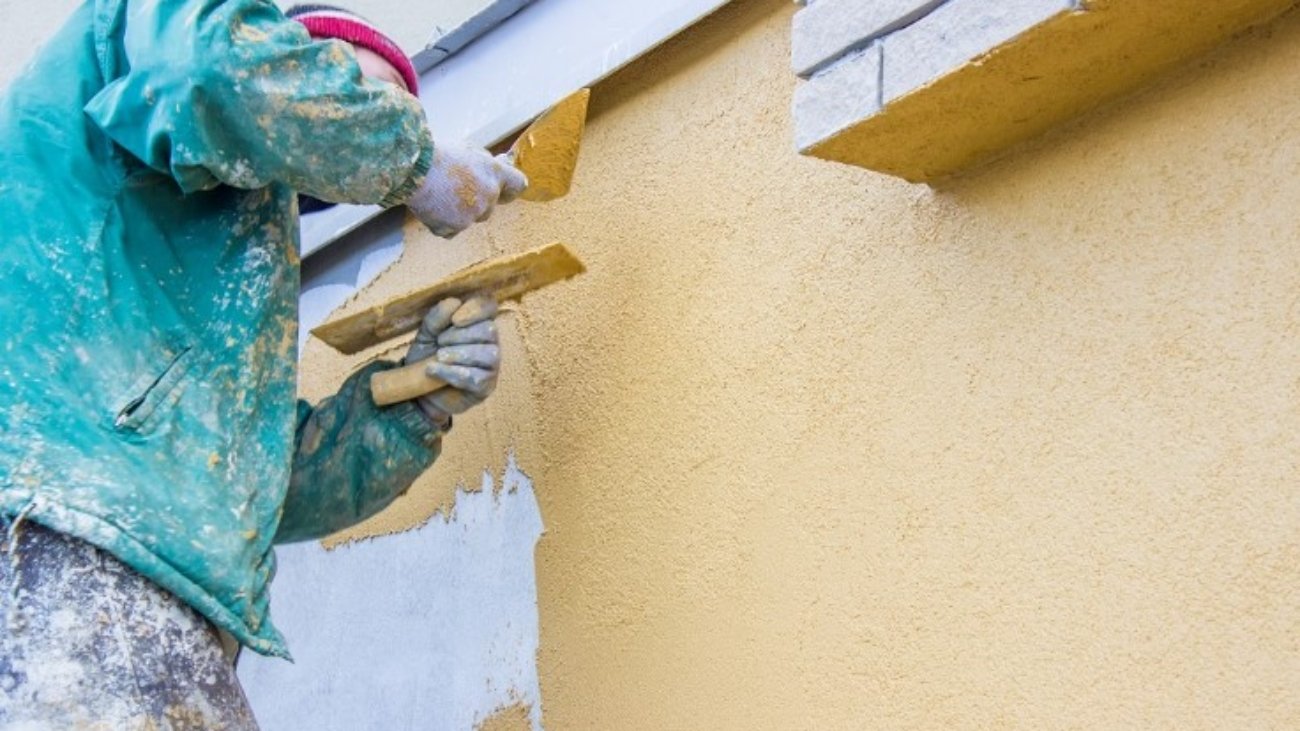
House rendering, the process of applying a specialized mixture of cement, sand, and additives to the exterior walls of a building, serves as a crucial investment for homeowners. While it enhances the aesthetics of a property, rendering is not just about improving curb appeal; it also plays a significant role in protecting your home from various external elements. In this article, we will explore the importance of house rendering and why it should be considered a valuable home improvement project.

1. Aesthetic Enhancement

One of the primary reasons homeowners opt for house rendering is to transform the appearance of their homes. Rendered exteriors offer a sleek, clean, and modern look that can greatly enhance the overall aesthetics. Rendering provides an opportunity to choose from a wide range of finishes, textures, and colors, allowing homeowners to customize the appearance of their homes to match their preferences and the architectural style of the property. This aesthetic transformation can significantly boost the curb appeal of the house, making it more visually appealing to both residents and visitors.

2. Protection Against the Elements

House rendering serves as a protective barrier for your property’s exterior walls. It acts as a shield against various external elements, including rain, wind, UV radiation, and temperature fluctuations. Here’s how rendering offers protection:

  • Moisture Resistance: A waterproof render prevents moisture from penetrating the walls. This is crucial in preventing issues like dampness, mold growth, and water damage, which can compromise the structural integrity of your home.
  • Weatherproofing: Rendering acts as a weatherproofing layer that shields your home from the effects of harsh weather conditions, including heavy rainfall, extreme temperatures, and strong winds.
  • Crack Prevention: The flexibility of mineral or silicone render helps prevent cracks in your walls, keeping them intact and durable even in challenging weather.

3. Improved Durability

Rendering contributes to the overall durability of your home. It helps protect the underlying structure of your walls, reducing the risk of deterioration over time. This increased durability translates to fewer maintenance costs and a longer lifespan for your property. With proper care and maintenance, rendered exteriors can remain in excellent condition for many years.

4. Enhanced Energy Efficiency

Energy efficiency is a growing concern for homeowners. House rendering can play a role in improving the energy efficiency of your property. By adding an additional layer of insulation to your exterior walls, rendering helps regulate indoor temperatures. This means less heat loss during the winter and a cooler interior during the summer. As a result, you’ll see reduced energy bills and enjoy a more comfortable living environment.

Conclusion

House rendering is not merely a cosmetic upgrade for your home; it’s a practical and valuable investment. It enhances aesthetics, provides protection against the elements, improves durability, enhances energy efficiency, and increases property value. Whether you’re looking to refresh the look of your home, prevent moisture-related issues, or make your property more energy-efficient, mineral or silicone render offers a range of benefits.