Greenville area real estate happenings for the week of Dec. 10, 2021 | Greenville Real Estate Special Coverage

Greenville area real estate happenings for the week of Dec. 10, 2021 | Greenville Real Estate Special Coverage

2021 Legislative Breakfast

What: The annual legislative breakfast hosted by the Greenville Chamber, featuring an introduction and overview of the legislative agenda for 2022. Program to feature former Congressmen Bob Inglis of South Carolina and Heath Shuler of North Carolina in a discussion about a business leader’s role in political debate.

When: Dec. 10, 7:30-9:30 a.m.

Where: The Westin Poinsett, 120 South Main St., Greenville

Price: $45 for Chamber investors, $65 general admission

More info: greenvillechamber.org

My First Home

What: Event teaching participants about credit, financial management, down payment assistance, home ownership programs and other areas. Lunch is included. Hosted by TRC Housing and Financial Empowerment and Upstate Circle of Friends, which enhances opportunities for at-risk children and their families.

When: Dec. 11, 10 a.m.-4 p.m.

Where: 206 Ridgeway Drive, Greenville

Price: Free

More info: ucfgreenville.org

Homebuyer Workshop

What: A workshop for those interested in buying a home or refinancing that will offer guidance and strategies for navigating the process. Refreshments provided, and attendees will be entered for a raffle valued at $150.

When: Dec. 11, noon

Where: 307 Fairview St., Fountain Inn

Price: Free

More info: Contact hosts Shatoya Cobb and Deanna Surgick on Facebook

Flex Greenville

What: Seminar that helps entrepreneurs learn to gain more clients and scale their businesses to the next level. Part of the Flex Your City business empowerment tour.

When: Dec. 11, 10 a.m.-2 p.m.

Where: Nicholtown Missionary Baptist Church, 327 Ackley Road, Greenville

Price: $85-$250

More info: flexyourcity.com

Upstate CREIA Christmas Party

What: Holiday celebration to coincide with the monthly meeting of the Upstate Carolina Real Estate Investors Association. Volunteers will be recognized and Golden Ladder Awards will be handed out. Attendees must pre-register to participate. Networking hour with cash bar begins at 6 p.m., with food service starting at 7.

When: Dec. 13, 6-9 p.m.

Where: Embassy Suites, 670 Verdae Blvd., Greenville

Price: Free for members, $20 for nonmembers

More info: upstatecreia.com

Outlook Spartanburg

What: Event hosted by One Spartanburg featuring legislative, economic and community forecasts at the local, regional, national and global level to enable attendees to make informed decisions in 2022. Includes a legislative panel, economic outlook and trends impacting Spartanburg into the new year.

When: Jan. 7, 8 a.m.-Noon

Where: Spartanburg Marriott, 299 North Church St.

Price: Check for rates

More info: cteaster@onespartanburg.com

Greenville Remodeling Expo

What: A comprehensive home remodeling expo that can help make your dream home a reality. Experts will be on hand showcasing such areas as cabinetry and countertops, flooring, sunrooms and additions, basement finishing, waterproofing, smart home automation, and energy-efficient windows and exterior products.

When: Jan. 14-16, 2022

Where: Greenville Convention Center, 1 Exposition Drive

Price: Adults $4, children 18-under free

More info: homeshowcenter.com/overview/greenville

Southern Home and Garden Show

What: The largest and most popular home and garden event in South Carolina, with thousands of square feet of exhibits featuring landscape design, lawn and garden equipment, interior design, windows and window treatments, flooring, decking, outdoor living, home entertainment and automation and more.

When: Feb. 18-20, 2022

Where: Greenville Convention Center, 1 Exposition Drive

Price: Adults $8, seniors $6, children 12-under free

More info: southernhomeandgardenshow.com

Amplifii Your Influence

What: Speaker and entrepreneur Rene Rodriguez breaks down the science of influence and guides attendees through a three-step process toward becoming a more powerful presenter, communicator and influencer.

When: March 15, 2022

Where: Greenville Country Club, 239 Byrd Blvd., Greenville

Price: Tickets on sale Dec. 28

More info: amplifiimylife.com

Holiday symbols rooted in nature | Home And Garden

Holiday symbols rooted in nature | Home And Garden

In the rush to cross everyone off our holiday gift lists and to select the most suitable decorations to create the perfect ambience within our homes, we may overlook the importance of the plants that make this time of year so cheerful. Let us look at three such winter-themed plants to see how they each contribute to the long-standing custom of using live greenery indoors.

Christmas Tree

Germany is credited with decorating trees as far back as the 16th century and later, bringing the tradition to Pennsylvania when they immigrated. It wasn’t until the early 20th century, however, that this custom of bringing living trees inside and adorning them with colorful ornaments and garlands of beads or popcorn, became a trend in the United States.

Early Christmas trees in this country were said to have been extreme fire hazards. Before electricity, candles were used to add light to the family tree.

Needless to say, many trees caught fire, as a result of many lit candles being left unattended overnight. Lack of regular watering was also caused the increase of Christmas tree-related fires.

Over time, this vital fact has not changed. Whether the chosen evergreen is a fir, pine, spruce or cedar, regular and sufficient watering is of the utmost importance to ensure the tree does not dry out.

Poinsettia

Apart from the Christmas tree, the poinsettia is the plant that most people associate with the holiday season. In 2020, more than 2 million poinsettia plants were sold. Thus, it became the most popular potted flower crop in the United States.

Native to Mexico and Central America, the poinsettia has primarily evolved into a symbol of Christmas because the shape of its colorful flowers is thought to resemble the Star of Bethlehem.

Poinsettias were first introduced to the United States by, and eventually named for, Joel Roberts Poinsett. Appointed by President John Quincy Adams, Poinsett was the first United States Ambassador to Mexico.

Mesmerized by the plant’s unique beauty and wide variety of colors, avid gardener Poinsett brought numerous poinsettia cuttings back to his greenhouse in Charleston, South Carolina. For 150 years, to honor the anniversary of Poinsett’s death, Dec. 12 has been considered National Poinsettia Day. It was made official by an Act of Congress in 2002.

Holly and Ivy

In pre-Christian times, holly and ivy were originally used during the celebration of the Winter Solstice Festival. During these times, it was believed that holly and ivy together, could not only ward off evil spirits, but also the pair was thought to represent new growth.

Today, unlike many European countries, the tradition of using holly and ivy to decorate inside the home is not as popular in the United States.

However, all over the world, where Christianity is practiced, holly and ivy continue to take on special meanings.

Holly’s prickly leaves represent the crown of thorns worn by Jesus at his crucifixion. Its poisonous red berries represent the drops of blood the thorns caused Jesus to shed.

Ivy needs something to attach to in order to support itself as it grows. In Christianity, this concept reminds us of the importance of looking to God for guidance and support in our lives.

Whether you have already decked out your home for the holiday season, or you still have that yet to do, I hope this article leaves you with a better knowledge and appreciation of how some of the most recognized and cherished traditions came to be celebrated as they are today.

Happy holidays.

Source: “Doug Welsh’s Texas Garden Almanac”; “Early Christmas”; ”Ho, Ho, Ho!: The Complete Book of Christmas Words”; almanac.com/poinsettia-christmas-story; davesgarden.com/guides/articles/view/2731; flowerkingdom.com/blog/the-symbolic-significance-of-holly; history.com/.amp/topics/christmas/history-of-christmas-trees; whychristmas.com/customs/poinsettia.shtml

The Gardeners’ Dirt is written by members of the Victoria County Master Gardener Association, an educational outreach of Texas A&M AgriLife Extension – Victoria County. Mail your questions in care of the Advocate, P.O. Box 1518, Victoria, TX 77901; or vcmga@vicad.com, or comment on this column at VictoriaAdvocate.com.

Master Gardener: Helpful garden tips for December | Home and Garden

Master Gardener: Helpful garden tips for December | Home and Garden

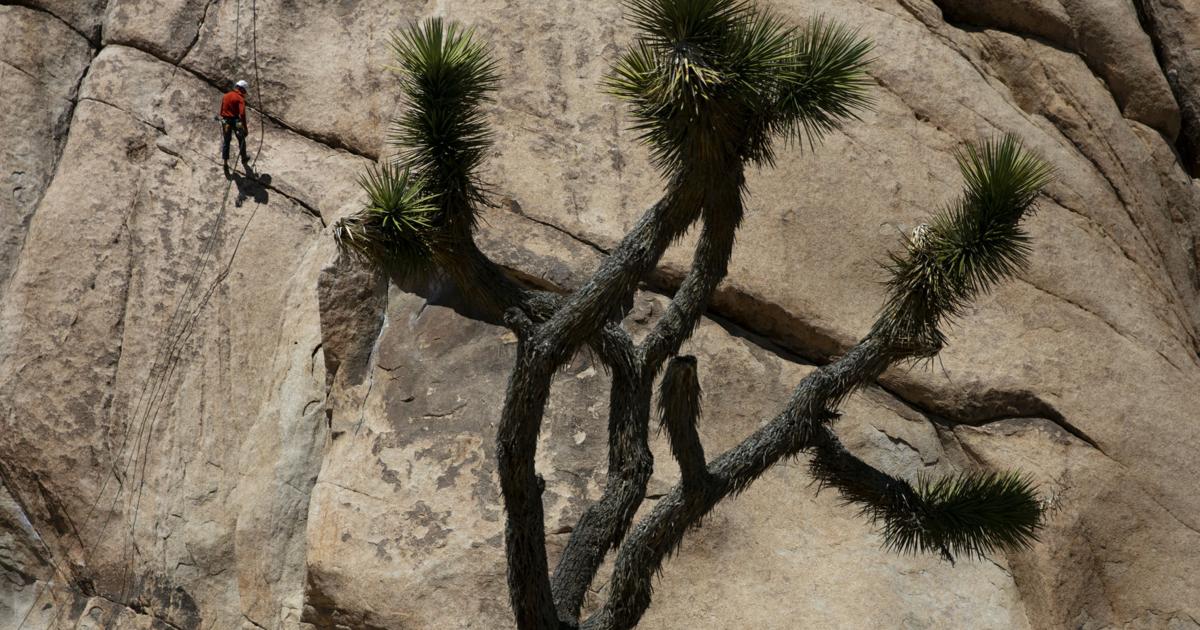
I’ve been thinking about plants of the late Pleistocene era, and the animals that ate them, described in a pictorial essay by David Bryant in the fall 2021 issue of Flora, the California Native Plant Society’s quarterly magazine. Among them are Joshua Trees, California lilac, manzanita, grasses, sedge, rush, Pinyon pine, juniper, and sycamore, to name a few. I’ve also been thinking about one of the biggest trends in gardening this year: “regenerative landscaping,” which is broadly defined as future-looking, considering all the creatures of the garden, recognizing that more than just humans use the space. As gardeners out in it, we know this mixed-use firsthand, but it can be valuable to take some time occasionally, such as in the slower winter months, to reflect, observe, appreciate, and plan. This doesn’t mean allowing total destruction by pest insects and herbivores. It means learning what is a tolerable threshold, using modern methods of IPM (Integrated Pest Management) and letting go of perfection.

Must we have an attitude of battle, or can we learn to share the garden, even making friends and allies with creatures beyond the hummingbird and butterfly? Can I learn to appreciate the Western ground squirrel?

While doing all this pondering, there are a few tasks we can do in December:

PLANTING:  Finish planting most species by mid-month. Bare-root planting begins in December and can extend through winter. Plants that are frost sensitive should not be planted until spring. Even for frost-hardy species, use a layer of mulch to protect plant crowns and roots from freezing. Finish planting bulbs for spring color. In the edible garden, in addition to perennial herbs, you can still transplant seedlings of most cool-season vegetables. Also plant bulb onions, asparagus, and rhubarb. These last two are perennials, so you won’t be harvesting them until well into next year. You can also plant lettuce and related salad green seeds in cold frames.

MAINTAINING: Watch for frost warnings and protect your sensitive plants. Plants will survive better if kept moist but not overwatered. Remove old fruits, called “mummies” left on fruit trees. Water citrus trees well this month if the rains aren’t steady to have a good crop next year. Also, deep water your other trees during a dry spell that lasts more than two weeks, even if they are dormant.

You can begin to prune your winter deciduous trees, shrubs, and fruit vines, or wait until January, especially if plants aren’t fully dormant and safety isn’t an issue. Don’t prune if frost is expected within the week. Force your roses into dormancy by removing leaves that haven’t fallen Mow cool weather lawns, which should be actively growing now, at three inches. This also applies to over-seeded lawns.

If you had major problems with aphids, mites, scale or whitefly on your fruit trees or roses, spray with dormant oil spray after the leaves have fallen to kill overwintering adults. Handpick slugs and snails or set out iron phosphate as a bait. You must replace iron phosphate after a rain, but it is not toxic to people, pets, and beneficial insects and won’t harm soil microorganisms either. In late December, spray early blooming peach and nectarine trees with copper fungicide to control peach leaf curl.

See any white moths around your winter veggies?  The moth is looking for good spots to lay her eggs, which will hatch into the cabbage looper and eat holes in the leaves, sometimes decimating the crop. You can’t do much about the moth, but seeing the moth is a signal to start looking under the leaves for the next several days to snag the small, green caterpillars before they do much damage. Large plants can survive some damage, but seedlings can be devoured. Chemical control is BT (Bacillus Thuringieis). Be sure to spray plant leaves thoroughly on the tops and bottoms.

Remember many caterpillars, especially on ornamental plants, do little harm and turn into desirable moths and butterflies. And all Lepidoptera are food for birds, lizards, toads, and other creatures in the food chain. Use common sense and a little tolerance for damage to encourage a healthy garden full of interesting life, even in the urban neighborhood.

Finally, keep up with cool season weeds so it doesn’t become a tiresome and overwhelming job later. Common household white vinegar or commercially formulated non-systemic organic herbicide can be kept in a labeled spray bottle in the garden to zap weeds on sunny days. Or lightly hoe them out. You can also try piling on more mulch and shading them out, which works well in these weak-sun days.

CONSERVING: Leave a pile of branches from trees and shrubs for birds to shelter in.

And don’t forget the water. Small creeks as part of a water garden design, mister-style sprinklers, or a bird bath with fresh water are all popular with our wild bird friends. When getting ready to prune trees, examine the high branches of large trees for bird nests and avoid pruning if hawks or other birds are nesting.

If you haven’t already done so, cut the flowers off tropical and other non-native, orange-flowered milkweed varieties. The Monarchs that stick around because of a ready food source will not survive the cold winter; they need to migrate south. You may want to consider replacing it with a native milkweed. On the other hand, we have so many hummingbirds that do not migrate, it is okay to continue to provide them with hummingbird feeder food through the winter.  

I hope you have wonderful winter holidays, full of beneficial garden companions and delightful surprises.

Call us: Master Gardeners in Tulare County: (559) 684-3325, Tues & Thurs, 9:30-11:30

Instragram at: @mgtularekings

Inside the Houses of House of Gucci

Inside the Houses of House of Gucci

It may be based on a true story, but House of Gucci is not a documentary. Director Ridley Scott uses plenty of artistic license to tell the tragedy of the family who once helmed the luxury fashion brand, turning Maurizio Gucci (played by Adam Driver), Patrizia Reggiani (Lady Gaga), Paolo Gucci (Jared Leto), and the rest of the players into larger-than-life characters with a healthy dose of camp. (Since the film’s premiere, the real-life Gucci family released a lengthy statement taking issue with their portrayal.)

So, when it comes to the luxe interiors where the machinations take place, how accurate is what fans see on-screen? “Nowadays everyone [takes] a selfie and everyone is available. But, in the past, private life, especially in Italy, [was] more private,” the film’s set decorator Letizia Santucci tells AD. With few pictures of the Gucci family’s real homes available, she, production designer Arthur Max, and their team set out to “deliver a message” through the sets instead of a perfect recreation. 

“We want to make a movie where every character is [in] a house that reflects the personality of the character,” Santucci says. However, given the fact that they are all members of the same family and the same wealthy Milan society, there were certainly some through lines, one of them being gorgeous Italian antiques. Santucci sourced items from Robertaebasta, Gallery Ltwid, Michel Leo Milano, Rubelli, Lalique, Daum, and more to fill sets created at the iconic Cinecitta studios in Rome. These spaces were married with shots on location at a number of historic villas to create the houses of Gucci. Below, AD takes a closer look.

Villa Necchi Campiglio

Villa Necchi Campiglio was originally built by members of the family of the same name, whose company produced cast-iron products and sewing machines.

Photo: De Simone Lorenzo/AGF/Universal Images Group via Getty Images

Villa Necchi Campiglio in Milan became Rodolfo Gucci’s (played by Jeremy Irons) dark living time capsule where he reminisces on his days as an actor and broods about his son Maurizio’s marriage to Patrizia. Built in 1935 by architect Piero Portaluppi and later updated by Tomaso Buzzi, the property is reportedly home to Milan’s first private swimming pool and operates as a museum today. Cinephiles will recognize it as the house from the 2009 Tilda Swinton film I Am Love. Villa Necchi is considered a work of Rationalist architecture, though Buzzi’s updates have more ornamental features. 

Villa Balbiano

Villa Balbiano was filled with plenty of antiques and designer furniture pieces—such as Bonacina 1889 lawn chairs and Binori 1735 tableware—but also items that were custom-made for the film, like the outdoor canopy structure.

Photo: Vittorio Zunino Celotto/Getty Images

HOME & GARDEN: DIY terrariums make great holiday gifts | Home & Garden

HOME & GARDEN: DIY terrariums make great holiday gifts | Home & Garden

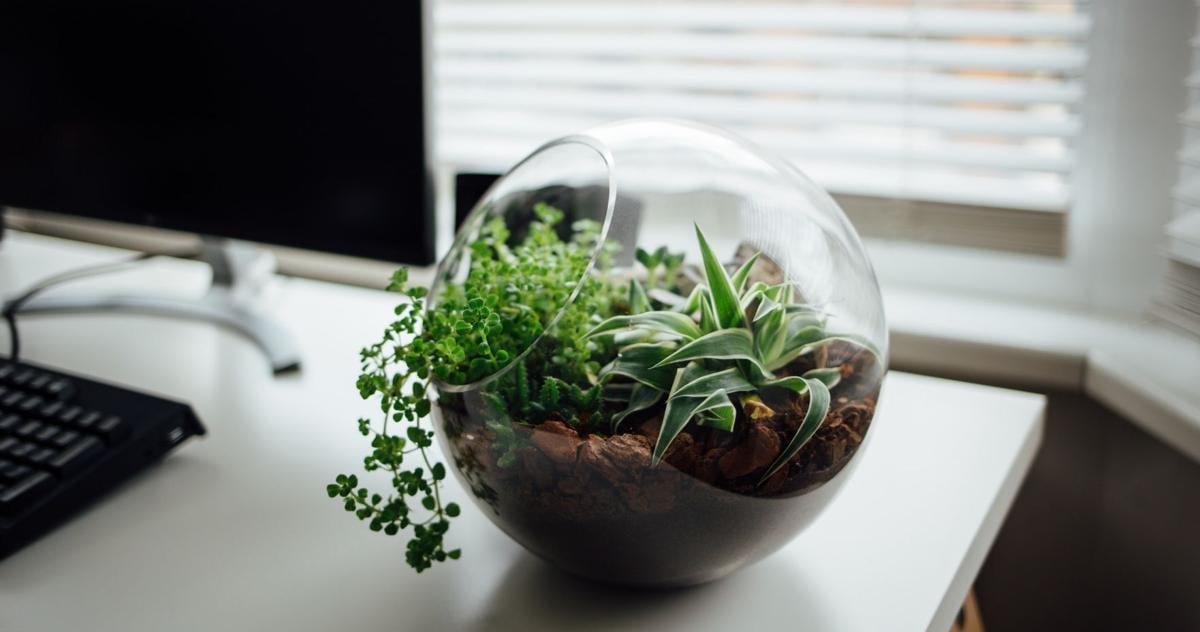
A century-old trend of bringing nature inside during the winter, terrarium gardening has had a revival gardeners as of late and would make an excellent gift for the holidays.

The invention of terrariums is attributed to English Botanist, Dr. Nathanial Ward. He used a closed bottle filled with tiny ferns and grasses growing in soil in order to observe a hummingbird moth chrysalis. Once the moth emerged, he continued to watch how the ferns and grasses continued to grow for four years, during which time he never opened the bottle to add water.

Although most gardeners today are building an open system, without a lid, requiring some water but not as much as a normal houseplant. These open system ecosystems provide for ample creativity by building a mini landscape but also require minimal care.

Any transparent container can be used as a terrarium. Glass and plastic are the two most common mediums. Besides bottles, commonly used items are fish bowls, fish tanks, jugs, jars, or light bulbs.

Terrarium Supplies: Open glass container, soilless media (not the stuff in the backyard, but the stuff you buy in a bag), 2-3 small succulent or tropical plants, ornamental knick-knacks or trinkets.

  1. Fill soil at least ¼ the depth of the container or as deep as the root balls of the plants you have chosen.
  2. Add either all succulents, or all tropical—do not mix and match as each have different light, temperature, and moisture needs! You might need skewers, pipe cleaners, and long-handled tweezers depending on the size of the container’s opening. When placing plants, don’t let the foliage touch the sides of the container and wipe any debris off plants with a clean paintbrush.  
  3. Water with a mister or add small amounts of water at a time with a spoon. In the beginning, the roots are small and the entire media does not need to be saturated.
  4. Add whimsy! Reflect your gift-recipients interests with fun or meaningful trinkets placed among the plants. Clean any figures, toys, glass, pebbles, or ceramic structures with an alcohol or 10{d4d1dfc03659490934346f23c59135b993ced5bc8cc26281e129c43fe68630c9} bleach solution and allow them to dry. Dried flowers or wood may also add to the story.
Watch your garden’s water needs as warm, dry conditions settle in

Watch your garden’s water needs as warm, dry conditions settle in

Warm, warm, warm, dry, dry. This is our second La Nina year in a row, which means this warm, dry weather will continue at least through early spring. Normally, we’d turn the irrigation off now, but unfortunately, not this year.

Irrigation

Here’s the dilemma: The warm, dry weather means we need to water more often than in a “normal” year. Drought means there’s less water available. What to do? Switch to inline drip irrigation. Inline drip is basically long flexible tubing with emitters embedded inside the lines. Lay it out in a grid on the surface of every garden bed so each bed gets wetted evenly and water penetrates down to the roots. Cover the irrigation and the bed with at least 3 inches of mulch to minimize evaporation. It’s the perfect solution.

Even though the weather is dry, the sun is low in the sky, so plants need water much less often than at the peak of summer.

How long to water? Run your irrigation system, one zone at a time. As each zone finishes. stick your finger all the way down into the soil, as deep as you can. Is it wet all the way down? If not, run the irrigation again. Figure out how long it takes for the water to reach down to the roots. That’s how you figure out the run time for each zone.

Are you watering often enough, or too often? Do the “canary test” to figure out how often to run each zone. As you run each zone, mark the date on your calendar. Then turn the zone off. Watch that area of your garden for the first plant to have droopy leaves (that’s the canary) and check your calendar. Run the water just short of the time it took for the first plant to droop. Use this information to set how often each irrigation zone runs. Don’t expect them all to be the same. So, if it took 12 days for the first plant to droop, run that zone every 11 days. If it drooped after three weeks, run the zone every 20 days. Where the first plant drooped after a week, run that zone every six days, and so on.

Be sure to run your irrigation the day before Santa Ana winds are expected. Saturating the soil protects plants from desiccation.

If you still use overhead spray, it is time to switch to inline drip. Inline drip — not the kind of drip with individual emitters at the end of narrow tubing — is the most efficient and effective irrigation available.

Manage water

Gutters filled with leaves and debris overflow when it rains, beating up the plants below, so clean the gutters now. Compost the debris, or spread it around the garden as mulch.

If you still have water in your rain barrels from last month, use it now. Because it is so dry now, your plants need it.

Rather than collecting water in rain barrels, sculpt your garden soil with dips and swales that capture water so it can absorb into the surrounding soil. Bank water now for long-term withdrawal by your plants’ roots in spring.

Do you have a spot on your property that floods every year? Reconfigure the contours, install a new drain, lay out sandbags, or do whatever else is needed to stop that flood.

While water is precious, don’t let it accumulate in dishes under potted plants, buckets, containers and other places where the constant moisture can drown plant roots or become a mosquito nursery.

When it does rain, stay off the soil for a few days. Wet soil compacts easily, so rather than dig or weed or plant, do chores like repotting plants, cleaning your toolshed and planning for spring.

Prepare for cold

Watch for the winter’s first frost. We don’t get hard frosts, but plants from coast to mountains can suffer frost damage on a cold night.

If your garden gets to freezing or below, protect cold-sensitive plants such as Plumeria, bromeliads and some varieties of succulents, and move them under the eaves (if in pots) or under the dense cover of an evergreen tree. Cover potted or in-ground plants with floating row cover (not plastic). Use clothespins to secure the cover in place.

If a plant is damaged by frost, do not cut off the damaged parts — they protect the rest of the plant from the next freezes. Leave them in place until after the last frost of the year, typically in February or March.

Fruit trees

This is the most important maintenance time for deciduous fruit trees — those that drop their leaves in winter: apples, pears, peaches, plums, pluots, cherries and more.

Between now and the end of January:

Strip leaves off the branches of stone fruits, pears and apples if they don’t fall off on their own. Leaves can be infected with fungus and other pathogens that overwinter. Don’t compost them. Rake them up instead, then send them off in the greenwaste.

Prune deciduous fruit trees, taking care NOT to cut off the fruiting wood. Different kinds of fruit trees form fruits on a different parts of their branches. Apples, for example, grow short spurs along the branches. Those spurs make flowers and fruits. Pomegranates and figs fruit at the end of branches. Pluots fruit along the length of the branch. Know how a tree fruits before you cut.

My favorite pruning guide is “How to Prune Fruit Trees” by R. Sanford Martin. It’s a classic!

After pruning, spray fruit trees to kill overwintering pests and diseases. Spray once, wait two weeks, spray again, wait two weeks and spray a third time.

  • Spray apple and pear trees with mineral-based horticultural oil.
  • Spray stone fruits (peach, nectarine, plum, etc.) with liquid copper to kill the fungus responsible for the dreaded peach leaf curl, alternating with mineral-based horticultural oil to suffocate scale, whiteflies, mealy bugs and other tiny pests that overwinter in the bark.

Every time you spray, coat all branches and trunks, from tips to base. The better the coverage, the more your trees are protected.

Prune ornamentals

Winter is time to prune ornamental trees and shrubs. Hire a certified arborist who will remove weak or dead branches, check for borer infestations, structural integrity and so on. If you don’t have a favorite certified arborist, find one at treesaregood.org.

If you do the pruning, sharpen your pruning tools first so they make clean, healthy cuts that don’t shred the wood.

Work clean. Disinfect pruning shears, saws, loppers and other cutting tools before and between plants to avoid spreading diseases and pests from one plant to the next. I use spray household disinfectant.

Start pruning by first removing dead branches, weak wood, and crossing branches. Then prune for shape.

Make cuts in the right spot. Follow each branch to where it attaches to the trunk or to the next larger branch. Notice the swelling at the base of the branch? That’s called the branch collar. When you cut, cut up to the branch collar, leaving no stubs behind.

NEVER top a tree. If a tree is too tall, replace it with one (or two or three) that doesn’t grow that tall.

Prune, then spray roses, but not too much. There’s no reason to prune shrub roses down to nubs. The more branches, the more flowers, so let your rose bushes grow large.

Each time you finish pruning, spray your tools again, wipe them dry and lubricate them with mineral oil before storing.

Care for potted plants

It’s poinsettia time! Remove the fancy foil as soon as you get a poinsettia home. Make sure its pot has drainage holes. If it doesn’t, move the plant to a new pot with drainage. Place it in a brightly lit room away from the heater vent and away from a cold window. Water enough to keep the soil damp but not wet. Don’t fertilize until after the holidays.

Monitor potted plants. Feel the potting soil every few days and water before the soil gets too dry. A humidifier can help keep indoor air moist and plants from drying out.

Control pesky little black flies. These fungus gnats are attracted to wet organic matter in the potting soil. They are easy to control without chemicals or sprays if you 1) water less (your plants will be fine) and 2) cover the surface of the potting soil with a ½- to 1-inch-thick layer of small pebbles, aquarium rocks, even marbles. They form a barrier the flies can’t penetrate.

Plant ornamentals

Natives planted now will be ready for next summer’s heat and drought.

Fragrant-leaved native shrubs and perennials can spice up your garden: Cleveland sage (Salvia clevelandii) and California sagebrush (Artemisia californica) are the classic perfume of Southern California’s chaparral. Hummingbird sage (Salvia spathacea) and fragrant pitcher sage (Lepechinia fragrans) both have sweet fruity fragrances, each unique from the other.

Try some wonderful fragrant-flowered natives: California lilacs (Ceanothus sp) have subtly sweet flowers, while the orange blossom fragrance of mock orange (Philadelphus lewisii) can fill your entire garden. If you like the smell of grape bubblegum, plant woolly blue curls (Trichostema lanatum).

Every garden needs drought-tolerant trees — as many as possible. Strawberry tree Arbutus ‘Marina’ has gorgeous shreddy mahogany colored bark with bright green leaves and pink flowers in spring. Gold medallion tree (Cassia leptophylla) is a narrow, medium-size tree with bright yellow flowers that turn into long, festive green bean pods. Tecate cypress (Hesperocyparis forbesii) is a Southern California native that is rare in habitat but readily available in nurseries. It is a far, far better choice than Italian cypress.

For spring flowers, plant seeds of California native poppy (Eschscholzia californica), elegant Clarkia (Clarkia unguiculata), baby blue eyes (Nemophila menziesii), California goldfields (Lasthenia californica), and Common tidy tips (Layia platyglossa)

Plant flowering sweet peas seeds now for bloom in spring. Renee’s Garden Seed, reneesgarden.com, specializes in these fragrant beauties. Check their website for a wide selection of seeds.

Succulent aloes put on a beautiful show this time of year. One of my favorites is Aloe rubraviolaceae, a low-growing rosette type Aloe whose teal leaves are edged in soft rose. Each rosette features a single, tall candelabrum of stout, poker-style flowers that bloom red orange.

Mangave are all the rage right now. These easy-growing Agave/Manfreda crosses form small- to medium-size succulent rosettes. The blades are most green or blue-green, some with yellow stripes. Each variety features a different pattern of burgundy or brown spots and an imaginative name like ‘Mission to Mars,’ ‘Bad Hair Day,’ ‘Cherry Chocolate Chip,’ ‘Bloodspot’ and others. Grow them in the ground or in pots, in well-draining soil and full sun.

Visit your favorite nursery to reserve bareroot fruit trees and shrubs that arrive next month: blueberries, peaches, apples, nectarines, pears, apricots and more.

Edible gardens

Before you replant pots or raised beds, add compost to bring the soil level back to the top. Sprinkle in earthworm castings and vegetable fertilizer. No need to dig it in — that happens naturally.

Plant winter root vegetable seeds (not seedlings) now: beets, turnips, radishes, carrots, rutabagas, parsnips.

Plant greens and cabbage family plants from seed or seedling: kohlrabi, kale, spinach, Brussels sprouts, cabbage, rapini, broccoli and more.

Plant annual parsley, dill and cilantro from seed. These annual herbs do best in vegetable gardens.

Plant perennial oregano, thyme, marjoram, sage and rosemary from 4-inch or 1-gallon pots into a permanent spot in the garden. Since they are all waterwise Mediterranean natives, plant them in ornamental garden beds.

To harvest greens — including lettuce, kale, spinach, bok choy and tatsoi — simply cut off as much as you need and let the plants continue to grow. Harvest herbs the same way.

Mulch

How thick is your garden’s mulch? Aim for a minimum of 3 inches over every garden bed. Be sure that irrigation lines are under the mulch, not on top.

Mulch succulents with rock or gravel. Mulch nonsucculents with aged woody mulch or with fresh wood chips that are smaller than an inch. Larger fresh woodchips can bringing deadly borers into your garden. Aged wood chips are not problematic.

Sterman is a waterwise garden designer and writer and the host of “A Growing Passion” on KPBS television. More information is at agrowingpassion.com and waterwisegardener.com.