pool liner installation Indianapolis

Installing Pool Liners: A Complete Guide for Homeowners

pool liner installation Indianapolis

A pool liner is an essential component of many swimming pools, especially vinyl-lined inground and above-ground models. It protects the structure, provides a smooth surface, and adds to the pool’s overall aesthetic. Over time, liners wear out and need replacement. Installing a new pool liner is a process that requires precision, planning, and professional expertise to ensure a watertight fit and long-lasting performance.

Whether you’re replacing an old liner or installing a new one in a freshly built pool, this guide will walk you through everything you need to know about pool liner installation.

What Is a Pool Liner?

A pool liner is a watertight membrane that lines the interior surface of a pool, most commonly made from durable vinyl. It prevents water from leaking into the pool walls and substructure while also providing a comfortable, slip-resistant surface for swimmers.

Pool liners are available in various thicknesses (measured in mils or gauges), patterns, colors, and textures, allowing homeowners to customize the look of their pool.

When to Replace Your Pool Liner

The typical lifespan of a vinyl pool liner is 7 to 10 years, depending on factors like sun exposure, chemical balance, water temperature, and usage.

Here are signs that it’s time to install a new liner:

  • Fading or discoloration from prolonged UV exposure
  • Wrinkles or bubbles indicating the liner has stretched or shifted
  • Tears, cracks, or holes in the material
  • Leaking water levels that require frequent refilling
  • Loose fittings around skimmers, returns, or steps

Replacing your liner at the right time prevents structural damage and keeps your pool looking and performing its best.

Steps for Installing a Pool Liner

1. Drain the Pool

The first step in any liner installation is draining the pool completely. This is typically done using a submersible pump, which may take several hours or more depending on the pool’s size.

2. Remove the Old Liner

Once the pool is drained, the existing liner is cut and removed. Technicians carefully detach the liner from the track or coping, remove gaskets and faceplates from around fittings, and dispose of the old material.

3. Inspect and Repair the Pool Shell

With the liner removed, the pool shell is inspected for issues such as:

  • Cracks in the floor or walls
  • Rust spots or corrosion
  • Uneven surfaces or debris buildup

For vinyl pools, the bottom is typically a sand or vermiculite base. Any irregularities must be smoothed out, and damaged areas repaired to ensure a flat, supportive surface.

4. Measure for a New Liner

Accurate measurements are critical. Professionals will measure:

  • Length and width
  • Depth (shallow and deep ends)
  • Hopper dimensions
  • Radii of corners and steps

These measurements are used to custom-order a liner that fits your exact pool shape and dimensions. Many manufacturers offer 3D measuring systems or CAD-based liner design for precision.

5. Install Wall Foam (Optional)

Some pool owners opt to add a layer of wall foam before installing the new liner. This foam adds extra cushioning, prevents heat loss, and protects the vinyl from sharp surfaces or corrosion.

6. Place the New Liner

Once the new liner arrives, installation can begin:

  • The liner is unfolded and positioned in the pool.
  • Installers align seams and begin attaching the liner at one end of the pool, usually at the deep end.
  • The liner is clipped into the bead track (for beaded liners) or held in place using coping strips (for overlap liners).

Proper alignment and handling are key to preventing wrinkles or stretching.

7. Use a Vacuum to Set the Liner

Before adding water, a vacuum is inserted behind the liner to suck out trapped air and help the liner conform tightly to the pool’s shape. This “vacuum fit” method ensures a smooth, wrinkle-free installation.

Vacuuming continues while the pool is partially filled with water to lock the liner into place.

8. Fill the Pool and Reinstall Fittings

With the liner snugly in place, the pool is filled with water. Once the water level reaches the return and skimmer areas, installers:

  • Cut out holes for skimmers, returns, and drains
  • Replace faceplates and gaskets
  • Tighten all fittings to prevent leaks

9. Balance the Water Chemistry

As the pool fills, it’s time to add and balance chemicals to ensure safe, clean swimming water. This includes:

  • Chlorine or sanitizer
  • Alkalinity and pH adjusters
  • Stabilizer (cyanuric acid)
  • Algaecide or clarifier as needed

Proper water chemistry helps extend the life of your new liner.

Costs of Pool Liner Installation

The cost of a pool liner installation Indianapolis varies depending on pool size, liner material, and complexity of installation. Average prices include:

  • Above-ground pool liner installation: $1,000–$2,500
  • Inground vinyl liner installation: $3,000–$7,000
  • Custom shapes or deep ends: May increase cost due to added labor and material

Keep in mind that a higher-quality liner (thicker material, better UV protection) may cost more upfront but last longer.

Tips to Prolong the Life of Your Pool Liner

  • Maintain water chemistry: Regularly test and balance pH, chlorine, and alkalinity.
  • Use a pool cover: Protects against sun damage and debris.
  • Avoid sharp objects: Don’t use glass or hard toys in the pool.
  • Regularly clean the liner: Use gentle brushes and pool-safe cleaners.
  • Inspect for leaks: Early detection prevents liner separation and floor erosion.

Hiring a Professional vs. DIY

While some homeowners attempt DIY pool liner replacement, it’s generally recommended to hire professionals. Trained installers ensure:

  • Precise measurements
  • Proper vacuum fitting
  • Leak-free plumbing reconnections
  • Accurate liner alignment with minimal wrinkling

Companies like C-Ray Pools in Indiana specialize in professional pool liner installation, offering customized options and peace of mind.

Conclusion

Installing a new pool liner is a vital step in maintaining your swimming pool’s appearance and function. From draining and measuring to fitting and sealing, the process requires care and technical expertise. By investing in a quality liner and professional installation, you ensure a long-lasting, beautiful pool that you and your family can enjoy for years to come.

5 Tips for Selecting the Right Landscaping Service

5 Tips for Selecting the Right Landscaping Service

5 Tips for Selecting the Right Landscaping Service

Choosing the right landscaping service can make a significant difference in the appearance and value of your property. Whether you’re looking to create a lush garden oasis, a functional outdoor living space, or simply maintain the current landscape, hiring the right professionals is crucial. However, with so many options available, it can be overwhelming to decide which landscaping company to trust with your vision. In this blog post, we’ll explore five essential tips to help you select the perfect landscaping service for your needs.

Evaluate Their Experience and Expertise

When selecting a landscaping service, the company’s experience and expertise play a vital role in the success of your project. Start by investigating how long the landscaping company has been in operation and the scope of projects they have undertaken. A seasoned company is more likely to have refined its skills and methodologies over the years, resulting in high-quality outcomes.

Look into the types of projects they have previously completed to see if they align with your needs. For example, if you are looking to install a water feature or a specific type of garden, ensure the company has a portfolio that reflects their proficiency in such areas. This can give you confidence that they have the necessary experience to handle your project successfully.

Also, consider the company’s familiarity with the local environment and climate. A landscaping company with local expertise can provide valuable insights into the types of plants that thrive in your area, optimal irrigation practices, and other location-specific considerations. This local knowledge can be a significant advantage in achieving a sustainable and aesthetically pleasing landscape.

When evaluating their expertise, don’t hesitate to ask for credentials or certifications that demonstrate their professional qualifications. Certifications from recognized industry organizations can be a good indicator of a company’s commitment to maintaining high standards and staying updated with the latest landscaping techniques and trends.

You can also gauge a company’s expertise by asking detailed questions during your initial consultations. Inquire about their approach to problem-solving, their design process, and how they handle unexpected challenges. A knowledgeable and experienced landscaping service will be able to provide well-informed answers and demonstrate their capability to adapt to various project requirements.

By thoroughly evaluating a company’s experience and expertise, you can better ensure that they are equipped to bring your landscaping vision to life.

Check for Proper Licensing and Insurance

Ensuring that a landscaping company holds the appropriate licensing and insurance is a critical step in your selection process. Licensing signifies that the company adheres to industry regulations and is authorized to perform landscaping services in your area. Always verify the company’s licensing status and ensure it is current to avoid potential legal complications.

Insurance is another crucial aspect to consider. A reputable landscaping company should carry both liability insurance and worker’s compensation coverage. Liability insurance protects you from financial responsibility in case of accidental property damage during the project. For example, if a tree branch falls and damages your home or a neighboring property, the insurance will cover the repair costs. Worker’s compensation insurance, on the other hand, safeguards you from being liable for any injuries that workers might sustain while on your property. This type of coverage is vital as landscaping can involve heavy machinery and potentially hazardous tasks.

Requesting proof of insurance is a prudent measure. Don’t just take the company’s word for it—ask to see their insurance certificates. This documentation should detail the types of coverage they have and the policy limits. It’s also wise to contact the insurance provider directly to verify that the policies are active and comprehensive.

While discussing insurance, inquire if the landscaping company offers any additional guarantees or warranties on their work. These can provide extra peace of mind, knowing that the company stands behind its services and is willing to address any issues that may arise post-completion.

Pay attention to how transparent the company is about these aspects. A professional landscaping service should willingly provide all necessary documentation and answer any questions you may have regarding their licensing and insurance. This transparency not only builds trust but also demonstrates the company’s commitment to operating responsibly and ethically. Taking these precautions ensures you’re protected throughout the course of your landscaping project.

Read Reviews and Ask for References

Investigating a landscaping service’s reputation through reviews and references is a critical step. Online review platforms such as Google, Yelp, and the Better Business Bureau are excellent resources for gauging customer satisfaction. Pay close attention to consistent feedback, whether positive or negative, to identify patterns in the company’s performance. For instance, repeated mentions of excellent customer service or punctuality can be strong indicators of reliability, whereas recurring complaints about project delays might signal potential issues.

Beyond online reviews, directly contacting references can provide valuable insights. Ask the landscaping company for a list of previous clients who can speak about their experiences. When reaching out, focus on specific aspects like the quality of work, adherence to timelines, and how effectively the company communicated throughout the project. Inquiring about any challenges faced and how they were resolved can also reveal much about the company’s problem-solving capabilities and professionalism.

Additionally, consider checking the company’s social media pages. These platforms can offer a more informal perspective on customer interactions and showcase the company’s recent projects, giving you a visual sense of their work quality. Engaging with these resources helps ensure you choose a landscaping service with a proven track record of satisfying clients.

Understand Their Pricing and Contracts

When choosing a landscaping service, getting a clear understanding of their pricing and contracts is essential to avoid unexpected costs and ensure the project’s smooth execution. Start by requesting a comprehensive estimate that breaks down the expenses for labor, materials, equipment rental, and any additional services or fees. This transparency not only helps you compare different companies but also enables you to plan your budget more accurately.

When reviewing the contract, ensure it clearly outlines the scope of work. This should include detailed descriptions of the tasks to be performed, the types of materials to be used, and any specific features or elements to be installed. A well-defined scope of work helps prevent misunderstandings and ensures both parties are aligned on the project’s expectations.

The timeline is another critical component of the contract. Make sure the agreement specifies the project’s start and completion dates, as well as any key milestones. This information allows you to hold the landscaping company accountable for meeting deadlines and helps you plan around the project’s duration.

Payment terms should also be explicitly stated in the contract. This includes the total cost, payment schedule, and any required deposits. Be cautious of any landscaping service that demands a significant upfront payment, as this can be a red flag. Instead, look for a company that offers a reasonable payment plan tied to project milestones or completion stages.

Additionally, check for any guarantees or warranties offered by the landscaping service. These can cover various aspects, such as the longevity of plants, the durability of hardscape features, or the quality of workmanship. Understanding these guarantees helps you know what recourse you have if issues arise after the project is completed.

Clarify any clauses related to project modifications or additional work. Sometimes, unforeseen changes may be necessary, and it’s crucial to know how these will be handled financially and logistically. Make sure the contract includes provisions for handling change orders, including how they will be approved and billed.

By thoroughly reviewing and understanding the pricing and contract terms, you can enter into your landscaping project with confidence and clear expectations.

Assess Their Communication and Customer Service

Strong communication and customer service are integral to the success of your landscaping project. During your initial interactions with the landscaping company, take note of their responsiveness and attentiveness. A company that quickly returns calls or emails and takes the time to thoroughly address your questions is demonstrating a commitment to customer satisfaction. It’s important that the landscaping team listens to your ideas and provides thoughtful feedback. Effective communication ensures that everyone is on the same page, minimizing the risk of misunderstandings and ensuring your vision is accurately realized. Look for a company that is not only willing to discuss your project in detail but also offers creative solutions and professional advice based on their expertise. Evaluate the company’s approach to project updates. Regular progress reports and check-ins can provide peace of mind and keep you informed about the status of your project. Ask about their preferred methods of communication and how often you can expect updates. This proactive approach can help catch potential issues early and address them promptly. Customer service extends beyond the project’s completion. A reliable landscaping service will be available to answer any post-project questions or address follow-up concerns. This ongoing support can be crucial for maintaining your landscape and ensuring long-term satisfaction with their work. By closely assessing a company’s communication practices and customer service, you can ensure a collaborative and stress-free experience. A landscaping Carmel service that values your input and prioritizes clear, consistent communication is more likely to deliver a high-quality result that meets your expectations.

The Ultimate Guide to Tiny Homes: Living Big in a Small Space

Introduction

What is a Tiny Home?

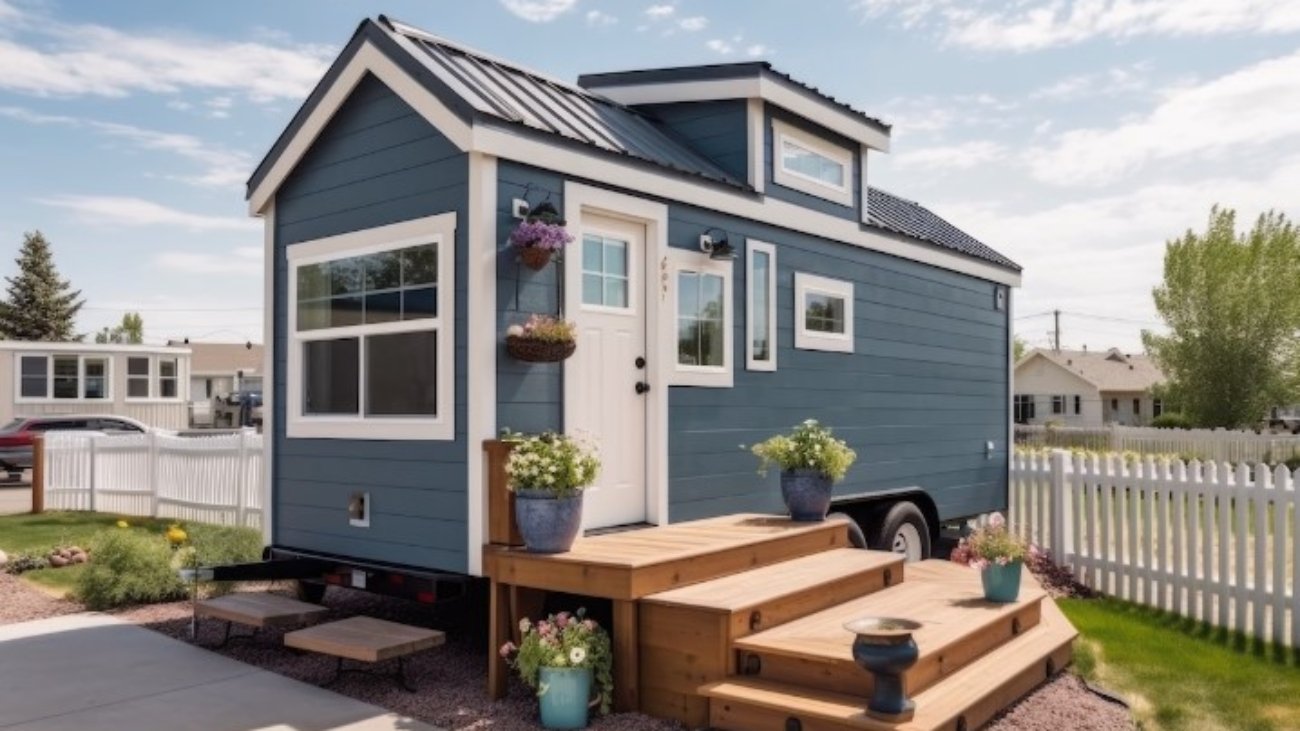
Tiny homes are compact, efficient living spaces that typically range from 100 to 400 square feet. They prioritize minimalist living, with a focus on functionality and sustainability. But don’t let their size fool you—tiny homes can be incredibly cozy and comfortable!

Why Tiny Homes are Trending

Tiny homes have become a global sensation. With rising housing costs, environmental concerns, and a desire for simpler living, many are drawn to the tiny home lifestyle. It’s not just about downsizing; it’s about upgrading your quality of life by focusing on what truly matters.

History of the Tiny Home Movement

Early Beginnings

The concept of living small isn’t new. Throughout history, various cultures have embraced small living spaces, from yurts in Mongolia to Japanese tea houses. The modern tiny home movement began gaining traction in the early 2000s, spearheaded by visionaries like Jay Shafer.

Modern Popularity

Fast forward to today, and tiny homes are more popular than ever. Television shows, social media, and a growing awareness of environmental issues have propelled the movement into the mainstream. People are increasingly seeking ways to reduce their carbon footprint and live more sustainably.

Benefits of Tiny Home Living

Financial Freedom

One of the most compelling reasons to go tiny is the financial freedom it offers. With lower building and maintenance costs, tiny homes can free you from hefty mortgages and high utility bills, allowing you to save more and live debt-free.

Environmental Impact

Tiny homes are eco-friendly by design. They use fewer materials to build and consume less energy to heat, cool, and maintain. Many tiny homeowners incorporate sustainable practices like solar panels, composting toilets, and rainwater collection systems.

Simplified Lifestyle

Living in a tiny home encourages a minimalist lifestyle. With limited space, you prioritize what you truly need and value. This shift can lead to a more meaningful and intentional way of living, free from the clutter and distractions of a larger home.

Challenges of Tiny Home Living

Limited Space

The most obvious challenge is space. Adjusting to a smaller living area requires creativity and careful planning. Every inch counts, and multifunctional furniture and smart storage solutions become essential.

Zoning Laws and Regulations

Zoning laws and building codes can be a significant hurdle for tiny home enthusiasts. These regulations vary widely by location and can impact where and how you can build or park your tiny home.

Social Adjustments

Living tiny can also mean adjusting socially. Whether it’s sharing a small space with family members or dealing with the perceptions of others, transitioning to tiny living requires a willingness to adapt and communicate.

Designing Your Tiny Home

Choosing the Right Layout

The layout is crucial in a tiny home. Open floor plans, lofted sleeping areas, and convertible spaces are popular choices. It’s important to design a layout that fits your lifestyle and needs.

Maximizing Storage

Storage is a top priority in any tiny home. Built-in shelves, underfloor storage, and multifunctional furniture can help maximize your space. Think creatively about how to utilize every nook and cranny.

Multi-functional Furniture

Furniture that serves multiple purposes is a game-changer. Consider options like a sofa that converts into a bed, a dining table that doubles as a workspace, or stairs that also function as storage units.

Building Your Tiny Home

DIY vs. Professional Builders

Deciding whether to build your tiny home yourself or hire professionals depends on your skills, budget, and timeline. DIY builds can be cost-effective but require a significant time investment. Professional builders offer expertise and efficiency.

Materials and Costs

The materials you choose impact both the cost and sustainability of your tiny home. Reclaimed wood, recycled materials, and energy-efficient appliances can help reduce your environmental footprint and expenses.

Building Process Overview

The building process involves several steps: planning, obtaining permits, constructing the frame, installing utilities, and finishing the interior. Each step requires careful attention to detail to ensure your tiny home is safe and comfortable.

Living in a Tiny Home

Daily Life Adjustments

Life in a tiny home requires adjusting your daily habits. You’ll need to be more mindful of your space, routines, and possessions. This shift can lead to a more organized and intentional lifestyle.

Organizing Your Space

Keeping your tiny home tidy is essential. Regular decluttering, smart storage solutions, and efficient use of space help maintain a comfortable living environment.

Maintaining Your Tiny Home

Regular maintenance is key to keeping your tiny home in good condition. This includes checking for wear and tear, ensuring all systems are functioning properly, and making necessary repairs promptly.

Tiny Home Communities

Types of Tiny Home Communities

Tiny home communities range from rural retreats to urban co-housing projects. Some are designed for full-time living, while others are vacation rentals or co-living spaces.

Benefits of Joining a Community

Joining a tiny home community offers several benefits, including shared resources, social support, and a sense of belonging. These communities often promote sustainability and mutual aid.

How to Find a Tiny Home Community

Finding the right community involves research and networking. Online forums, social media groups, and tiny home festivals are great places to start. Visiting potential communities can also help you find the best fit.

Financial Considerations

Cost of Building vs. Buying

Building a tiny home can be more affordable than buying one, but it requires time, skills, and resources. Buying a pre-built or custom-designed tiny home offers convenience and professional craftsmanship.

Financing Options

Financing a tiny home can be challenging, as traditional mortgages may not apply. However, options like personal loans, RV loans, and specialized tiny home financing companies can help.

Long-term Financial Benefits

In the long run, tiny homes can offer significant financial benefits. Lower utility bills, reduced maintenance costs, and the potential for rental income make tiny homes a smart financial choice.

Environmental Impact

Sustainability Features

Tiny homes often incorporate sustainable features like solar panels, composting toilets, and energy-efficient appliances. These features reduce your environmental footprint and promote green living.

Reducing Carbon Footprint

By using fewer materials and consuming less energy, tiny homes help reduce your carbon footprint. Many tiny homeowners also adopt eco-friendly practices like recycling, composting, and reducing waste.

Off-Grid Living Options

For those seeking complete independence, off-grid living is a viable option. Solar power, rainwater collection, and composting systems allow you to live sustainably without relying on public utilities.

Case Studies and Success Stories

Inspirational Tiny Home Journeys

Hearing from others who have embraced the tiny home lifestyle can be incredibly inspiring. Many have found happiness, freedom, and a sense of community through their tiny homes.

Lessons Learned from Tiny Home Owners

Learning from the experiences of others can help you navigate the challenges and make the most of your tiny home journey. From design tips to lifestyle adjustments, these insights are invaluable.

FAQs about Tiny Homes

  1. What is the average cost of building a tiny home?
    • The cost can vary widely, but on average, building a tiny home can range from $20,000 to $100,000, depending on materials and labor.
  2. Can you legally live in a tiny home?
    • This depends on local zoning laws and regulations. It’s important to research and ensure compliance with your area’s requirements.
  3. How do tiny homes handle utilities?
    • Tiny homes can be connected to public utilities or designed for off-grid living with solar panels, composting toilets, and water tanks.
  4. What is the lifespan of a tiny home?
    • With proper maintenance, a tiny home can last as long as a traditional house, typically 30-50 years or more.
  5. Are tiny homes suitable for families?

    • While challenging, it is possible for families to live in tiny homes. Creative design and efficient use of space are essential for accommodating multiple people.
Enhancing Your Home and Garden with Statues

Enhancing Your Home and Garden with Statues

Personalizing living spaces is crucial for creating an environment that truly reflects our unique personality, interests, and values. Adding our personal touch turns a house into a warm and inviting home.

Enhancing the aesthetic appeal of our living spaces can be achieved by incorporating statues. These art pieces come in various styles, sizes, materials, and themes, offering endless creative possibilities. From elegant marble sculptures to whimsical garden gnomes, statues add beauty, serenity, and tranquillity to any space.

Imagine a stunning garden adorned with graceful angel statues, evoking peaceful serenity. Picture a grand entranceway embellished with majestic lion statues, symbolizing strength and nobility. Using statues to enhance our living spaces offers limitless possibilities.

By selecting and placing statues that resonate with our personal taste and style, we create a visually captivating environment that reflects our individuality and inspires joy. Let your imagination soar and explore the possibilities that statues offer in transforming your living spaces into havens of beauty and self-expression.

Garden Statues

Garden statues bring charm and character to outdoor spaces, enhancing the aesthetic appeal and creating a relaxing atmosphere. Imagine strolling through your garden, surrounded by whimsical gnomes, cherubs, and lifelike animal statues. Each statue tells a unique story, breathing life and allure into your garden.

Personalize your garden with classical sculptures or contemporary designs. Each statue becomes a focal point, showcasing your creativity and love for nature, transforming your outdoor sanctuary into a masterpiece.

Finding the perfect garden statue is now easier than ever. Explore enchanting choices online and select the one that resonates with your vision. Each statue adds its own touch of enchantment, elevating the beauty of your outdoor sanctuary into a realm of wonder and tranquillity.

Indoor Statues

decoideashogar-angel-statue

Indoor statues serve multiple purposes. Apart from being decorative pieces, they spark thought-provoking discussions and create an enchanting atmosphere. Made from various materials like ceramic, bronze, or luxurious marble, these exquisite statues add elegance and sophistication to any room, elevating its aesthetic appeal. Whether it’s a meticulously crafted statue of a Greek god, a realistic depiction of an animal, or an abstract piece that challenges perception, indoor statues showcase personal taste and style. They can also reflect cultural or historical interests, acting as visual representations of cherished traditions or significant periods in history. With their timeless beauty, meticulous craftsmanship, and artistic allure, indoor statues effortlessly captivate attention, inspire admiration, and create a refined atmosphere.

Water Feature Statues

Water feature statues, like fountains, enhance garden aesthetics, creating a serene haven. Imagine strolling amidst lush greenery, vibrant flowers, and the gentle melody of flowing water. The fragrance of blooming flowers fills the air. Your eyes are drawn to a magnificent statue amidst the picturesque landscape.

This captivating masterpiece adds grandeur and commands attention. Water cascades gracefully, creating mesmerizing reflections. The sound of trickling water soothes, immersing you in nature’s beauty. Time stands still, and tranquillity prevails.

Water feature statues transform outdoor spaces into serene sanctuaries. They invite you to let go, embrace enchantment, and find peace. Sit on a nearby bench, feel stress melt away, and embrace harmony.

The beauty of water feature statues lies in their visual appeal and the atmosphere they create. Water, light, and sounds harmonize, offering a serene sanctuary. Escape daily life, reconnect with nature, and find solace.

Next time you encounter these captivating statues, pause and appreciate the magic they bring. Let tranquillity wash over you, fully embracing beauty’s oasis. Let water feature statues transport you to serenity and inner peace.

Seasonal Statues

Seasonal statues bring joy and enchantment to homeowners, celebrating different seasons and holidays throughout the year. Picture a spooky Halloween sculpture, intricately designed to add eerie charm to your front porch with glowing eyes and hauntingly realistic features. Or imagine a festive Christmas angel, gracefully adorned with shimmering wings that radiate a warm glow. Don’t forget the cheerful Easter bunny, playfully peeking out from behind vibrant spring flowers, bringing whimsy and the promise of new beginnings to your garden. These meticulously crafted statues can be stored and reused, offering excellent value while keeping your decor fresh and in tune with the seasons. Create a welcoming atmosphere that reflects the spirit of each season and holiday with these unique pieces that captivate all who visit.

Historical Statues

Historical statues are cherished for celebrating heritage and interest in history. These sculptures commemorate figures and events, serving as educational tools. With intricate details, they offer a tangible connection to the past, enriching our understanding. Beyond aesthetics, they inspire curiosity, ignite knowledge, and uncover hidden narratives. These statues foster cultural understanding and remind us of our shared humanity. In conclusion, they are testaments to our collective history, inviting reflection and engagement. They inspire heritage, curiosity, and cultural understanding.

Conclusion

In conclusion, statues enhance both indoor and outdoor spaces. They allow for personal expression, showcasing unique tastes and preferences. These captivating sculptural pieces add visual appeal and create a sense of calm. The intricate details and craftsmanship of statues transform living spaces into sanctuaries, providing a soothing and nurturing ambiance. Embrace the beauty and allure of statues to create a haven that reflects your unique style and fosters harmony in your surroundings.

Japanese gardens speak to the moment – News-Herald

Japanese gardens speak to the moment – News-Herald

By KATHERINE ROTH

Japanese-design and style gardens initially caught the general public creativity in the U.S. at an 1893 planet exposition in Chicago, grew to become a sought-just after characteristic in Gilded Age estates, and were later adapted to open-approach modernist houses.

Nowadays they have progressed, and go on to inspire back garden layout at a time when a lot of persons are hoping to forge a nearer link between indoor and out of doors areas.

“One purpose that gardens are so thriving in Japan is that the property-backyard garden romance is established up to be so built-in. There are large sights of the backyard, and additional unobstructed sights. Gardens are enclosed and surround the house, so it’s as if your residing area extends out a lot additional,” states Asher Browne of Oakland, New Jersey, who properly trained in Kyoto, Japan, and now results in Japanese-encouraged gardens for clientele in the United States.

“That aesthetic is certainly catching on.”

Japanese backyard style in this country has moved properly over and above stereotypical features like lanterns and imported Japanese cherries and maples, suggests Sadafumi Uchiyama, main curator of the Portland, Oregon, Japanese Yard and director of the Worldwide Japanese Back garden Coaching Middle there. Uchiyama is a third-generation Japanese gardener from southern Japan.

At initial, he says, Japanese gardens in the U.S. “copied the stone lanterns, h2o basins and stepping stones. But steadily, they commenced to style more original and reliable gardens. We are now acquiring a a great deal closer glimpse at excellent,” with more commonly readily available books and know-how.

There are around 200 Japanese-fashion general public gardens in the U.S., in accordance to the North American Japanese Garden Association, which characteristics a North American Japanese Yard Finder on its web site. Main kinds incorporate the Portland Japanese Yard the Shofuso Japanese Residence and Yard in Philadelphia the Anderson Japanese Gardens in Rockford, Illinois and the Japanese Friendship Back garden in San Diego.

Browne claims that in the Japanese aesthetic, back garden areas are connected with interior areas so that each view from a property is a perfectly composed, just about painterly, see of the garden all-around it.

“In Japan at the very least, it appears to be that there is a single core idea that has arrive down about hundreds of years, and that is the plan of bringing the attractiveness of mother nature into day-to-day lives,” he states.

Other aesthetic ideas he says are extensively appreciated now are asymmetrical equilibrium, and the splendor and significance of rocks, stones and boulders as the “bones” of a composition, which can then be loaded in in a supportive way with plantings.

John Powell, a backyard garden builder and pruning professional from Weatherford, Texas, who skilled in Japan, claims he was captivated to Japanese gardens by “the seamless relationship involving inside and exterior house, which is evocative of the more substantial natural earth, at times in a pretty compressed room.”

“That is a massive transform from the U.S., where by the landscaping was customarily there to costume the exterior of the dwelling, but was quite disconnected from interior place. I think specially nowadays, that plan of connecting the indoors and the outside is an aesthetic that a great deal of individuals strive for,” he explains.

The Japanese garden aesthetic “is really easy sounding, but it’s the most tricky thing I ever thought of in my everyday living,” points out Powell.

As for sustainability, there is been a main shift in wondering about Japanese-type gardens absent from specimen gardens, which have a tendency to feel a little bit like a botanical back garden, and toward better use of plants adapted to community environments.

“It’s very probable to generate a superb Japanese backyard garden making use of all indigenous vegetation,” claims Browne.

Landscapers specializing in Japanese backyard garden aesthetics say a single persistent misconception is that these gardens are minimal-upkeep or even routine maintenance-free.

Almost nothing is upkeep-free of charge, and in some cases Japanese-design gardens include even far more upkeep than other gardens, they concur.

“It’s not so substantially about enormous cleaning and pruning jobs, but about continuous compact actions. Each time I walk in the back garden I pick up a couple pine needles, a bit of trash or a number of leaves,” states Uchiyama.

“In Japan, only about 20 per cent of the land is habitable, so people today learn to care for their ecosystem. One way is to do incremental cleaning and maintenance. It is about an solution, about caring, and how you see points.”

Cincinnati Home + Garden Show returns for 54th year, to feature HGTV star

Cincinnati Home + Garden Show returns for 54th year, to feature HGTV star

CINCINNATI — The Cincinnati Property and Backyard garden Present is again for its 54th yr.

It is one particular of the most significant home and garden reveals in the Midwest, and the two weekend-prolonged function that will attribute more than 350 exhibitors within the Duke Power and Convention Middle.

Immediately after this weekend, the present will again from March 2 to March 5 with a special visitor showing on March 3 and 4.

“Joe Mazza from HGTV’s House Inspector, so I know it is the time wherever men and women are pondering about obtaining a new dwelling, so he can actually give you the insights of what to look for in a residence inspection,” explained Kelly Scott, one particular of the organizers of the party.

Mazza is a home inspector who has a 20-12 months construction background. He’s the host of HGTV’s “Home Inspector Joe” in which he functions with a design partner to support residence hunters obtain their aspiration house layouts though repairing high priority basic safety concerns.

Attendees will get a single-on-one time with specialists who focus in kitchen area and bathtub, out of doors dwelling and home enhancement.

“We have seven characteristic gardens. They’ve done these types of a excellent occupation, a lot of inspiration for spring, also a pickleball courtroom, some playground sets for the young ones,” Scott claimed.

She said they’ve included two new gardens this calendar year, and one particular of them is with Outdoor Professionals, which is a Cincinnati-based mostly exterior design and style and constructing enterprise.

“We have never ever been to the house and garden exhibit as a firm and desired to see what clients imagined of our work and clearly show off what we had to offer,” explained Zach St. Jean with Out of doors Gurus.

Jim Mild with Weaver Barns stated due to the fact the pandemic additional people today are investing in their backyards.

“We get in touch with it the yard pandemic, which suggests people today are putting revenue in their properties yet again and redesigning their lifestyles to keep at residence to delight in their swimming pools, to appreciate a shade include out back again to have dinners or enjoy playing cards,” Light claimed.

Weaver Barns is a yard building corporation that does every thing from personalized properties to sheds.

“The people today appear from all about,” Light claimed. “This clearly show probably generates 25{d4d1dfc03659490934346f23c59135b993ced5bc8cc26281e129c43fe68630c9} of our small business in 6 days.”

In the middle of the show is a pickleball court docket made and crafted by Cincinnati Sportscapes.

“The demand for pickleball has just developed immensely. Pickleball has been all the rage. It’s the speediest expanding activity in America,” mentioned Chris Castleman with Cincinnati Sportscapes. “We’re looking at a ton of demand for multi-purpose courts with pickleball bundled, basketball, pickleball, shuffleboard, hopscotch, the will work.”

Castleman extra pickleball courts are small-servicing and final longer than tennis courts.

If you want to check out out the House and Yard display, you can obtain tickets on the net or at the door.