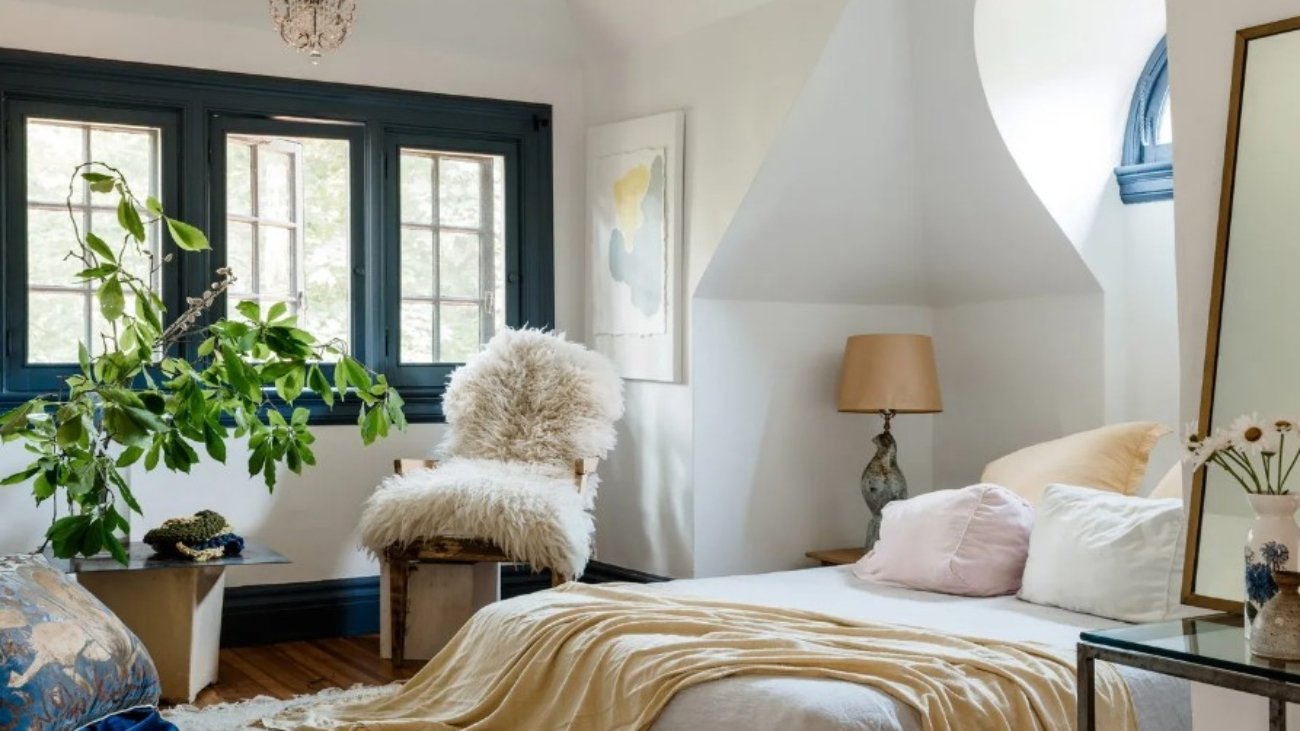
I’ve always believed that a well-designed bedroom comes down to three things: comfort, functionality, and personal style. A beautiful bed is important, of course, but so are the lighting, wall colors, storage solutions, and little decorative details that make the room feel like yours.
If you’ve ever looked at a bedroom in a design magazine and wondered how to achieve something similar at home, you’re not alone. The good news is that you can borrow plenty of professional interior design ideas without spending a fortune.
In this guide, we’ll explore practical home interior ideas for bedrooms of different sizes and styles, from modern minimalist spaces to warm, luxurious retreats. You’ll also discover useful furniture arrangements, color combinations, lighting tips, and affordable decorating tricks to help you create a bedroom that looks attractive and feels comfortable every day.
1. Choose a Bedroom Interior Design Style
Before purchasing furniture or changing the wall color, decide what kind of atmosphere you want to create. Having a clear design direction helps you choose items that work together instead of ending up with a room full of beautiful pieces that don’t quite match.
Modern Minimalist Bedroom Interior
A modern minimalist bedroom focuses on simplicity, clean lines, and practical furniture. Instead of filling the room with decorations, this style uses a few carefully selected pieces to create a calm and organized environment.
Think of a low-profile bed, a simple nightstand, neutral walls, and hidden storage. White, beige, light gray, and muted green are popular colors for this look because they create a soft background without overwhelming the space.
One thing I like about minimalist bedroom design is that it encourages you to be selective. Rather than buying five decorative accessories, choose one framed artwork, a beautiful bedside lamp, or a textured throw blanket that makes the room feel finished.
Scandinavian Bedroom Design
Scandinavian interiors combine simplicity with warmth. Natural wood, soft textiles, comfortable furniture, and plenty of light are common features of this style.
A Scandinavian bedroom might include a light oak bed frame, white walls, cream bedding, and a textured rug. Add a few green plants or simple framed prints to bring personality into the space.
The trick is to avoid making the room feel too cold. If everything is white and smooth, introduce knitted blankets, linen curtains, woven baskets, or wood accents to create more depth.
Contemporary Luxury Bedroom
A luxurious bedroom doesn’t have to be enormous. You can create an elegant atmosphere in an ordinary-sized room by combining thoughtful lighting, quality-looking fabrics, balanced colors, and a strong focal point.
An upholstered headboard, layered bedding, matching bedside lamps, and full-length curtains can make a bedroom feel more refined. Colors such as warm beige, charcoal, cream, forest green, and muted gold are especially useful for this style.
If you’re decorating on a budget, focus on the bed first. Since the bed usually occupies the largest area of the room, an attractive headboard and neatly layered bedding can have more visual impact than several small decorative purchases.
Cozy Rustic Bedroom
Rustic bedroom interiors emphasize natural materials and a relaxed atmosphere. Wooden furniture, linen bedding, woven baskets, and earthy colors help create a space that feels warm rather than overly polished.
You might combine a wood bed frame with cream bedding, terracotta accents, and a soft bedside lamp. Natural imperfections in wood can add character, so you don’t necessarily need furniture that looks perfectly uniform.
This style works particularly well if you enjoy a farmhouse, cottage, or nature-inspired interior.
2. Select the Best Colors for Your Bedroom
Color has a major influence on how a bedroom looks and feels. The right palette can make the room appear brighter, create visual depth, and help the furniture and decorations feel connected.
Before choosing paint, consider the amount of natural light, the color of your flooring, and the furniture you already own.
Soft White and Cream for a Bright Bedroom
White and cream are reliable choices for bedroom walls because they create a clean, flexible background. These shades work well with almost any decorating style, from contemporary to traditional.
Pure white can sometimes look stark in a room with cool lighting. Warm white or cream may create a softer atmosphere, especially when paired with wooden furniture and neutral fabrics.
To keep the room from looking flat, combine several textures. For example, white walls, cream bedding, a woven rug, and light wood furniture can create a layered appearance without introducing many different colors.
Beige and Greige for a Warm Neutral Bedroom
Beige remains popular because it adds warmth while keeping the room relatively light. Greige, which combines gray and beige undertones, offers a slightly more contemporary alternative.
These colors work well with white curtains, oak furniture, black hardware, and soft green accents. They can also make it easier to update your bedroom later because many accessories coordinate with neutral walls.
Before painting the entire room, test a sample on the wall and look at it in morning, afternoon, and evening light. A beige that looks perfect in a store may appear much more yellow once it’s on your bedroom walls.
Sage Green for a Relaxing Bedroom
Sage green is a lovely option for homeowners who want a little color without creating a bold or dramatic interior. Its muted appearance pairs beautifully with cream, white, pale wood, and natural textiles.
You could paint all four walls sage green or use it on the wall behind the bed. If you prefer a subtle approach, introduce the color through pillows, bedding, or artwork.
A sage green bedroom can feel fresh and grounded, especially when you add natural materials and soft lighting.
Blue for a Calm and Stylish Bedroom
Blue is another versatile bedroom color. Pale blue can create a light, airy look, while navy blue adds depth and a more dramatic appearance.
For a balanced design, pair dusty blue walls with white bedding and light wood furniture. If you prefer darker blue, use cream textiles and warm bedside lighting to soften the contrast.
You don’t need to paint the entire room navy to enjoy this color. A dark blue headboard or accent wall can provide enough visual interest without making the whole bedroom feel heavy.
3. Design a Beautiful Bed and Headboard Area
The bed is usually the main focal point in a bedroom. Because it takes up so much visual space, designing the area around it is one of the most effective ways to improve the entire room.
Choose a Headboard That Matches Your Style
An upholstered headboard creates a soft, comfortable appearance and works well in modern or luxury bedrooms. A wooden headboard brings natural warmth, while a simple panel headboard can make a contemporary bedroom feel more structured.
If you’re working with a small budget, you don’t have to purchase an expensive bed frame. A simple bed with an attractive headboard can look stylish when paired with coordinated bedding and thoughtful lighting.
Make sure the headboard is appropriately sized for the bed and the wall. An oversized design can overwhelm a small room, while a very small headboard may look out of proportion behind a large bed.
Create a Decorative Accent Wall
The wall behind the bed is a natural place to add visual interest. You could use a contrasting paint color, decorative wallpaper, wood-look panels, or simple framed artwork.
For a modern bedroom, consider a muted green or warm beige accent wall. For a more luxurious look, vertical wall panels behind an upholstered headboard can add depth and texture.
Keep the rest of the room relatively simple so the accent wall remains the main feature. If you add patterned wallpaper, for example, choose bedding and curtains that complement it rather than compete with it.
Layer Your Bedding for a Hotel-Inspired Look
A hotel-style bed often looks inviting because it uses layers of coordinated fabrics. You can recreate the effect with clean sheets, a duvet or comforter, a folded throw blanket, and a few decorative pillows.
Start with two or three complementary colors rather than trying to match every item exactly. White bedding with beige cushions and a muted green throw, for example, creates a soft and sophisticated combination.
The bed should still be comfortable to use. Don’t add so many pillows that you need to move half of them every night just to get into bed.
4. Choose the Right Bedroom Furniture
Bedroom furniture should fit both your design style and your daily routine. A beautiful room becomes frustrating when drawers are difficult to open, walkways are too narrow, or there’s nowhere to put everyday items.
Select the Right Bed Size
Start by measuring the room and deciding how much space the bed can reasonably occupy. A king-size bed may feel wonderful, but it isn’t always the best choice for a compact bedroom.
Consider the room’s dimensions, the location of doors and windows, and the amount of space needed to move around the bed. Whenever possible, leave comfortable walking space around the bed and enough clearance to open wardrobes and drawers.
A queen bed can be a useful compromise for many rooms, while a twin or full bed may be more practical for smaller bedrooms or guest rooms.
Add Functional Nightstands
Nightstands provide convenient storage for items such as books, glasses, chargers, and bedside lamps. Matching nightstands create a symmetrical look, but different pieces can also work if they share similar colors or visual weight.
In a small bedroom, consider a narrow nightstand or a floating bedside shelf. These options can provide a useful surface without taking up as much floor space.
Keep the top relatively clear. A lamp, a small tray, and one personal item are often enough to create an attractive arrangement.
Include a Dresser or Wardrobe
Clothing storage is essential, but large furniture can quickly make a bedroom feel crowded. Measure the available wall space before buying a dresser or wardrobe, and check the depth of the furniture as well as its width.
Tall storage can be helpful when floor space is limited, provided the furniture fits safely and doesn’t obstruct doors or windows. Built-in wardrobes are another option for making efficient use of awkward corners or alcoves.
If your bedroom already has a large closet, you may not need a bulky dresser. Reducing unnecessary furniture can make the room feel more open.
5. Make a Small Bedroom Feel Bigger
Small bedrooms can be challenging because they need to accommodate sleeping, storage, and sometimes work or study activities. The solution isn’t always to remove everything; it’s to choose items that serve a purpose and arrange them carefully.
Use Light Colors and Simple Patterns
Light-colored walls, bedding, and curtains can help a small bedroom feel brighter. White, warm beige, pale gray, and soft green are all worth considering.
Large, busy patterns may dominate a compact room, so try smaller patterns or mostly solid fabrics. You can still introduce personality with a colorful cushion, framed print, or textured blanket.
Light colors don’t magically increase the room’s dimensions, but they can make the space feel less visually crowded.
Use Mirrors to Reflect Light
A mirror can make a bedroom feel more open by reflecting light and parts of the room. A full-length mirror on a wardrobe door or a wall mirror opposite a window may help brighten the space.
Choose a size and position that fit the room. Avoid placing a mirror where it creates uncomfortable glare from direct sunlight or reflects a cluttered corner you’d rather not emphasize.
Make sure wall-mounted mirrors are properly secured, especially above areas where people sleep or walk.
Choose Multi-Functional Furniture
Multi-functional furniture is particularly useful in compact bedrooms. A bed with drawers, an ottoman with storage, or a desk that doubles as a vanity can help reduce the number of separate pieces you need.
Under-bed storage boxes can hold seasonal clothing, spare bedding, or other items you don’t use every day. Use labeled containers so you can find what you need without pulling everything out.
Another practical option is a wall-mounted bedside shelf. It provides a place for essentials while leaving the floor beneath it clear.
6. Improve Bedroom Lighting
Lighting can change the entire mood of a bedroom. A single bright ceiling light may be enough to illuminate the room, but it often doesn’t provide the cozy atmosphere many people want at the end of the day.
A combination of ambient, task, and accent lighting gives you more flexibility.
Use Warm Lighting for a Cozy Atmosphere
Warm white lighting is often a good choice for bedrooms because it creates a softer appearance than very cool, blue-white lighting. Bulbs around 2700K to 3000K are commonly used when a warm residential atmosphere is desired.
Consider using a dimmable ceiling fixture or bedside lamps so you can adjust the brightness to suit different activities. Brighter light can be useful when cleaning or getting dressed, while lower light may feel more comfortable when relaxing.
Check the bulb’s brightness, measured in lumens, as well as its color temperature. Two bulbs can have the same color temperature but produce very different amounts of light.
Add Bedside Lamps or Wall Lights
Bedside lamps provide useful light for reading and other activities. Choose lamps that suit the height of the nightstands and the overall proportions of the bed.
Wall-mounted reading lights can save surface space in smaller bedrooms. If you choose this option, make sure the light is positioned comfortably for reading without shining directly into your eyes.
For a coordinated appearance, use matching lamps on both sides of the bed. Alternatively, choose different fixtures with similar finishes to create a more relaxed, collected look.
Use Accent Lighting Carefully
LED strips behind a headboard or beneath suitable furniture can add a modern decorative effect. Small accent lights can also highlight artwork, shelves, or architectural features.
Choose products designed for the intended installation and follow the manufacturer’s electrical and ventilation instructions. Avoid placing lights where they can overheat or come into direct contact with bedding and other combustible materials.
Accent lighting should complement the main lighting rather than replace it completely.
7. Select Curtains, Rugs, and Soft Furnishings
Soft furnishings help connect the furniture, wall colors, and decorative accessories. They also influence the comfort and visual balance of the room.
Choose Curtains That Suit the Room
Floor-length curtains can make a bedroom feel taller when the curtain rod is installed appropriately above the window. Light-colored curtains can help preserve a bright appearance, while heavier fabrics may provide better privacy and light control.
If you need a dark room for sleeping, consider blackout curtains or a combination of blackout lining and decorative outer curtains. Check the window dimensions carefully so the panels cover the opening adequately.
For a minimalist bedroom, plain linen-look curtains or simple neutral panels can work beautifully. Patterned curtains may be more suitable when the rest of the room is relatively understated.
Add a Comfortable Bedroom Rug
A rug adds texture and can help define the bed area. A larger rug positioned partly beneath the bed often creates a more connected look than a small rug floating in the middle of the floor.
Choose a rug size that fits the room and allows enough space around the furniture. If you have hardwood or tile flooring, a soft rug can also provide a more comfortable surface when getting out of bed.
Use a suitable nonslip rug pad to help keep the rug in place. This is particularly important in narrow walkways and rooms used by children or older adults.
Mix Textures for a Layered Look
A bedroom can feel flat when every surface has the same texture. You can create more depth by combining cotton bedding, a knitted throw, linen curtains, a woven basket, and wooden furniture.
You don’t need many colors to make this work. A neutral bedroom can look rich and inviting when the textures are varied thoughtfully.
Start with the largest textiles, such as bedding and curtains, then add smaller accents once the overall combination feels balanced.
8. Create Smart Storage for a Clutter-Free Bedroom
A well-designed bedroom should look good without requiring constant effort to keep it tidy. Good storage makes everyday routines easier and prevents clothing, accessories, and personal items from taking over the room.
Use Under-Bed Storage
The space beneath the bed can be valuable storage, particularly in small homes. Flat containers are suitable for spare sheets, blankets, seasonal clothes, and other items that don’t need to be accessed daily.
If you are buying a new bed, consider a model with built-in drawers or a lift-up storage base. Check that you can open the drawers comfortably without blocking nearby furniture.
Keep stored items clean and dry, and avoid using the space to hide things you no longer need. Storage works best when it supports an organized routine.
Install Floating Shelves
Floating shelves can hold books, small plants, framed pictures, and decorative objects without requiring another floor-standing cabinet. They are useful above a desk or dresser, provided they’re installed securely.
Avoid filling every shelf with small accessories. Group a few items together and leave some open space to create a cleaner appearance.
Before drilling into a wall, check for electrical wiring, plumbing, and other concealed services. Use suitable fixings for the wall material and the expected load.
Organize Your Closet
An organized closet can reduce the need for additional bedroom furniture. Use drawer dividers, shelf organizers, and matching hangers where they make the space easier to use.
Store frequently worn clothing at an accessible height and move seasonal items to higher shelves or suitable storage containers. If the closet is small, consider whether some items can be stored elsewhere.
Regularly reviewing your belongings can also help. There’s little point in buying another storage cabinet if the real problem is clothing you no longer wear.
9. Add Personality With Bedroom Wall Decor
Wall decor is an easy way to make a bedroom feel personal. It can introduce color, create a focal point, and help the room feel complete without taking up valuable floor space.
Hang Artwork Above the Bed
A single large artwork or a coordinated group of smaller frames can look attractive above the headboard. Choose pieces that complement the room’s color palette and don’t overwhelm the bed.
For a calm bedroom, consider landscape photography, abstract art, botanical prints, or simple line drawings. If you prefer a more personal approach, use family photographs or artwork collected during your travels.
Hang frames securely and use appropriate wall anchors. Avoid heavy or poorly mounted objects directly above the sleeping area.
Try Decorative Wall Panels
Wall panels can add texture and architectural interest. Vertical panels may emphasize the height of a room, while upholstered panels behind the bed can create a soft, hotel-inspired appearance.
The right paneling depends on the room’s proportions and overall style. In a small bedroom, simple designs with limited visual contrast may work better than elaborate patterns.
If you’re working with a tight budget, consider paint as an alternative. A carefully planned accent wall can create a similar focal point for much less money.
Create a Personal Gallery Wall
A gallery wall is a good option if you have several smaller prints, photographs, or illustrations you want to display together. Use frames with a common color or finish to help the arrangement feel cohesive.
Lay the frames out on the floor first to test the spacing before hanging anything. This small step can save you from filling unnecessary holes in the wall.
Keep the gallery at a comfortable viewing height and avoid spreading the frames too far apart. A more compact arrangement often looks intentional and balanced.
10. Bring Nature Into Your Bedroom
Natural elements can soften a bedroom’s appearance and create a connection with the outdoors. Wood, woven materials, natural fabrics, and a few suitable plants can all help achieve this effect.
Add Indoor Plants
Plants can introduce color and texture without requiring additional artwork or decorative accessories. Depending on the light conditions, options such as pothos, snake plants, or certain types of ZZ plants may be suitable for a bedroom.
Choose plants based on their actual care requirements rather than appearance alone. A plant that needs bright indirect light may struggle in a dark corner, no matter how attractive it looks there.
Keep plant containers stable and use saucers to protect furniture and flooring from water. If you have pets, check whether the plant is toxic to them before bringing it home.
Use Natural Wood and Woven Materials
Wooden furniture, woven baskets, rattan accents, and natural-fiber rugs can create a warm, relaxed bedroom. These materials work particularly well with neutral wall colors and soft bedding.
You don’t need to replace all your furniture to introduce natural textures. A wooden tray, woven laundry basket, or small bedside stool can provide a noticeable change.
For a more coordinated look, repeat the same material in two or three places rather than using a different texture in every corner.
11. Design a Bedroom That Feels Luxurious on a Budget
Luxury is often associated with expensive furniture, but the feeling of a well-designed bedroom comes from proportion, comfort, lighting, and attention to detail. You can create an elegant appearance without purchasing everything new.
Focus on the Bed First
Because the bed is usually the largest feature, improving its appearance can make the entire room look more polished. Use clean bedding, a coordinated duvet cover, and a few well-chosen pillows.
A simple upholstered headboard or a neatly finished wooden bed frame can provide a strong foundation. You don’t need designer bedding if the colors and textures work well together.
Keep the arrangement comfortable and practical rather than copying a showroom display exactly.
Coordinate Hardware and Accessories
Small details can make a room feel more intentional. Matching finishes on drawer pulls, lamps, picture frames, and curtain hardware help connect the different elements.
Black, brushed brass, chrome, and matte nickel are all useful finishes, depending on your design style. Try to repeat a finish rather than introducing too many unrelated metals.
You can also refresh older furniture by replacing worn hardware, provided the new pieces fit correctly.
Keep Surfaces Neat
A clear nightstand or dresser allows the furniture and decorative objects to stand out. Use a small tray to group everyday items such as jewelry, a watch, or hand cream.
Hide charging cables where practical and keep laundry in a suitable hamper. These little improvements make the room easier to maintain and help preserve its finished appearance.
12. Bedroom Interior Ideas for Different Needs
The best bedroom design depends on who uses the room and how much space is available. A guest room, children’s bedroom, and shared master bedroom may all need different solutions.
Master Bedroom Interior Design
A master bedroom often benefits from a clear focal point, comfortable bedside lighting, adequate clothing storage, and coordinated textiles. If the room is large enough, a reading chair or small dressing area can provide extra functionality.
Keep the layout simple enough that the room remains easy to move through. Large furniture can look impressive, but it should never prevent access to closets, windows, or doors.
Small Guest Bedroom
A guest bedroom needs to feel welcoming while remaining practical. Choose a comfortable bed, a small nightstand, accessible lighting, and somewhere for visitors to place their belongings.
If the room is used for other purposes during the year, a daybed or a suitable storage bed may be helpful. Keep decorations relatively simple so the room works for different guests.
Provide enough space for a suitcase or a small bag if possible. These practical details can make visitors feel more comfortable.
Children’s Bedroom
Children’s bedrooms should balance fun, safety, and flexibility. Use colors and decorations that reflect the child’s interests, but consider keeping large furniture and permanent finishes relatively versatile.
Storage bins, low shelves, and accessible drawers can help children put away toys and clothing. Secure tall furniture to the wall and choose age-appropriate lighting, window coverings, and furniture.
Wall decals and removable artwork can introduce playful themes without requiring a major redesign as the child grows.
Bedroom With a Work or Study Area
If you need a desk in your bedroom, choose a position that provides adequate light and doesn’t interfere with the bed’s main walking paths. A compact desk, wall-mounted shelf, or slim chair can help conserve space.
Use a small lamp for focused tasks and storage for paperwork and electronic accessories. At the end of the workday, put away supplies or use a screen to visually separate the work area from the sleeping area.
Even a modest separation can make a multipurpose bedroom feel more organized.
13. Common Bedroom Interior Design Mistakes to Avoid
A bedroom doesn’t need to follow strict rules, but certain design choices can make it less comfortable or harder to maintain. Fortunately, most problems can be corrected without starting from scratch.
Choosing Furniture That’s Too Large
Oversized furniture can make a bedroom feel crowded and reduce useful walking space. Measure the room, check the dimensions of the furniture, and consider how doors and drawers will open before purchasing anything.
It’s also helpful to mark out the bed and dresser dimensions on the floor using painter’s tape. This gives you a better sense of the layout before moving heavy furniture into the room.
Using Too Many Colors and Patterns
Combining too many strong colors and patterns can make a bedroom feel visually busy. Start with a main color, add one or two supporting shades, and introduce contrast through small accessories.
You can still use bold prints or colorful artwork. The key is to give those features enough space so they don’t compete with everything else.
Ignoring Lighting and Window Placement
A room can feel uncomfortable when the only light source is a bright ceiling fixture or when curtains block too much natural light. Consider how daylight enters the room and where task lighting will be useful.
Use layered lighting where practical, and choose window treatments that balance privacy, light control, and appearance.
Buying Decorations Before Planning the Layout
Decorative objects are appealing, but they won’t solve problems caused by poor furniture placement or insufficient storage. Decide where the bed, wardrobe, and nightstands will go before spending money on accessories.
Once the functional layout works, add artwork, rugs, lamps, and decorative pieces to complete the design.
14. How to Plan a Bedroom Makeover Step by Step
A bedroom makeover becomes easier when you divide it into manageable stages. You don’t need to replace everything at once or complete the project in a single weekend.
Step 1: Measure the Room
Measure the walls, ceiling height, windows, doors, and major architectural features. Record the dimensions of your existing furniture and note where electrical outlets are located.
These measurements help you avoid buying a bed, wardrobe, or dresser that doesn’t fit comfortably.
Step 2: Choose a Color Palette
Select a main wall color and two or three complementary colors for bedding, curtains, and accessories. Test paint samples in the room and observe them under different lighting conditions.
If you’re keeping existing furniture, use its colors and finishes as a starting point.
Step 3: Establish the Furniture Layout
Place the bed where it can serve as the main focal point without blocking doors or windows. Position nightstands, wardrobes, and dressers so everyday movement remains comfortable.
If the room is small, prioritize the essential furniture first and add secondary pieces only if space allows.
Step 4: Set a Realistic Budget
List the items that need to be repaired, replaced, or added. Divide the budget into categories such as paint, furniture, lighting, textiles, and accessories.
Prioritize the changes that will make the biggest difference. Fresh paint, better lighting, and new bedding may be more worthwhile than replacing perfectly functional furniture.
Step 5: Add Finishing Touches
Once the major elements are in place, add curtains, rugs, artwork, plants, and a few personal decorations. Step back and look at the room from the doorway to see whether anything feels crowded or out of place.
You may find that removing a few unnecessary items creates a better result than buying more decorations.
Conclusion: Create a Bedroom Interior That Feels Like Home
A beautiful home interior for a bedroom doesn’t depend on having a large space or an unlimited budget. It comes from choosing a practical layout, selecting colors that suit the room, using comfortable furniture, and adding details that reflect your personal style.
Start with the essentials: a comfortable bed, useful storage, suitable lighting, and a coordinated color palette. Then build on those foundations with soft textiles, artwork, plants, and decorative accents that make the room feel welcoming.
If you’re working with a small bedroom, focus on space-saving furniture, light colors, and simple arrangements. If you want a luxurious appearance, pay attention to the bed, layered bedding, lighting, and finishes rather than spending money on every available accessory.
Most importantly, design your bedroom for the way you actually live. The best bedroom interior is one that looks good, supports your daily routine, and gives you a comfortable place to relax at the end of the day.
Frequently Asked Questions (FAQ)
1. What is the best interior design style for a bedroom?
The best style depends on your preferences, room size, and budget. Modern minimalist, Scandinavian, contemporary luxury, and rustic designs are all popular choices.
Choose a style that complements your existing furniture and creates the atmosphere you want.
2. Which colors are best for bedroom interiors?
Warm white, beige, greige, sage green, and soft blue are versatile choices for bedroom interiors. They can create a calm appearance and work with a wide range of furniture styles.
Test paint samples in your room before committing to a color because lighting can change how a shade appears.
3. How can I make a small bedroom look bigger?
Use light colors, keep the layout simple, and choose furniture that fits the room’s dimensions. Mirrors, wall-mounted shelves, and under-bed storage can also help make the space feel more open and organized.
Avoid blocking windows or filling every available surface with decorations.
4. How can I decorate my bedroom on a budget?
Start by rearranging your existing furniture and decluttering the room. Then consider repainting the walls, updating pillow covers, improving lighting, or adding inexpensive artwork.
Focus on a few changes that create the greatest visual impact rather than buying everything new.
5. What furniture is essential for a bedroom?
The basic essentials are a bed, a suitable mattress, and storage for clothing and personal items. Nightstands, lamps, a dresser, and a desk can be added according to your needs and available space.
The goal is to make the room functional without overcrowding it.
6. How do I make my bedroom look luxurious?
Use coordinated bedding, a well-proportioned headboard, layered lighting, and a consistent color palette. Keep surfaces organized and repeat a few complementary finishes throughout the room.
Thoughtful styling can create an elegant appearance without requiring expensive designer furniture.
7. What type of lighting is best for a bedroom?
A combination of ambient lighting, bedside task lighting, and optional accent lighting offers the most flexibility. Warm white bulbs around 2700K to 3000K are often suitable for a cozy residential atmosphere.
Consider dimmable fixtures if you want to adjust the light for reading, relaxing, or getting dressed.
8. Should bedroom walls be light or dark?
Both can work well. Light walls often make a room feel brighter, while dark colors can create depth and a more intimate atmosphere.
Consider the room’s natural light, dimensions, and furniture colors before deciding.
9. How can I make my bedroom feel more cozy?
Add soft bedding, textured blankets, comfortable rugs, warm lighting, and curtains that suit your privacy needs. Natural materials such as wood, linen, and woven fibers can also make the room feel more inviting.
Keep the arrangement uncluttered so the space remains relaxing and practical.
10. How often should I update my bedroom interior?
There is no fixed schedule for updating a bedroom. You can refresh the room whenever your needs change, furniture becomes worn, or the existing design no longer suits your preferences.
Small updates, such as new bedding, different artwork, or a fresh coat of paint, can make a noticeable difference without requiring a full renovation.
11. How do I arrange a bed in a small bedroom?
Whenever possible, position the bed so it doesn’t block doors, windows, or essential storage. Placing the headboard against a solid wall often provides a practical starting point.
Measure the room and test different layouts before moving heavy furniture. Leave enough space to get in and out of bed comfortably.
12. What are the latest bedroom interior design trends?
Popular design directions include warm neutral palettes, natural wood, textured fabrics, layered lighting, soft green shades, and multifunctional furniture. However, trends change over time, so it’s usually better to choose features that suit your lifestyle rather than redesigning your room around every new trend.
A comfortable, functional bedroom with personal details can remain attractive for years.