5 Tips for Selecting the Right Landscaping Service

5 Tips for Selecting the Right Landscaping Service

5 Tips for Selecting the Right Landscaping Service

Choosing the right landscaping service can make a significant difference in the appearance and value of your property. Whether you’re looking to create a lush garden oasis, a functional outdoor living space, or simply maintain the current landscape, hiring the right professionals is crucial. However, with so many options available, it can be overwhelming to decide which landscaping company to trust with your vision. In this blog post, we’ll explore five essential tips to help you select the perfect landscaping service for your needs.

Evaluate Their Experience and Expertise

When selecting a landscaping service, the company’s experience and expertise play a vital role in the success of your project. Start by investigating how long the landscaping company has been in operation and the scope of projects they have undertaken. A seasoned company is more likely to have refined its skills and methodologies over the years, resulting in high-quality outcomes.

Look into the types of projects they have previously completed to see if they align with your needs. For example, if you are looking to install a water feature or a specific type of garden, ensure the company has a portfolio that reflects their proficiency in such areas. This can give you confidence that they have the necessary experience to handle your project successfully.

Also, consider the company’s familiarity with the local environment and climate. A landscaping company with local expertise can provide valuable insights into the types of plants that thrive in your area, optimal irrigation practices, and other location-specific considerations. This local knowledge can be a significant advantage in achieving a sustainable and aesthetically pleasing landscape.

When evaluating their expertise, don’t hesitate to ask for credentials or certifications that demonstrate their professional qualifications. Certifications from recognized industry organizations can be a good indicator of a company’s commitment to maintaining high standards and staying updated with the latest landscaping techniques and trends.

You can also gauge a company’s expertise by asking detailed questions during your initial consultations. Inquire about their approach to problem-solving, their design process, and how they handle unexpected challenges. A knowledgeable and experienced landscaping service will be able to provide well-informed answers and demonstrate their capability to adapt to various project requirements.

By thoroughly evaluating a company’s experience and expertise, you can better ensure that they are equipped to bring your landscaping vision to life.

Check for Proper Licensing and Insurance

Ensuring that a landscaping company holds the appropriate licensing and insurance is a critical step in your selection process. Licensing signifies that the company adheres to industry regulations and is authorized to perform landscaping services in your area. Always verify the company’s licensing status and ensure it is current to avoid potential legal complications.

Insurance is another crucial aspect to consider. A reputable landscaping company should carry both liability insurance and worker’s compensation coverage. Liability insurance protects you from financial responsibility in case of accidental property damage during the project. For example, if a tree branch falls and damages your home or a neighboring property, the insurance will cover the repair costs. Worker’s compensation insurance, on the other hand, safeguards you from being liable for any injuries that workers might sustain while on your property. This type of coverage is vital as landscaping can involve heavy machinery and potentially hazardous tasks.

Requesting proof of insurance is a prudent measure. Don’t just take the company’s word for it—ask to see their insurance certificates. This documentation should detail the types of coverage they have and the policy limits. It’s also wise to contact the insurance provider directly to verify that the policies are active and comprehensive.

While discussing insurance, inquire if the landscaping company offers any additional guarantees or warranties on their work. These can provide extra peace of mind, knowing that the company stands behind its services and is willing to address any issues that may arise post-completion.

Pay attention to how transparent the company is about these aspects. A professional landscaping service should willingly provide all necessary documentation and answer any questions you may have regarding their licensing and insurance. This transparency not only builds trust but also demonstrates the company’s commitment to operating responsibly and ethically. Taking these precautions ensures you’re protected throughout the course of your landscaping project.

Read Reviews and Ask for References

Investigating a landscaping service’s reputation through reviews and references is a critical step. Online review platforms such as Google, Yelp, and the Better Business Bureau are excellent resources for gauging customer satisfaction. Pay close attention to consistent feedback, whether positive or negative, to identify patterns in the company’s performance. For instance, repeated mentions of excellent customer service or punctuality can be strong indicators of reliability, whereas recurring complaints about project delays might signal potential issues.

Beyond online reviews, directly contacting references can provide valuable insights. Ask the landscaping company for a list of previous clients who can speak about their experiences. When reaching out, focus on specific aspects like the quality of work, adherence to timelines, and how effectively the company communicated throughout the project. Inquiring about any challenges faced and how they were resolved can also reveal much about the company’s problem-solving capabilities and professionalism.

Additionally, consider checking the company’s social media pages. These platforms can offer a more informal perspective on customer interactions and showcase the company’s recent projects, giving you a visual sense of their work quality. Engaging with these resources helps ensure you choose a landscaping service with a proven track record of satisfying clients.

Understand Their Pricing and Contracts

When choosing a landscaping service, getting a clear understanding of their pricing and contracts is essential to avoid unexpected costs and ensure the project’s smooth execution. Start by requesting a comprehensive estimate that breaks down the expenses for labor, materials, equipment rental, and any additional services or fees. This transparency not only helps you compare different companies but also enables you to plan your budget more accurately.

When reviewing the contract, ensure it clearly outlines the scope of work. This should include detailed descriptions of the tasks to be performed, the types of materials to be used, and any specific features or elements to be installed. A well-defined scope of work helps prevent misunderstandings and ensures both parties are aligned on the project’s expectations.

The timeline is another critical component of the contract. Make sure the agreement specifies the project’s start and completion dates, as well as any key milestones. This information allows you to hold the landscaping company accountable for meeting deadlines and helps you plan around the project’s duration.

Payment terms should also be explicitly stated in the contract. This includes the total cost, payment schedule, and any required deposits. Be cautious of any landscaping service that demands a significant upfront payment, as this can be a red flag. Instead, look for a company that offers a reasonable payment plan tied to project milestones or completion stages.

Additionally, check for any guarantees or warranties offered by the landscaping service. These can cover various aspects, such as the longevity of plants, the durability of hardscape features, or the quality of workmanship. Understanding these guarantees helps you know what recourse you have if issues arise after the project is completed.

Clarify any clauses related to project modifications or additional work. Sometimes, unforeseen changes may be necessary, and it’s crucial to know how these will be handled financially and logistically. Make sure the contract includes provisions for handling change orders, including how they will be approved and billed.

By thoroughly reviewing and understanding the pricing and contract terms, you can enter into your landscaping project with confidence and clear expectations.

Assess Their Communication and Customer Service

Strong communication and customer service are integral to the success of your landscaping project. During your initial interactions with the landscaping company, take note of their responsiveness and attentiveness. A company that quickly returns calls or emails and takes the time to thoroughly address your questions is demonstrating a commitment to customer satisfaction. It’s important that the landscaping team listens to your ideas and provides thoughtful feedback. Effective communication ensures that everyone is on the same page, minimizing the risk of misunderstandings and ensuring your vision is accurately realized. Look for a company that is not only willing to discuss your project in detail but also offers creative solutions and professional advice based on their expertise. Evaluate the company’s approach to project updates. Regular progress reports and check-ins can provide peace of mind and keep you informed about the status of your project. Ask about their preferred methods of communication and how often you can expect updates. This proactive approach can help catch potential issues early and address them promptly. Customer service extends beyond the project’s completion. A reliable landscaping service will be available to answer any post-project questions or address follow-up concerns. This ongoing support can be crucial for maintaining your landscape and ensuring long-term satisfaction with their work. By closely assessing a company’s communication practices and customer service, you can ensure a collaborative and stress-free experience. A landscaping Carmel service that values your input and prioritizes clear, consistent communication is more likely to deliver a high-quality result that meets your expectations.


Polish manufactured Windows – why choose them?

Polish manufactured Windows – why choose them?

Polish manufactured windows are gaining increasing popularity not only in the domestic market but also abroad, which is undeniable evidence of their growing reputation and customer trust. In recent years, more and more people from different parts of the world are opting to purchase windows from Polish manufacturers, noticing not only their excellent quality but also innovation and competitive prices. It’s worth taking a closer look at this phenomenon and understanding what makes windows from Polish manufacturers increasingly desired products in the international market.

In this article, we will focus on analyzing why it’s worth choosing windows from Polish manufacturers, especially in the context of purchasing abroad. We will examine the factors that make Polish-origin windows an increasingly preferred choice for customers worldwide. We’ll consider the benefits of choosing windows from Polish manufacturers and what advantages can be gained by opting for products of this category. From exceptional quality materials to competitive prices, from flexibility in customization to professional customer service – all these aspects contribute to the growing popularity of Polish manufacturer windows in the international market.

Excellent Quality Materials and Craftsmanship

Windows from Polish manufacturers stand out for their excellent quality materials and meticulous craftsmanship. Polish companies, such as Fintecnic, ensure the use of only the best raw materials for window production, resulting in durable and reliable products. By choosing windows from Polish manufacturers, you can be sure that they will be resistant to weather conditions, unchanged over many years of use, and meeting the highest quality standards. Meticulous craftsmanship also guarantees trouble-free installation and proper functioning of windows for many years, making them a solid investment in home comfort and safety.

Competitive Prices

One of the main reasons to choose windows from Polish manufacturers is the competitive prices they often offer. Polish companies focus on optimizing production processes and efficient cost management, allowing them to maintain attractive prices for their products. Thus, even compared to windows from foreign manufacturers, Polish-origin windows may be more accessible to a wide range of customers. However, favorable prices do not mean compromising on quality – Polish manufacturers ensure offering products of the highest quality while maintaining an attractive price, making the choice of windows from Polish manufacturers exceptionally cost-effective.

Flexibility and Customization

Windows from Polish manufacturers, such as Fintecnic, are characterized by high flexibility and customization options to meet individual customer needs. The company offers a wide range of configuration options, ranging from various types of profiles to different types of glass, and additional decorative elements and fittings. This allows every customer to find the perfect windows tailored to their aesthetic preferences, technical requirements, and budget. The manufacturer’s flexibility enables the creation of a solution perfectly suited to the specific needs of the customer, making the purchase of windows a pleasure and a realization of dreams of a beautiful and functional home.

High-Quality Customer Service and After-Sales Support

Companies like Fintecnic, as well as many other Polish window manufacturers, place great emphasis on high-quality customer service and after-sales support. Professional and friendly customer service, advice at every stage of purchase, and quick response to any questions or issues from customers make collaboration with a Polish manufacturer easy and comfortable. Additionally, Fintecnic offers after-sales support, quality guarantee, and quick response to any customer complaints or queries. This ensures that the customer can be confident that by choosing windows from a Polish manufacturer, they receive not only a high-quality product but also comprehensive care and support at every stage of collaboration.

Choose Fintecnic Polish Manufacturer Windows

Purchasing windows from a Polish manufacturer like Fintecnic guarantees excellent quality, competitive prices, and professional customer service at every stage of collaboration. The company has years of experience and offers expert assistance in choosing the best windows for your home. With a rich offering, flexibility, and high-quality products, Fintecnic windows will meet the expectations of even the most demanding customers. Visit the Fintecnic website for more information about the products offered and to benefit from professional assistance in choosing the perfect windows for you and your home.

The Best Kitchen Countertops for Busy Families

The Best Kitchen Countertops for Busy Families

For families with kids, pets, and constant kitchen activity, selecting highly durable and low-maintenance countertop surfaces is key. You want materials that can stand up to spills, scratches, heat and will not show too many signs of wear over time.

Quartz Countertops

Pros:

  • Extremely durable and resistant to staining, scratches, heat.
  • Non-porous, so it will not harbor bacteria or odors.
  • Requires minimal maintenance – no sealing needed.
  • Wide variety of colors and patterns available.

Quartz is an ideal family-friendly countertop choice because it doesn’t require much upkeep and is one of the most durable surfaces on the market. Its non-porous nature also makes it a hygienic option for kitchen spaces.

Granite Countertops

Pros:

  • Exceptionally hard and resistant to chips, cracks, and heat.
  • Each slab is completely unique in color and patterning.
  • High resale value can increase your home’s worth.
  • Vast array of color options from neutrals to brighter hues.

Cons:

  • Requires periodic sealing to maintain stain resistance.
  • Can be pricier than other solid surfaces.
  • Very heavy, may need reinforced cabinets to support weight.

The experts at Bedrock Quartz say that as a natural stone, granite countertops are highly durable and a lovely choice for active kitchens. With proper sealing, they can easily withstand high traffic and tough treatment from kids. The unique patterns also help camouflage some signs of wear.

Solid Surface Countertops

Pros:

  • Non-porous, so liquids cannot stain, and bacteria is prevented.
  • No sealing required – surfaces are seamless and easy to clean.
  • Scratches and marks can be buffed out over time.
  • Available in many colors and styles.

Cons:

  • Can be damaged by excessive force or heat.
  • Visible seams in larger kitchens.
  • Higher initial material and labor costs.

Solid surface materials like Corian are ideal options for busy families. They are incredibly stain-resistant, and scuffs and marks can be removed or buffed out over time, keeping surfaces fresh. The seamless designs also make cleaning super easy.

Laminate Countertops

Pros: 

  • One of the most budget-friendly countertop choices.
  • Readily available in hundreds of colors and patterns.
  • Easy to clean with a damp cloth.
  • Seamless installations are fairly affordable.

Cons:

  • Not as durable as stone or quartz surfaces.
  • Can be damaged by knives, hot pans, and abrasives.
  • Seams may show over time and become traps for dirt.
  • Lower resale value compared to premium surfaces.

For families on a tighter budget trying to maximize value, laminate countertops may be the way to go. While not indestructible, laminates are quite affordable to replace when needed. With reasonable care, a high-quality laminate can provide solid service for busy kitchens.

Butcher Block Countertops

Pros:

  • Warm, rustic look adds character to kitchens.
  • Seamless installations available.
  • Wood naturally resists bacteria growth.
  • Renewable and eco-friendly material.

Cons:

  • Must be oiled periodically and sealed against moisture.
  • Can be easily damaged by knives, burns, and standing water.
  • Not ideal for overly humid climates or homes.
  • Limited lifespan of around 10-15 years with heavy use.

Butcher block counters may seem a bit high maintenance for families but can absolutely work as accent surfaces providing prep space near cooktops. They impart a lovely timeless look but must be properly oiled and sealed for sanitation.

Conclusion

No matter your household’s lifestyle, finding the right material balance of durability, beauty, and budget is key. If you have young kids prone to spilling and making messes, prioritize easy-to-clean and scuff-resistant surfaces like quartz or solid composites. For homes with older and neater family members, you may be able to get away with higher-end materials like marble countertops or even wood. Assess your unique needs to select counters built to withstand your family’s daily comings and goings.

A Comprehensive Guide to Property Management Perth: Maximising Returns and Minimising Hassles

A Comprehensive Guide to Property Management Perth: Maximising Returns and Minimising Hassles

Are you a property owner in Perth? Are you facing the age-old dilemma of selling or renting your property? This decision will make a huge difference in future profits, so take careful consideration before you make any decisions. In this guide, we will walk you through all the significant aspects of property management Perth.

Current Market Conditions in Perth

You have to understand the current market conditions in Perth. Many things can affect the real estate market in Perth, such as the demand for rental homes, home prices, and the yields received on your property. Before taking that step to rent out a property, paying some attention to due diligence is essential—take a little time to study, after all!

Before deciding whether renting out your property is advantageous, find the time to study and analyse market trends. Staying ahead of market trends and navigating the complexities of property management Perth can be an arduous challenge. With rental prices constantly swinging violently back households into the black and then back out again and vacancy rates changing throughout the day or week, having a good understanding of the current situation is critical for increasing yields.

Residential market conditions in Perth have had their ups and downs in recent years. The aftereffects of COVID-19 still reverberate through society, leading rental prices and vacancy rates to fluctuate regularly. As a property owner, you need to understand these trends. Monitoring market intelligence and gathering expert opinions can help guide you through the changing terrain of Perth’s property market.

Financial Considerations

Since it can produce a substantial sum of money in a single go, selling your property represents a one-time windfall, but turning it over to the renter instead will bring on a steady stream of annual income. Calculate such factors as potential rental income, capital gains tax, upkeep budgets, and how the value of your real estate might increase in the future when choosing between renting and selling the property.

Before you put your property on the rental market, investigate the current rates landlords are obtaining in Perth to ensure you’re coming in competitively. In addition, setting aside money for patching and painting the walls and keeping up your garden are essential ongoing costs if your property is going to maintain its long-run value. Also, you need to know how much the rental stream will affect your tax situation.

The availability of landlord insurance is also something to consider as you protect your property and wealth.

Lifestyle and Long-Term Goals

A second principal consideration is how renting out your property fits in with your lifestyle and long-range financial plans. Subletting your property gives you a fixed income, while selling it all at once provides a financial one-off. Reflect on your priorities and long-term goals to determine which fits best into your schedule.

Renting your property can provide a continuing stream of passive income, giving you financial independence and a flexible lifestyle. Whether you travel, live elsewhere, or make other investments, the income from renting your house helps you achieve your goal. By turning that rental income back into equity in your property, you are preparing for your future financial security and peace of mind.

One of the significant advantages is that you can bring in income from your investment while still working. You can manage your rental income properly by saving wisely and then investing it wisely so that a financial cushion is waiting for you at retirement. While your property is rented out, you could be saving for future investments or purchases, such as more rental properties or other assets. Diversifying your income streams by building a portfolio of rental properties means that you can spread the risk and develop an income-building strategy that is repeatable for every property you buy. Finally, you need an endowment for your children, grandchildren, and grandchildren—that is to say, passing on both money and a good example.

One of the best financial moves you can make is to turn your Perth property into a rental income generator. By carefully calculating the economic implications, lifestyle benefits, and long-range goals of renting out your property, you can maximise your financial potential and ensure a golden financial future full of security.

Property Management Options

If you lease property in Perth, you can make a stream of income over a long period of time. Owning the property will give you tax benefits, too. Renting out your property provides an opportunity for wealth in the future and security at one’s leisure. When it comes to property management Perth options, traditional property management companies take a hands-off approach on behalf of landlords. These businesses handle everything from tenant screening through rent collection to property maintenance. This can ease much of the load for landlords, but it also involves management fees and potential communication problems. Before you lease your property in Perth, there are specific legal considerations that you should understand closely.z.

Effective marketing and tenant screening are critical for securing good tenants for your residential property management Perth. Perform background checks, reference checks, and credit checks on every potential renter you find to guarantee that reliable and responsible leaseholders will be the ones using your space. You can expand your reach via online listening platforms, social media, and local advertising.

Don’t overlook tenants who live in the top creature comfort zone, which is your rental property. To ensure good tenant relations as well as maintaining property values, keep it in good condition. You should be proactive about tasks like plumbing repair, jobbing, and landscape work and act promptly on requests for maintenance from your tenants.

Maximising Rental Income

You can enhance revenues from your Perth property rental by raising rents and managing expenses. Stay abreast of market trends, adjusting rates as necessary for the competition’s sake. Cut wherever you can; utility bills or management fees for your property will cut profits directly into your rental income.

In Summary

Deciding whether or not to sell your house in Perth, Australia, is a big financial decision that requires careful consideration. Evaluate current market conditions and property management Perth options, as well as the financial ramifications and objectives of your lifestyle, in order to make this choice in an informed manner. It’s recommended that you get advice from a professional, such as a real estate expert or financial advisor. It’s an excellent idea to think through extremely well how you can go about making money from your house.

Don’t rush into anything. Be patient and carefully calculate every aspect when dealing with the rental of an asset in Perth. Take your situation into account. For example, consider market conditions and financial implications, as well as your lifestyle aims and handling options. By ensuring that every decision fits well with this particular piece of real estate, whether renting to provide passive income or selling out, all these decisions will fit into long-term patterns rather than just the short term.

Ultimately, you can find a good balance in the long run. Make choices in property management Perth that are right for today rather than yesterday. With diligence and a sensible approach, you can maximise your property’s potential earnings and investment value in fast-paced real estate.

The Ultimate Guide to Tiny Homes: Living Big in a Small Space

Introduction

What is a Tiny Home?

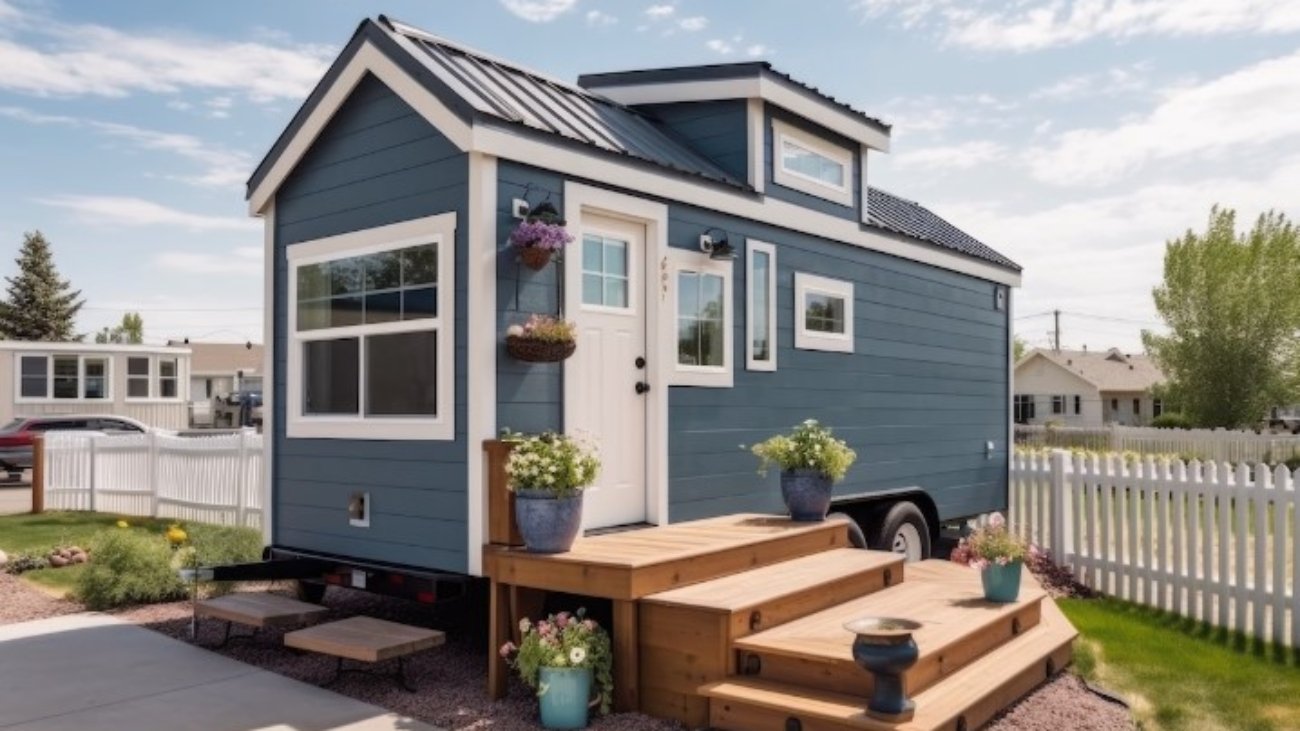
Tiny homes are compact, efficient living spaces that typically range from 100 to 400 square feet. They prioritize minimalist living, with a focus on functionality and sustainability. But don’t let their size fool you—tiny homes can be incredibly cozy and comfortable!

Why Tiny Homes are Trending

Tiny homes have become a global sensation. With rising housing costs, environmental concerns, and a desire for simpler living, many are drawn to the tiny home lifestyle. It’s not just about downsizing; it’s about upgrading your quality of life by focusing on what truly matters.

History of the Tiny Home Movement

Early Beginnings

The concept of living small isn’t new. Throughout history, various cultures have embraced small living spaces, from yurts in Mongolia to Japanese tea houses. The modern tiny home movement began gaining traction in the early 2000s, spearheaded by visionaries like Jay Shafer.

Modern Popularity

Fast forward to today, and tiny homes are more popular than ever. Television shows, social media, and a growing awareness of environmental issues have propelled the movement into the mainstream. People are increasingly seeking ways to reduce their carbon footprint and live more sustainably.

Benefits of Tiny Home Living

Financial Freedom

One of the most compelling reasons to go tiny is the financial freedom it offers. With lower building and maintenance costs, tiny homes can free you from hefty mortgages and high utility bills, allowing you to save more and live debt-free.

Environmental Impact

Tiny homes are eco-friendly by design. They use fewer materials to build and consume less energy to heat, cool, and maintain. Many tiny homeowners incorporate sustainable practices like solar panels, composting toilets, and rainwater collection systems.

Simplified Lifestyle

Living in a tiny home encourages a minimalist lifestyle. With limited space, you prioritize what you truly need and value. This shift can lead to a more meaningful and intentional way of living, free from the clutter and distractions of a larger home.

Challenges of Tiny Home Living

Limited Space

The most obvious challenge is space. Adjusting to a smaller living area requires creativity and careful planning. Every inch counts, and multifunctional furniture and smart storage solutions become essential.

Zoning Laws and Regulations

Zoning laws and building codes can be a significant hurdle for tiny home enthusiasts. These regulations vary widely by location and can impact where and how you can build or park your tiny home.

Social Adjustments

Living tiny can also mean adjusting socially. Whether it’s sharing a small space with family members or dealing with the perceptions of others, transitioning to tiny living requires a willingness to adapt and communicate.

Designing Your Tiny Home

Choosing the Right Layout

The layout is crucial in a tiny home. Open floor plans, lofted sleeping areas, and convertible spaces are popular choices. It’s important to design a layout that fits your lifestyle and needs.

Maximizing Storage

Storage is a top priority in any tiny home. Built-in shelves, underfloor storage, and multifunctional furniture can help maximize your space. Think creatively about how to utilize every nook and cranny.

Multi-functional Furniture

Furniture that serves multiple purposes is a game-changer. Consider options like a sofa that converts into a bed, a dining table that doubles as a workspace, or stairs that also function as storage units.

Building Your Tiny Home

DIY vs. Professional Builders

Deciding whether to build your tiny home yourself or hire professionals depends on your skills, budget, and timeline. DIY builds can be cost-effective but require a significant time investment. Professional builders offer expertise and efficiency.

Materials and Costs

The materials you choose impact both the cost and sustainability of your tiny home. Reclaimed wood, recycled materials, and energy-efficient appliances can help reduce your environmental footprint and expenses.

Building Process Overview

The building process involves several steps: planning, obtaining permits, constructing the frame, installing utilities, and finishing the interior. Each step requires careful attention to detail to ensure your tiny home is safe and comfortable.

Living in a Tiny Home

Daily Life Adjustments

Life in a tiny home requires adjusting your daily habits. You’ll need to be more mindful of your space, routines, and possessions. This shift can lead to a more organized and intentional lifestyle.

Organizing Your Space

Keeping your tiny home tidy is essential. Regular decluttering, smart storage solutions, and efficient use of space help maintain a comfortable living environment.

Maintaining Your Tiny Home

Regular maintenance is key to keeping your tiny home in good condition. This includes checking for wear and tear, ensuring all systems are functioning properly, and making necessary repairs promptly.

Tiny Home Communities

Types of Tiny Home Communities

Tiny home communities range from rural retreats to urban co-housing projects. Some are designed for full-time living, while others are vacation rentals or co-living spaces.

Benefits of Joining a Community

Joining a tiny home community offers several benefits, including shared resources, social support, and a sense of belonging. These communities often promote sustainability and mutual aid.

How to Find a Tiny Home Community

Finding the right community involves research and networking. Online forums, social media groups, and tiny home festivals are great places to start. Visiting potential communities can also help you find the best fit.

Financial Considerations

Cost of Building vs. Buying

Building a tiny home can be more affordable than buying one, but it requires time, skills, and resources. Buying a pre-built or custom-designed tiny home offers convenience and professional craftsmanship.

Financing Options

Financing a tiny home can be challenging, as traditional mortgages may not apply. However, options like personal loans, RV loans, and specialized tiny home financing companies can help.

Long-term Financial Benefits

In the long run, tiny homes can offer significant financial benefits. Lower utility bills, reduced maintenance costs, and the potential for rental income make tiny homes a smart financial choice.

Environmental Impact

Sustainability Features

Tiny homes often incorporate sustainable features like solar panels, composting toilets, and energy-efficient appliances. These features reduce your environmental footprint and promote green living.

Reducing Carbon Footprint

By using fewer materials and consuming less energy, tiny homes help reduce your carbon footprint. Many tiny homeowners also adopt eco-friendly practices like recycling, composting, and reducing waste.

Off-Grid Living Options

For those seeking complete independence, off-grid living is a viable option. Solar power, rainwater collection, and composting systems allow you to live sustainably without relying on public utilities.

Case Studies and Success Stories

Inspirational Tiny Home Journeys

Hearing from others who have embraced the tiny home lifestyle can be incredibly inspiring. Many have found happiness, freedom, and a sense of community through their tiny homes.

Lessons Learned from Tiny Home Owners

Learning from the experiences of others can help you navigate the challenges and make the most of your tiny home journey. From design tips to lifestyle adjustments, these insights are invaluable.

FAQs about Tiny Homes

  1. What is the average cost of building a tiny home?
    • The cost can vary widely, but on average, building a tiny home can range from $20,000 to $100,000, depending on materials and labor.
  2. Can you legally live in a tiny home?
    • This depends on local zoning laws and regulations. It’s important to research and ensure compliance with your area’s requirements.
  3. How do tiny homes handle utilities?
    • Tiny homes can be connected to public utilities or designed for off-grid living with solar panels, composting toilets, and water tanks.
  4. What is the lifespan of a tiny home?
    • With proper maintenance, a tiny home can last as long as a traditional house, typically 30-50 years or more.
  5. Are tiny homes suitable for families?

    • While challenging, it is possible for families to live in tiny homes. Creative design and efficient use of space are essential for accommodating multiple people.
Adding Wall Wine Racks to Your Space: Practical and Stylish Options

Adding Wall Wine Racks to Your Space: Practical and Stylish Options

Wall wine racks transform a living space that interior design professionals and wine enthusiasts recognise. These racks have progressed from simple storage solutions to essential internal design components, expertly mixing functionality and style. In this in-depth tutorial, we will delve into the vast world of wall wine racks, discussing their numerous applications, aesthetic considerations, and effects on the mood of a space.

How Practical Wall Wine Racks Are

Space Saving

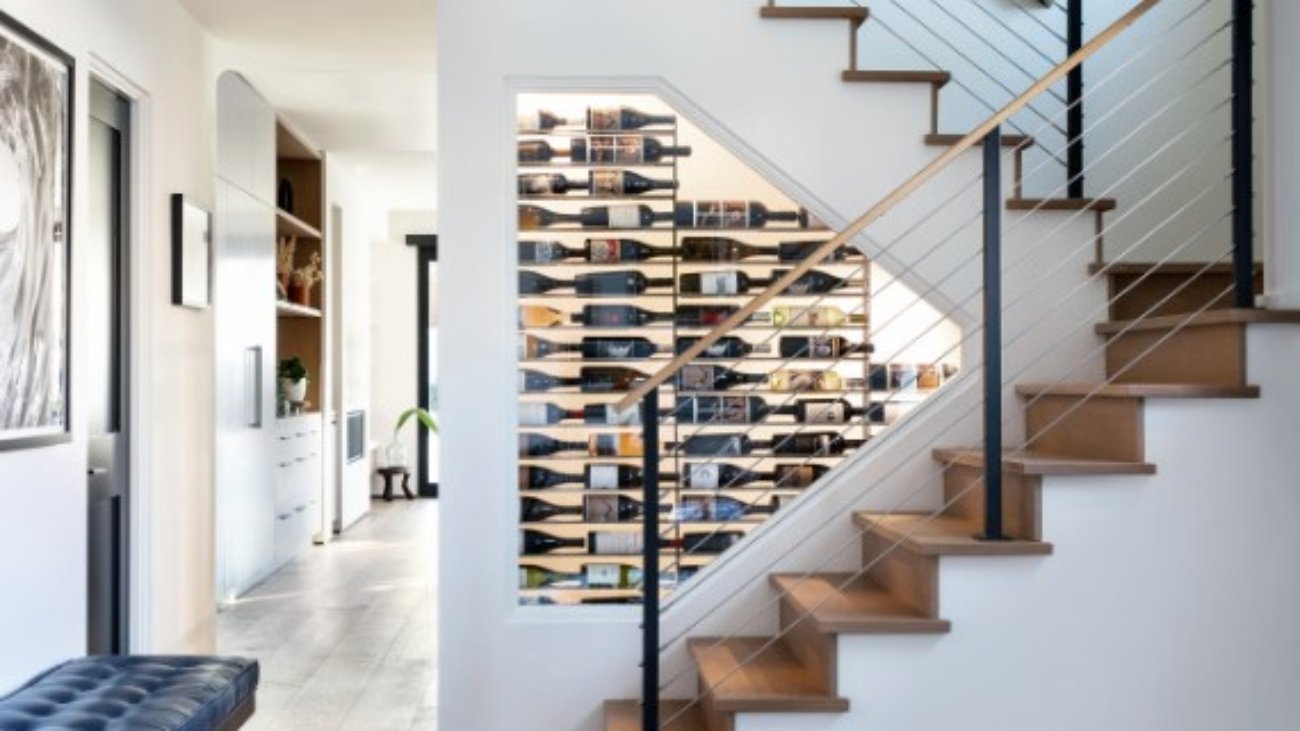
Wall wine racks are an excellent solution for the functional and space-saving storage and display of wine bottles. Using vertical wall space allows homeowners to optimize storage in locations that might otherwise go unused.

Convenient Access

Unlike traditional wine cellars or storage cabinets, wall-mounted wine racks make it simple to access your wine collection. This convenience is convenient for persons who want to select and display specific bottles for various events.

Temperature Considerations

Because walls frequently experience less temperature variation than other parts of the house, placing wine on them allows for more consistent temperatures. This helps preserve the wine’s quality over time.

Design Variety

Wall wine racks come in various styles, from sleek and simple to elaborate and inventive. Because of this variety, homeowners may choose a rack that not only satisfies their storage needs but also complements the overall style of their home.

Improving the Space’s Ambience

Creative Displays

Wall wine racks are more than simply a storage solution; they also serve as a canvas for artistic expression. Wine bottles can be placed uniquely and asymmetrical to transform a functional storage space into a visually appealing focal point.

Lighting Effects

You can enhance the visual impact of your wall wine rack by surrounding it with accent or ambient lighting. Carefully placed lamps or discreet LED illumination can draw attention to your collection while making the space pleasant.

Installation and maintenance

Secure Mounting

Proper installation is critical for both the integrity of your walls and the protection of your wine collection. Ensure the wine rack is securely fastened to studs or other robust structures to avoid accidents.

Temperature and Humidity Control

While wall wine racks assist in maintaining a consistent temperature, it’s crucial to keep an eye on the overall climate of the room. Racks should not be put in areas with extreme temperature swings or direct sunlight.

Regular Cleaning

To maintain the aesthetic appeal of your wall wine rack, it is critical to clean it regularly. Dust and dirt can accumulate on bottles and racks over time, reducing the overall visual impact.

Personalisation and Customisation

The ability to create and customize wall wine racks is one of its most appealing characteristics. Many manufacturers offer adjustable options, allowing homeowners to personalize their wine racks to their specific demands and available space, independent of size, shape, or arrangement. This level of customisation ensures that the wine rack complements the homeowner’s distinct style and personality while serving its functional purpose.

Hosting and Entertaining

Wall wine racks contribute to a friendly and entertaining environment. A well-curated and organized wine collection can spark a conversation by conjuring thoughts about favorite vintages, wine locations, or even the label artists’ craft. When your wine collection is easily accessible, it adds a refined touch to parties. It makes it easier to choose wines for special events.

Conclusion

Finally, wall wine racks are becoming more than just helpful storage alternatives; they are becoming crucial components of interior decor. They are flexible additions to any space due to their blend of usefulness and elegance, allowing wine and design enthusiasts to showcase their collections with style. Choosing a sleek, modern wall wine rack or a rustic, handmade design can improve the mood of your home while also providing a valuable and eye-catching way to keep your treasured wine collection.