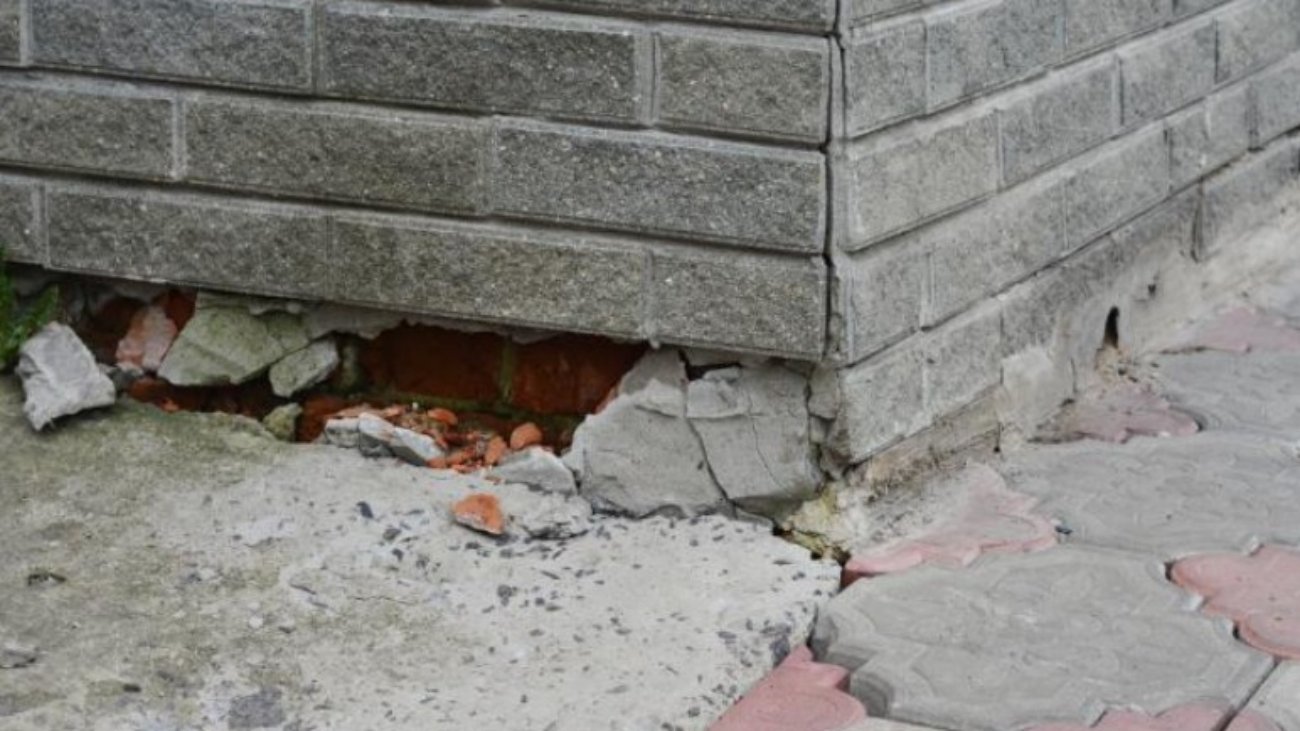
Foundation problems put homeowners and buyers in a difficult position. Cracks in walls, uneven floors, and signs of shifting immediately raise concerns about safety and long-term value. While foundation issues can feel overwhelming, not every problem means a home is beyond saving. Many foundation conditions are repairable when addressed early and correctly. The challenge lies in knowing when repairs make sense and when walking away is the safer option.
Homeowners who consult experienced foundation repair contractors chicago gain clarity on the true condition of their foundation before making costly decisions. Professional evaluation helps separate cosmetic damage from structural risk, allowing homeowners to focus on facts rather than fear.
Situations Where Foundation Problems Are Usually Worth Fixing
In many homes, foundation issues are limited in scope and respond well to proven solutions. Vertical cracks, minor settlement, or isolated movement often fall into this category. These problems usually develop gradually and do not affect the entire structure.
Common situations where foundation repair contractors often recommend repair include:
Stable vertical or diagonal cracks
Localized settlement affecting a small area
Soil movement caused by drainage issues can be corrected
Foundations that show no widespread structural displacement
When the cause of movement is identified and controlled, repairs can restore stability and protect the home’s long-term integrity. Early repairs are typically more affordable and less invasive than delayed intervention.
Understanding Foundation Movement
One of the most important factors in deciding whether to repair or walk away is whether foundation movement is active. Some homes show signs of historic settling that has already stabilized. In these cases, repairs may only be needed to reinforce affected areas.
Active movement, however, signals ongoing stress beneath the structure. Soil expansion, erosion, and moisture imbalance can continue to push or pull the foundation out of alignment. If movement can be stopped through stabilization methods, repair remains a reasonable option. If movement continues despite intervention, long-term reliability becomes questionable.
When Foundation Damage Becomes More Complex
Foundation problems grow more serious when damage is widespread or affects load-bearing components. Horizontal cracks, wall bowing, and significant differential settlement often indicate stronger forces acting on the structure.
In these cases, foundation repair contractors may still recommend repairs, but only if stabilization can be achieved with predictable results. Complex repairs may involve:
Multiple stabilization points
Structural reinforcement
Exterior excavation
Interior support systems
The decision hinges on whether the repair addresses the root cause or merely delays future failure.
Evaluating Cost Versus Long-Term Value
Repair recommendations are also influenced by how costs compare to the home’s value. Repairs that restore structural stability and protect resale potential are often worth the investment. However, when repair costs approach a large portion of the home’s market value, caution becomes necessary.
Professionals assess whether the repair will:
Permanently stabilize the foundation
Prevent future structural damage
Preserve or improve resale value
If repairs solve the underlying problem and keep the home structurally sound, fixing the foundation often makes financial sense.
When Walking Away Is the Smarter Choice
There are situations where walking away is the safest and most practical option. These cases usually involve damage that cannot be reliably stabilized or would require repeated intervention over time.
Red flags that may prompt foundation repair contractors to recommend walking away include:
Severe, uncontrolled foundation movement
Extensive cracking across multiple walls
Structural damage affecting framing and load paths
Long-term water intrusion is causing material deterioration
In these scenarios, repairs may offer temporary relief but fail to provide lasting stability. Walking away helps homeowners avoid escalating costs and safety concerns.
Foundation Issues During Home Purchases
For buyers, foundation problems add significant risk. Some repairable issues can be negotiated into the purchase price, while others introduce uncertainty that outweighs potential savings.
Professionals often advise walking away when:
Sellers refuse professional evaluation
The repair scope cannot be clearly defined
Structural risk remains uncertain after inspection
Clear documentation and expert assessment are essential before committing to a property with foundation concerns.
Why Professional Evaluation Is Critical
Foundation decisions should never rely solely on surface observations. Crack patterns, soil conditions, drainage behavior, and structural response must all be evaluated together.
Qualified foundation repair contractors analyze:
Crack progression and direction
Soil interaction beneath the foundation
Water management around the home
Structural response to existing movement
This comprehensive approach ensures that recommendations are based on long-term outcomes rather than short-term appearance.
Balancing Emotion with Practical Judgment
Homes carry emotional value, which can cloud judgment when foundation issues arise. Some homeowners feel compelled to save a property at any cost, while others assume the worst without proper evaluation.
The best decisions balance emotional attachment with practical assessment. Repairs should provide confidence and stability, not ongoing stress. In some cases, walking away protects financial well-being and personal safety.
Conclusion
Knowing when to repair a foundation and when to walk away requires careful evaluation, not guesswork. Foundation repair contractors base their recommendations on movement behavior, structural feasibility, and long-term protection of value rather than on surface damage alone.
For homeowners seeking clear answers and honest guidance, Chicago Foundation Repair Experts provides professional assessments designed to support informed decisions. Whether repair is the right path or walking away is the wiser choice, expert insight helps homeowners move forward with confidence and clarity.
Tiny homes are compact, efficient living spaces that typically range from 100 to 400 square feet. They prioritize minimalist living, with a focus on functionality and sustainability. But don’t let their size fool you—tiny homes can be incredibly cozy and comfortable!
Why Tiny Homes are Trending
Tiny homes have become a global sensation. With rising housing costs, environmental concerns, and a desire for simpler living, many are drawn to the tiny home lifestyle. It’s not just about downsizing; it’s about upgrading your quality of life by focusing on what truly matters.
History of the Tiny Home Movement
Early Beginnings
The concept of living small isn’t new. Throughout history, various cultures have embraced small living spaces, from yurts in Mongolia to Japanese tea houses. The modern tiny home movement began gaining traction in the early 2000s, spearheaded by visionaries like Jay Shafer.
Modern Popularity
Fast forward to today, and tiny homes are more popular than ever. Television shows, social media, and a growing awareness of environmental issues have propelled the movement into the mainstream. People are increasingly seeking ways to reduce their carbon footprint and live more sustainably.
Benefits of Tiny Home Living
Financial Freedom
One of the most compelling reasons to go tiny is the financial freedom it offers. With lower building and maintenance costs, tiny homes can free you from hefty mortgages and high utility bills, allowing you to save more and live debt-free.
Environmental Impact
Tiny homes are eco-friendly by design. They use fewer materials to build and consume less energy to heat, cool, and maintain. Many tiny homeowners incorporate sustainable practices like solar panels, composting toilets, and rainwater collection systems.
Simplified Lifestyle
Living in a tiny home encourages a minimalist lifestyle. With limited space, you prioritize what you truly need and value. This shift can lead to a more meaningful and intentional way of living, free from the clutter and distractions of a larger home.
Challenges of Tiny Home Living
Limited Space
The most obvious challenge is space. Adjusting to a smaller living area requires creativity and careful planning. Every inch counts, and multifunctional furniture and smart storage solutions become essential.
Zoning Laws and Regulations
Zoning laws and building codes can be a significant hurdle for tiny home enthusiasts. These regulations vary widely by location and can impact where and how you can build or park your tiny home.
Social Adjustments
Living tiny can also mean adjusting socially. Whether it’s sharing a small space with family members or dealing with the perceptions of others, transitioning to tiny living requires a willingness to adapt and communicate.
Designing Your Tiny Home
Choosing the Right Layout
The layout is crucial in a tiny home. Open floor plans, lofted sleeping areas, and convertible spaces are popular choices. It’s important to design a layout that fits your lifestyle and needs.
Maximizing Storage
Storage is a top priority in any tiny home. Built-in shelves, underfloor storage, and multifunctional furniture can help maximize your space. Think creatively about how to utilize every nook and cranny.
Multi-functional Furniture
Furniture that serves multiple purposes is a game-changer. Consider options like a sofa that converts into a bed, a dining table that doubles as a workspace, or stairs that also function as storage units.
Building Your Tiny Home
DIY vs. Professional Builders
Deciding whether to build your tiny home yourself or hire professionals depends on your skills, budget, and timeline. DIY builds can be cost-effective but require a significant time investment. Professional builders offer expertise and efficiency.
Materials and Costs
The materials you choose impact both the cost and sustainability of your tiny home. Reclaimed wood, recycled materials, and energy-efficient appliances can help reduce your environmental footprint and expenses.
Building Process Overview
The building process involves several steps: planning, obtaining permits, constructing the frame, installing utilities, and finishing the interior. Each step requires careful attention to detail to ensure your tiny home is safe and comfortable.
Living in a Tiny Home
Daily Life Adjustments
Life in a tiny home requires adjusting your daily habits. You’ll need to be more mindful of your space, routines, and possessions. This shift can lead to a more organized and intentional lifestyle.
Organizing Your Space
Keeping your tiny home tidy is essential. Regular decluttering, smart storage solutions, and efficient use of space help maintain a comfortable living environment.
Maintaining Your Tiny Home
Regular maintenance is key to keeping your tiny home in good condition. This includes checking for wear and tear, ensuring all systems are functioning properly, and making necessary repairs promptly.
Tiny Home Communities
Types of Tiny Home Communities
Tiny home communities range from rural retreats to urban co-housing projects. Some are designed for full-time living, while others are vacation rentals or co-living spaces.
Benefits of Joining a Community
Joining a tiny home community offers several benefits, including shared resources, social support, and a sense of belonging. These communities often promote sustainability and mutual aid.
How to Find a Tiny Home Community
Finding the right community involves research and networking. Online forums, social media groups, and tiny home festivals are great places to start. Visiting potential communities can also help you find the best fit.
Financial Considerations
Cost of Building vs. Buying
Building a tiny home can be more affordable than buying one, but it requires time, skills, and resources. Buying a pre-built or custom-designed tiny home offers convenience and professional craftsmanship.
Financing Options
Financing a tiny home can be challenging, as traditional mortgages may not apply. However, options like personal loans, RV loans, and specialized tiny home financing companies can help.
Long-term Financial Benefits
In the long run, tiny homes can offer significant financial benefits. Lower utility bills, reduced maintenance costs, and the potential for rental income make tiny homes a smart financial choice.
Environmental Impact
Sustainability Features
Tiny homes often incorporate sustainable features like solar panels, composting toilets, and energy-efficient appliances. These features reduce your environmental footprint and promote green living.
Reducing Carbon Footprint
By using fewer materials and consuming less energy, tiny homes help reduce your carbon footprint. Many tiny homeowners also adopt eco-friendly practices like recycling, composting, and reducing waste.
Off-Grid Living Options
For those seeking complete independence, off-grid living is a viable option. Solar power, rainwater collection, and composting systems allow you to live sustainably without relying on public utilities.
Case Studies and Success Stories
Inspirational Tiny Home Journeys
Hearing from others who have embraced the tiny home lifestyle can be incredibly inspiring. Many have found happiness, freedom, and a sense of community through their tiny homes.
Lessons Learned from Tiny Home Owners
Learning from the experiences of others can help you navigate the challenges and make the most of your tiny home journey. From design tips to lifestyle adjustments, these insights are invaluable.
FAQs about Tiny Homes
What is the average cost of building a tiny home?
The cost can vary widely, but on average, building a tiny home can range from $20,000 to $100,000, depending on materials and labor.
Can you legally live in a tiny home?
This depends on local zoning laws and regulations. It’s important to research and ensure compliance with your area’s requirements.
How do tiny homes handle utilities?
Tiny homes can be connected to public utilities or designed for off-grid living with solar panels, composting toilets, and water tanks.
What is the lifespan of a tiny home?
With proper maintenance, a tiny home can last as long as a traditional house, typically 30-50 years or more.
Are tiny homes suitable for families?
While challenging, it is possible for families to live in tiny homes. Creative design and efficient use of space are essential for accommodating multiple people.
Wallpaper removal is a challenging task at best, and most people avoid it at all costs. Endless hours of removing small pieces of paper from the surface with a paint scraper while attempting not to harm your walls come to mind. So then, how to remove wallpaper, is there an alternative?
Wallpaper removing option
Some people may rent a steamer since they have heard it makes the process easier and faster. Take a look at the following:
First, consider the expense. Unless you already own a wallpaper steamer, you will need to hire one (around $30 per day) or purchase a low-cost DIY machine for around $50.
Following that, steamers can be dirty and difficult to use. Steamers, in addition to removing the wallpaper, bring a lot of moisture to the room you’re working in. Because they generate steam from hot water, you must wear protective gloves.
Finally, if you are not careful, they may add extra moisture to the wall leading to the damage of plaster.
The fact is that wallpaper removal can be quick and simple if you follow today’s best practices.
Which surface can you apply the wallpaper on?
This is vital to understand because removing the wallpaper will result in moisture being taken up by the wall structure. Plaster or paneling walls can safely absorb more water than drywall or gypsum board walls. If the paper face of drywall becomes wet, it can easily be harmed if extra care is not given throughout the wallpaper removal process.
How to Tell Whether You Have Drywall or not: Remove a light switch or outlet cover from the wall to examine what type of wall construction you have (make sure the electricity is turned off first). Once the wallpaper has been removed, you can count the layers to determine whether the wall base is drywall, plaster, or wood.
Collect the tools and supplies
Wallpaper removal does not require any special tools, but you must ensure that you have the necessary goods available. Gather the following tools before you begin to ensure that the job is done correctly the first time.
Drop clothes
Trash bags
A bucket of water and sponge
Step ladder
Stripping the wallpaper
Using a carefully designed liquid wallpaper stripper is the most cost-effective way to remove old wallpaper and avoid the need for a steamer. Even with numerous layers of wallpaper, the remover does the hard job of forceful scraping.
Begin removing the wallpaper from the walls. To avoid issues, it is always best to begin the process with a test area.
Roll the scoring tool over an area about 2′ square. Do not apply excessive pressure. You can only score one layer at a time.
Spray gel remover over the affected area to keep it wet but not drenched.
Allow the gel 15 minutes to dissolve the previous adhesive.
Peel off the old paper beginning at an edge. It should peel off easily, indicating how effectively the paper stuck to the layers beneath it. All of the layers may come off at the same moment.
After you’ve removed the test region, you’ll have a decent notion of how to proceed with the rest of the procedure for removing it. Continue scoring, spraying, and scrubbing until the job is finished.
Here are some more useful hints:
Turn off the power supply in the room where you’re working.
Work in 4′ broad portions to prevent the remover from drying out.
To avoid drying out the remover, turn off fans and air vents.
Lastly
Allow the surfaces to dry for at least 24 hours after removing all of the previous wallpaper. You can now start planning for the installation of new wallpaper.
Restore any harmed wall surfaces. Smooth the walls with sandpaper and clean with a gently wet sponge, allow the walls to dry for another 24 hours. Before installing the new paper, prime the wall.
Anything can be done online. Some tech companies, like Zillow and Redfin, think they can even buy and sell houses online, and are dreaming of becoming the Amazon of what has come to be known as ‘‘iBuying.” But they’re finding out that buying and selling assets worth hundreds of thousands of dollars is a bit harder as an online industry than buying and selling books.
Last week, Zillow made a startling announcement that it would stop buying homes for the rest of the year, self-reportedly due to a “backlog of renovations and operational capacity constraints” that it blamed on the supply chain issues plaguing the economy.
This news made a splash in the world of iBuying, a relatively new industry in which companies like Zillow, Redfin, OfferUp, and Opendoor allow homeowners to avoid the tedious process of listing and staging homes by selling directly (and quickly) to them. But it also caught traction on TikTok where Sean Gotcher, a Las Vegas real estate agent, posted a video with Zillow’s news laughing at the company’s troubles.
Gotcher had already achieved the sort of brief internet fame one can most easily get on TikTok when he posted a video in September that has now received more than 3 million views. In it, he insinuates that iBuyer companies are manipulating the market by intentionally overpaying for some homes in order to sell others that they’ve already bought in nearby areas for a higher price.
While some of Gotcher’s claims are far-fetched and verge on conspiracy theories (and since real estate agents directly compete with iBuyers, you should take claims either entity makes about the other with a grain of salt), the video went viral because it struck at the heart of a growing fear that housing is becoming less like shelter and more like a risky financial asset traded on Wall Street. This anxiety is not new but has become electrified over the course of the pandemic as a hot housing market and a historic undersupply of housing have locked out young and first-time homebuyers. Earlier this year, fears that BlackRock and other institutional investors were responsible for current market conditions were rampant despite a lack of evidence for the claim.
iBuyer companies make up a very small share of the market — roughly 1 percent of home sales in the second quarter of 2021, at what is their peak so far — but it’s important to take concerns about their growth seriously. While iBuyers contend that they are offering a clear solution to reducing the stress of the home-selling process, US policy has predicated financial security on homeownership, and the introduction of large firms into the space raises fears of potential anti-competitive and predatory behavior.
The Amazon of real estate?
The process of selling a house is stressful, to say the least. On top of the general concern —about getting the best price for the most expensive thing you have ever owned and in which you have likely already invested tens of thousands of dollars and countless hours — is all the logistical stuff. As a part of staging the house, sellers may have to do front yard work, repaint the interior and exterior, replace the carpets, hire a professional photographer for the listing, keep the interior clean in preparation for showings, figure out where to take the home’s dogs and children when there are showings, hire a real estate agent, the list goes on.
This doesn’t even include trying to time your home sale to coincide with the move-in date of your new home or city. Often, people will need to have sold their home in order to buy a new one, which means there can be additional transaction costs there too if you have to put all your things in storage and live at a family member’s place or a rental while you look for your new home.
This is the problem iBuyer companies say they are looking to solve. Instead of having to go through the hassle of this entire process and potentially incur some costs, homeowners can take an iBuyer’s offer — and then the company does the work of staging, listing, and selling the house to someone else.
There are are a couple of ways these companies can turn a profit: first, the difference between what they purchased the home for and what they are able to sell it for (minus any costs for renovations, upkeep, and selling), and second, the fees they charge homeowners to sell the property.
Whether any of them are actually turning a profit is a whole other matter.
iBuyers are growing quickly. According to University of Colorado Boulder’s scholar-in-residence Michael DelPrete, in 2018 iBuyer companies made up roughly 0.2 percent of the market; in 2019, his numbers show that iBuyers accounted for roughly 31,000 purchases or 0.5 percent of the U.S. market. According to research by Zillow, in Q2 of this year iBuyers’ market share reached 1 percent for the first time.
Employees of Zillow Offers evaluate a home for possible purchase by Zillow in Lauderhill, Florida, in August 2019.Joe Raedle/Getty Images
But according to research by DelPrete, the profit margins in this industry are narrow. Looking at this past quarter, Opendoor and Zillow were posting net losses (-$144 million and -$59 million, respectively). While Offerpad did post a profitable quarter ($9 million), DelPrete notes that “the overwhelming majority of profits are coming from record home price appreciation, which is temporary, and appears to be falling.”
Though these numbers are small in the context of the national housing market, iBuyers have historically been relatively concentrated in specific regions like the Sun Belt where there’s more new single-family construction, since it’s easier to accurately price new, relatively similar homes. In 2019, DelPrete’s research showed that in the largest iBuyer market, Phoenix, they’d reached a 5.5 percent market share. However, Zillow data from Q2 of this year indicates that that number hasn’t shifted much with market share at 5.7 percent in Phoenix. Other cities with a relatively high share include Atlanta (5.3 percent), Charlotte (5.3 percent), and Raleigh (5.0 percent).
Redfin, despite expanding its iBuying business, is still heavily committed to its traditional real estate model. In a statement, Jason Aleem, vice president of RedfinNow (the iBuying arm of Redfin) said: “Part of what makes RedfinNow different is our ability to educate sellers on all of their options in a single conversation. … Many are drawn to the certainty of our competitive cash offers, but those who still want to list on the open market for the lowest fee can do that with a local Redfin agent.”
But are these companies big enough to manipulate the market?
Taking concerns about market manipulation seriously
Despite Gotcher’s TikTok video claims, I’m very skeptical that iBuyers could manipulate the market to systematically undercut homeowners on the initial price of their homes and then set higher prices when they return to the market.
Take the first part of that plan — to systematically buy homes for less than they’re worth. There’s simply too much competition to be able to do that reliably. For one, there are other iBuyer companies that compete against one another. They find themselves in bidding wars with the other companies not infrequently, and some research indicates that the price they’re willing to pay is going up faster than the rest of market. And it’s not just iBuyers competing against one another — there are also thousands of real estate agents who would be happy to sell your home for you.
These companies simply don’t have the power to consistently drive up prices on homes they sell. Let’s break down exactly what would have to happen for an iBuyer to be able to do something like that. First, they would need to buy a significant number of homes within a given market. What a market is is up for debate, but you’d need to get enough market share to shift prices — courts have defined monopoly power as greater than 50 percent. To emphasize how far away iBuyers are from this, in the markets where they are most active that have achieved roughly 5 percent of sales, not even all the homes, just the ones that are selling. And that’s all iBuyers, not one specific company.
But that’s not even the hard part. The hard part would be that they’d need to hold onto the homes until they’d achieved a high enough market share. iBuyers are usually putting houses back on the market in a matter of a few months. They’d need instead to pay upkeep costs, property taxes, and take on the huge risk that all the homes that they are holding onto within a given area don’t tank in value because of something unrelated like an economic downturn or changing living preferences or a hurricane.
This strategy quite evidently has some major downside risks. There’s only so much that even a regionally monopolistic firm would be able to charge before people would choose to live elsewhere.
It would also require that these companies can accurately price homes. Failing to accurately build an algorithm is very costly — Bloomberg reported that when Zillow “tweaked the algorithms that power its home-flipping operation to make higher offers … it had to stop making new offers” after winning too many bids. The market is appreciating more slowly than earlier this year, which means when you take into account the renovation costs and selling costs, Zillow could end up selling those homes at a loss.
It seems as though iBuyers are not resting their business model on selling homes. Instead, as the Wall Street Journal reports, they’ve “been clear that their businesses are built to mostly make money off of ancillary services like mortgage, title insurance and escrow.”
But not all the worries about these firms’ power can be brushed away easily.
To start an iBuying company, you need to be able to raise a lot of money. That means it’s hard for new competitors to join the market. It costs hundreds of millions of dollars in order to be a serious competitor — you have to be able to buy a lot of homes, hire contractors to do the necessary renovations, and also have all of the employees and independent agents to sell the homes as well. That doesn’t even include all the work needed to accurately build an algorithm that prices the homes accurately.
It’s possible that iBuyers could have downstream effects not just on homebuyers, but renters too: They’re not just putting the homes on the market for regular people to buy; they are often selling directly to institutional investors (like private equity firms) instead. According to Desiree Fields, assistant professor at UC Berkeley, there is a “growing role for iBuyers” observed in institutional investor activity in the market. She cites reporting from Business Insider that one CEO expects that up to 20 percent of homes his firm is buying for an institutional investor will come from iBuyers.
While the impact of institutional investors is contested, Fields says that these firms are more likely to pursue eviction than smaller landlords and some even practice predatory “serial eviction filings,” a tactic that disempowers tenants from “reporting problems to their landlords and fosters housing insecurity by adding late fees, attorney fees, and other costs to rent arrears.”
The bottom line: iBuyers are providing a service. It’s not clear they’ve really figured out how to make money. Understanding it as a fledgling industry in need of oversight rather than a behemoth manipulating the housing market is important to understand where the power really lies: in the hands of regulators.
Whether iBuyers end up being an option for homeowners or usher in an institutional investor frenzy that harms renters too is a regulatory question.
First, the underlying reason that home prices have skyrocketed is because of historic undersupply. Experts are clear that issue is largely the result of exclusionary zoning laws that have made it impossible to build sufficient homes to meet demand, and in particular demand for starter homes for first-time homebuyers and lower-income homebuyers. Because there is artificially constrained supply, investors hungry for quickly appreciating assets have turned to the housing market.
Second, lack of protections for low-income tenants was an emergency long before iBuyers or institutional investors ever became a presence in the American housing market. While this past year has pushed governments to be more willing to enact tenant protection measures like eviction moratoria and rent relief, tenants often lack basic protections from landlords who openly flout even the few laws that are enacted, due to lack of consistent enforcement.
People aren’t irrational to fear what increased investor activity in housing could mean. But it’s important to accurately diagnose what’s going on here and the actual range of potential harms. If not, the policy solutions designed by the government could fail to protect the people who need it the most.
Right right after the Super Bowl is an unofficial start out of the spring housing market place, one particular of the busiest situations for true estate brokers and present-day and opportunity purchasers.
Agents are normally searching for strategies to be more economical and connect with home buyers and sellers. They try to determine out how best to use their means and which tools to pull out of their device belts.
1 new device developing in reputation across fields is the chatbot ChatGPT, which makes use of artificial intelligence to answer to prompts in a conversational way. It has produced headlines for carrying out this kind of feats as passing a Wharton professor’s MBA test.
» Read through Extra: ChatGPT: What you want to know about the AI chatbot
Michael Severns, principal listing professional and broker of history at a Redfin business office centered in Wayne, shared how he employs ChatGPT.
Preserving time and taking part in to strengths
Exhibiting houses to purchasers and negotiating on their behalf are time-consuming responsibilities for real estate brokers. At the exact same time, agents also have to constantly operate to make connections and establish potential customers to provide in new shoppers.
“I’m inherently lazy, so I attempt to discover the best way to do things,” Severns mentioned. “This resource is excellent for someone like me.”
He takes advantage of ChatGPT to make social media and site posts. And he has a further app that schedules his social media posts across his accounts.
He posts on Medium.com and asks the chatbot to act as an editor. It cleans up his creating and helps make his reviews far more succinct. He can even check with it to add some humor into a site article.
“I’m not that wonderful of a author,” he reported. “That’s why I like ChatGPT.”
He lately posted about 10 matters likely consumers really should check when they tour a property. He fed ChatGPT a checklist he gives to purchasers and asked it to act as a real estate agent and demonstrate why the 10 items on the list are so important.
He feeds ChatGPT industry news and asks it to rephrase the information and facts from the level of see of a genuine estate agent.
“The capabilities and the factors it can do are phenomenal,” he said.
It is a single way he stays in entrance of probable residence buyers and sellers. In concerning scheduled posts, he throws in some individual kinds — and these days, posts about the Eagles — to additional link with people.
Being up-to-day
Severns works by using ChatGPT to retain track of the matters of the working day.
He asks it concerns this kind of as “What are 10 social media publish subjects I really should do as a authentic estate agent?”
Relating to diverse demographics
Severns is 45 and acknowledges that he does not know every little thing the youngest property consumers are into. He claimed synthetic intelligence will help him connect with unique demographics.
“I can say, ‘Act as an advertiser and rewrite this write-up to have interaction with 18- to 35-year-olds,’ and it will do that,” he said.
Combining tech with expertise
ChatGPT is much from best. At times the chatbot gives Severns erroneous details, so he tends to make confident to double-look at what ChatGPT comes up with.
He does not have the chatbot do all the things. Descriptions of homes in listings, for instance, are created by a “really phenomenal” listing coordinator at Redfin, he said.
He has talked to other genuine estate brokers who are afraid of the technological know-how and really don’t want to learn to use it, but Severns claimed he’s savoring the perks.
“It’s just an additional instrument that we can use in our toolbox,” he stated.
From nativity scenes to ring dishes to wreaths and chandeliers, oyster shells are popular around South Carolina homes, especially in the Lowcountry.
For the artists who make those pieces and recipients who decorate with them, the shells can evoke memories of good food and company as well as serve as a reminder of how humans shape and affect the natural world.
“It brings back in the summer, the beaches, sand and the marshes,” said Jennifer Smith, co-owner of Charleston Oyster Wreaths Co. “Even if I was wearing an oyster necklace, it would make me think about being on the coasts and all the things that bring peace and a smile on your face.”
January is a big month for oysters in Charleston. Thousands of people will gather at Boone Hall Plantation & Gardens on Jan. 29 for the Lowcountry Oyster Festival, which is billed as the world’s largest. Some 45,000 pounds of oysters will come and go during the festival, and the ensuing gorging and celebrating is a reminder of the cultural staying power the mollusk has in the Lowcountry — and not just in people’s stomachs.
The Post and Courier spoke with three different oyster shell artists, who range in size from cottage-industry sellers to owners of brick-and-mortar stores, about how to purchase décor, art and jewelry with sustainability in mind and what makes the mollusk a perennial fixture in the home in Lowcountry culture.
Oysters are a symbol
Smith, 48, and her sister-in-law, Season Smith, started selling oyster décor about seven years ago when they first made wreaths out of oyster shells instead of the traditional woven mixture of foliage. Jennifer works in interior design and Season in hospitality. They bring their pieces to festivals, such as the Lowcountry Oyster Festival, and other local events.
Their small, hobby business out of Hanahan is about family and community. Both their husbands grew up picking oysters, and a portion of proceeds go back to local charities and organizations, such as community athletic clubs, that vary from year to year. The art they make, Smith said, brings back memories.
Rachel Gordon, founder of Grit and Grace in downtown Charleston, saw the shell’s ability to mark a momentous occasion and create such memories when she previously sold wedding dresses. She would give brides a ring dish gift fashioned from oyster shells. Her friends and family took notice, and she saw a market for oyster art, fashion pieces and décor. Grit and Grace now employs about 24 people with two retail stores, a wholesale collection, an art studio and an online store. Some pieces made in Charleston appear in stores around the world.
“The oyster represents so much,” Gordon, 40, said. “To have the oyster in the home feels like celebration of our culture and who we are.”
Grit and Grace in downtown Charleston came into existence about five years ago when founder Rachel Gordon discovered how popular the ring dishes she gifted brides were. The business keeps sustainability at the forefront, working with the South Carolina Department of Natural Resources on shell recycling and litter cleanups. Reese Moore Photography/Provided
The shell is often a symbol of how people come together, she said.
For Tina Marie Barrett, however, it’s more than just that. Near the end of 2017, she underwent the first of four surgeries that ultimately saved her life after her colon became twisted and went septic. She said her doctor at the emergency room said she was hours from death.
Recovery was long and painful, and turning to art helped her navigate that time. Her rehabilitation included cutting away the negativity in her life and focusing on the positive. The oyster shell reminded her of the good times — sitting around on a weekend, sipping champagne and eating oysters — and it turned into her business, Charleston Oyster Art.
“Oysters are the epitome of Charleston and luxury,” she said.
Barrett’s clients have included the Oyster House in downtown Charleston and Shem Creek Crab House and Saltwater Cowboys in Mount Pleasant. Owners of those businesses commissioned her to create pieces, such as chandeliers or mirrors, to hang in their establishments.
Being a smart consumer
Oysters aid in keeping local coastal waters healthy, and recycling shells helps rebuild fisheries and reefs, prevents soil erosion and mitigates flood risk. Removing oysters means removing coastal habitat. The state of South Carolina has a critical need for oyster shells, which creates a balancing act in the minds of oyster shell artists.
Consumers should research who they’re buying from and where those businesses source their oyster shells if they want to be sustainable shoppers, local artists said.
For a multi-brick-and-mortar store business, such as Grit and Grace, consumers might ask how the company is giving back to local recycling efforts.
Jennifer and Season Smith, sisters-in-law from the Hanahan area, craft a limited number of wreaths and other décor fashioned from oyster shells every year for their side business, Charleston Oyster Wreaths Co. The shell is a symbol for them and many South Carolinians of life in the Lowcountry and a permanent fixture in homes like theirs. Palmetto Snapshots/Provided
Grit and Grace makes a point to tell customers about their partnership with the S.C. Department of Natural Resources; the company doesn’t only donate what isn’t used but also helps with every step of the smelly and time-consuming recycling process, which ranges from oyster shell pickups to litter cleanups. Grit and Grace also puts back 10 oyster shells for every one shell they remove from the water.
A great use for used oyster shells is a donation to DNR so the state can recycle them. The state needs about 43,000 bushels of oysters shells every year to reseed its oyster beds. That includes oyster beds that exist solely to protect coastal land.
Last year, the state collected about 35,000 bushels from festivals, businesses and members of the public and needed to make up the difference by purchasing shells in bulk. Sunday’s festivities at Boone Hall will contribute 3 percent of the total shells collected this year, Stephen Czwartacki, head of the DNR’s oyster shell recycling program, told The Post and Courier last month.
“I knew I would never create or grow a business without giving back,” Gordon said. “I think the most important thing, like with any company, is to research their values. Call them, contact them, ask how they source their oysters and what their volunteer work is like.”
The process for vetting smaller sellers working out of their home, either as a side job or as a passion project, is similar. It might be worth asking the question, “Where are they getting their shells from?”
Barrett said it’s important that artists and sellers don’t siphon shells from businesses that are active contributors to DNR’s recycling program. Smith said sellers should also make clear what they do with their leftover shells. Smith said the shells she and her sister-in-law use come from friends and family and other community members in the Hanahan area.
Charleston Oyster Wreaths Co. is a small, hobby side business run by sisters-in-law Jennifer and Season Smith that sells a limited number of oyster shell décor items at festivals and other markets. Events like the Hanahan Christmas Tree Lighting and Holiday Market in December are part of the regular circuit for selling their wares throughout the year. Palmetto Snapshots/Provided
Scientists and conservationists don’t endorse the use of shells in this manner because of the need for them in reseeding beds. But, the shell has long been a part of the culture of the Lowcountry and a part of local art.
“People are going to search for these things,” Smith said. “Don’t take more than you use. We all should be conscientious. Everything we use is basically a trash pick, something people throw on the side of the road that they’re not going to use. We don’t go looking for oysters. We don’t dumpster dive.”
Smith said there’s also a practical limit on cottage-industry sellers: time. Collecting the right shells and turning them into a series of wreaths is time-consuming work, and only a limited quantity of oyster shell pieces are produced each year.
Of those, many can be found in Lowcountry homes.
Get a weekly list of tips on pop-ups, last minute tickets and little-known experiences hand-selected by our newsroom in your inbox each Thursday.